

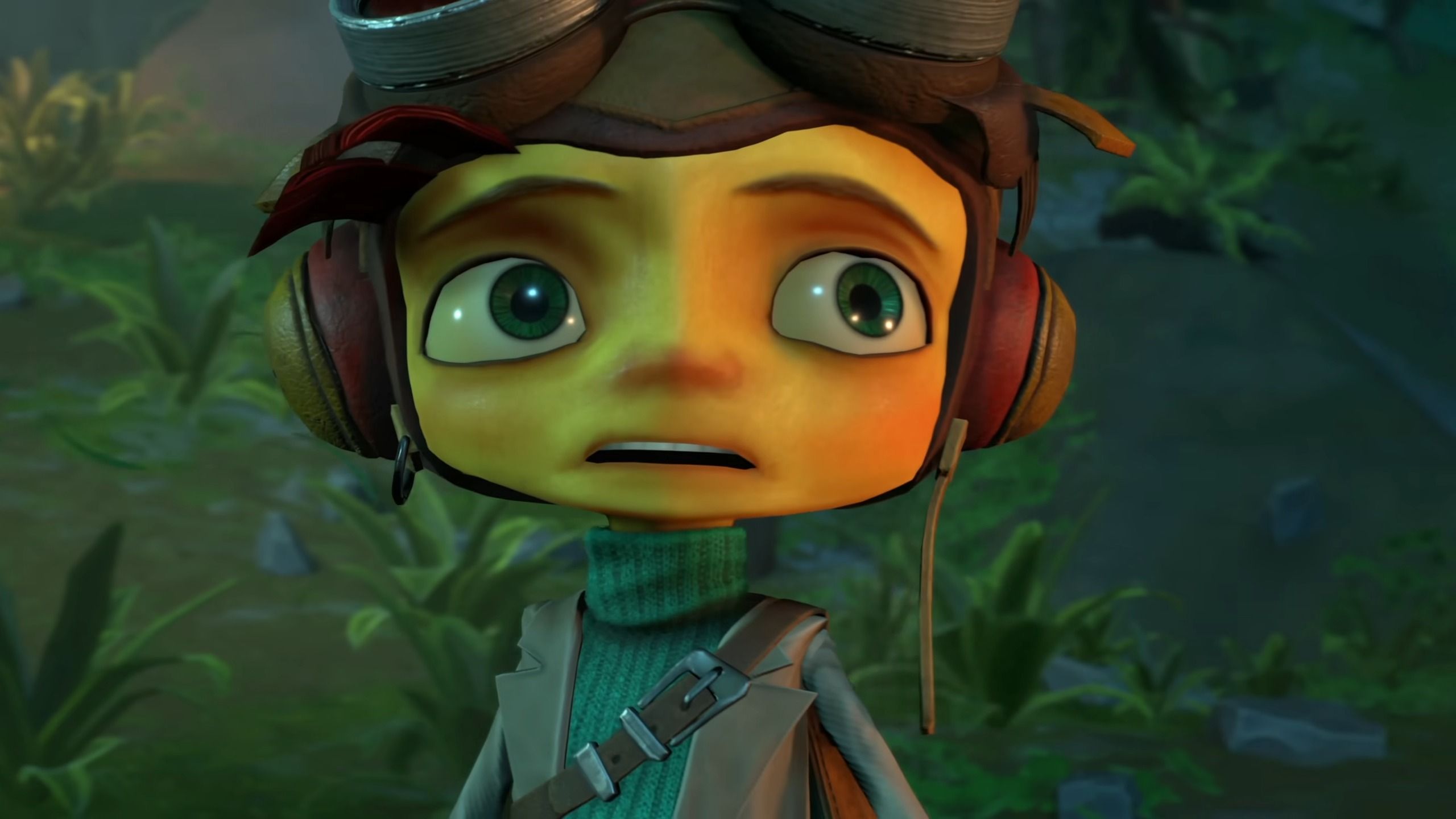
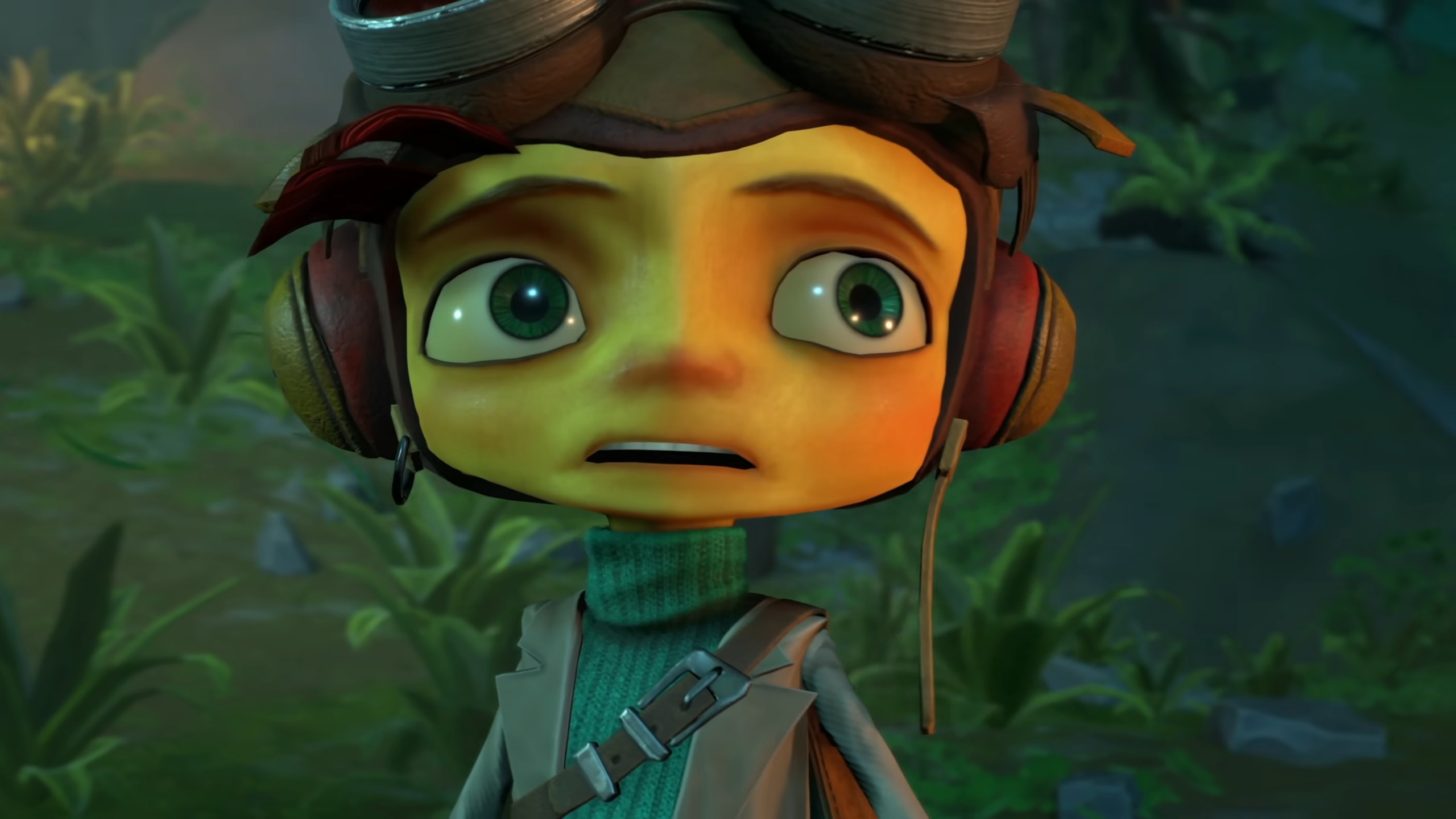
The landscape of the video game industry is shifting beneath our feet, and nowhere is the tremor more severe than within the halls of Microsoft’s gaming division. In a series of developments that have sent shockwaves through the developer community and investor circles alike, Xbox appears to be executing a radical, high-stakes "reset" of its internal studio structure. As the company grapples with stagnating revenues and the crushing weight of massive capital expenditure, several of its most cherished creative pillars—including the teams behind Hellblade and Psychonauts—are now fighting for their survival.
The Impending Departure: A Crisis of Sustainability
The most recent reports, corroborated by The Verge and Bloomberg, confirm that Microsoft is moving toward the closure of Ninja Theory, the acclaimed studio behind the Senua franchise. While the news of a definitive closure has begun to circulate, sources indicate that the situation remains fluid; the studio is reportedly engaged in desperate, last-minute negotiations to find an external buyer or a path to independence.
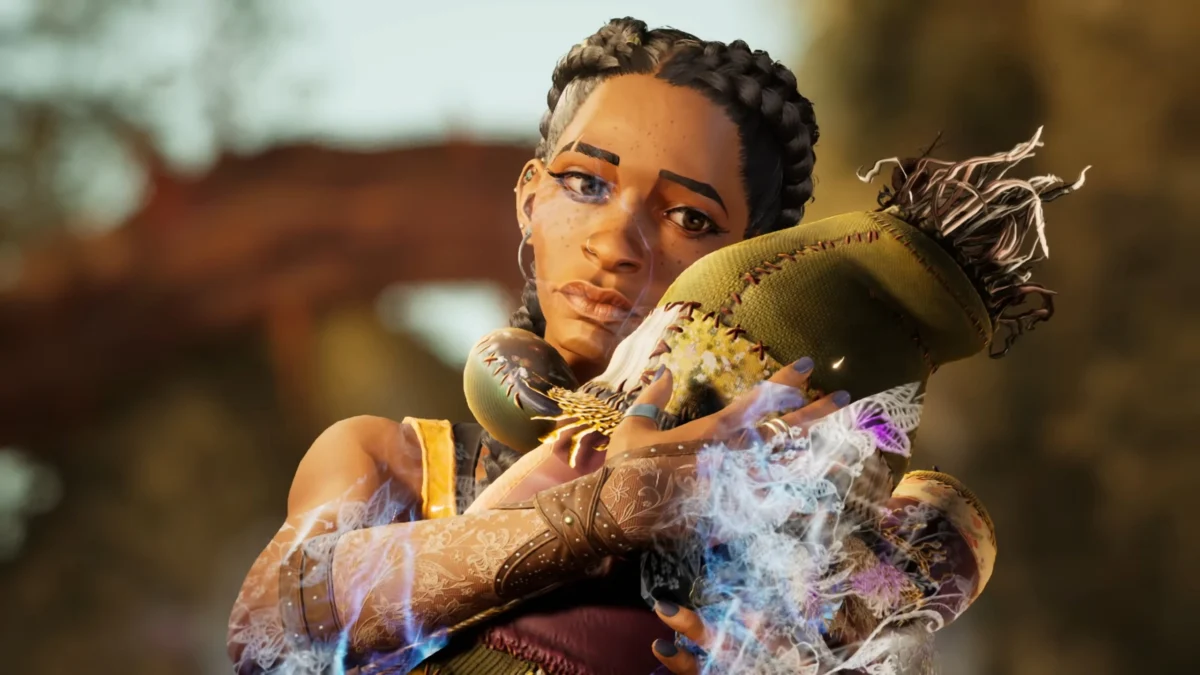
This news follows closely on the heels of reports surrounding Compulsion Games, the developer of South of Midnight. The studio, which has operated under the Microsoft umbrella since 2018, is similarly facing an uncertain future. These are not isolated incidents but rather symptoms of a broader, systemic re-evaluation of the Xbox Game Studios portfolio, which has become bloated and, in the eyes of new leadership, financially unsustainable.
A Chronology of Retrenchment
To understand the current "Xbox reset," one must look at the trajectory of the division over the past five years. Since 2019, Microsoft has embarked on an aggressive acquisition spree, spending upwards of $20 billion on content, platforms, and hardware subsidies. Yet, despite this astronomical investment, annual revenue for the gaming division has declined by nearly half a billion dollars.
Key Milestones in the Xbox Downsizing:
- 2024: The Hi-Fi Rush Precedent: The industry was stunned when Microsoft shuttered Tango Gameworks—the studio behind the critical and commercial success Hi-Fi Rush—shortly after the game secured prestigious industry awards. The move sparked widespread outrage, eventually leading to Krafton, the publisher behind PUBG, stepping in to acquire the studio and its IP to ensure the development of a sequel.
- The Romero Games Conflict: Last year, Microsoft’s withdrawal from a partnership with Romero Games, led by industry icons John and Brenda Romero, left the studio in a precarious position. The cancellation forced the developer to downsize drastically, mirroring the current struggles of internal Xbox studios fighting to stay afloat.
- June 2025/2026 Turbulence: The current month has been defined by a series of exits and warnings. Craig Duncan, the head of Xbox Game Studios, departed his role after less than two years. Simultaneously, leadership has signaled that major, widespread layoffs are expected to take effect in July, as the company seeks to trim the fat from its operations.
Financial Realities and the "Xbox Reset"
The architect of this current strategy is the recently appointed Xbox CEO, Asha Sharma, working alongside Chief Communications Officer Matt Booty. Their directive is clear: the current model of business at Xbox is broken and cannot continue.
In a candid, if jarring, assessment, the leadership team noted that while Microsoft has poured massive resources into its gaming division, the return on investment has been insufficient. This is a cold, fiscal reality that has little room for the "prestige" of individual studios if those studios do not align with the company’s new, leaner vision for profitability.
The strategy effectively acknowledges a failure to capitalize on the vast library of intellectual property Microsoft has acquired. For example, while Microsoft retained the rights to The Evil Within and Ghostwire: Tokyo following the closure of Tango Gameworks, those franchises have remained entirely dormant. This pattern suggests that Microsoft is prioritizing the reduction of operational costs over the cultivation of creative talent, a move that critics argue could permanently damage the brand’s identity.
Implications: The High Cost of Independence
For studios like Double Fine and Ninja Theory, the "active negotiations" to spin off represent a fight for the soul of their organizations. However, even if these studios succeed in securing their independence, the victory will be pyrrhic.
Industry analysts suggest that a return to independent status would necessitate a "sustainable headcount"—industry parlance for significant, painful layoffs. When a studio is cleaved from the protective, albeit demanding, embrace of a parent corporation like Microsoft, it loses the safety net of steady funding. Consequently, the first step toward autonomy is almost always a reduction in staff to minimize burn rates.
Furthermore, the "spin-off" model is fraught with legal and intellectual property challenges. In many cases, the parent company retains the rights to the very franchises that made the studio famous. If Ninja Theory were to split from Microsoft, they might be forced to do so without the Senua brand, essentially stripping the studio of its most valuable asset and leaving them to start from scratch in an incredibly volatile market.
The Broader Industry Context
The struggles at Xbox are emblematic of a "correction" currently sweeping through the entire gaming industry. After the post-pandemic boom, which saw valuations and hiring reach unsustainable heights, the industry is now experiencing a "long winter."
Companies that grew too fast are now cutting costs, shuttering projects, and focusing on "safe" bets. Microsoft’s admission that there is "more monetization of Xbox games happening on YouTube" than within their own ecosystem is a damning indictment of their current engagement model. It reflects a company that is struggling to connect with its audience in a way that generates recurring, predictable revenue.
What Lies Ahead for Xbox
As July approaches, the industry braces for what is likely to be a dark month of restructuring. The departure of key executives and the potential closure of multiple studios suggest that the "Xbox reset" is not a temporary adjustment, but a fundamental pivot.
Microsoft is clearly moving toward a future where it is less a curator of diverse, mid-to-large-sized studios and more a focused platform holder. For fans of the medium, the risk is clear: a gaming landscape with fewer, more homogenized studios and a loss of the unique, experimental titles that once defined the Xbox portfolio.
The fate of studios like Double Fine and Ninja Theory remains the focal point of this saga. If these teams can navigate the treacherous path to independence, they may provide a blueprint for other developers to survive the current corporate cull. If they fail, their closures will serve as a grim reminder that in the current climate, even the most celebrated creators are not immune to the cold, calculated logic of the bottom line.
As we look toward the remainder of the year, the question is no longer "what games will Xbox release next," but "what will remain of Xbox when the dust finally settles?" The answer, unfortunately, appears to be a much smaller, quieter version of the division that was once the pride of the gaming world.

