

The digital revolution in gaming, once a slow-moving tide, has become an unstoppable surge. For years, a vocal segment of the PlayStation community has championed the cause of physical media, filling comment sections and social media threads with impassioned pleas to preserve the tactile experience of owning a game disc. However, as the industry moves toward a future where physical production is scheduled to cease by 2028, the cold reality of market data suggests that the digital shift is not merely a corporate mandate—it is a reflection of a fundamental change in how the global gaming audience consumes entertainment.
The Reality Check: Sales Data vs. Vocal Sentiment
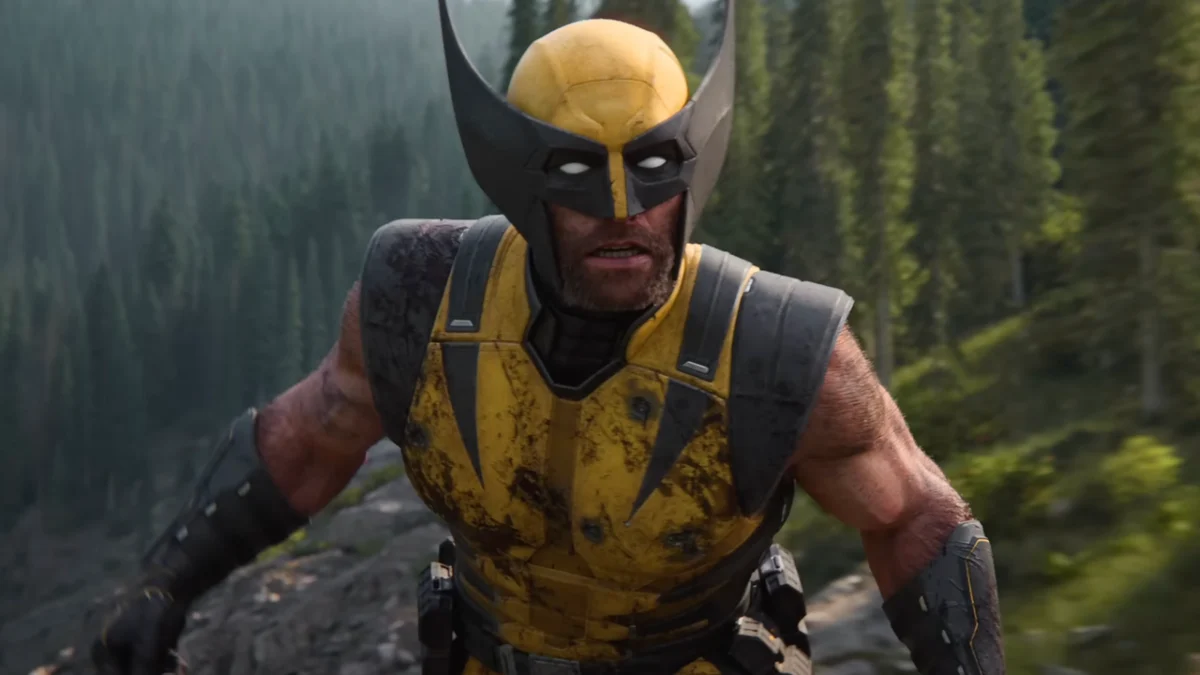
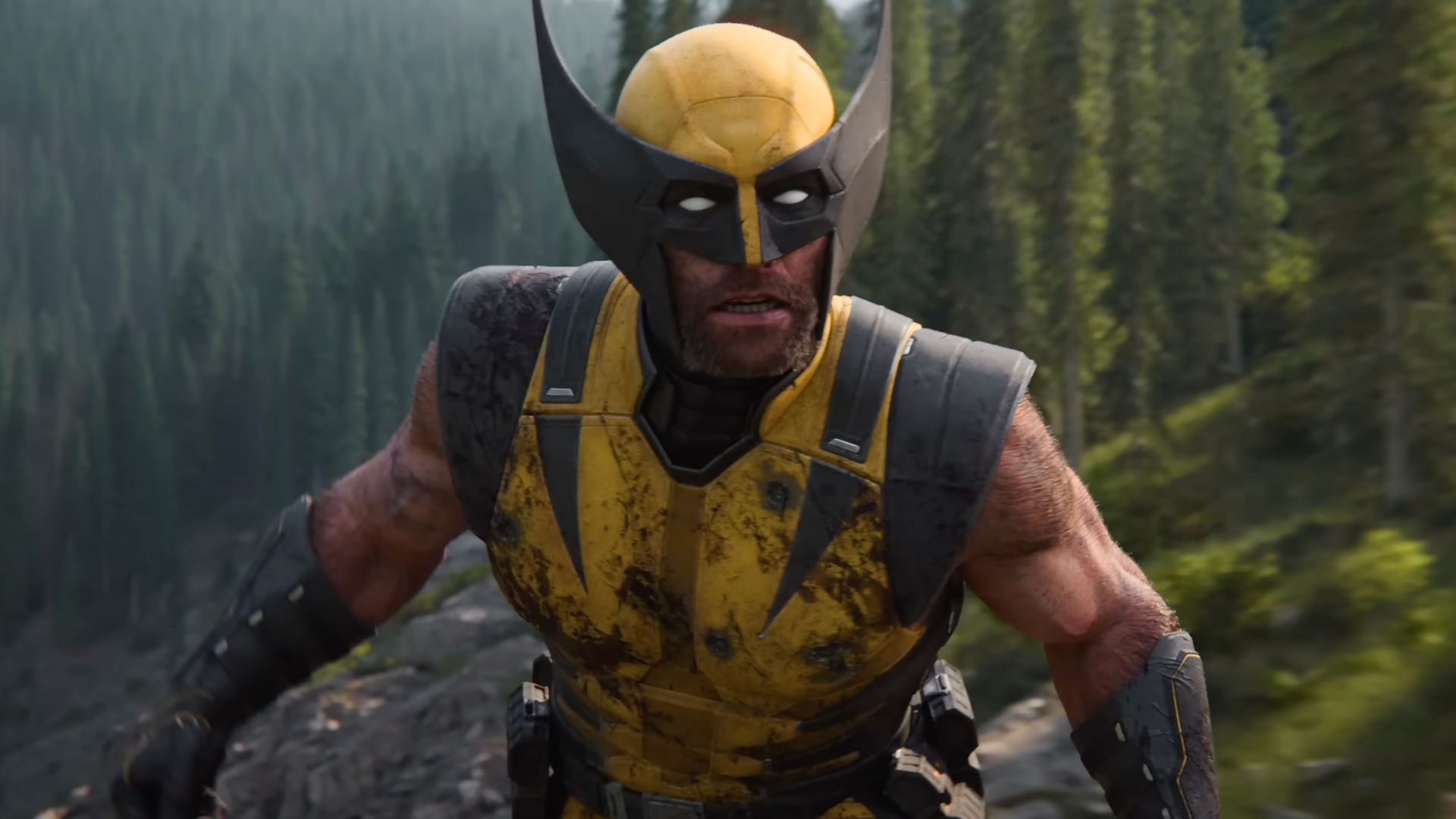
Despite the fervor surrounding trailers for highly anticipated titles like Marvel’s Wolverine, which often trigger massive online discussions about the importance of physical ownership, the actual purchasing habits of consumers tell a starkly different story. Industry analyst Mat Piscatella of Circana has provided data that serves as a sobering wake-up call for proponents of physical media.
According to Piscatella, for the week ending July 11, 2026, only two PlayStation video games managed to sell more than 10,000 physical units in the United States. Zooming out to a year-to-date perspective, only seven PlayStation titles have surpassed the 100,000 physical unit mark. These figures encompass the entire library across all PlayStation platforms and publishers.
While titles like EA Sports FC 26, Resident Evil: Requiem, and 007: First Light have maintained a physical footprint—with Requiem notably seeing 27.8% of its 3.5 million copies sold in disc format—these percentages are increasingly becoming the exception rather than the rule. The data suggests that while a core group of collectors and purists remain, the overwhelming majority of the gaming public has migrated to the convenience of digital storefronts.
A Chronology of the Decline
The trajectory toward a digital-only future has been visible for over a decade. In 2009, US consumer spending on physical games reached a peak of $11.5 billion. By 2026, that figure had plummeted to just $1.6 billion. This "sleigh ride downhill," as it has been described, represents an 86% decrease in physical spending over a 17-year period.
Key Milestones in the Digital Transition:
- 2009–2015: The rise of digital distribution platforms like the PlayStation Store and Steam begins to normalize "day-one" digital downloads.
- 2020: The release of the PlayStation 5, which offered a Digital Edition console, signaled Sony’s intent to cater to a demographic that no longer required an optical drive.
- 2024–2025: Market analysts begin to report that over 50% of Xbox Series consoles and more than 25% of PS5 consoles in circulation lack a physical disc drive entirely.
- 2026: Sony announces the cessation of physical disc production for new games, set for 2028, effectively putting a countdown timer on the legacy of the physical medium.
The Financial Implications for Sony and Publishers
For Sony, the move away from physical media is a strategic alignment with market demand. Maintaining a global supply chain for physical discs—manufacturing, shipping, warehousing, and retail distribution—is an incredibly expensive endeavor. As consumer preference shifts toward digital, the margins on physical sales shrink, making it increasingly difficult to justify the overhead.
Piscatella’s analysis highlights that the "Billion" in revenue generated by physical sales is still significant, but it represents a diminishing share of the total gaming economy. For a company like Sony, moving to an all-digital model eliminates the logistical friction of retail, allows for more aggressive price adjustments, and creates a closed ecosystem where the company maintains total control over the software lifecycle.
Beyond the Console: The "Experience" Economy
This shift is not contained solely within the realm of console gaming. The trend toward digital-first consumption is bleeding into other Sony-owned sectors. For instance, Crunchyroll recently implemented a policy requiring a $14 monthly subscription to access specific store "experiences." This indicates a broader corporate strategy: transitioning users from one-time "owners" of physical goods into long-term subscribers of digital services.
This "subscription-first" model is the logical conclusion of the digital pivot. When physical goods are removed from the equation, the power dynamic shifts entirely from the consumer to the publisher. Players no longer "buy" a game; they purchase a license to access content, which can be updated, modified, or restricted at the discretion of the platform holder.
The "Commentary Gap"
Perhaps the most significant takeaway from the current climate is what Mat Piscatella calls the "commentary gap." While there are often thousands of comments on social media platforms decrying the death of physical media, those sentiments rarely translate into the physical sales required to keep the format commercially viable.
"Commenting is cool, use your voice and all that," Piscatella noted on Bluesky. "But commenting is cheap."
The harsh truth for those advocating for the survival of the disc is that the industry relies on capital, not conversation. Unless the millions of voices expressing support for physical media choose to purchase physical editions at a rate that reverses the current downward trend, the market will continue to prioritize digital distribution.
The Future: A Digital-First Landscape
As we approach 2028, the industry is entering a state of finality. The hardware we buy is becoming increasingly modular or entirely digital, and the software we play is becoming increasingly tethered to the cloud. While the nostalgia for the tactile experience of browsing a shelf of games is understandable, the economic data points to a future where physical media is a niche hobby, similar to vinyl records in the music industry.
For Sony, the goal is efficiency and total integration. For the consumer, it is a trade-off: trading the tangible security of a physical disc for the convenience and accessibility of instant, cloud-based gaming. As the countdown to 2028 continues, the debate over physical versus digital is likely to move from a contentious industry battle to a footnote in gaming history, marking the end of an era where a game could be held in the palm of one’s hand.
Ultimately, the market has already spoken. The question is no longer whether physical media will disappear, but how the industry will adapt to a world where the "ownership" of our digital libraries is more fragile than ever.

