

The United Kingdom stands at a precarious political crossroads. With the resignation of the incumbent Labour Prime Minister, the nation is bracing for a new administration. As the political establishment whispers about the potential ascent of former Manchester Mayor Andy Burnham, a peculiar anxiety has taken root among the British elite. They fear a shift toward "war communism," a radical pivot that many view as an existential threat to the status quo.
But what does a hyper-Bolshevist regime actually look like in the context of 21st-century Britain? To answer this, we turned to Democracy 4, the acclaimed political simulation game by Positech Games, to run a rigorous, data-driven stress test of a radical premiership. By inputting real-world economic data and social variables, we have plotted the trajectory of a government that chooses not to compromise, but to overhaul.
The Parameters: Defining the State of the Nation
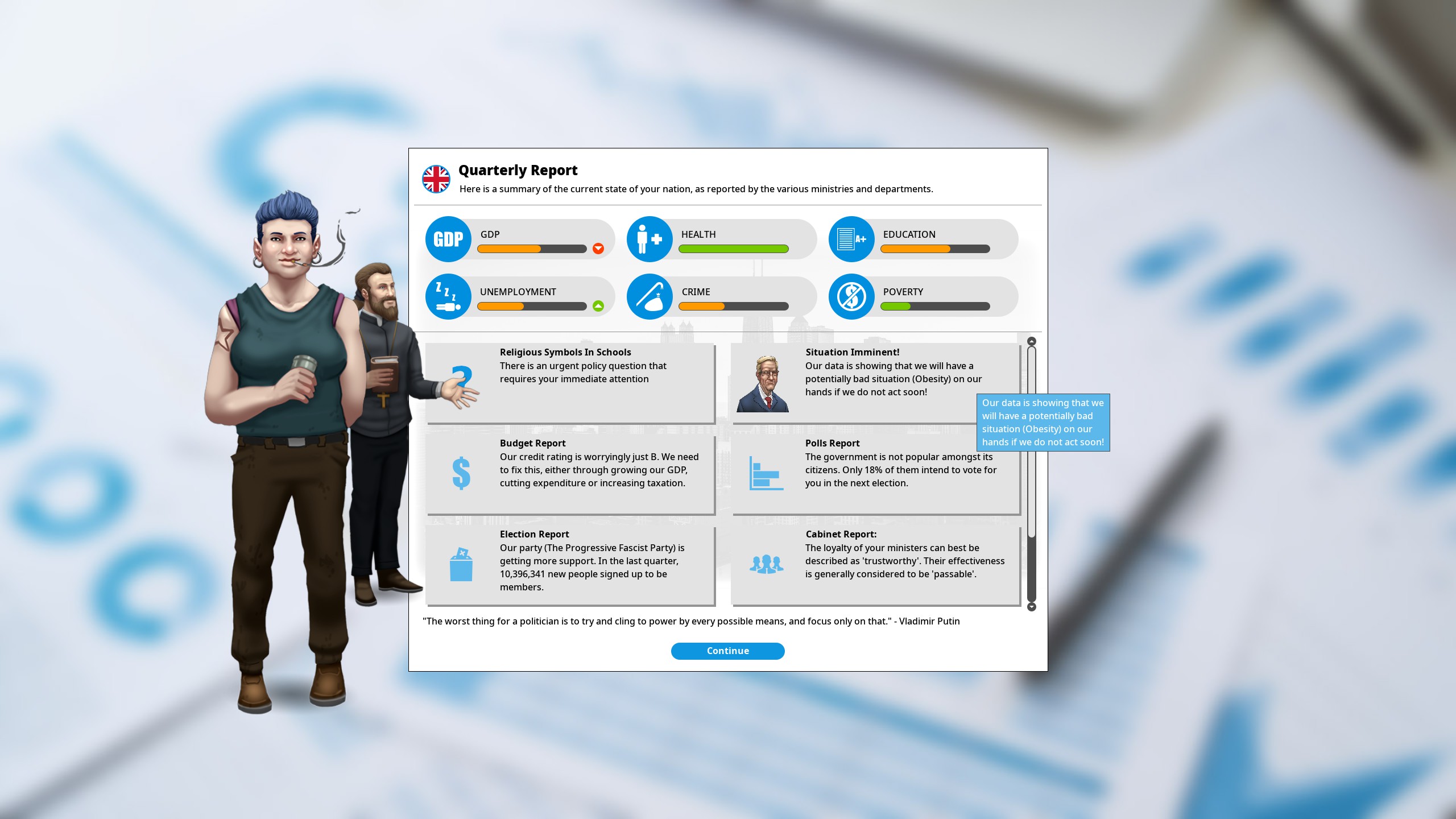
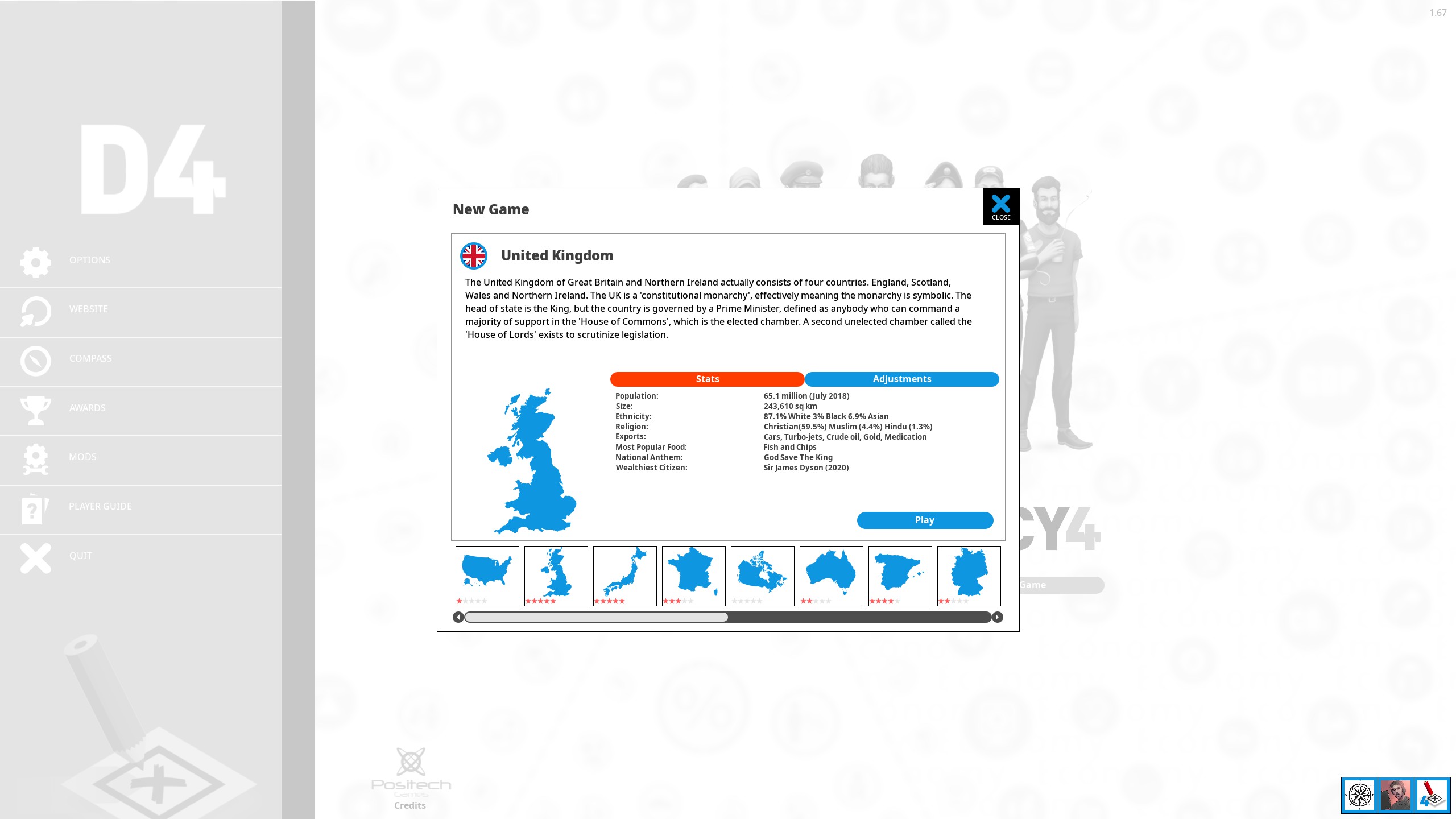
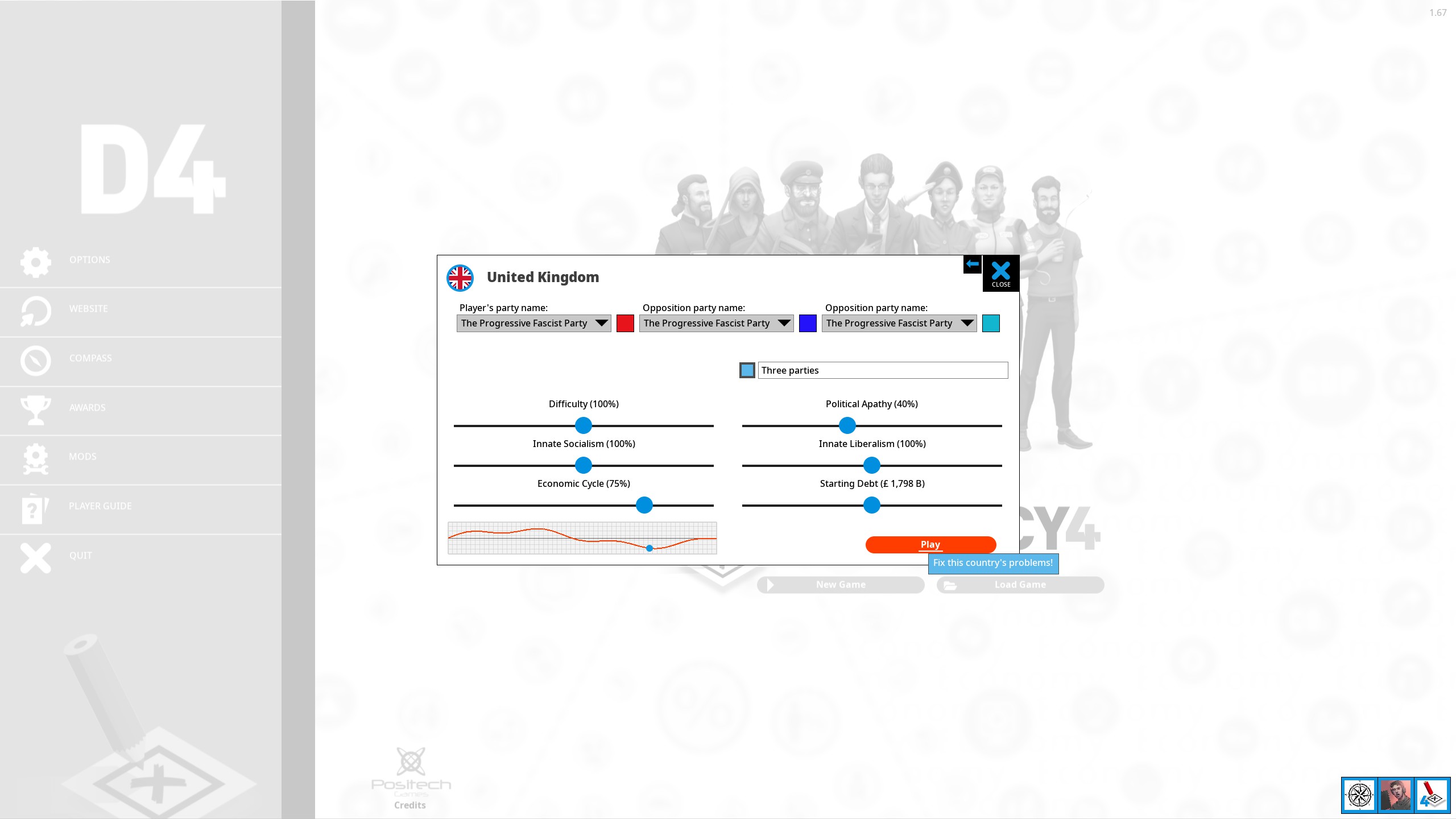
To ensure the simulation reflected reality, we calibrated the game’s internal engine to mirror the current state of the United Kingdom. Per recent YouGov polling, the British public identifies as approximately 15% liberal-leaning and 3% socialist-leaning; these figures were integrated into the simulation’s ideological framework.
Furthermore, we addressed the elephant in the room: the national debt. Currently hovering around £3 trillion—a figure often treated as a nebulous, ever-expanding metric in Treasury circles—this was locked in as our starting point. However, to capture the true, chaotic spirit of British political discourse, we applied a satirical "soul" to the simulation: every major political party was renamed "The Progressive Fascist Party," distinguished only by the color of their campaign rosettes. This provided the perfect crucible for testing whether a radical platform could survive the cold, calculating machinery of a modern democracy.
Chronology of a Radical Premiership
Phase I: The Great Dismantling
Upon taking office, the goal was simple: aggressive economic restructuring. We ignored the game’s standard cabinet management system—which emphasizes a balance of loyalty and competence—in favor of a team composed entirely of ideological loyalists.
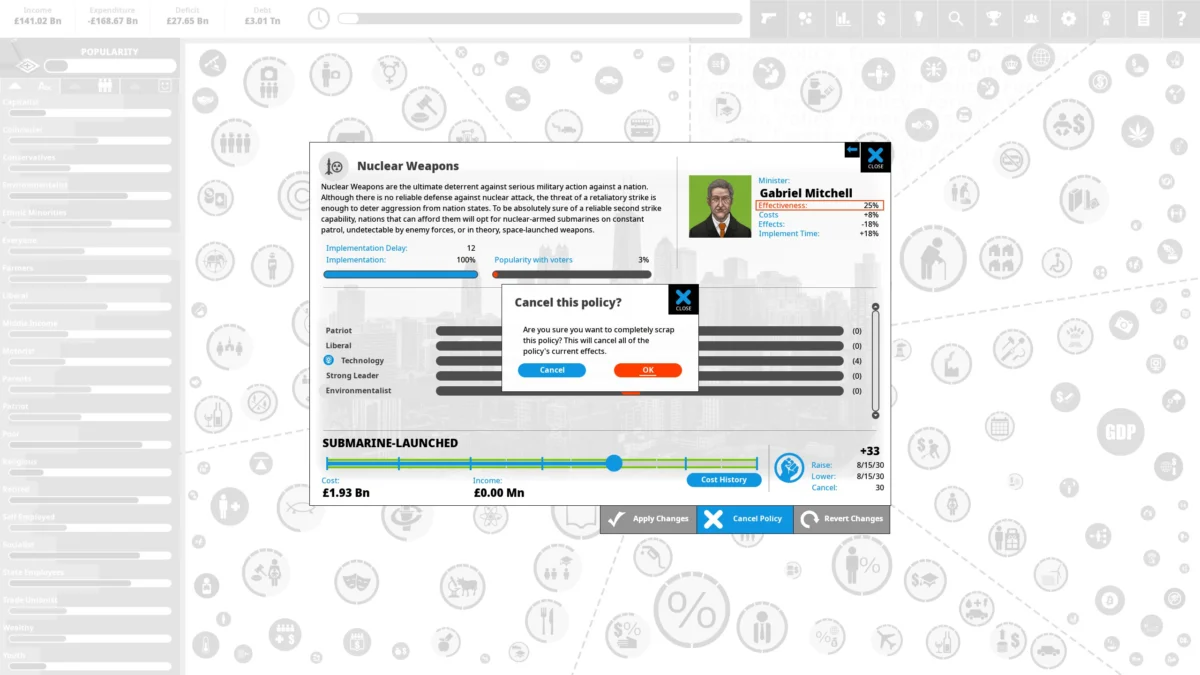
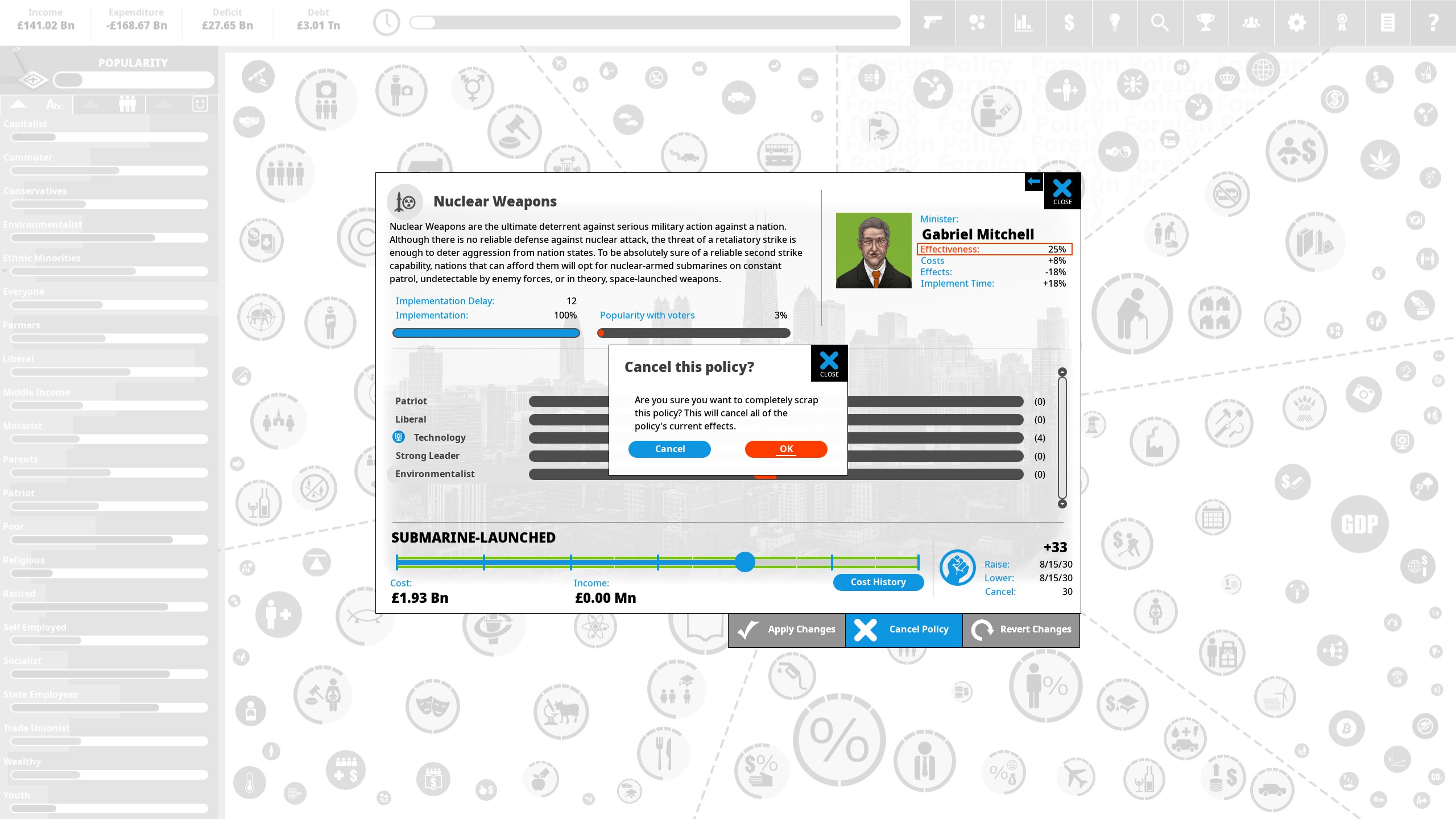
The first legislative wave was designed to shatter the existing power structures. The UK’s nuclear arsenal was immediately decommissioned, a move that sent shockwaves through the military-industrial complex. Simultaneously, corporation tax was hiked, capital gains taxes were aggressively enforced, and the City of London found itself under the scrutiny of a government that viewed the wealthy as the primary source of revenue for its ambitious social programs.
Phase II: The Backlash and the Crisis
The response from international capital was swift and merciless. The UK credit rating, once a symbol of fiscal stability, plummeted from AAA to C. The markets reacted with predictable volatility, and international rivals began probing our newly softened national defenses.
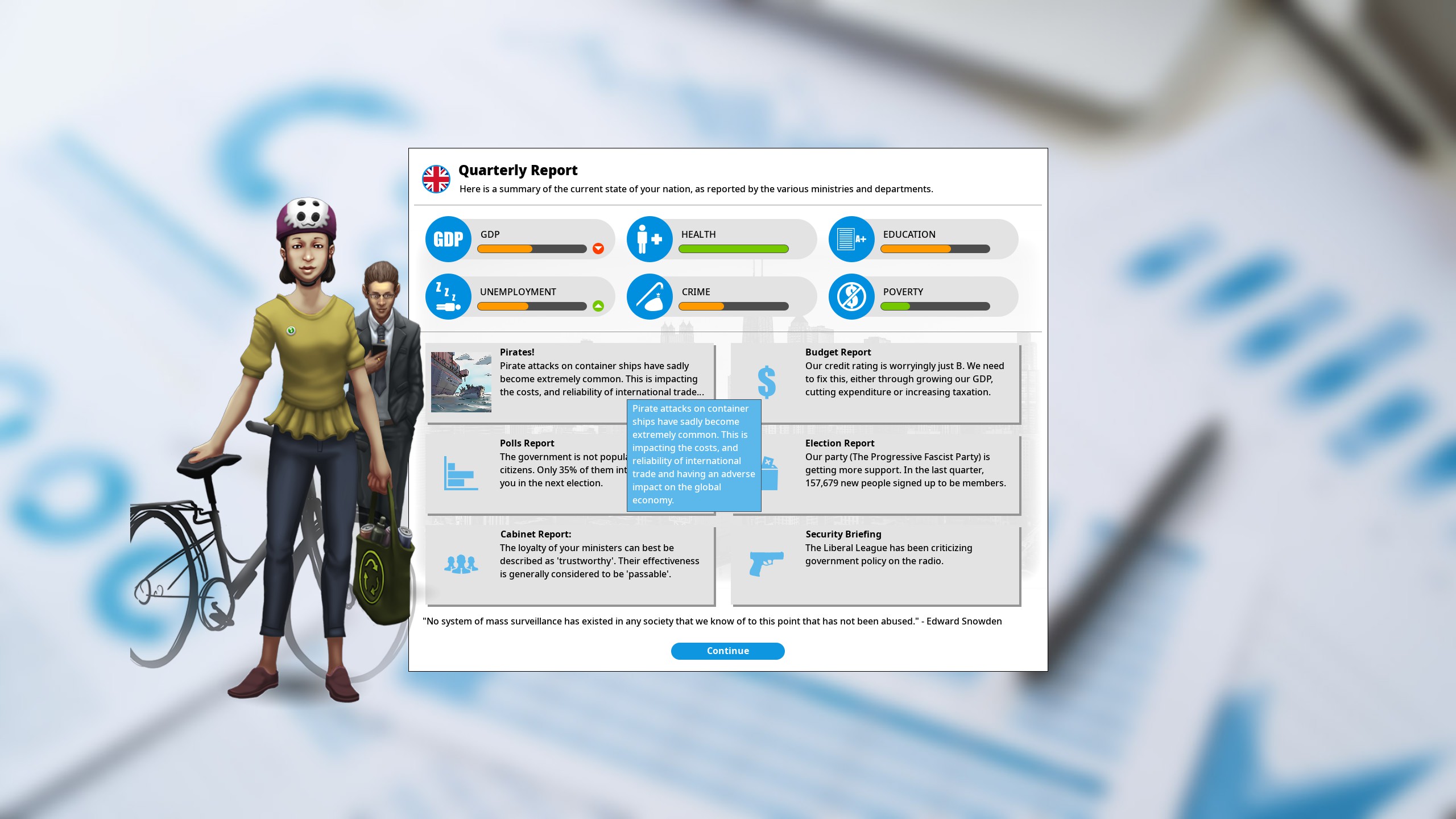
As the economy teetered, the simulation began to manifest the consequences of radical isolationism. Argentina asserted claims over the Falklands, and foreign naval vessels began encroaching on British territorial waters. In a bizarre turn of events, the simulation even generated piracy events—a testament to the unintended consequences of abandoning globalist economic policies.
Phase III: The Double-Down
Faced with falling approval ratings and a ballooning deficit, the administration took a page from the most radical political playbooks: instead of retreating, it accelerated. We implemented "City Farms"—state-run collectives designed to ensure food security—and banned cryptocurrency to consolidate control over the monetary supply. We also introduced heavy taxes on companies utilizing AI, essentially betting the future of the nation on human labor and state-managed resources.
Supporting Data: Economic and Social Indicators
The simulation yielded surprising, if unorthodox, results. By middle-management of the term, inflation had spiraled, and expenditure far outpaced income. However, the turning point occurred with the legalization of the right to die—a policy that triggered a massive, paradoxical surge in popularity.
The subsequent declaration of a state of emergency, brought on by the economic crisis, ironically provided the executive branch with unprecedented power. We utilized this "emergency capital" to nationalize the postal service, the airline industry, and the NHS, turning the latter into a state-of-the-art engine for public health. By the time the next election cycle arrived, the administration had successfully navigated the turbulence by leaning into extreme state interventionism.
Official Responses and Political Implications
The real-world implications of this simulation are striking. While the game presents a cartoonish version of political extremism, it highlights a fundamental truth about modern governance: the disconnect between technocratic management and public sentiment.
In our simulation, despite a collapsing credit rating and the looming threat of foreign intervention, the administration secured a landslide victory. We achieved 44.7% of the vote, with 70% of our core base turning out to support the radical agenda. This result challenges the conventional wisdom that fiscal responsibility is the sole determinant of electoral success.
Critics of such an approach argue that the cost is too high—that the "duffel bags of cash" required to buy bread are a sign of systemic failure. Supporters, however, point to the stability of the polling data as evidence that the public is more responsive to bold, egalitarian shifts than to the incrementalism of traditional parties.
Conclusion: The Path Forward
The simulation suggests that a radical shift in the UK’s governance is not only possible but potentially resilient, provided the administration can retain the loyalty of its base and navigate the initial crises of capital flight. Whether this translates to the real-world political landscape remains to be seen.
As Britain awaits its next chapter, the lessons from this digital experiment are clear: the electorate is tired of the status quo. Whether through moderate reform or the "Red Dawn" approach tested here, the demand for change is palpable. As the game concludes, the lesson for any prospective Prime Minister is simple: you can either govern with the fear of the markets, or you can govern with the fervor of the people.
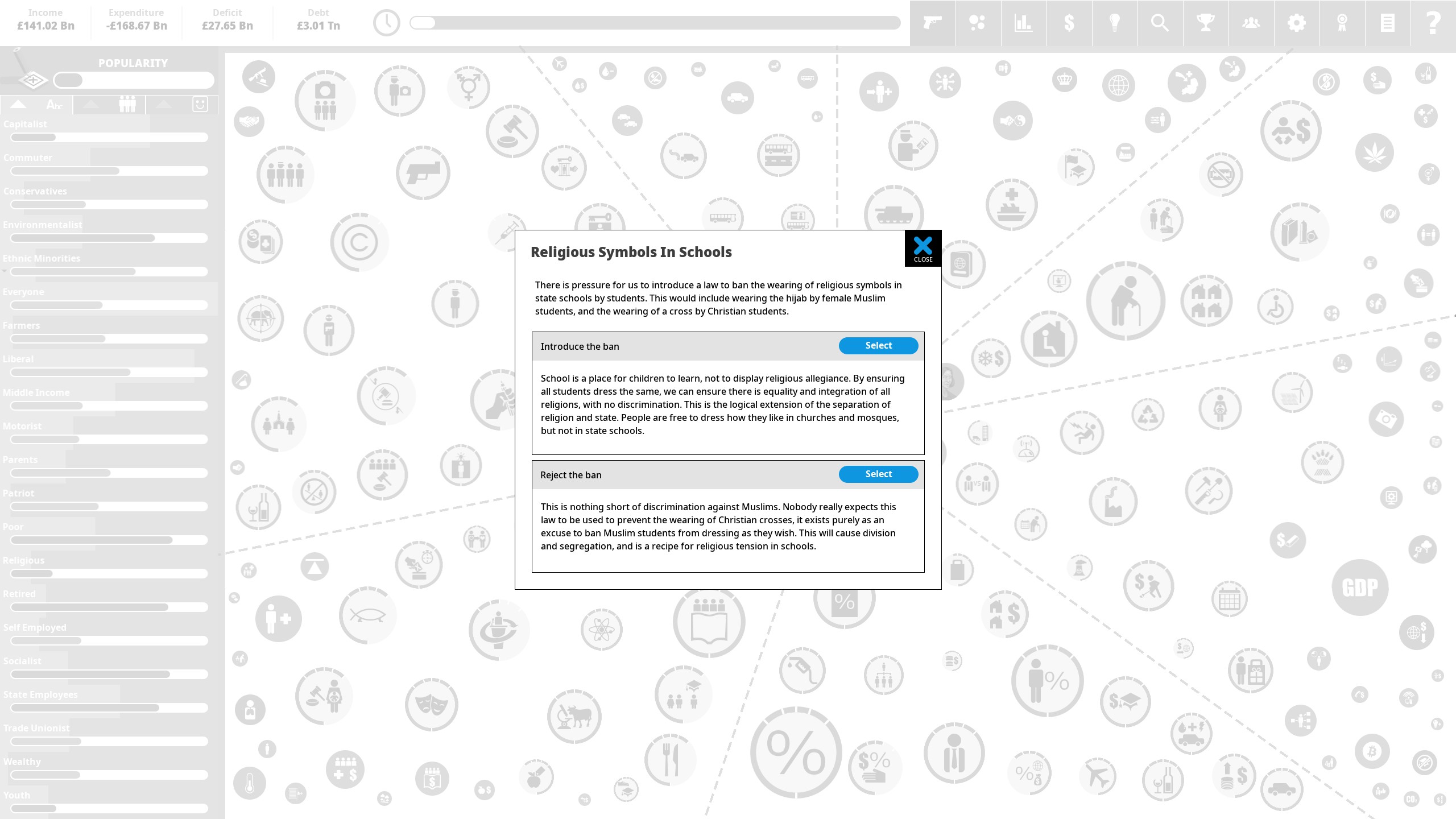
The simulation has spoken. Mr. Burnham, the phone is ringing.

