

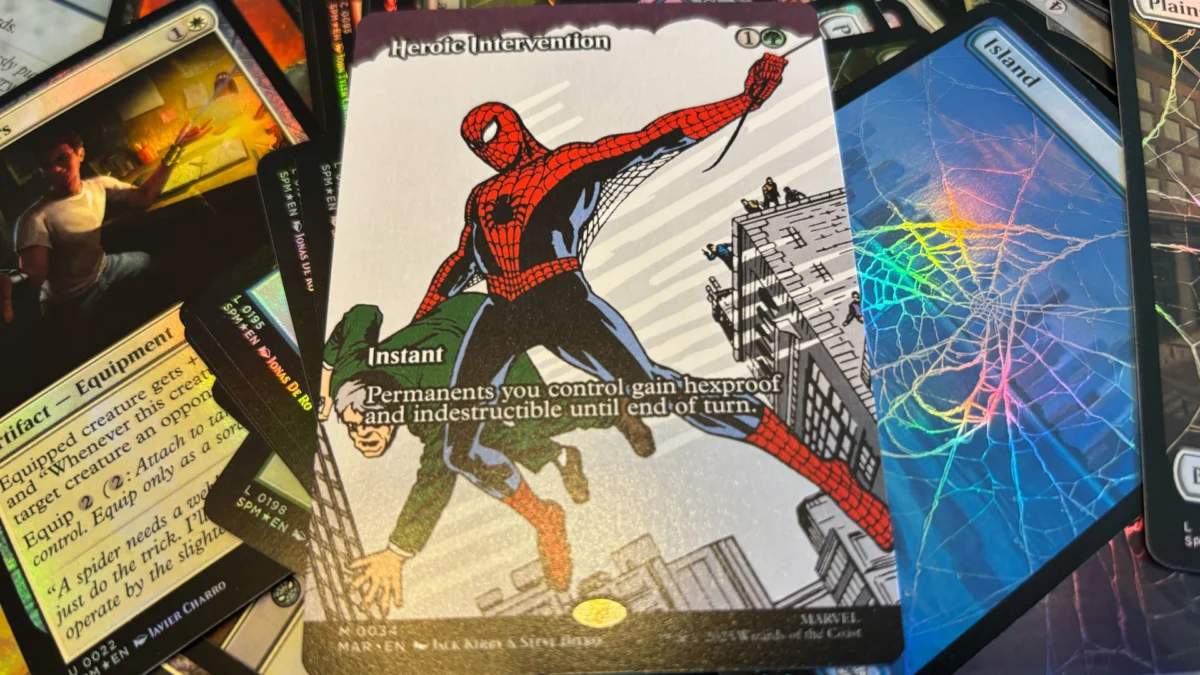
For over three decades, Magic: The Gathering (MTG) was defined by its own internal logic—a sprawling, intricate multiverse of planes, planeswalkers, and high-fantasy lore. However, in recent years, the foundation of this card game has shifted dramatically. The introduction of "Universes Beyond"—a branding initiative that brings external intellectual properties (IPs) like The Lord of the Rings, Star Trek, and Marvel into the game—has sparked a civil war within the player base.
This tension reached a boiling point recently when head designer Mark Rosewater, the de facto face of the game, offered a blunt ultimatum to disgruntled fans: adapt to the changing landscape, find a niche community, or stop playing.
The Evolution of the Multiverse
To understand the current friction, one must look at the evolution of Magic. For most of its history, the game’s aesthetic was strictly curated. A player could expect to see knights, dragons, and sorcerers within a cohesive visual language. While the game occasionally flirted with external concepts, it remained a self-contained ecosystem.
The shift began in earnest with the introduction of the Warhammer 40,000 Commander decks, followed by the massive commercial success of The Lord of the Rings: Tales of Middle-earth. Suddenly, the barrier between Magic and the rest of pop culture was obliterated. The "Universes Beyond" label became a permanent fixture on the release calendar, promising that crossovers were no longer experimental side-projects, but a core pillar of the brand.
Chronology of a Corporate Pivot
The timeline of this transition illustrates a rapid acceleration of strategy:
- Pre-2020: Occasional, limited-run cards that were not legal in most competitive formats.
- 2022: Warhammer 40,000 Commander decks signal a shift toward "borderline" integration, where external IPs received full, highly competitive deck releases.
- 2023: The Lord of the Rings: Tales of Middle-earth becomes one of the best-selling sets in the game’s history, proving that crossover content has massive mainstream appeal.
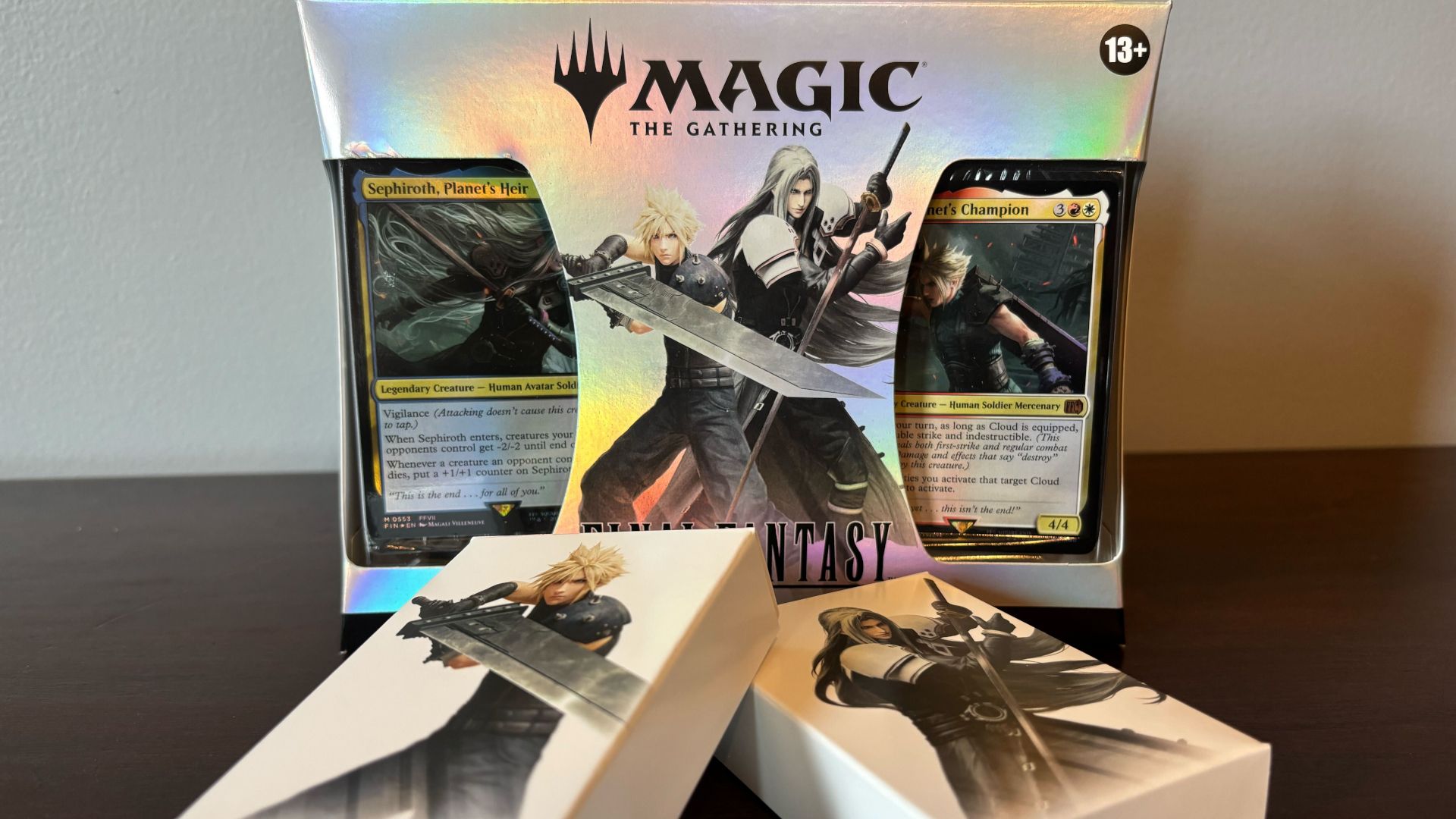
- 2024-2025: A flurry of announcements, including Final Fantasy, Spider-Man, Teenage Mutant Ninja Turtles, Avatar: The Last Airbender, and Star Trek.
- The Present: Wizards of the Coast officially pivots to a strategy where approximately 50% of annual product releases contain crossover elements.
Official Stance: The "Toothpaste" Analogy
In a candid exchange on Tumblr, Mark Rosewater addressed a fan who expressed deep-seated frustration with the dilution of the Magic aesthetic. Rosewater’s response was characteristically honest, albeit polarizing. He drew a parallel to the rise of the Commander format—a fan-created style of play that eventually took over the game’s design philosophy.
"None of these paths is inherently easy," Rosewater wrote, acknowledging the pain felt by purists. However, he delivered a stark warning: "Once the toothpaste is out of the tube, it’s just not going back in. Whether you like or dislike Universes Beyond, it has fundamentally changed the nature of what the game is."
Rosewater’s argument is rooted in the success of the initiative. By expanding the game to include Marvel and Star Trek, Wizards of the Coast is successfully capturing demographics that may have never touched a TCG before. To the company, the "flavor" concerns of legacy players are secondary to the massive influx of new capital and player participation.
The Player Backlash: Format Integrity
The central argument from the dissenters, which has been echoed across Reddit and various community forums, is not necessarily about the quality of the cards, but the "forced" nature of their inclusion.
As many players have pointed out, there is a fundamental difference between a new game mode—like Commander—and the total invasion of the game’s canon. A player who dislikes Commander can simply choose to play 60-card formats. However, because Universes Beyond cards are "black-bordered" and legal in competitive formats like Modern and Legacy, they are unavoidable.
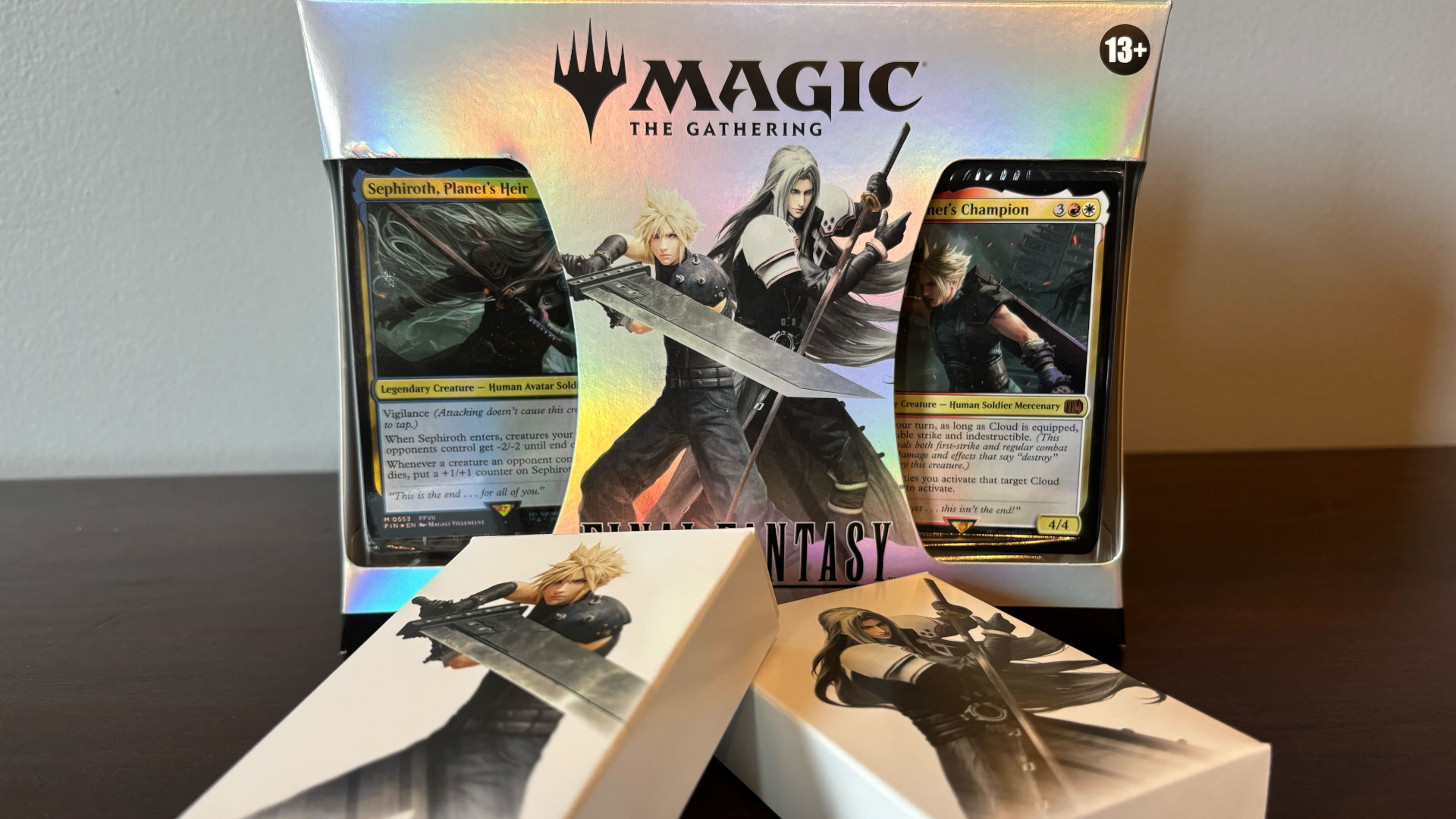
"The issue is that it really is unavoidable at every level of Magic," noted one prominent community voice. For many, the immersion is broken when a card depicting Captain James T. Kirk enters the battlefield alongside a traditional Magic dragon. While the design teams put significant effort into ensuring these cards play well, the thematic "clash" creates a jarring experience that many long-term fans find difficult to reconcile.
Supporting Data: By the Numbers
The sheer volume of external IPs entering the ecosystem is unprecedented. As of late 2024, the list of major crossovers includes:
- The Lord of the Rings
- Warhammer 40,000
- Doctor Who
- Fallout
- Assassin’s Creed
- Final Fantasy
- Marvel Super Heroes
- Spider-Man
- Star Trek
- Teenage Mutant Ninja Turtles
- Avatar: The Last Airbender
When Secret Lair drops (specialty one-off products) are added, the number of distinct IPs crossing over with Magic climbs into the dozens. This volume represents a 50/50 split with traditional, in-house Magic sets. For a game that spent 30 years building a self-referential lore, this is an existential transformation.
Implications for the Future
The long-term implications of this shift are twofold: one commercial, one cultural.
Commercial Success vs. Brand Identity
Commercially, the strategy is a resounding success. The influx of new players, the diversification of the product, and the ability to tap into massive global franchises has likely secured the financial health of the game for the next decade. Shareholders and executives at Hasbro (the parent company of Wizards of the Coast) view these crossover sets as the primary engine for growth.
The "Purist" Exodus
Culturally, however, the risk is real. By telling veteran players that they must either accept the status quo or leave, the company is actively distancing itself from its core historical base. While many will choose to adapt, a subset of the community will inevitably "walk away." The question for Wizards of the Coast is whether the new players gained through these crossovers will stay as long as the players who have been invested in the Magic lore for decades.
A New Era of Tabletop Gaming
The debate surrounding Universes Beyond is, at its core, a debate about the soul of a game. Is Magic: The Gathering a unique, self-contained fantasy world, or is it a platform for any intellectual property that can be adapted into card form?
Mark Rosewater’s message is clear: the platform model has won. The genie is out of the bottle, and the game is being redesigned to cater to a broader, more fragmented audience. For those who find the inclusion of Spider-Man or Star Trek antithetical to the game they once loved, the path forward is indeed narrow.
As the industry watches this experiment unfold, one thing is certain: the era of the "purity" of the Magic multiverse is over. In its place is a sprawling, chaotic, and highly profitable "multiverse of madness" that shows no signs of slowing down. Whether this makes the game better or worse is a subjective question, but one that will be debated at kitchen tables and tournament halls for years to come.
The game is changing. The only choice left for the players is whether to pick up the deck and play along, or to set the cards down for good.

