

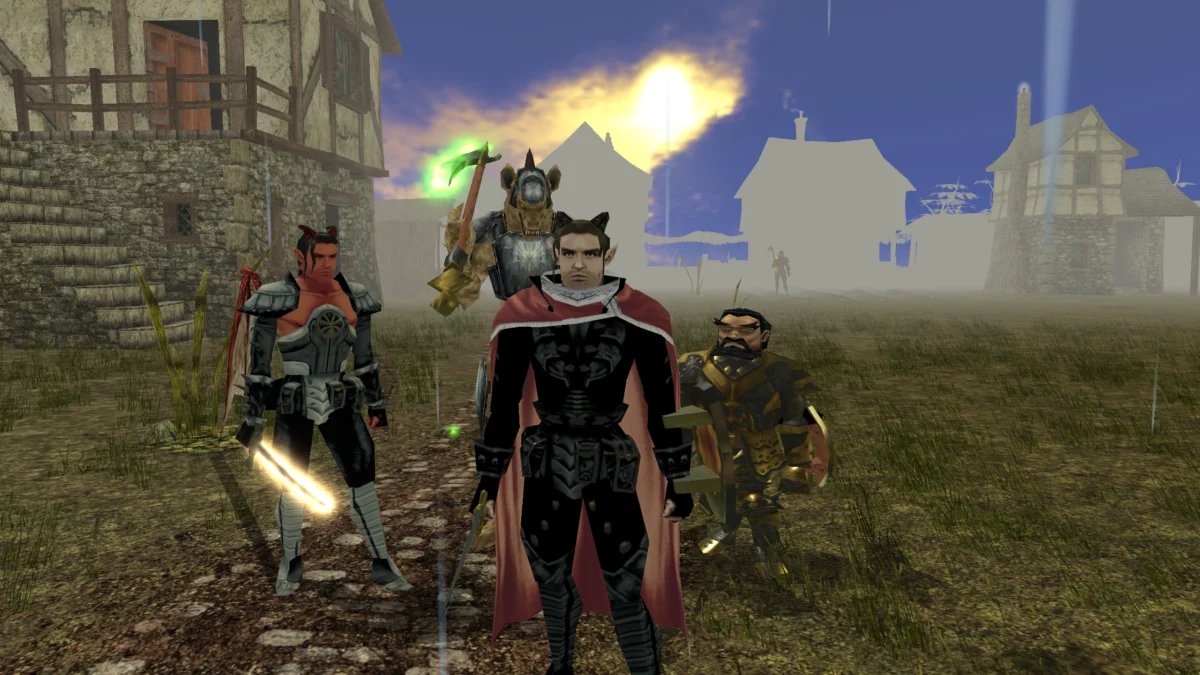
In the vast, sprawling ecosystem of CRPG modding, few projects command the reverence and sheer awe reserved for Swordflight. For those who cut their teeth on BioWare’s 2002 Dungeons & Dragons opus, Neverwinter Nights (NwN), Swordflight feels less like a fan-made modification and more like a long-lost, hardcore official expansion—a "forbidden bootleg" of the greatest D&D campaign never published by the studio.
Since 2008, a single developer known as Rogueknight333 has been meticulously constructing this multi-part saga. It stands as a testament to the enduring power of the Aurora Toolset, transforming an aging engine into a canvas for one of the most punishing, deeply reactive, and mechanically sophisticated RPG experiences currently available.
The Genesis of a Modding Titan
Neverwinter Nights occupies an interesting space in gaming history. Viewed by many as the "awkward middle child" between the narrative depth of Baldur’s Gate 2 and the cinematic flair of Knights of the Old Republic, it was nonetheless built on a foundation of unprecedented freedom. The Aurora Toolset provided players with the keys to the kingdom, allowing for a democratization of game design that sparked a golden age of user-created content.
While many mods are relegated to the status of curiosities, the best of the community—projects like the Aielund Saga or the Alazander modules—rivaled full-priced retail games in scope. Swordflight represents the pinnacle of this movement. Spanning chapters released from 2008 through 2022, with a finale currently in development, it is a "zero-to-hero" epic that demands a level of commitment rarely seen in modern gaming. Unlike modern titles that look to streamline the early-level experience to get players to their "power fantasy" faster, Swordflight leans into the grit of low-level D&D.
Chronology and Scope: A Decade-Spanning Journey
The brilliance of Swordflight lies in its pacing. Most RPG designers fear the "doldrums" of levels 1–3, where characters frequently miss their attacks and are one bad roll away from a total party wipe. Rogueknight333, however, embraces these limitations.
- 2008: The debut of the first Swordflight module. It introduced players to a world where a 10-hour campaign could conclude with the protagonist barely reaching level five.
- 2010s: The continued expansion of the world. Each subsequent chapter deepened the lore, refined the encounter design, and increased the mechanical density of the game.
- 2022: The most recent chapter release, showcasing the maturity of the project’s systems.
- Ongoing: The final chapter remains in production, promising to conclude a narrative that has spanned nearly two decades of development.
This is a rare feat in the industry. It captures the elusive feeling of a long-term tabletop campaign—where your character grows over years, not just hours—a feeling that even massive, 100-hour titles like Pathfinder: Wrath of the Righteous struggle to replicate with the same sense of continuity.
Mechanical Depth and the "Outsider Art" Aesthetic
Swordflight is arguably "outsider art" in the CRPG space. It reflects the highly specific, sometimes rigid, ethical standards of its creator. One of the most striking design choices is the restrictive approach to resting. In the base Neverwinter Nights, players can often retreat to safety to recover all health and spells with little consequence.
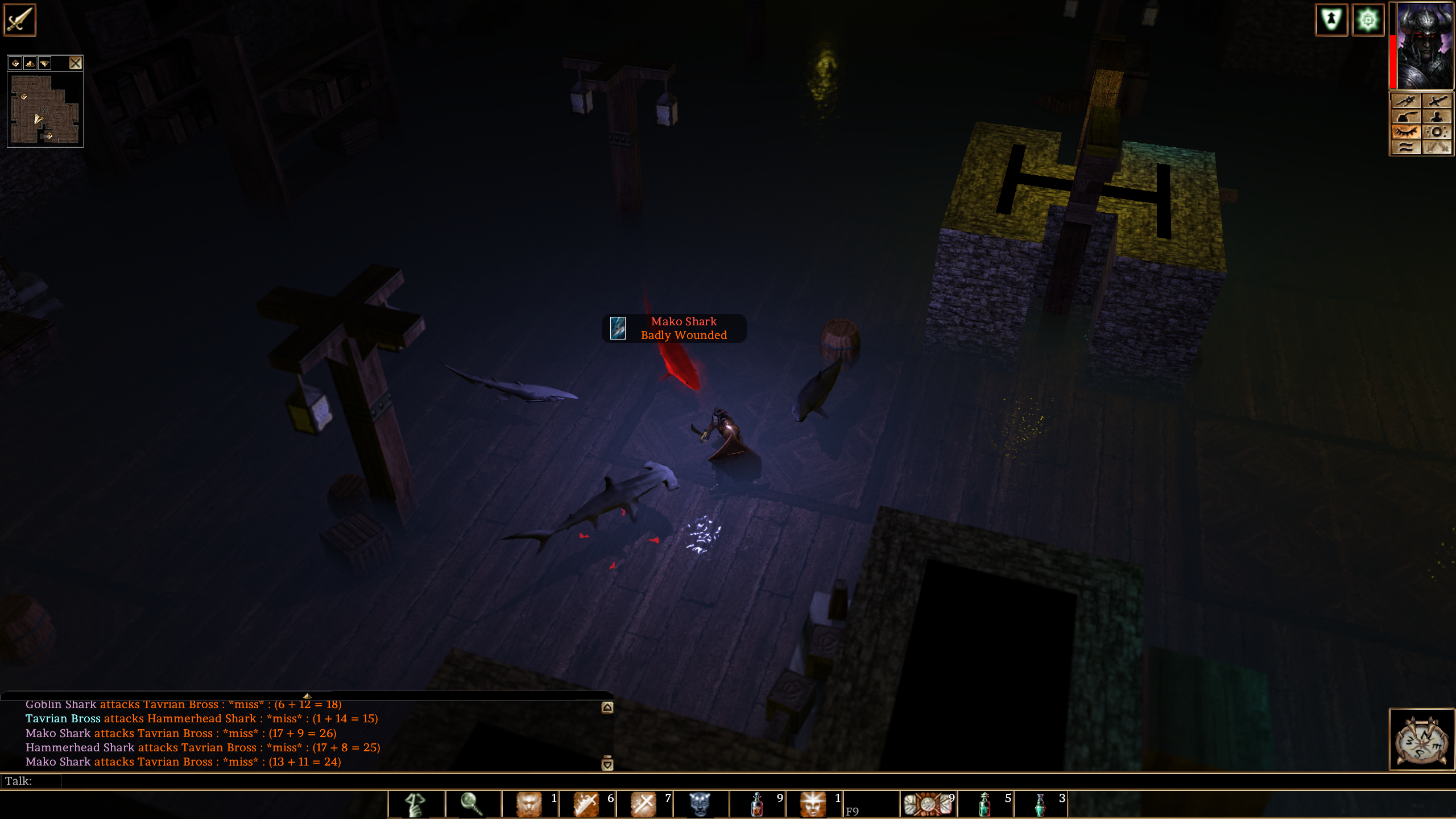
In Swordflight, resting is a high-stakes, logistical puzzle. It is often restricted to specific, secure locations, turning every dungeon crawl into a tense expedition. You must manage your resources—potions, scrolls, and limited spell slots—with the precision of a military commander. This shift transforms Neverwinter Nights from a hack-and-slash experience into a game about planning, positioning, and tactical survival.
Furthermore, the game demands high-level buildcrafting. With 11 base classes and 12 prestige classes available in the Neverwinter Nights framework, the potential for "reroll-itis" is extreme. Players are encouraged to create characters capable of utilizing every tool in the box, favoring a "jack-of-all-trades" approach that can handle the game’s brutal, unforgiving combat encounters.
Narrative Reactivity: More Than Just Choice
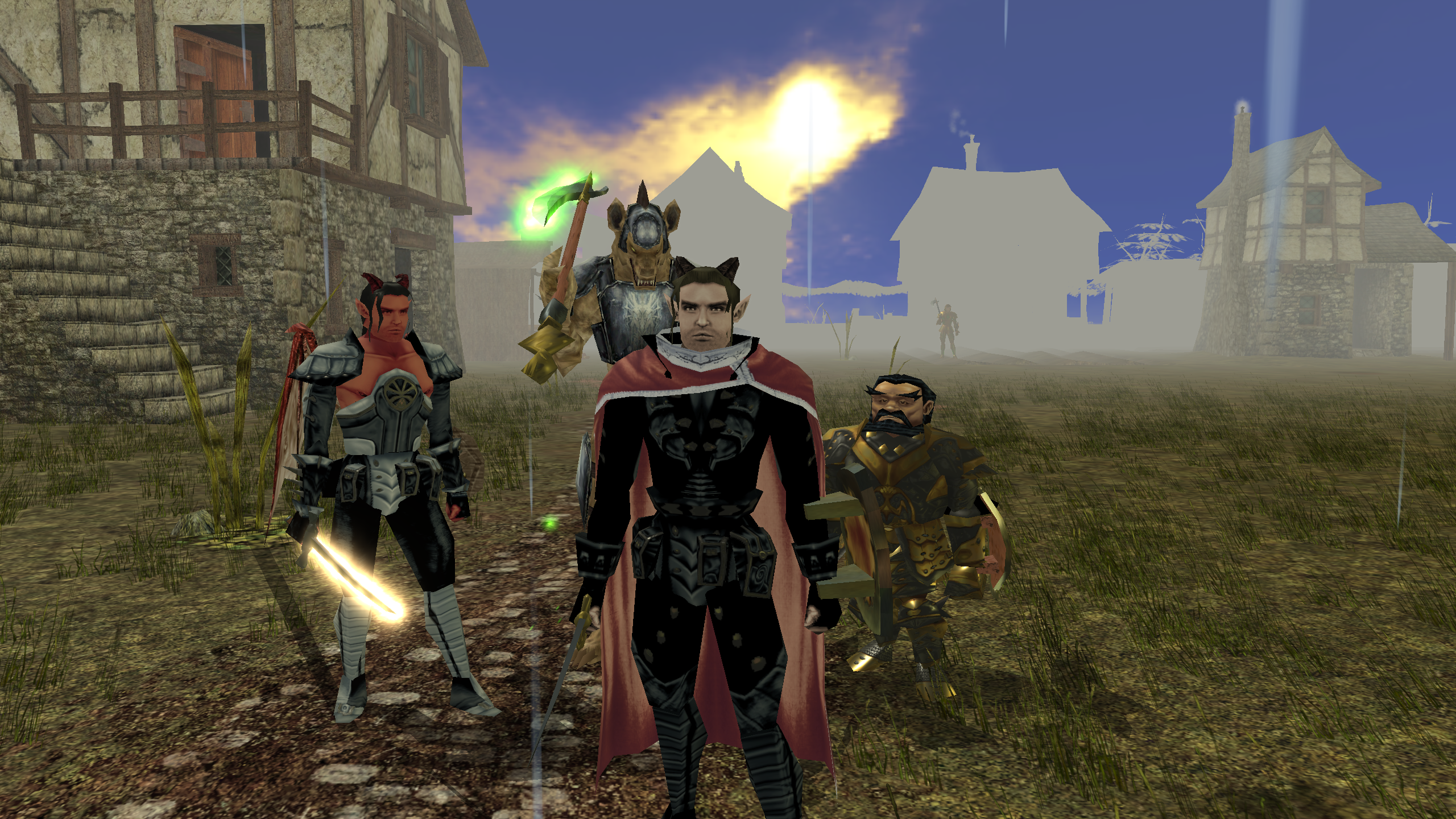
Beyond the combat, Swordflight is a masterclass in reactivity. The mod tracks your character’s race, class, alignment, and even minor history with a level of detail that shames many AAA RPGs.
In the starting region of the first chapter, NPCs react to your character’s background constantly. There is a distinct sense that your identity matters, and that the world is pushing back against you. This extends to the game’s moral system. The author’s specific take on ethics—where stealing, even from an owned chest, or killing wild animals triggers alignment shifts—creates a fascinating, sometimes frustrating, "conversation" with the player.
You aren’t just playing a hero; you are navigating a moral code that you might not agree with. This friction is where the roleplaying happens. It forces the player to justify their actions within the context of the game’s world, making the choice of "Chaotic Evil" or "Lawful Good" feel like a weight on your shoulders rather than a simple menu selection.
Implications for the Future of CRPGs
The existence of Swordflight raises an important question for the industry: Why are such deep, rewarding systems often ignored by professional studios? The answer may lie in the "streamlining" of the modern RPG, where accessibility is prioritized over depth.
Swordflight proves that there is a hunger for high-difficulty, high-consequence RPGs that treat the player’s intelligence and patience with respect. It takes a non-professional designer—someone unburdened by market research, player retention metrics, or the need to appeal to the widest possible audience—to tease out the hidden potential in the Neverwinter Nights engine.
The success of Swordflight also serves as a beacon for the longevity of PC gaming. The fact that an engine from 2002 can still host a thriving, high-quality modding scene is a testament to the community-driven nature of the hobby. With the Enhanced Edition of Neverwinter Nights making these modules more accessible than ever, the barrier to entry is lower than it has been in years.
Conclusion
Swordflight is not for the faint of heart. It is a demanding, sprawling, and sometimes punishing journey that requires a player’s full attention and, occasionally, their frustration. Yet, it is precisely this uncompromising nature that makes it a masterpiece.
Whether you are a veteran of the original Neverwinter Nights looking for a reason to return, or a newcomer curious about what the D&D 3E ruleset is truly capable of when pushed to its limits, Swordflight is essential. It is a reminder that the best stories are often told in the margins, and that the most rewarding gaming experiences are those that refuse to hold your hand.
For those ready to undertake the journey, the Neverwinter Vault remains the gateway to this monumental achievement. Rogueknight333 has created something that transcends the limitations of its age, crafting a legacy that will likely outlive the very game that birthed it.

