

In a rare and candid reflection on the creative machinery driving the world’s most iconic video game company, Shigeru Miyamoto—the legendary creator of Super Mario, The Legend of Zelda, and Pikmin—has signaled a strategic shift in how Nintendo approaches character creation. Speaking in a comprehensive interview with the Japanese publication Famitsu, Miyamoto revealed that while Nintendo is increasingly focused on the necessity of "proactive" character development, the company remains tethered to a philosophy of extreme caution.
As Nintendo prepares for its next hardware cycle, the tension between relying on "legacy" franchises and the risky endeavor of launching new intellectual properties (IP) has become a focal point for fans and investors alike. Miyamoto’s comments provide a window into the internal debates that shaped modern hits like Splatoon and the rigorous standards that any new character must meet before they are allowed to stand alongside the likes of Link or Donkey Kong.
Main Facts: The Mandate for Global Appeal
The core of Miyamoto’s message is a balance of ambition and restraint. He acknowledges that the industry has often criticized Nintendo for a perceived over-reliance on its 1980s and 90s roster. However, he argues that the creation of a new character is not merely an artistic exercise but a high-stakes business decision that requires "strict judging."
Key takeaways from the interview include:
- The Global Standard: Any new character must have the potential for global resonance. Nintendo is no longer interested in characters that only appeal to a niche or regional demographic.
- The "Mario" Safety Net: Nintendo frequently considers using Mario or other established characters for new gameplay prototypes to ensure marketability, a hurdle that new IPs must overcome by proving they offer something Mario cannot.
- Generational Handover: Miyamoto, now 71, has officially stepped back from being the primary conceptualist for new IPs, entrusting that responsibility to the "younger generation" of developers who created Splatoon.
- The Pikmin Benchmark: Miyamoto identified Pikmin (2001) as his last major personal contribution to Nintendo’s original IP library, highlighting a 25-year gap that he believes the company must now address more aggressively.
Chronology: From the Golden Era to the Splatoon Revolution
To understand Miyamoto’s current stance, one must look at the timeline of Nintendo’s IP development, which has moved in distinct waves.
The Foundation (1981–1991)
This decade saw the birth of almost all of Nintendo’s "Titans." Miyamoto led the creation of Donkey Kong (1981), Mario (1983), The Legend of Zelda (1986), and Star Fox (1993). During this era, the hardware limitations of the NES and SNES necessitated bold, simple character designs that could be easily recognized in low-resolution pixels.
The Experimental Gap (1996–2010)
Following the transition to 3D with the Nintendo 64, the company became more protective of its brands. While new characters appeared (such as the cast of Animal Crossing or the Pikmin), the company leaned heavily on "peripheral" IPs like Wii Sports and Nintendogs. These titles were massive commercial successes but were often viewed as "lifestyle software" rather than the birth of a new character-driven franchise in the vein of Metroid.
The Splatoon Pivot (2014–Present)
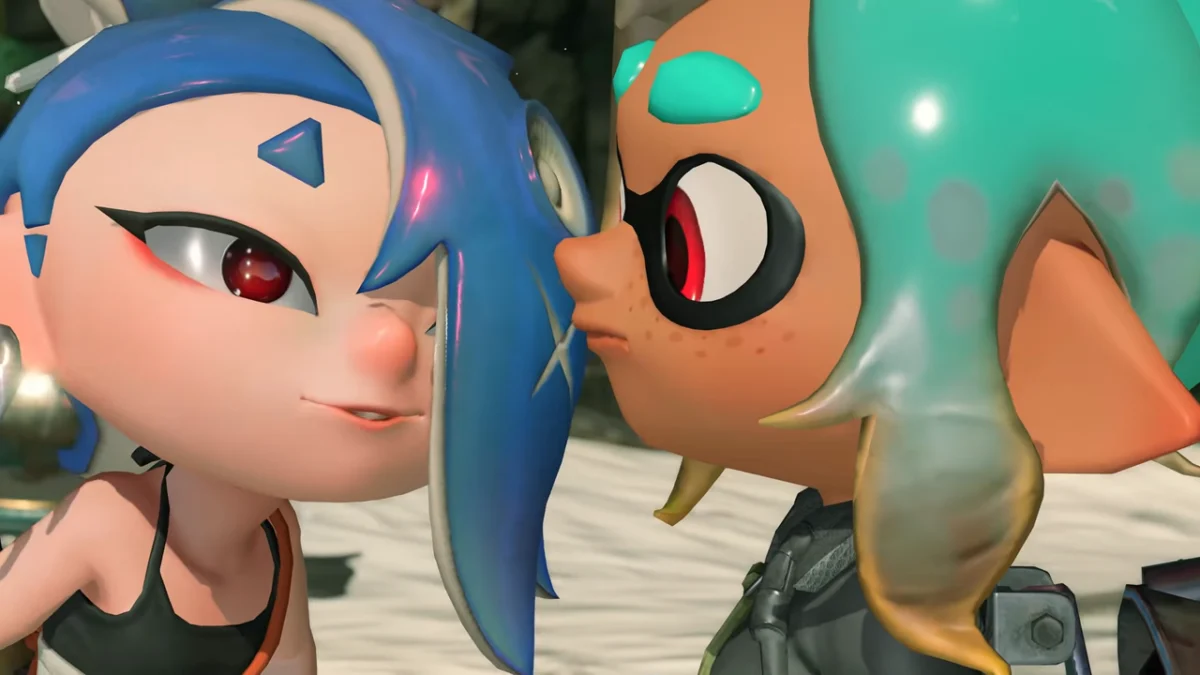
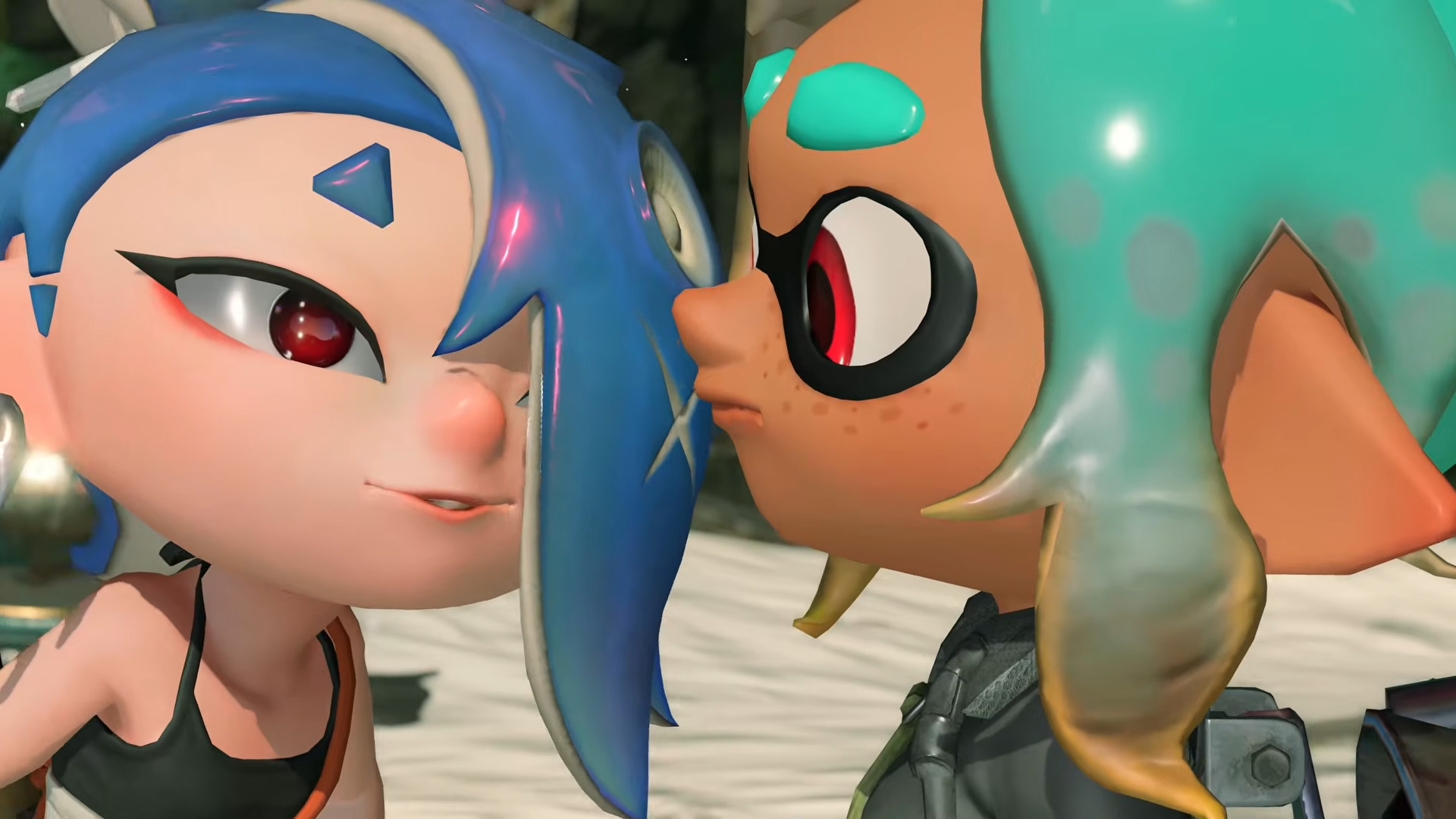
The launch of Splatoon on the Wii U in 2015 marked a seismic shift in Nintendo’s internal culture. Developed by a younger team within Nintendo EPD (Entertainment Planning & Development), the game introduced the "Inklings." Miyamoto’s recent comments shed light on this specific period, revealing that the team originally struggled with whether to make the ink-shooting game a Mario spin-off. The decision to stick with the Inklings eventually birthed Nintendo’s most successful new IP in two decades, proving that the company’s "sauce," as Miyamoto puts it, is still potent.
Supporting Data: The Commercial Reality of New IP
The hesitation to launch new characters is often grounded in the sheer dominance of Nintendo’s existing catalog. However, recent data suggests that when Nintendo does innovate, the rewards are astronomical.
- Splatoon’s Dominance: As of 2024, the Splatoon franchise has sold over 30 million units globally. Splatoon 3 alone sold 10.67 million units within its first few months, rivaling the sales of established giants like The Legend of Zelda: Skyward Sword.
- The Pikmin Resurgence: While Pikmin was once considered a "cult" franchise, Pikmin 4 (2023) became the fastest-selling entry in the series, surpassing 3.5 million units. This reinforces Miyamoto’s belief that even older "new" IPs can find massive global audiences if nurtured correctly.
- The Remake Factor: Miyamoto admitted that Nintendo has produced "a lot of remakes" recently. Data shows that titles like The Legend of Zelda: Link’s Awakening (Switch) and Super Mario RPG have performed exceptionally well, often outselling entirely new experimental titles like Codename S.T.E.A.M. or Sushi Striker: The Way of Sushido. This commercial safety net is why Miyamoto insists on "strict judging" for new characters—they aren’t just competing with Sony or Microsoft; they are competing with Nintendo’s own legendary history.
Official Responses: Miyamoto on the "Younger Generation"
In his dialogue with Famitsu, Miyamoto was remarkably humble regarding his current role in the creative process. He noted that the era of him being the "sole architect" of Nintendo’s world is over.
"It’s been 25 years since I arrived at Pikmin, which was the result of my own pursuit of a globally appealing character," Miyamoto stated. "We need to be more proactive to create new ones. But I’ll leave that to the younger generation."
He elaborated on the internal friction that occurs when a new idea is born. Using Splatoon as the primary example, he described the "Mario Trap":
"Even during the development of Splatoon, there were times when we thought, ‘If the characters are going to be like this, wouldn’t it be better to just use Mario?’"
The breakthrough came when the developers realized that the mechanics of swimming in ink and transforming into squids were fundamentally incompatible with the established "physics" and "logic" of the Mario universe. This realization—that a character must be defined by their unique gameplay utility—is now the litmus test for all prospective Nintendo IPs.
Implications: What This Means for the "Switch 2" and Beyond
Miyamoto’s comments carry significant weight as the industry looks toward the successor to the Nintendo Switch. There are three primary implications for the future of the company:
1. The Search for the "Next Splatoon"
With Miyamoto explicitly calling for more proactivity, fans should expect Nintendo’s internal R&D teams to be given more leeway to experiment. The success of the Switch has provided Nintendo with a massive "war chest" of capital, allowing them to take the kind of creative risks that were impossible during the lean years of the Wii U. We are likely to see at least one major new character-driven franchise launch within the first two years of Nintendo’s next console.
2. The End of the "Miyamoto Era" of Design
While Miyamoto remains a Senior Executive Director and "Creative Fellow," his insistence on leaving character creation to the younger generation marks a transition of power. This could lead to characters with different aesthetic sensibilities—perhaps more influenced by modern street culture, anime, or western cinematic trends, as seen in the vibrant, fashion-forward world of Splatoon.
3. A Focus on "Gameplay-First" Character Design
Miyamoto’s anecdote about the Inklings confirms that Nintendo will not create characters for the sake of "story" or "lore" alone. At Nintendo, the character is a tool to explain the gameplay. If a new game’s mechanics can be performed by Mario, it will likely remain a Mario game. New characters will only be greenlit if their existence is essential to understanding a new way to play.
Conclusion: A Legacy of Careful Innovation
Shigeru Miyamoto’s philosophy has always been one of "lateral thinking with withered technology"—using well-understood tech in radical new ways. Now, he is applying that same disciplined logic to the company’s human capital. By demanding that new characters be "global" and "necessary," he is ensuring that Nintendo does not dilute its brand with forgettable mascots.
While the "Mario" safety net will always exist, the door is now wider than it has been in a quarter-century for a new icon to emerge. As Miyamoto steps back to let the next generation of designers take the lead, the gaming world waits to see who—or what—will be the next character to join the pantheon of legends. The message from Nintendo HQ is clear: they are ready to innovate, but they will not be reckless. In the world of Miyamoto, a new character isn’t just a drawing; it’s a global responsibility.

