

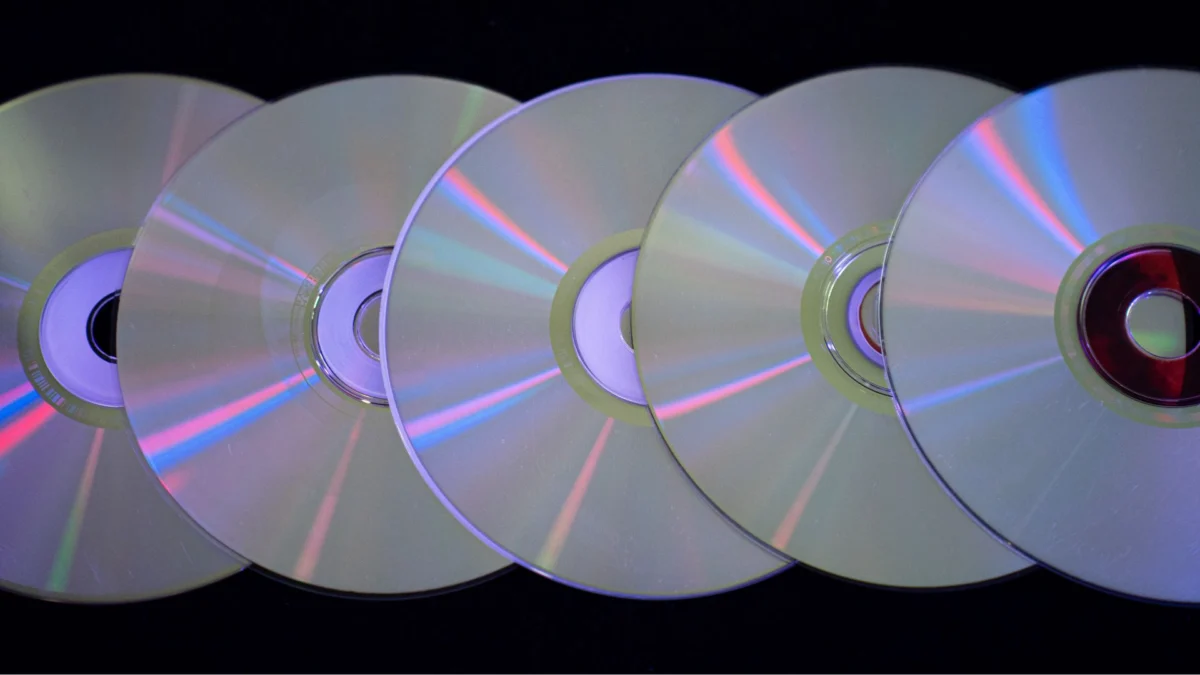
In an era defined by ephemeral cloud storage and subscription-based access, the concept of "ownership" has become increasingly fluid. This week, the tech world was treated to a biting piece of corporate irony: GitHub—the Microsoft-owned repository giant—has announced a limited-run campaign allowing users to burn their public repositories onto physical CD-ROMs. While the move is undoubtedly a tongue-in-cheek marketing campaign, it serves as a sharp, satirical jab at the industry’s broader, more alarming shift toward an all-digital future.
The announcement arrives on the heels of reports indicating that Sony is moving toward a digital-only future for its next-generation console ecosystem, with rumors suggesting a complete cessation of physical disc production for PlayStation 6 titles by early 2028. By offering a physical "relic" of code, GitHub is not just offering a nostalgic trinket; it is highlighting the fragility of digital-only dependence, sparking a necessary debate about archival, longevity, and the permanence of human creation.
The Chronology of a Disappearing Medium
The tension between physical ownership and digital convenience has been building for over a decade. To understand the gravity of this moment, one must look back to the pivotal year of 2013.
2013: The DRM Conflict
When the PlayStation 4 was first introduced, Sony famously used a viral video to mock Microsoft’s then-restrictive DRM (Digital Rights Management) policies for the Xbox One. The video, featuring Sony executives "teaching" players how to share games by simply handing a disc to a friend, became a cornerstone of Sony’s marketing identity. It positioned the company as the defender of consumer rights and physical ownership.
2014–2025: The Silent Migration
Over the following decade, the industry quietly pivoted. As high-speed internet became ubiquitous, the necessity of the physical disc waned. Digital storefronts offered convenience, while publishers prioritized live-service models that required constant server connectivity. Physical media, once the standard for preservation, was relegated to a collector’s niche.
2026: The Tipping Point
Now, in mid-2026, the narrative has inverted. Reports suggest that Sony is preparing to shutter physical disc production for new PlayStation games by January 2028. This move effectively ends the era of the "tangible library." In response, the industry has fractured, with some companies doubling down on digital ecosystems and others, like Microsoft, paradoxically attempting to bridge the gap through experimental features like "disc-to-digital" conversion.
GitHub’s "Physical" Intervention
On July 2, 2026, GitHub took to social media to announce its "Physical Repo" initiative. The message was clear, if not slightly mocking: "We heard you. And we agree. In light of recent developments in physical media, GitHub is proud to announce that you can now obtain your public repo on CD-ROM."
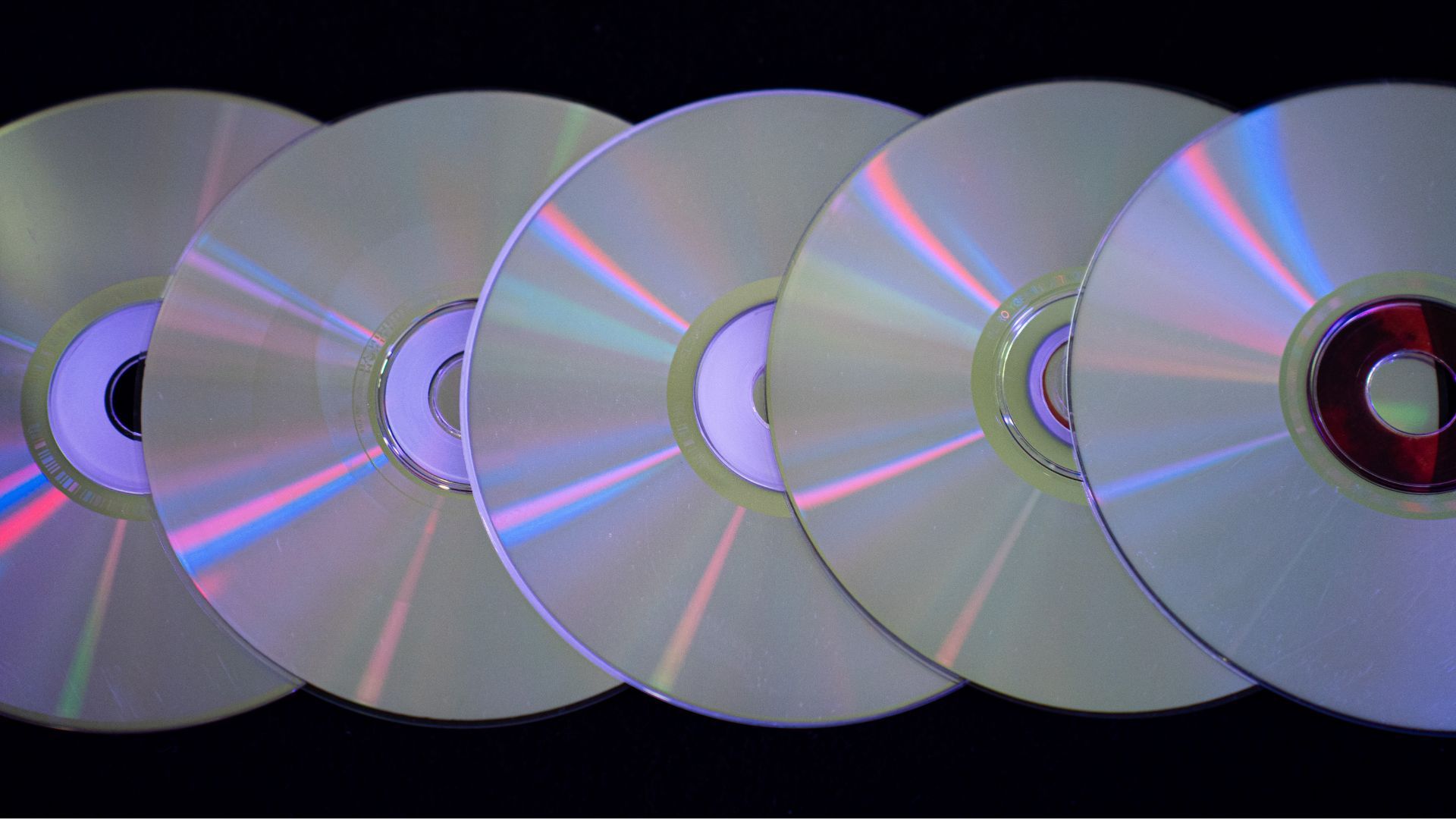
The company’s messaging was intentionally evocative, urging users to "Keep it. Lend it to friends. Pass it on to your children." The campaign, which is limited to the first 1,000 eligible users who apply via a Microsoft-hosted form, is a masterclass in corporate shade. By emphasizing that code can be "physically yours, forever," GitHub is highlighting the inherent insecurity of storing one’s life work on a remote server that could theoretically be deactivated, censored, or lost to a policy change.
Supporting Data and Technical Reality
While the CD-ROM campaign is a brilliant marketing hook, it raises legitimate technical questions about long-term data archival.
The Lifespan of Physical Media
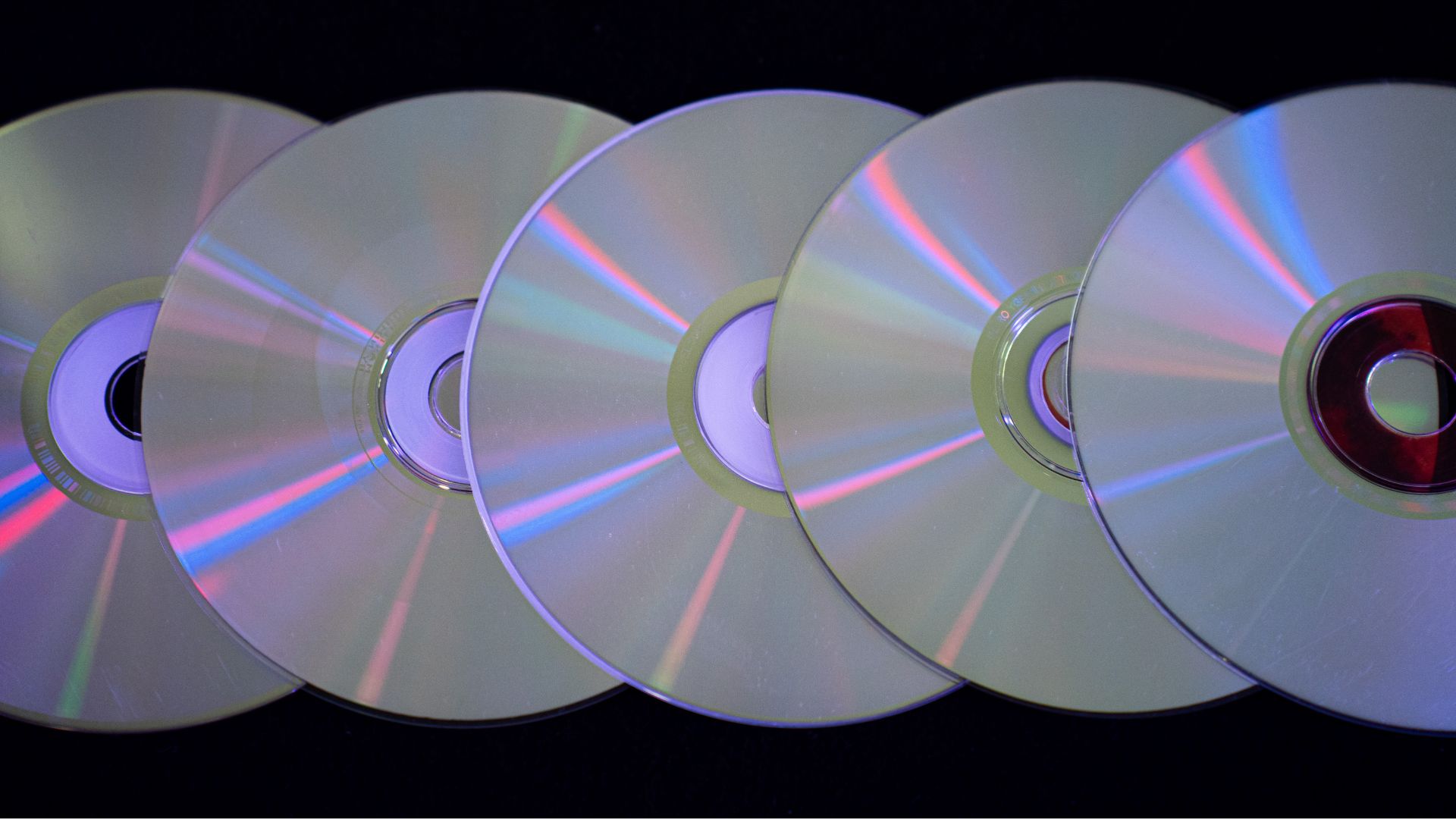
CD-ROMs, while durable, are not the most efficient or long-lasting method of storage compared to modern NVMe SSDs or enterprise-grade LTO tape drives. "Disc rot"—the degradation of the reflective layer on optical media—is a documented phenomenon that can render a disc unreadable within a decade or two if stored improperly.
The "Drive" Problem
Furthermore, the utility of the CD-ROM is hampered by the current state of hardware. As of 2026, the majority of ultrabook laptops, high-end workstations, and gaming rigs have abandoned optical disc drives entirely. For the average developer, a CD-ROM is a read-only artifact, not a functional backup.
However, the irony is the point. The fact that an optical disc is now an "inaccessible" format for most users emphasizes how rapidly the hardware we rely on is evolving—and leaving our pasts behind. When you can no longer buy a computer with a disc drive, the physical media you own effectively becomes a "black box" that requires specialized, increasingly rare equipment to open.
Official Responses and Industry Sentiment
The response to the announcement has been a mix of amusement and existential dread within the developer community. While Microsoft, as the parent company of GitHub, is essentially playing both sides of the fence—supporting digital-only platforms while mocking the trend—the industry at large is struggling to reconcile the demands of shareholders with the preservationist desires of gamers and developers.
Microsoft, notably, has been attempting to mitigate the blow of the digital shift. Its ongoing testing of a "disc-to-digital" feature is a clear attempt to retain goodwill. The idea is simple: if you own a physical disc, you can verify your ownership with Microsoft, which then grants you a digital license for the game. It is a halfway house—a solution that preserves the "right to own" while acknowledging that the "physical media" ship has already sailed.
The Implications: Why Preservation Matters
The implications of a digital-only landscape go far beyond the convenience of not having to swap discs.
1. The Loss of Institutional Memory
When software, games, and repositories are purely digital, they are subject to the whims of corporate longevity. If a company goes bankrupt or decides to sunset a service, the digital assets hosted on their servers may vanish into the ether. A physical copy, however imperfect, represents a "decentralized" backup—a piece of history that exists outside of a corporate cloud.
2. The Right to Resale
Physical media has always underpinned the secondary market. A digital-only future effectively kills the used-game and used-software market, granting publishers complete control over pricing and access. This shifts the power dynamic heavily toward corporations and away from the consumer.
3. Censorship and Access
A digital-only ecosystem is inherently censorable. Governments or corporations can pull content from a storefront at a moment’s notice. Physical media provides a level of resilience against these "digital purges," ensuring that information and entertainment remain accessible regardless of current political or corporate trends.
Conclusion: A High-Horse View
As the industry continues to accelerate toward a "service-based" model, the view from the top—where Microsoft-owned GitHub sits—is indeed interesting. They are effectively telling the industry: "We know this is ridiculous, but look at what you’ve forced us to do."
GitHub’s CD-ROM campaign is a satirical wake-up call. It reminds us that our digital lives are precarious, dependent on the continued existence of massive server farms and the goodwill of the companies that manage them. While we likely won’t be returning to the era of physical discs, the industry must grapple with the need for better digital archival standards.
Until that happens, there will be 1,000 developers out there with a shiny, circular piece of plastic, holding a physical manifestation of their work. It might be a marketing stunt, but in a world of disappearing ownership, it’s a powerful statement of intent. Your code is yours—at least until you lose the disc, or until you can no longer find a machine to read it. In the irony of the digital age, that is as close to "forever" as we might ever get.

