

In a landmark shift for the culinary media landscape, television’s most iconic cooking authority is joining forces with the digital era’s most influential social media platform. Food Network and TikTok have announced a collaborative live-streaming series that promises to bridge the gap between traditional broadcast expertise and the fast-paced, high-engagement world of viral content creation. By pairing veteran TV chefs with prominent TikTok creators, the partnership aims to demystify professional cooking techniques while simultaneously tapping into the interactive, real-time potential of TikTok LIVE.
The series, which will be broadcast across the official @foodnetwork, @tiktok, and @tiktoklive_us accounts, represents a strategic evolution in how food content is produced, consumed, and monetized in the 21st century.
The Genesis of a Digital-Broadcast Hybrid
The initiative, slated to premiere on July 8, marks a significant departure from the siloed approach that has historically defined food media. For decades, the "TV Chef" was an untouchable archetype—a personality defined by studio polish and scripted precision. Conversely, the "TikTok Chef" operates in a realm of raw, unedited authenticity, where the success of a video is measured by its ability to stop a scroll in less than three seconds.
By bringing these two worlds together, the series seeks to synthesize the best of both: the technical authority of seasoned professionals and the trend-driven, relatable energy of the creator economy. Each installment will feature a rotating cast of pairings, tasked with reviewing viral recipes, dissecting the "why" behind internet food trends, and establishing a baseline for digital-era kitchen etiquette.
A Summer Kickoff: Celebrating the Tomato
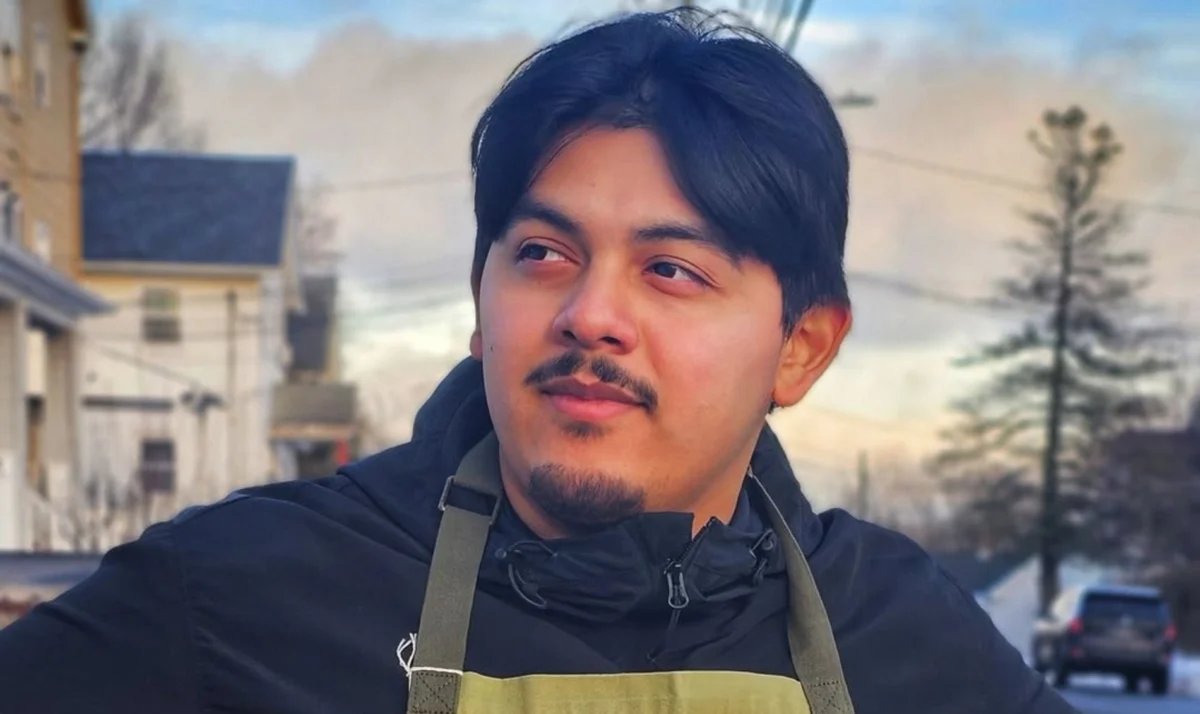
The series launch on July 8 is timed to capture the peak of summer produce, with the inaugural episode focusing on the versatility of the tomato. The first installment will feature a high-profile collaboration between Tournament of Champions winner Antonia Lofaso and popular creator Jose El Cook.
The choice of subject matter is intentional. The tomato is a culinary cornerstone—a fruit that occupies both the humblest home kitchens and the most sophisticated fine-dining establishments. Lofaso and El Cook are expected to navigate a spectrum of tomato-themed preparations, ranging from quick-fix appetizers to complex, multi-course meals.
This is not a one-way broadcast; it is designed as a participatory event. Viewers will be invited to influence the flow of the broadcast through real-time polls, Q&A sessions with the chefs, and the use of TikTok’s digital gifting features. This interactive layer is crucial to the series’ value proposition, transforming passive viewing into a communal, social experience that traditional television struggled to capture for decades.
The Creator Revolution: How TikTok Changed the Menu
To understand the significance of this partnership, one must look at the recent history of food content. For years, YouTube and TikTok have served as incubators for talent that traditional networks were often slow to recognize. The success of digital-native stars like Guga, whose "The Biggest Food Battle in YouTube History" garnered millions of views, and Nick DiGiovanni, whose rise from social media sensation to Food Network star serves as the blueprint for this new generation, highlights a shift in power dynamics.
The "creator economy" has proven that an audience’s loyalty is often more tied to the personality behind the apron than the network hosting the show. When MasterChef launched a special edition centered entirely around social media creators, it confirmed that the industry had reached a tipping point: the gatekeepers of culinary fame were no longer just the executives at major studios, but the algorithms that reward engagement and accessibility.
TikTok’s own internal initiatives, such as their "Future of Flavor" event, have underscored the platform’s ambition to be more than just a place to watch 15-second clips. They are actively positioning themselves as a pillar of the global food community. By partnering with the Food Network, TikTok is validating its status as a legitimate home for culinary education, rather than just a repository for fleeting trends.
Supporting Data: The Commercial Engine of Culinary Trends
Beyond the entertainment value, the collaboration acknowledges a massive economic reality: TikTok has become a primary driver of food commerce. The platform’s "TikTok Shop" integration has created a seamless loop between discovery and purchase. Consumers who see a viral pasta recipe or a unique kitchen gadget are now only a few clicks away from buying the ingredients or the tools necessary to recreate the experience.
This, according to Amanda Parker, Head of Food at TikTok Shop, is the fundamental change in the food and beverage industry. Brands like PepsiCo and Mars are not just advertising on the platform; they are using it as a laboratory for product innovation.
"That cycle—from content trend to quick commercialization to longer-term product development—is fundamentally changing how food and beverage brands think about the speed of innovation, the source of innovation and line extension opportunities," Parker noted in recent industry discussions.
For the Food Network, tapping into this ecosystem is a masterstroke of business development. By aligning their brand with the creators who are actively driving consumer behavior, they are ensuring their longevity in an age where younger demographics are increasingly less likely to own a television, let alone tune into cable programming at a scheduled time.
Implications for the Future of Food Media
The partnership between the Food Network and TikTok is not merely a promotional stunt; it is a preview of the "Phygital" (physical-digital) future of culinary media. As we look toward the remainder of the decade, we can expect several key shifts in the industry:
- The Death of the Scripted Barrier: As viewers become accustomed to the spontaneity of live-streamed cooking, the demand for highly produced, overly polished culinary content will likely wane in favor of "behind-the-scenes" authenticity.
- The Rise of the "Shoppable Recipe": We are moving toward a future where every ingredient displayed on screen is instantly available for purchase. The barrier between "watching a show" and "cooking a meal" will effectively vanish.
- Data-Driven Culinary Development: The content produced in this series will provide a goldmine of data for the Food Network. By observing exactly which recipes, questions, and polls garner the most engagement, they can tailor their future programming to match real-time audience demand with unprecedented precision.
Conclusion
As the July 8 launch approaches, the culinary world watches with bated breath. The union of the Food Network’s storied pedigree and TikTok’s unrivaled reach represents the most significant evolution in cooking content since the inception of the televised cooking show.
Whether this series becomes a permanent fixture of the media landscape or a brief experiment in cross-platform synergy, it remains a clear signal: the future of food is collaborative, interactive, and inherently digital. In the battle for the modern consumer’s attention, the kitchen is no longer just a room in the house; it is a global, real-time stage, and the recipe for success is now being written in the comments section.

