

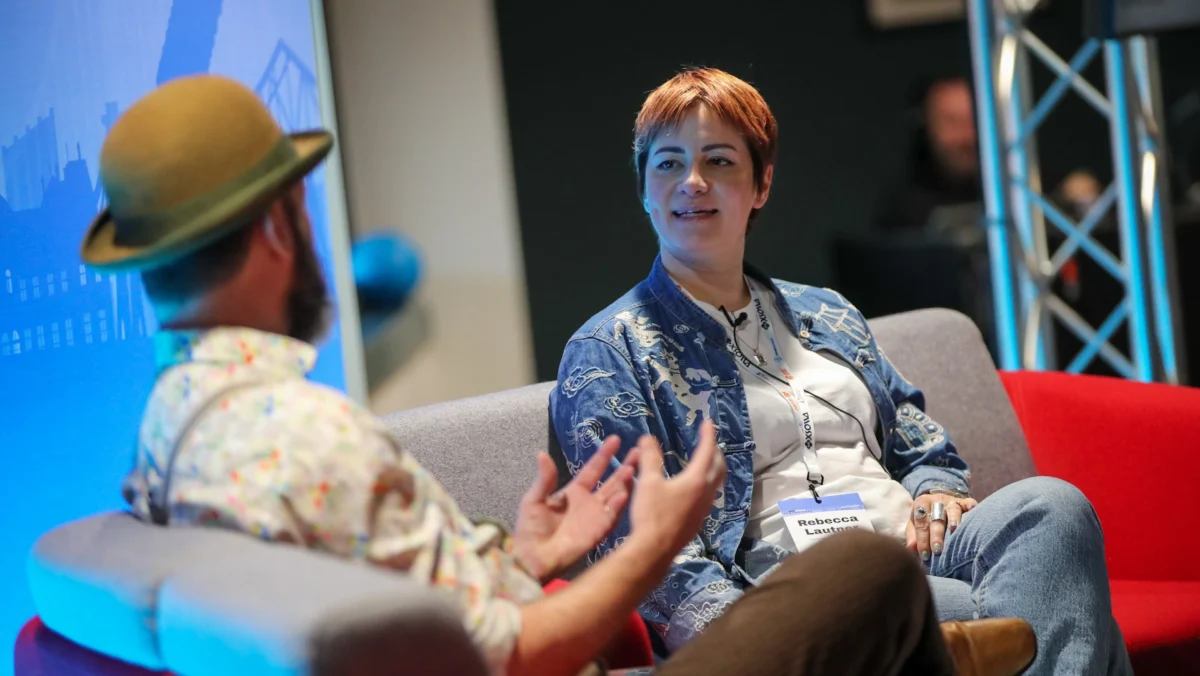
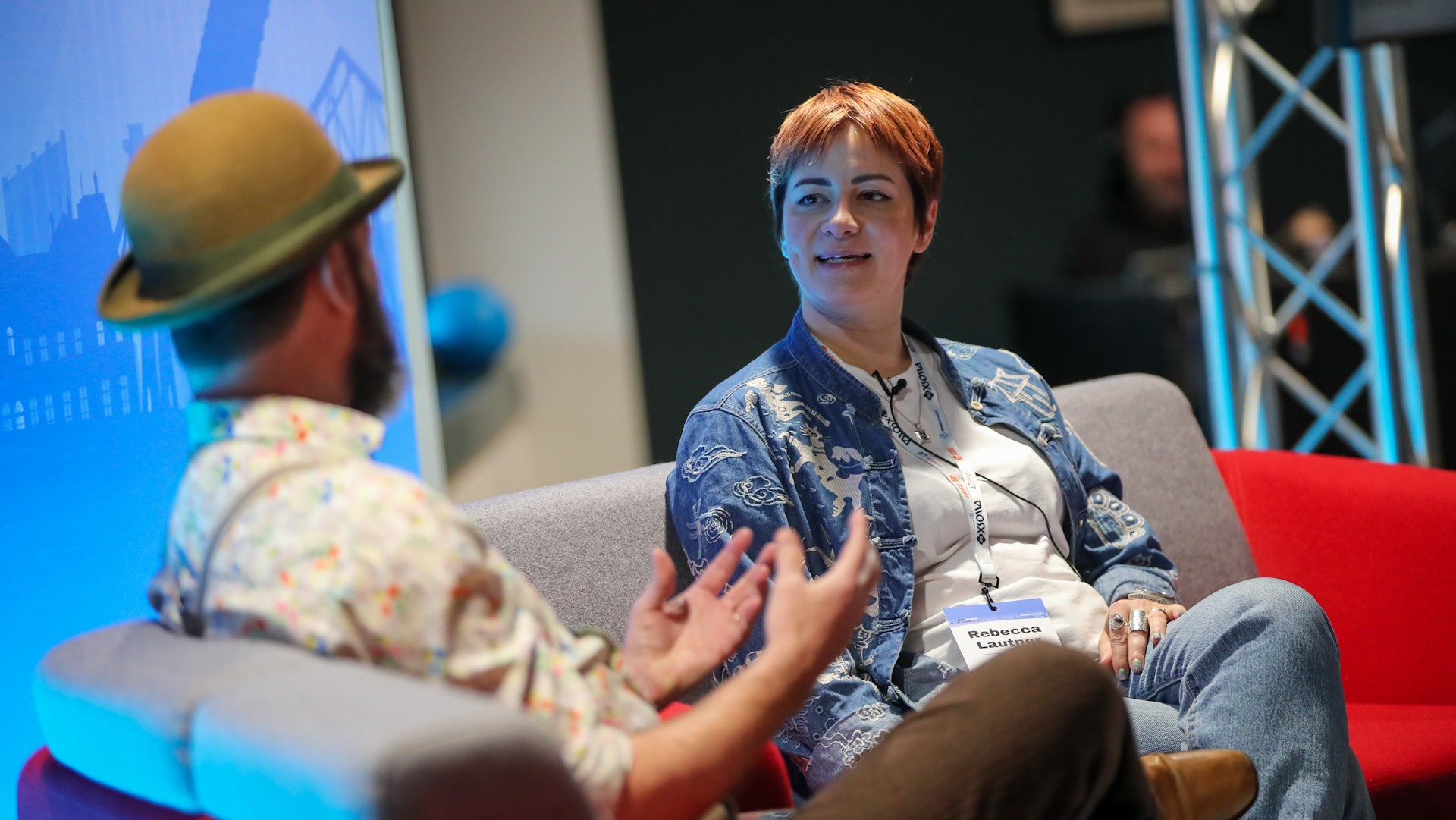
In the fast-paced, often risk-averse world of video game development, the standard operating procedure is clear: find a winning formula, milk it for all it is worth, and build a franchise around it. However, Landfall Games, the studio behind the viral sensation Peak, operates by a different set of rules. In a candid conversation recorded at the Game Republic New Horizons 2026 conference, Rebecca Lautner, Chief Business Officer at Landfall, shed light on the company’s unconventional philosophy—a strategy that prioritizes creative exploration over predictable commercial longevity.
The "Peak" Paradox: Why Success Doesn’t Dictate Strategy
For most studios, selling 23 million units of a single title would trigger an immediate mandate for sequels, expansions, and a long-term service roadmap. Yet, Landfall remains steadfast in its desire to move on.
"From a business point of view, believe me, it’s very frustrating sometimes because there’s so much opportunity in there," Lautner admitted during her fireside chat with GamesIndustry.biz features editor Lewis Packwood. The sheer volume of sales for Peak represents a level of success most independent developers dream of, yet Lautner views the game’s lifecycle through a lens of artistic fulfillment rather than pure financial optimization.
"That’s just not what we’re about," she continued. "I learned to accept that really, really early on when I joined the team. I was like, ‘Okay, we have a very different path that we want to go, and it’s fun.’" This perspective highlights a core tenet of Landfall’s corporate identity: the company is driven by the thrill of the "new" rather than the comfort of the "proven."
Chronology of a Culture: From Independent Upstart to Global Disruptor
To understand why Landfall can afford to walk away from a 23-million-unit hit, one must look at the studio’s history. Founded on a culture of experimentation, Landfall has consistently favored rapid iteration over prolonged, high-budget production cycles.
The "Fail Fast" Methodology
Perhaps the most intriguing aspect of Landfall’s operational structure is their "fail fast" policy. In an industry where "sunk cost fallacy" often leads to years of development on projects destined for mediocrity, Landfall has institutionalized the ability to cut losses.
According to Lautner, the studio operates on a one-month development window for new prototypes. If a project fails to demonstrate its potential, its fun factor, or its mechanical viability within that initial four-week sprint, the team drops it entirely. This is not seen as a failure of the team, but as a success of the process. By eliminating dead-end projects early, the studio preserves its most valuable resource: the creative energy of its developers.
Expanding the Horizon: Evil Landfall and Publishing
The evolution of the company has not been limited to internal development. The launch of their publishing arm, "Evil Landfall," marked a significant shift in their business model. Their first major success under this banner, the multi-million-selling How to Fish, proved that their internal philosophy—identifying high-concept, high-fun games—could be scaled to external projects.
Lautner noted that the company is now actively looking to diversify its portfolio, moving beyond the "friendslop" (social simulation and co-op) genre that initially defined much of their output. By investing in a broader range of titles, Evil Landfall is positioning itself as a boutique publisher that prioritizes the "Landfall touch"—a blend of physics-based chaos, accessibility, and, above all, entertainment.
Supporting Data: The Economics of Agility
While critics might argue that walking away from a massive success like Peak is fiscally irresponsible, the data suggests that Landfall’s agility serves as a hedge against stagnation.
- Market Penetration: With Peak having moved 23 million units, the studio has achieved a level of brand recognition that allows them to experiment with lower-risk, higher-creativity projects.
- Operational Efficiency: By capping the pre-production and prototyping phase at one month, Landfall reduces its "burn rate" on failing projects significantly.
- Retention and Culture: The Stockholm headquarters, which boasts amenities like an on-site chef and a professional bar, isn’t just about perks. It is an investment in a high-retention environment where the world’s best talent can focus on rapid prototyping without the looming fear of long-term project failure.
Official Responses: The Philosophy of the CBO
Rebecca Lautner’s role as CBO is pivotal in bridging the gap between the studio’s "fun-first" mantra and the cold realities of the market. Her public comments at Game Republic serve as a manifesto for the studio’s future.
"We want to build things that excite us," Lautner suggested. When asked about the absence of an April Fools’ game this year—a staple of the studio’s past—she hinted that even their traditions are subject to the same "fail fast" and "pivot" mentality. If a project, no matter how beloved by the community, doesn’t align with the team’s current creative trajectory, it is discarded. This discipline prevents the studio from becoming a "content factory" and keeps them focused on the disruptive, experimental nature that made them successful in the first place.
Implications for the Broader Industry
Landfall Games represents a growing subset of the industry that rejects the "games-as-a-service" (GaaS) model in favor of "games-as-an-experience."
The Sustainability of Creativity
The implications of Landfall’s model are profound. If a studio can remain profitable while intentionally killing off projects and moving on from massive hits, it challenges the industry-wide assumption that growth must be exponential and perpetual.
The Future of Publishing
Through Evil Landfall, the studio is effectively teaching other developers how to be "agile" in the true sense of the word. By fostering a culture where failure is a standard part of the roadmap, they are creating a blueprint for other indie developers who feel trapped by the pressure to maintain long-term support for games that have already reached their natural creative conclusion.
A New Standard for Talent Retention
Furthermore, the emphasis on studio culture—the Stockholm office as a hub of creativity rather than just a workplace—highlights a shift in how developers are treated. By ensuring the work environment is sustainable and the creative process is rewarding, Landfall minimizes the burnout that is currently plaguing the AAA sector.
Conclusion: Looking Ahead
As the industry moves toward 2027 and beyond, Landfall Games stands as a fascinating case study in defiance of conventional wisdom. They are a company that sells millions of copies, yet refuses to be defined by those sales figures. They are a publisher that seeks growth, yet maintains a policy of abandoning projects that don’t meet their stringent "fun" criteria.
Whether this model remains sustainable as they scale their publishing efforts remains to be seen. However, for now, Landfall has proven that you don’t need to stay tethered to your greatest success to remain relevant. In fact, their ability to "let go" may be the very thing that keeps them at the forefront of the industry. As Lautner noted, the path they are on is "fun"—and in the volatile world of video games, that might be the most valuable business metric of all.
For those interested in hearing the full conversation, the latest episode of the GamesIndustry.biz podcast is available now on Spotify, YouTube, and all major podcast platforms. For further inquiries or feedback on this report, please contact Jon Hicks at [email protected].

