

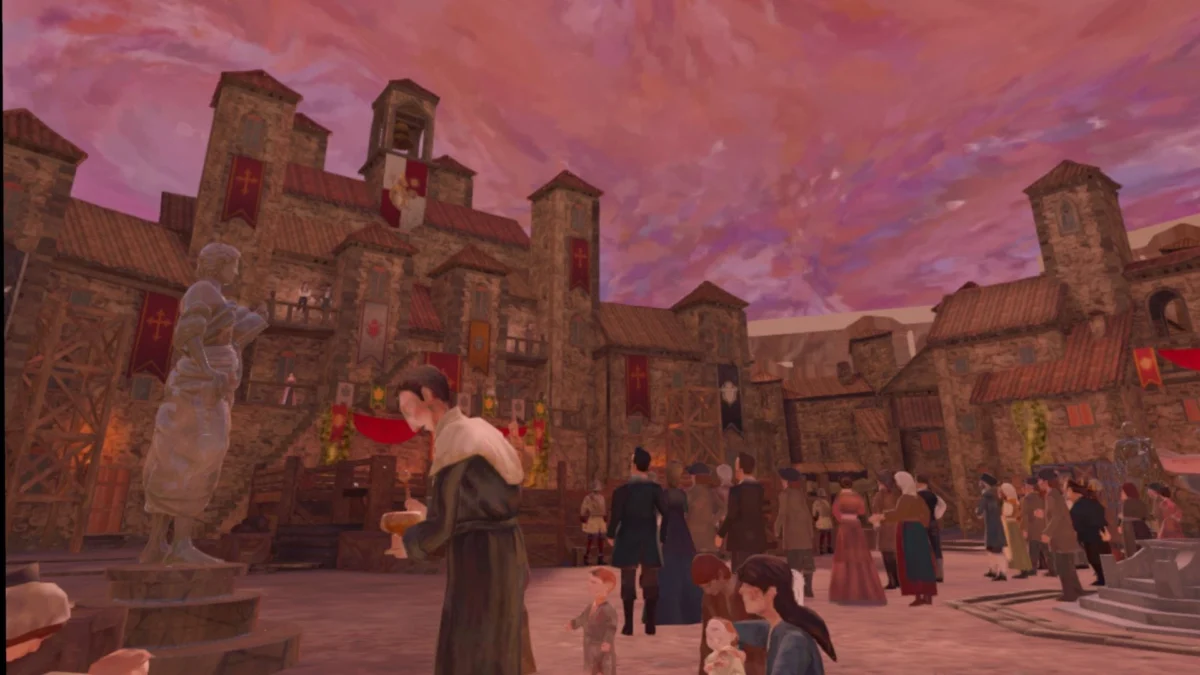
Virtual reality has spent the better part of the last decade chasing the adrenaline of the shooter or the high-intensity immersion of the roguelike. Yet, amidst the flurry of military simulators and sword-swinging dungeon crawlers, a quieter, more cerebral sub-genre has been steadily gaining momentum: the cooperative puzzle adventure. With the recent debut of its trailer at last month’s VR Games Showcase and the launch of a public alpha playtest, Prism Games is looking to stake a claim in this space with Daumier: Lila & Ghost.
While the title may not yet carry the household weight of Portal 2 or It Takes Two, its early mechanical foundations suggest a project that is punching well above its weight class. By blending narrative-heavy environmental storytelling with a distinctive, impressionistic aesthetic, Daumier aims to prove that the most compelling VR experiences aren’t always found on the battlefield, but in the collaborative act of solving the impossible.
Main Facts: The Anatomy of the Project
Daumier: Lila & Ghost is an exclusively co-operative puzzle adventure designed for the Meta Quest platform. At its core, the game challenges two players to synchronize their perspectives and abilities to untangle a generational family curse.
- Developer: Prism Games
- Publisher: Vision Bridge
- Platforms: Meta Quest
- Current Status: Alpha Playtest (Available for a limited two-week window)
- Pricing: Free (during the testing phase)
- Core Concept: Asymmetric co-op play where one player navigates the physical world as "Lila," while the other operates as the ethereal "Ghost," each possessing unique insights into the environment.
The current alpha build, which covers the first of five planned chapters, serves as both a proof-of-concept and a stress test for the game’s communication-heavy mechanics. Interested players can currently access the build by joining the developer’s official Discord server.
Chronology: A Descent into the Daumier Gallery
The narrative setup of Daumier is classic gothic mystery with a supernatural twist. The game begins with Lila, the protagonist, grappling with the recent loss of her father. An opening sequence—delivered via a somber, if slightly hampered, vocal performance—establishes the stakes: Lila must infiltrate the enigmatic Daumier Art Gallery to break a curse that has plagued her family for centuries.
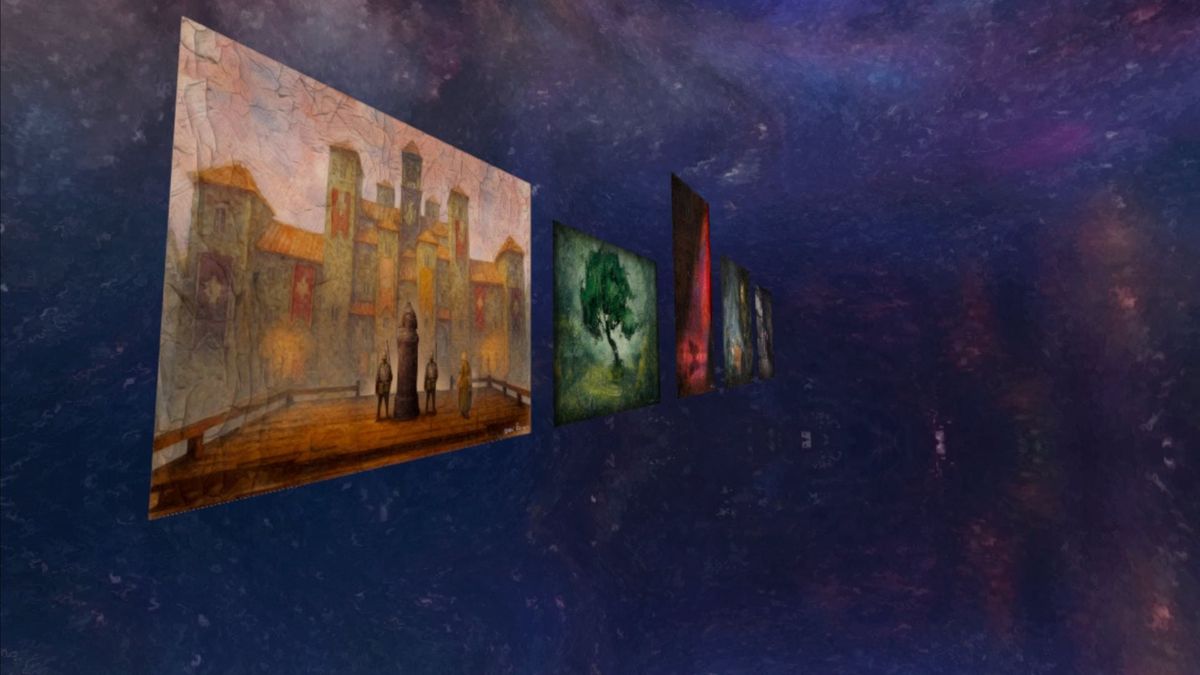
Upon arrival, she is met by Dupont, a butler whose family has served the Daumiers for generations. This introductory segment serves as the game’s tutorial, though it is perhaps the weakest point of the experience; the character models and standard graphical fidelity leave something to be desired. However, the game undergoes a dramatic transformation the moment the player interacts with the gallery’s paintings.
Entering the Impressionist World
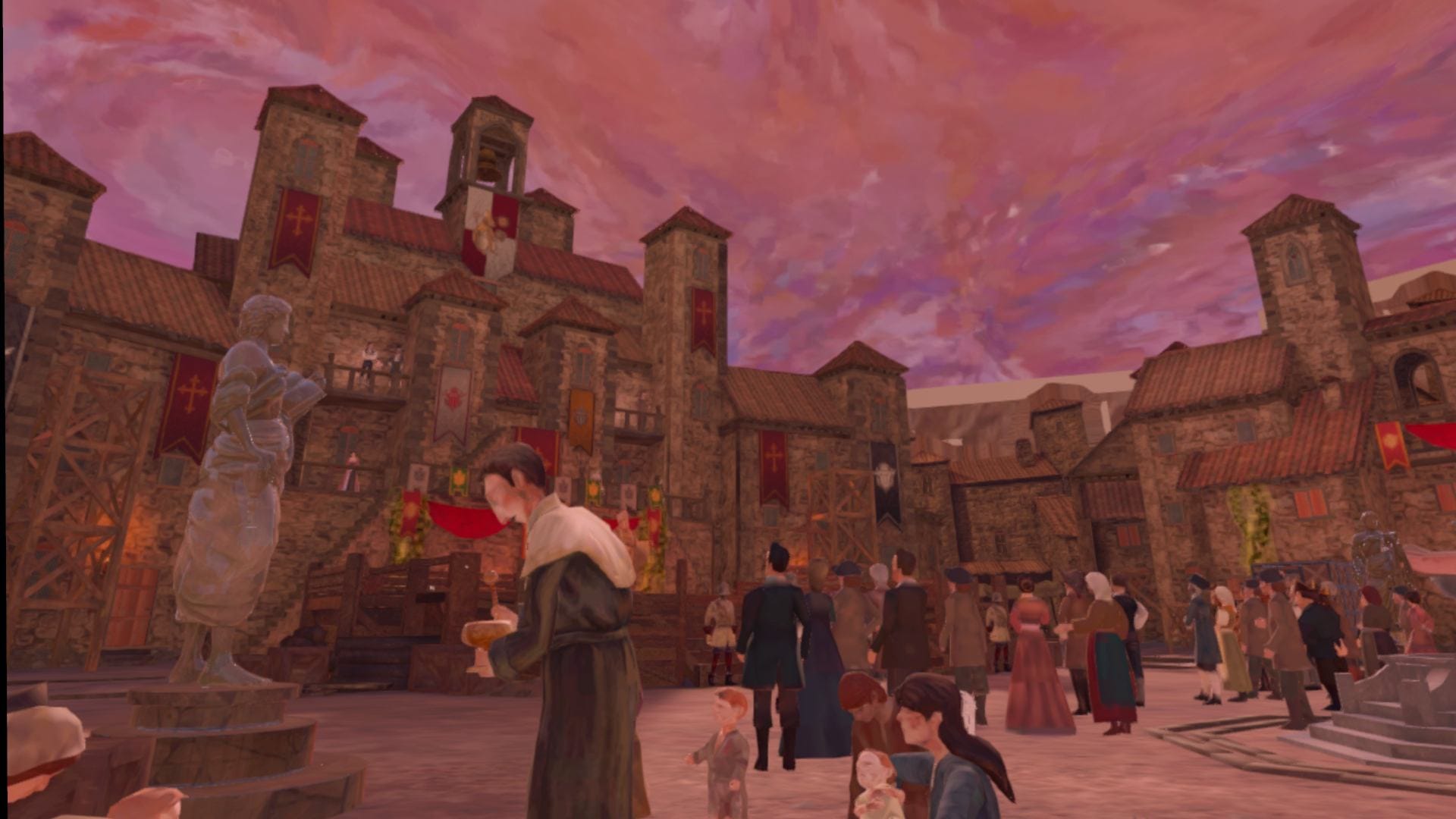
The true "hook" of the game is the ability to step into the canvases themselves. The developers have opted for a visual style reminiscent of Vincent Van Gogh’s Starry Night, utilizing swirling textures and vibrant, painterly light that translates beautifully to VR.
In the first chapter, players are transported to a plague-ravaged European town. The transition from the sterile, beige corridors of the gallery to the dark, emotionally heavy atmosphere of the painted world is jarring in the best way possible. It is within these canvases that the gameplay loop truly begins. The player controlling Lila is grounded in the environment, while the player controlling the Ghost acts as an unseen observer, capable of seeing "the truth"—hidden patterns, spectral clues, and structural weak points that are invisible to the physical player.
Supporting Data: The Mechanics of Cooperation
The brilliance of Daumier: Lila & Ghost lies in its forced reliance on verbal communication. In an era where many multiplayer games prioritize mechanical skill or twitch reflexes, Daumier prioritizes the "human connection."
The Puzzle-Solving Loop
During a hands-on session with the developer’s community manager, the importance of this synergy became immediately apparent. The puzzles are designed with a specific architecture:
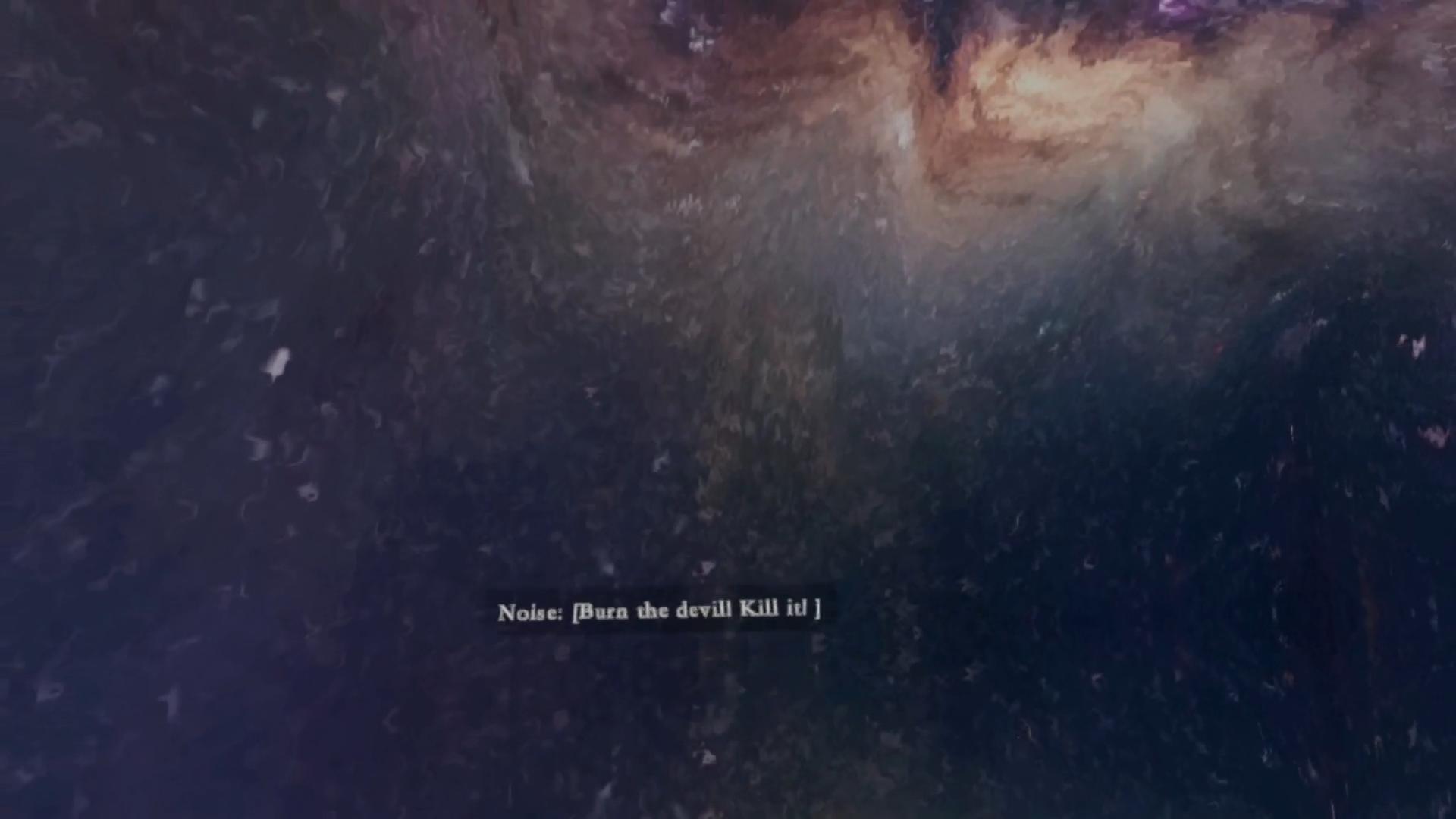
- Information Asymmetry: The Ghost player might see a glowing, intricate lock mechanism, while the Lila player sees only a solid iron door.
- Synchronized Execution: The Ghost must describe the pattern, while the Lila player physically manipulates the objects to match that description.
- Environmental Interaction: Simple tasks, such as repairing a carriage wheel, require the physical player to interact with objects while the Ghost player guides them on the correct placement, often while navigating the threats present in the narrative world.
The difficulty curve in the alpha is measured. While some tasks—such as a complex rotating wooden ornament puzzle—can take up to 30 minutes for a standard pair to solve, others are intuitive. The inclusion of a "hint system" is a welcome accessibility feature, though the game is clearly designed to reward those who take the time to communicate clearly rather than those who rush to the solution.
Official Responses: The Philosophy of Prism Games
Prism Games has been vocal about their desire to move away from the "combat-first" design philosophy that dominates the current VR market. By stripping away time limits and combat, the studio has created a low-pressure environment that encourages exploration.
According to representatives from the development team, the identity of the "Ghost" is the game’s most guarded secret. While the alpha hints at a deep connection between the spirit and Lila’s family history, the studio promises that as the five chapters unfold, the narrative implications will become far more complex.
"We want the players to feel that the ghost isn’t just a mechanic; they are a character with their own stakes in this mystery," one developer noted during the showcase. "The collaboration isn’t just about finishing the level; it’s about piecing together a broken history."
Implications: The Future of VR Co-op
The arrival of Daumier: Lila & Ghost signals a shift in what developers believe the VR audience wants. If the full game can sustain the quality of its art-style-inspired environments and the complexity of its cooperative puzzles, it could set a new standard for narrative-driven multiplayer experiences.
Challenges Ahead
However, the game faces significant hurdles. The current vocal performances are somewhat uneven, and the graphical fidelity outside of the "painted" segments requires polish to match the high bar set by the game’s art direction. Furthermore, in the niche market of VR, requiring two players to own the game—and to be available simultaneously—can be a barrier to entry.
A New Standard?
Despite these challenges, Daumier occupies a "Blue Ocean" in the VR market. By focusing on the emotional resonance of a shared mystery rather than the physical fatigue of a shooter, Prism Games is tapping into a demographic of players who value intimacy and puzzle-solving.
As we look toward the tentative September release, the success of Daumier will likely hinge on the narrative payoff. If the mystery of the Daumier family is as compelling as the art style that hides it, this title could become a foundational text for the next generation of cooperative VR. For now, the alpha test offers a promising, albeit rough-around-the-edges, look at a game that dares to ask its players to stop fighting and start talking.
For those interested in testing their communication skills, the window to join the Discord and experience the first chapter is closing soon. It is a rare opportunity to witness a project in its formative stages, providing feedback that could very well shape the final, painted reality of the full release.

