

After a turbulent period defined by market skepticism, whispers of potential acquisition, and a grueling internal restructuring, Intel Corporation has emerged from its Q2 2026 earnings report with a surprisingly optimistic outlook. Once viewed as a legacy giant struggling to find its footing in an era dominated by AI-driven chip demand and aggressive competition, the semiconductor titan is now signaling a return to form.
With revenue, margins, and earnings per share all exceeding analyst expectations, Intel is no longer merely fighting for survival. Instead, it is projecting a narrative of execution, resilience, and renewed confidence in its core manufacturing capabilities.
The Core Financials: A Significant U-Turn
The Q2 2026 results paint a picture of a company finally catching the wind. Intel reported revenue of $16.1 billion for the quarter, a marked improvement from the $13.6 billion recorded in Q1. When compared to the same period in 2025—a year defined by massive layoffs and deep-seated structural anxiety—the growth is striking, representing a 25% year-over-year increase.
According to CFO David Zinsner, this represents Intel’s strongest growth performance since 2011. This surge is largely attributed to the robust performance of the Client Computing and Physical AI Group (CCPG), which generated $8.9 billion in revenue, exceeding internal projections by 15%. While the broader PC hardware market continues to grapple with the ongoing "memory crisis"—a shortage of high-speed memory components—Intel has managed to navigate these supply chain bottlenecks with greater agility than previously anticipated.
Chronology of a Turnaround: From Crisis to Execution
To understand the significance of the Q2 2026 results, one must look back at the trajectory of the past 24 months.
- 2024: The "Dark Year." Intel faced existential questions regarding its business model. Industry rumors swirled that the company was a target for acquisition by competitors like Qualcomm, as its chip design business struggled to maintain its dominance against AMD and NVIDIA.
- Early 2025: The period of "Sweeping Cuts." Faced with declining revenue and bloated operational costs, Intel initiated widespread layoffs across its California, Oregon, Texas, and Arizona facilities. CEO Lip-Bu Tan, who had recently assumed leadership, took a hardline stance, famously declaring, "There are no more blank checks," while calling past investments "unwise and excessive."
- Late 2025: The "Patience" Phase. Tan shifted the company’s focus toward operational discipline, signaling that a turnaround would be a multi-year effort rather than a quick fix.
- Mid-2026 (The Current Status): The "Execution" Phase. Intel’s Foundry business has transitioned from a drain on resources to a strategic asset. The rhetoric from the C-suite has shifted from defensive damage control to forward-looking optimism regarding process nodes and manufacturing yields.
The Foundry Business: The Engine of Future Growth
Perhaps the most scrutinized part of Intel’s strategy is its Foundry arm. A year ago, the prospect of the Foundry business succeeding seemed dim, with Tan openly threatening to halt development on cutting-edge nodes if milestones were not met.
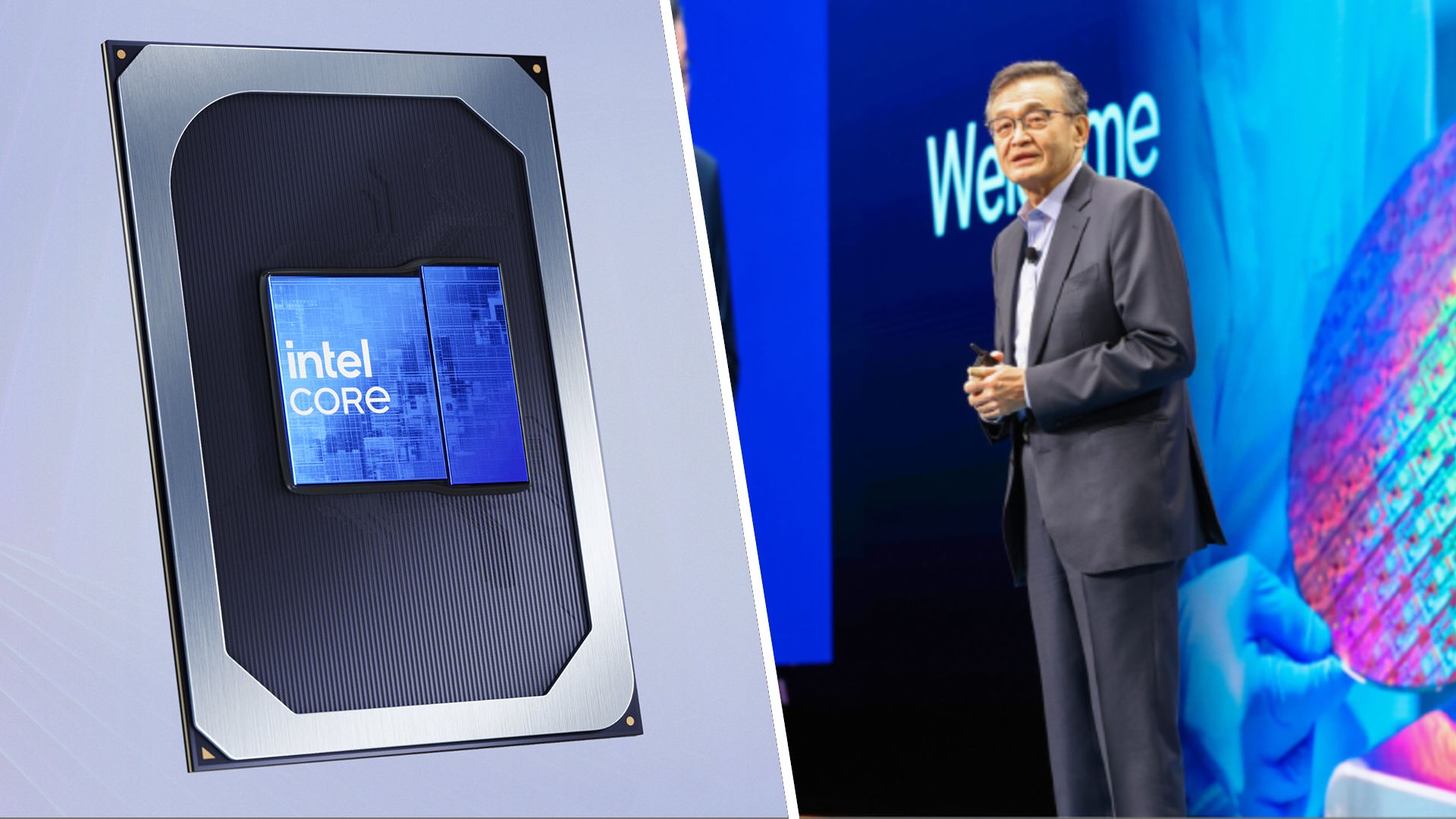
Today, that skepticism has evaporated. "My confidence in our foundry process roadmap has grown significantly since joining over a year ago," Tan remarked during the recent earnings call. "I am more confident than ever of the strategic, significant, and unique value proposition of Intel Foundry."
Yields and Roadmap Success
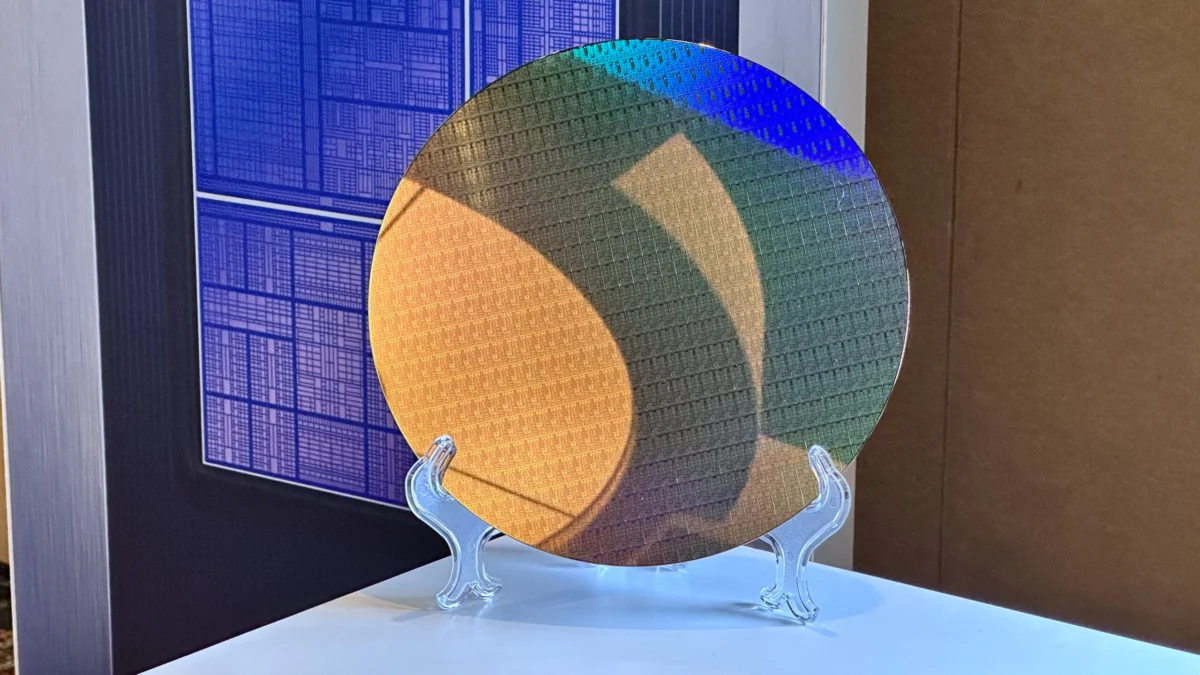
The improvements in Intel’s manufacturing process are tangible. Intel 7, Intel 3, and Intel 18A nodes have all exceeded internal volume targets. The 18A process—critical for the production of the Core Ultra 3 "Panther Lake" chips—has seen a massive turnaround. Recent reports suggest that persistent wafer-to-wafer yield issues, which had previously plagued production, have been effectively mitigated.
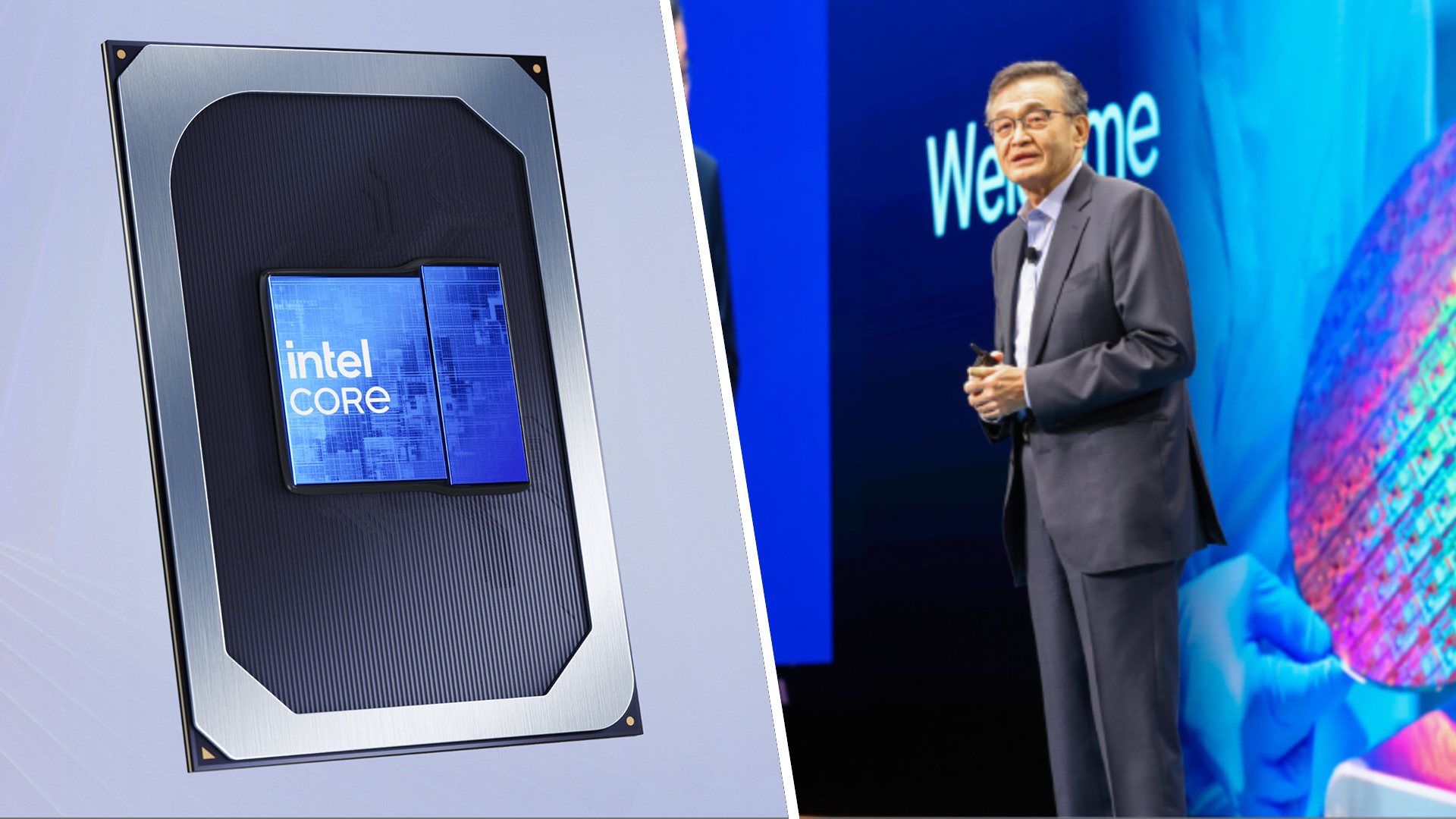
Furthermore, there is growing speculation that Intel is bringing the production of its upcoming "Nova Lake" processors back in-house. While Nova Lake was initially slated for production at external foundries like TSMC, the current yield improvements on 18A suggest that Intel may now have the internal capacity to handle its flagship desktop silicon, a move that would significantly improve margins and reduce reliance on competitors.
Looking Toward 14A
Beyond the current generation, Intel is doubling down on the 14A node. Touted as the next major leap in chip production, 14A is currently on track for risk production in the second half of 2027, with high-volume manufacturing scheduled for 2028. Tan highlighted that "defect density and transistor performance are all outpacing 18A development," suggesting that the lessons learned from the 18A growing pains are being applied directly to the next generation of architecture.
Supporting Data: The Costs of Innovation
Despite the optimism, the Foundry business remains a capital-intensive venture. Intel reported an operating loss of $2.1 billion for the Foundry segment in Q2 2026. However, contextualizing this loss is vital: it is an improvement of $348 million over the previous quarter.
This indicates that while the business is not yet profitable, the trend line is moving in the right direction. The company is successfully absorbing the massive R&D and infrastructure costs associated with building modern fabs while simultaneously scaling production volume to meet demand.
Official Responses and Strategic Pivot
The tone from the Intel leadership team has undergone a complete metamorphosis. Gone is the "doom and gloom" of 2025; in its place is a disciplined, aggressive, and highly focused corporate strategy.
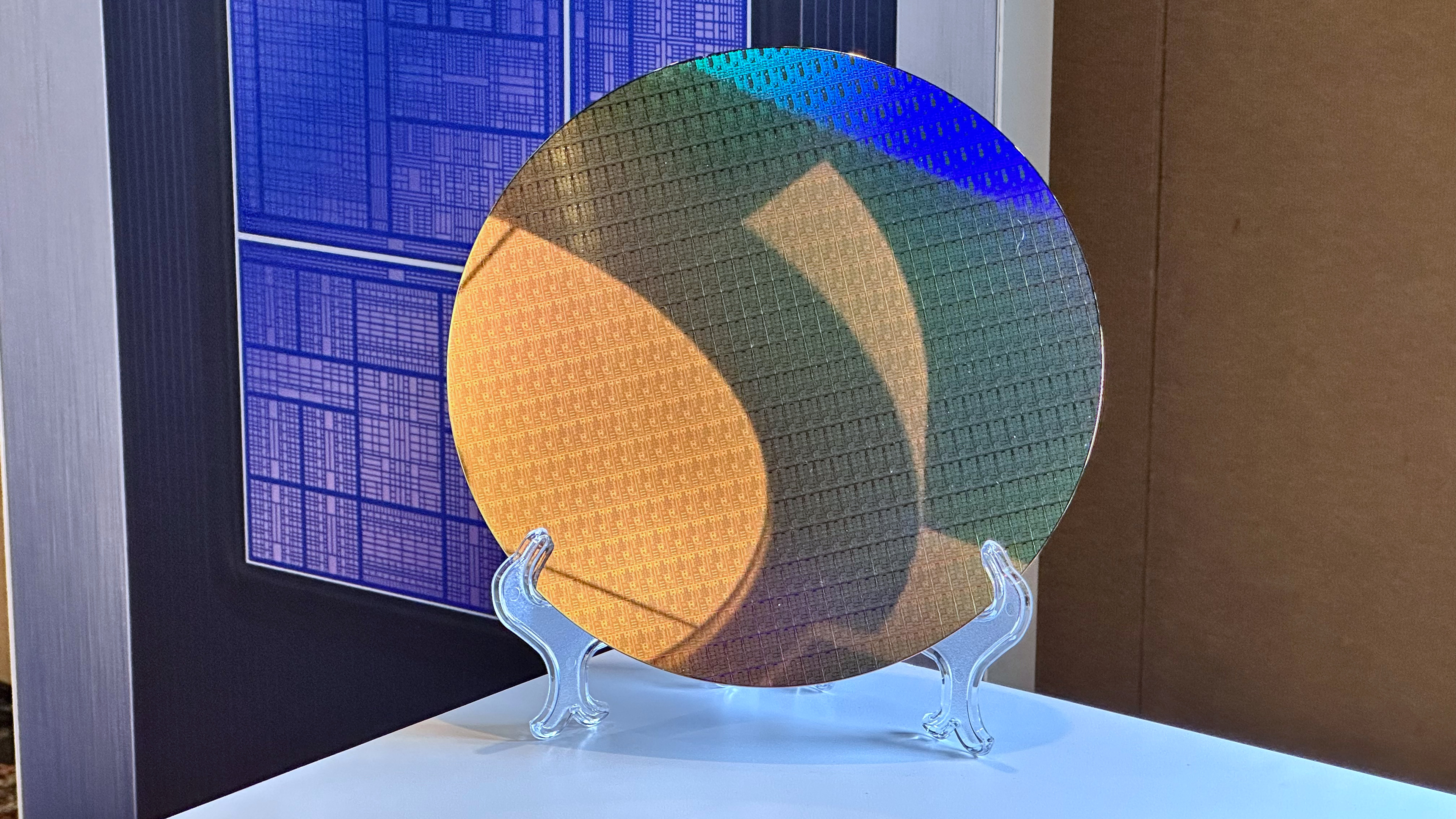
"Our advanced packaging and wafer foundry capabilities become increasingly vital assets," Tan noted. "Our strategy is clear, and the pace of execution is accelerating. We are well-positioned to help define the next era of computing."
The Supply-Demand Paradox
An interesting tension exists in Intel’s current operational reality: despite the revenue gains, supply is still struggling to keep pace with demand. Zinsner noted that even with increased wafer production, market demand continues to outstrip the available supply.
"We can’t fulfill the demand," Zinsner admitted. "So we’ll pivot as much of the production as possible over to CPUs and data centers to try to do our best to catch up." This creates a bottleneck for the consumer market, particularly for gaming hardware, but it represents a "high-class problem" for Intel: the company has finally built a product that the market is desperate to acquire.
Implications: Can Intel Truly Compete?
The implications of this Q2 performance are profound.
- Market Credibility: By consistently hitting yield targets and reporting revenue growth, Intel is rebuilding its credibility with investors and institutional partners. The risk of an acquisition or a forced split of the business—a subject of serious debate in 2024—is now fading into the background.
- Technological Parity: The successful implementation of 18A and the roadmap for 14A suggest that Intel is narrowing the gap with TSMC. While it may not yet be the dominant force it was a decade ago, it is no longer the laggard.
- Customer Acquisition: Intel’s ability to attract third-party clients, such as the recently announced partnership with Fortinet to manufacture firewall ASICs, validates the "Foundry" model. It proves that Intel is capable of serving not just its own product lines, but the needs of the broader tech industry.
The Road Ahead
Intel is not "back on top" in the absolute sense—the competition from AMD and NVIDIA remains fierce, and the company still faces the monumental task of regaining its former stature in the data center and AI acceleration spaces. However, the Q2 2026 earnings demonstrate that the "turnaround" is no longer just a buzzword. It is a reality backed by silicon, yield, and cold, hard cash.
For the gaming enthusiast, this translates to a more competitive landscape. As Intel stabilizes its production and refreshes its architecture—as seen with the success of the Core Ultra "Plus" series—the stagnation that defined the previous few years is beginning to give way to a new, more aggressive era of competition. Intel has survived the storm, and for the first time in years, the horizon looks clear.

