Main Facts: The End of an Era for BioWare and Electronic Arts
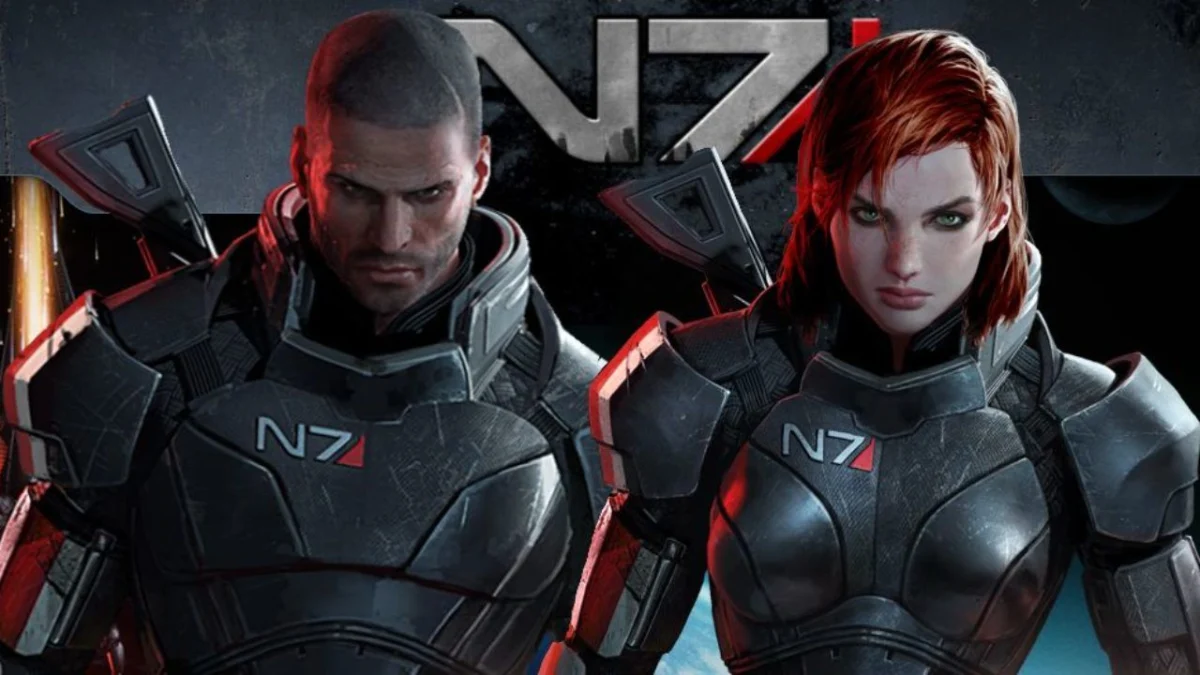
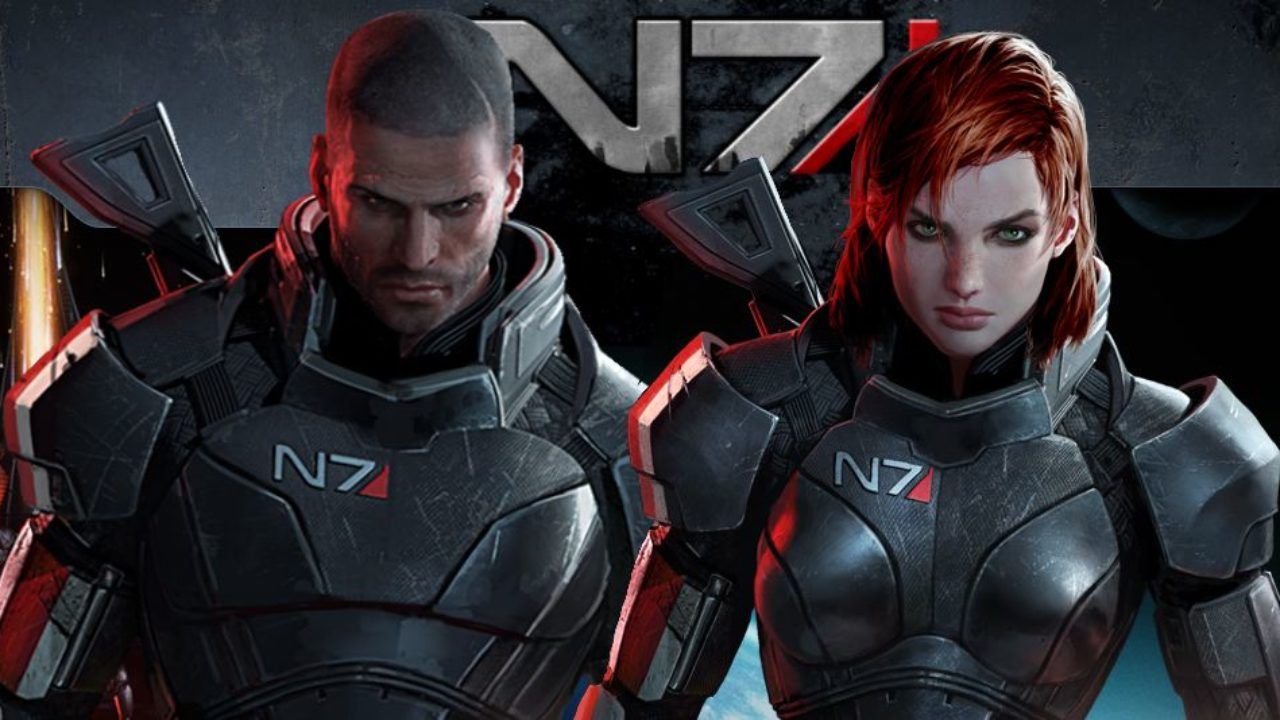
In a touching and candid joint Instagram Live broadcast on October 21, veteran voice actors Jennifer Hale and Mark Meer—globally beloved for bringing the iconic male and female versions of Commander Shepard to life in BioWare’s legendary Mass Effect franchise—directly addressed their fans in the wake of devastating industry news. The stream followed a wave of online leaks regarding Mass Effect 5 and the catastrophic fallout from corporate consolidation affecting legendary studio BioWare.
The closure and restructuring of BioWare, driven by wider economic pressures and turbulent private equity acquisitions involving Electronic Arts (EA), have left thousands of developers unemployed and a massive void in the heart of the Canadian video game development landscape. While corporate decisions have brought an end to BioWare as generations of gamers knew it, Hale and Meer offered messages of grief, solidarity, and cautious hope, reminding the global gaming community that the spirit of Mass Effect and the bonds formed by its fanbase cannot be easily erased by corporate balance sheets.
Chronology: A Timeline of Decline, Acquisition, and Community Resilience
To understand the weight of Hale and Meer’s recent statements, it is crucial to trace the sequence of events that led to the current crisis surrounding BioWare and its parent company, Electronic Arts:
The Golden Age of BioWare (Late 1990s–2010s): Founded in Edmonton, Alberta, Canada, in 1995 by medical graduates Ray Muzyka and Greg Zeschuk, BioWare established itself as the premier developer of Western role-playing games (RPGs). Hits like Baldur’s Gate, Star Wars: Knights of the Old Republic, Dragon Age, and the Mass Effect trilogy cemented the studio’s reputation for deep storytelling, memorable characters, and player-choice mechanics.
The EA Acquisition (2007): Electronic Arts acquired BioWare’s parent company, VG Holding Corp., bringing the studio into a massive corporate ecosystem. While this provided large budgets for ambitious projects, it also subjected BioWare to the aggressive quarterly profit margins and shifting market trends characteristic of publicly traded conglomerates and private equity influences.
Decade of Turbulence (2010s–Early 2020s): Following the controversial endings of Mass Effect 3 and the rocky launches of Mass Effect: Andromeda and Anthem, BioWare struggled to recapture its former critical consistency. Key leadership departures left the studio searching for an identity.
Recent Leaks and Corporate Restructuring (Late 2024): Online leaks regarding the development status of Mass Effect 5 sparked intense fan speculation. Concurrently, broader industry contractions, layoffs, and ownership shifts—including maneuvers tied to EA’s financial positioning involving the Saudi Public Investment Fund and other equity holders—resulted in sweeping structural changes, effectively dismantling the original iteration of BioWare.
October 21, 2024: Jennifer Hale and Mark Meer host an impromptu Instagram Live stream to address the community, mourn the studio’s loss, offer sympathy to displaced developers, and rally fans for upcoming community milestones like N7 Day and the approaching 20th anniversary of Mass Effect 1.
Supporting Data: The Anatomy of Industry Consolidation and Corporate Disconnect
The heartbreak voiced by Hale and Meer highlights a systemic issue currently plaguing the interactive entertainment industry: unchecked corporate consolidation. As major publishers absorb smaller studios to mitigate financial risk, creative oversight is frequently replaced by cold metrics.
[Traditional Independent Studio]
       │ (Creation of beloved IPs like Mass Effect, Baldur's Gate)
       ▼
[Corporate Acquisition by Conglomerates/EA]
       │ (Focus shifts to short-term profits and scalability)
       ▼
[Private Equity & Market Pressures]
       │ (Prioritization of margins over creative vision)
       ▼
[Implosion / Studio Closure]
       │ (Mass layoffs, disruption of local tech hubs like Edmonton)
       ▼
[Scattered Talent & Orphaned IPs] (Future uncertain for classic franchises)
As industry analysts have frequently noted, private equity and massive corporate restructuring often treat intellectual properties (IPs) as financial instruments rather than cultural artifacts. When corporate ownership fails to understand the emotional and artistic value of properties like Mass Effect, the risk of mismanaged assets increases exponentially.
A prime historical precedent of this corporate neglect is EA’s stewardship of the Ultima series. Created by Richard Garriott, Ultima was foundational to both Western and Japanese RPG design. Yet, under EA’s management, the franchise has remained dormant for over two decades, nearly fading from collective memory due to corporate apathy. The fear among fans is that BioWare’s legendary portfolio—including Mass Effect and Dragon Age—could suffer a similar fate, sitting idle in a digital vault unless forced into the hands of someone who genuinely values them.
Official Responses: Inside the Instagram Live Broadcast
The contrasting perspectives shared by Jennifer Hale and Mark Meer during their October 21 broadcast illuminated two different facets of the tragedy: the macro-level systemic collapse of game development and the micro-level cultural impact on local communities.
Jennifer Hale on Corporate Blobs, Worker Displacement, and Wild Optimism
Jennifer Hale, whose voice acting credits span nearly every major franchise in gaming history, focused heavily on the plight of the developers and the cyclical nature of corporate capitalism:
"I feel weirdly hopeful, and I can’t explain why. I feel for the employees who are suddenly unemployed. That is the number one thing on my mind. Those beautiful team members who are looking for a new home… It’s really hard to think about BioWare being shut down, but it was in the hands of ownership that may not have understood what BioWare fully is."
Hale went on to critique the current state of industry economics, noting how massive corporate entities behave like "big blobs" that eventually implode under the weight of their own profit-driven mandates:
"It’s wild to watch the consolidation of the industry. Companies are consuming companies are consuming companies… When that cell implodes on itself, all those parts of the cell go out into the world, and they get to reseed somewhere. I just don’t feel like it’s done. That version of it is done, but the original version of it was done some time ago."
Though she humorously floated the idea of a community-based Kickstarter to buy back the intellectual property—a pipe dream given the multimillion-dollar valuation of AAA franchises—her underlying point resonated deeply: the creative lifeblood of these studios cannot be destroyed, only scattered to seed new, independent creative ventures.
Mark Meer on Local Identity, Edmonton’s Loss, and Fan Resilience
Mark Meer grounded the discussion in the geographic and cultural identity of Edmonton, Alberta, where BioWare was born and raised. For Meer, the studio’s decline is not just a corporate restructuring; it is a localized cultural wound:
"It is very sad news… It is a massive loss for Edmonton, for Canada, and for the video game industry in general. It’s very unfortunate to see. And of course, I feel very bad as well for all of the fans… BioWare was an Edmonton company. It meant a lot to the acting community in Edmonton. There was this major videogame company that was producing games right there in the prairies, in our city."
Despite the grim reality of the studio’s closure, Meer emphasized that the community remains unbroken. He urged fans to look forward to upcoming traditions:
"The thing is, Mass Effect is going to be around as long as the fans keep it alive… Speaking for myself, as long as people keep tagging me in their cosplay pics, or sending me fanart, or tagging me in their fanart, I’ll continue to [share it]. We’re still going to be celebrating N7 Day this year… We will come together. Next year is the 20th anniversary of the release of Mass Effect 1… We might not have corporate support behind us, but we’re going to be celebrating the 20th anniversary next year."
Implications: What Lies Ahead for BioWare’s Legacy and the RPG Genre?
The fallout from BioWare’s restructuring forces a hard look at the fragility of AAA game development. As talented developers disperse into the independent scene or form new boutique studios, the traditional model of massive, decade-long AAA development cycles faces unprecedented scrutiny.
Several key implications emerge from this pivotal moment in gaming history:
The Rise of Independent Studios: Just as Hale noted that scattered cells of developers will "reseed somewhere," the industry is likely to see an influx of veteran-led indie and mid-tier studios. Free from the crushing profit margins of conglomerates like EA, these creators are better positioned to innovate within the RPG genre.
The Peril of Corporate IP Hoarding: Massive publishers holding dormant IPs face growing pressure from fans and cultural historians. If companies like EA refuse to develop or sell cherished franchises, community-driven preservation and independent storytelling will become even more vital.
The Power of Community Persistence: As Meer pointed out, traditions like N7 Day and anniversary celebrations belong to the fans, not the boardroom. The longevity of Mass Effect is no longer tethered exclusively to corporate product release schedules; it has evolved into a self-sustaining cultural touchstone driven by cosplayers, writers, artists, and actors.
The Search for Eccentric Patrons: In an era where traditional funding models and government interventions (such as calls for nationalization or public buyouts) remain unlikely, the preservation of beloved creative properties may increasingly rely on eccentric, benevolent billionaires or alternative cooperative models—similar to how independent media outlets like The Onion found new life under unconventional ownership.
Ultimately, while the corporate entity known as BioWare may have changed beyond recognition, the stories told, the characters loved, and the communities forged over the last three decades remain untouched by private equity ledgers. As Commander Shepard proved across three unforgettable games, in the face of insurmountable odds, unity and resilience are humanity’s greatest weapons.