

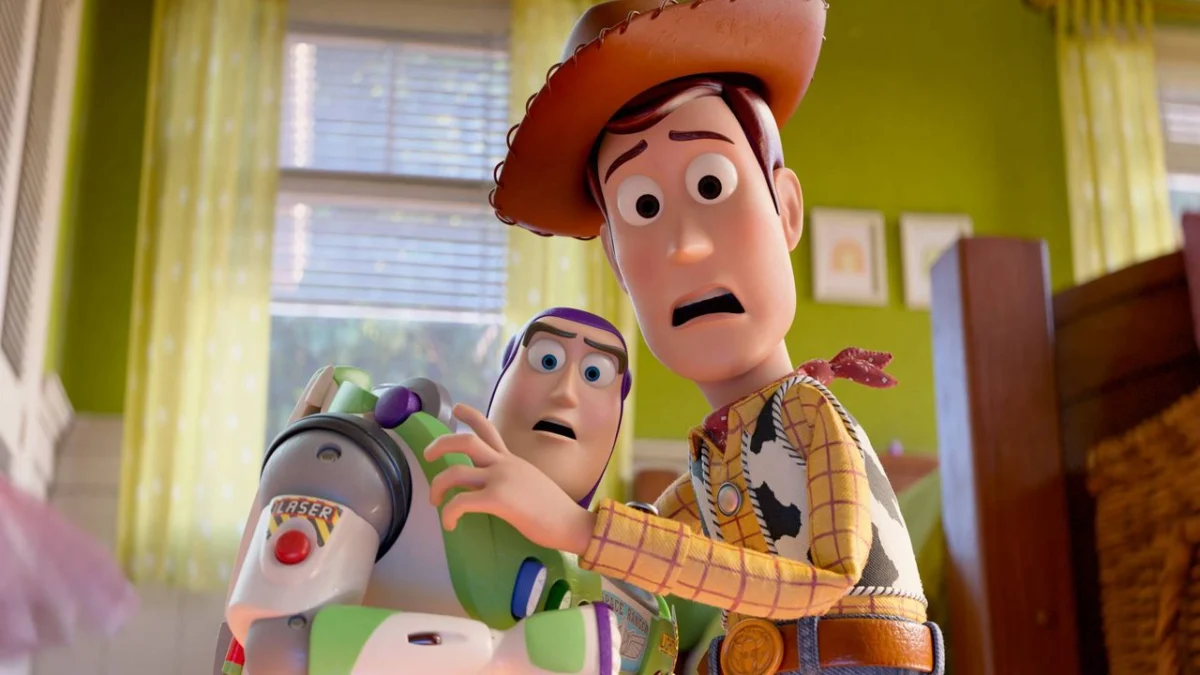
The Toy Story franchise has long been the crown jewel of Pixar Animation Studios, not merely for its technical innovation as the first feature-length computer-animated film, but for its profound exploration of loyalty, obsolescence, and the passage of time. When the credits rolled on 2019’s Toy Story 4, audiences were left in a state of collective emotional turbulence. The departure of Woody—the sheriff who had anchored the series since 1995—from the comfort of Bonnie’s room to join Bo Peep in the life of a "lost toy" felt like a definitive finality.
However, as the industry prepares for the June 19, 2025, release of Toy Story 5, the narrative landscape is shifting. Director Andrew Stanton has confirmed that the separation between our favorite space ranger and his sheriff counterpart was never as permanent as fans feared. Far from being a story of total estrangement, the upcoming film promises to explore how the duo maintained their connection across the years, redefining the nature of their partnership for a new era of storytelling.
A Chronology of Connection: Dispelling the Myth of Estrangement
For many viewers, the image of Buzz Lightyear and Woody parting ways at the carnival in Toy Story 4 was framed as a tragic severance of their "best friend" status. Yet, according to director Andrew Stanton, this interpretation overlooks the evolution of their relationship.
"It’s been a little under a decade," Stanton remarked in an exclusive interview with GamesRadar+ during the film’s press tour in London. "People come back and visit, and it’s like a nice visit. I hope you don’t spend that long waiting until you see your old friend again. It wasn’t yesterday."
This clarification fundamentally changes the audience’s perception of the intervening years. Instead of a seven-year void of silence, the toys utilized the resources at their disposal to bridge the gap. Stanton suggests that the bond formed over decades of service to Andy and Bonnie was far too resilient to be severed by a simple change in zip code.
"I always knew at the end of Toy Story 4, they’d keep in touch," Stanton explains. "They’d send a postcard; they have the walkie-talkie system. Woody says, ‘It’s a good thing we were in town.’ It’s like relatives that you like keeping in touch with. I wanted to believe that through all those years between that last movie and this one, they’ve visited."
The Pivot Point: Jessie at the Center of the Storm
While the reunion of Buzz and Woody serves as the emotional bedrock of the new film, the narrative focus shifts significantly toward Jessie the Yodeling Cowgirl. As Jessie attempts to navigate the complexities of being a "lead" toy while trying to help Bonnie forge new social connections, she finds herself facing a crisis of confidence.
Producer Lindsey Collins highlights the distinct, necessary roles that both Buzz and Woody play in supporting Jessie’s journey. "Each of them plays a very different role for Jessie in her life," Collins notes.
The dynamics are clear: Buzz, having harbored a long-standing and often unrequited affection for Jessie, acts as her steadfast partner. "Buzz has obviously always had this unrequited love, and he’s never going to leave Jessie," Collins says. "It’s fun to watch that in this film, how much he’s like, ‘Oh my god, I love her so much.’"
Woody, conversely, occupies the role of the seasoned mentor. As Jessie grapples with the pressures of her responsibilities, she turns to the sheriff not to solicit his return to the bedroom, but for the clarity only he can provide. "When she’s having this massive bout of insecurity, it just made so much sense that he’s who she would call just to be like, ‘Woody, is it me? I’m failing?’" Collins adds. This distinction is crucial—the film is not a reversal of Woody’s decision to leave, but an expansion of his role as an eternal touchstone for his friends.
The Deputy’s Duty: Tim Allen on Buzz’s Evolution
For Tim Allen, who has provided the voice of Buzz Lightyear since the franchise’s inception, the return to this world has been a deeply personal experience. The character of Buzz has undergone a significant transformation, moving from the deluded space explorer of the 90s to the reliable, smitten deputy of Toy Story 5.
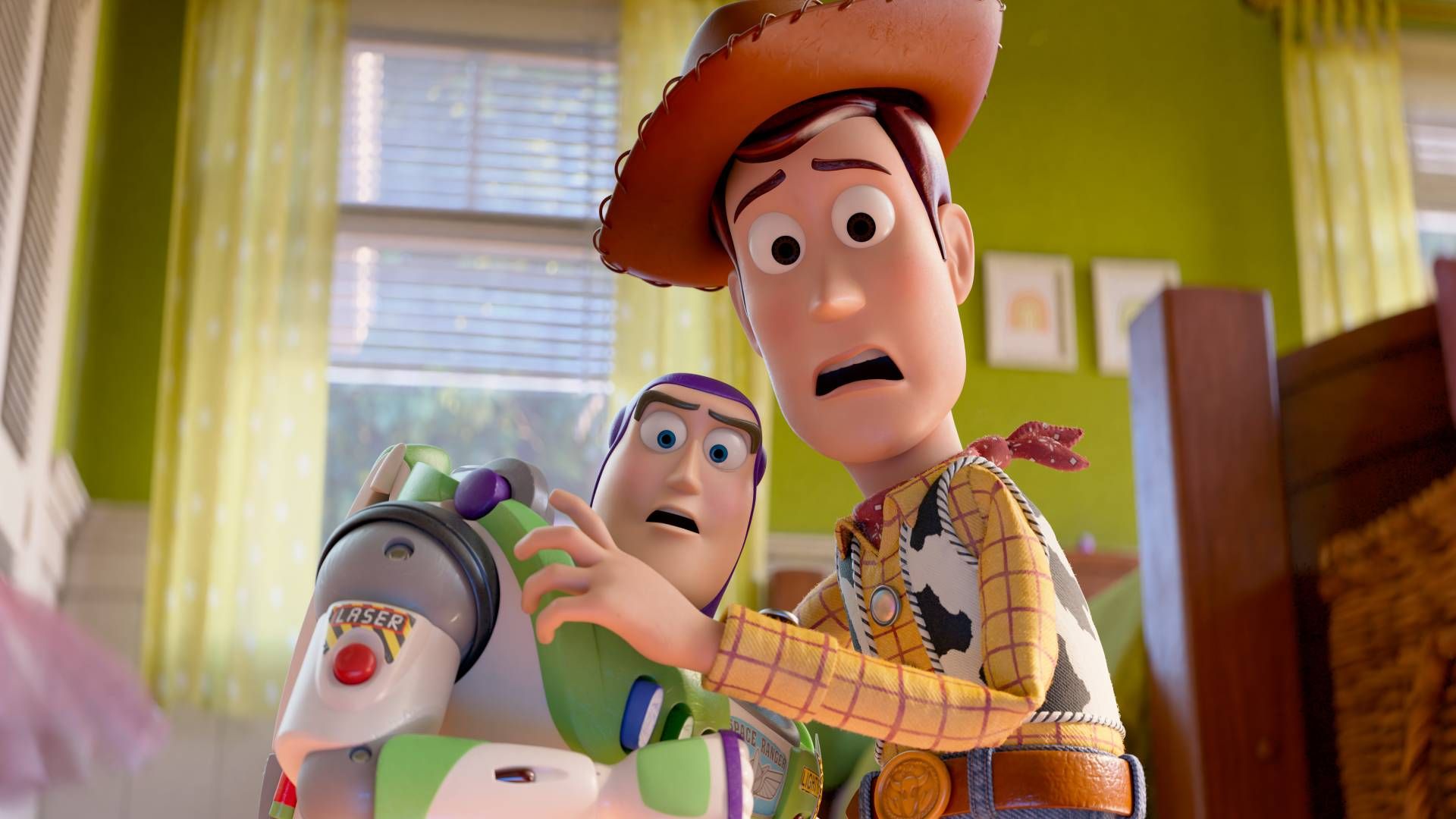
"She trusted him to be [deputy], that was a big deal," Allen reflects on the dynamic between Buzz and Jessie. "Had to remind [Woody] several times, love that scene. And yes, he is smitten with her."
Perhaps the most poignant aspect of the production for the actors was the chance to rectify the painful goodbye they filmed years ago. The emotional weight of the fourth film’s ending was not lost on the cast. Allen shares that the inclusion of a reunion scene was a request he felt was necessary for both the characters and the audience.
"They added that scene, which I love, that we hugged each other," Allen says. "I said, ‘I missed you’ real quick and got it over with. But I really wanted that, because it was real difficult to say goodbye when we were in Toy Story 4."
Implications for the Pixar Canon
The decision to bring Buzz and Woody back together—even in a capacity that acknowledges their separate lives—speaks to the broader implications for the Toy Story brand. By maintaining their friendship, Pixar avoids the "reboot trap" of erasing the emotional growth achieved in previous installments. Instead, they are showcasing a "mature" version of these characters: toys who have moved beyond the singular need to be "Andy’s toy" or "Bonnie’s toy" and have transitioned into a support network for one another.
This shift mirrors the audience’s own relationship with the series. The children who watched the original film in 1995 are now adults, many with children of their own. The narrative maturity, which sees the toys dealing with distance, mentorship, and the complexities of adult-like relationships, resonates with a demographic that has aged alongside these plastic protagonists.
Furthermore, by centering Jessie’s quest to make friends for Bonnie, the film pivots from the "toy-in-peril" trope to a more nuanced exploration of how toys facilitate the social and emotional development of children. The stakes in Toy Story 5 are not just about survival, but about the mission of the toy: to be there for their child during the most difficult transitions of life.
A Legacy of Longevity
As we approach the June 19 release, the anticipation is palpable. Toy Story 5 represents a bridge between the classic era of Pixar and its future. It is a testament to the strength of the original character designs—both physical and narrative—that the bond between a sheriff and a space ranger can sustain five feature films, multiple shorts, and nearly three decades of cultural relevance.
The film promises to deliver the humor, heart, and high-stakes adventure that the franchise is known for, but with a refined emotional depth. Whether it is through the walkie-talkies, the postcards, or the secret reunions, the message is clear: even when toys move on to new rooms or new lives, the connections they forge in the toy box are enduring.
As fans prepare for their next trip to the theater, they can take comfort in the fact that while the toys may have grown up, they have not grown apart. Woody and Buzz are still there, standing by each other, ready to offer counsel, support, and the occasional hug, ensuring that for them—and for us—there is always a reason to reach for the sky.
For those tracking the latest developments in the Pixar cinematic universe, Toy Story 5 is set to hit theaters on June 19. Be sure to check our updated guides on all upcoming Disney releases to stay informed as we count down the days to the next chapter of this iconic saga.

