

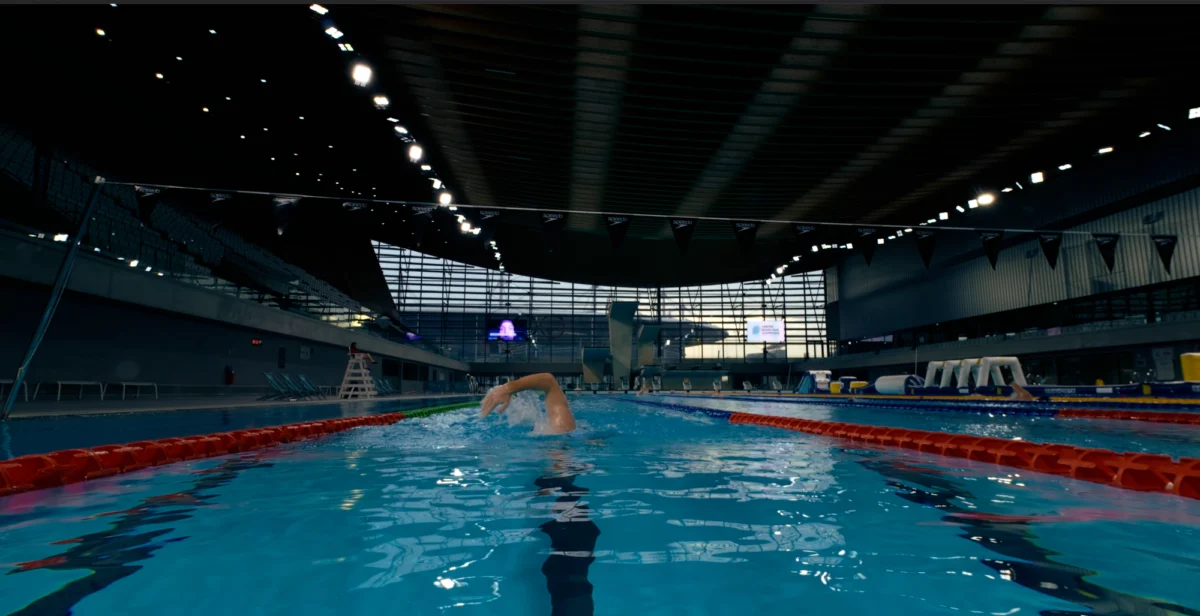
The landscape of sports documentary filmmaking is undergoing a tectonic shift. As high-fidelity spatial computing becomes more accessible, the barrier between the viewer and the athlete is evaporating. The latest testament to this evolution is The Longest Day, a visceral, seven-minute immersive short film now available for free on the Apple Vision Pro via the Amplium and Theater applications.
Directed by the creative team at altitude.101, the film chronicles the grueling training regimen of triathlete Jules Wagner as he prepares for the Ironman and pushes toward the ultimate goal of qualifying for the World Championships. While seven minutes may seem brief, the project serves as a masterclass in spatial cinematography, utilizing cutting-edge hardware to transform a standard sports profile into a high-stakes, sensory-heavy experience.
The Core Narrative: A Triathlete’s Crucible
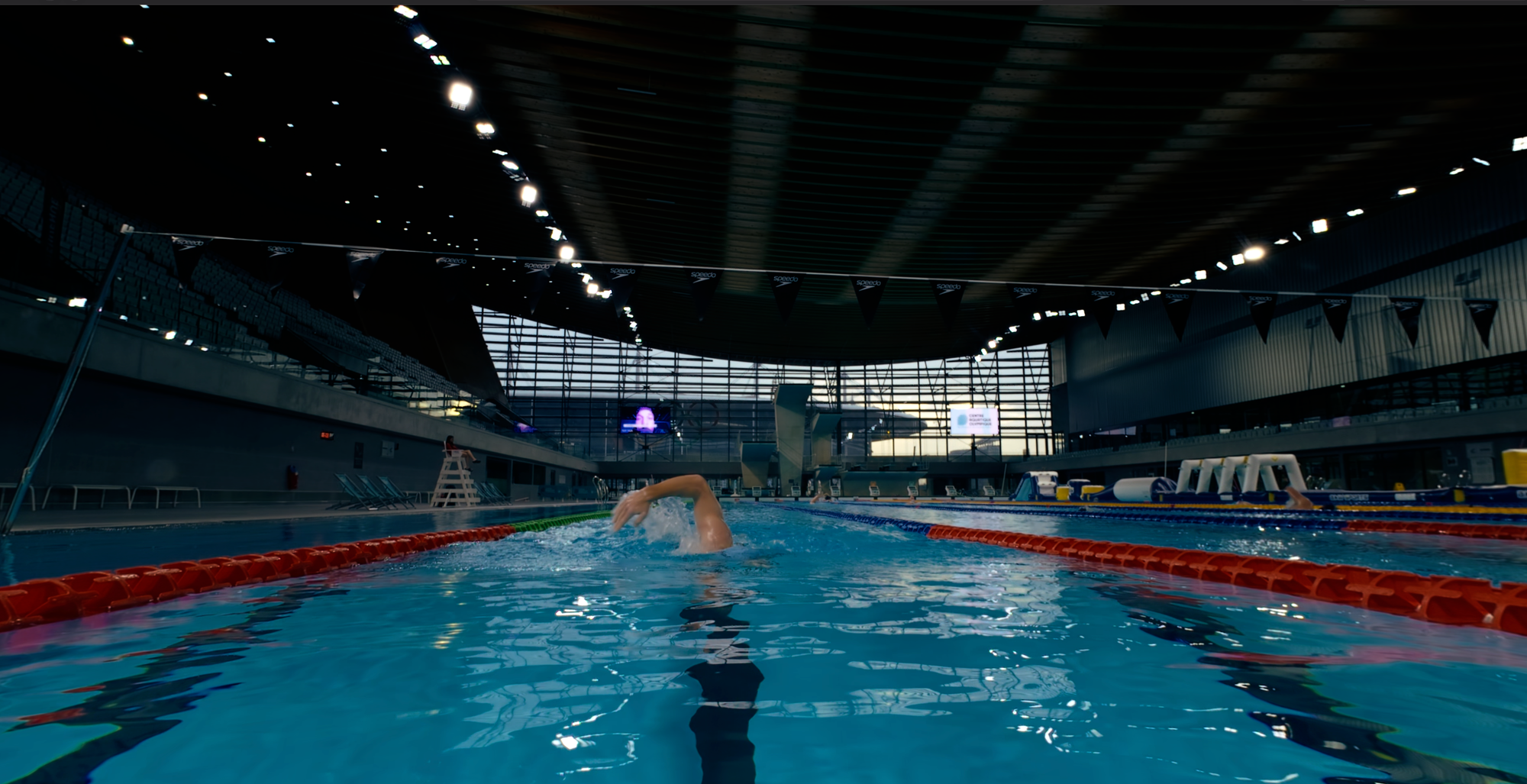
At its heart, The Longest Day is a study of human endurance. The documentary bypasses the traditional "talking head" interview style in favor of an experiential approach. Viewers are not merely watching Jules Wagner train; they are placed within the draft of his cycling sprints, submerged alongside him in the water, and standing mere inches from him as he pushes through the mental and physical exhaustion inherent in Ironman preparation.
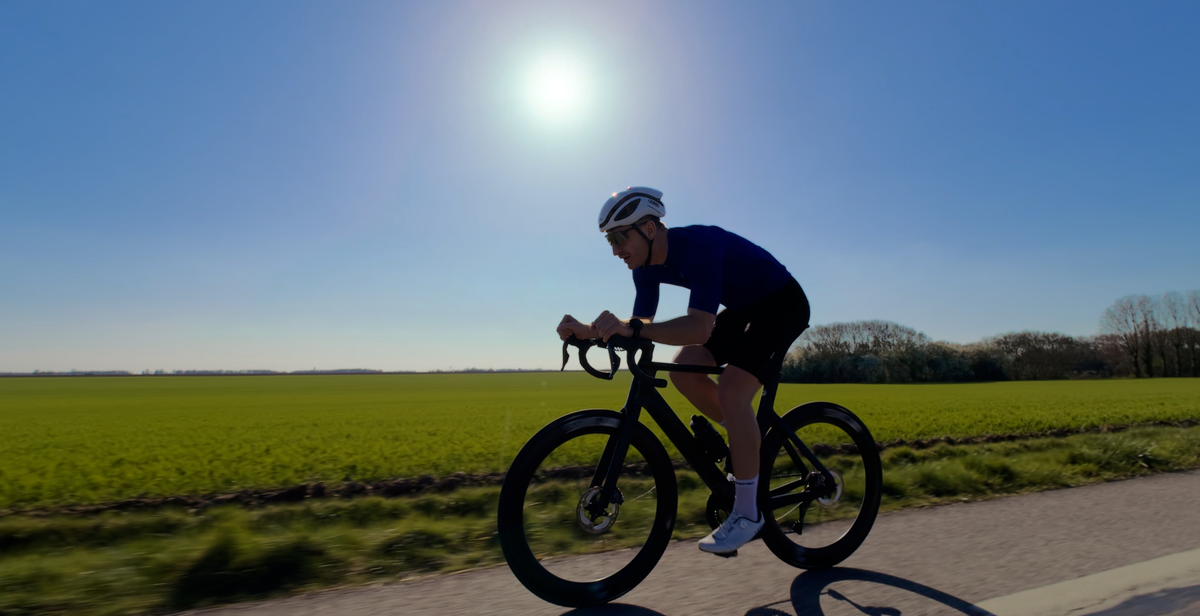
The film successfully distills the essence of the "Ironman" spirit: the relentless pursuit of performance, the inevitability of setbacks, and the unwavering discipline required to keep moving forward. By focusing on the intensity of the training rather than just the final race, altitude.101 provides a poignant, if concise, window into the life of an elite athlete.
Chronology of Production: Technical Innovation
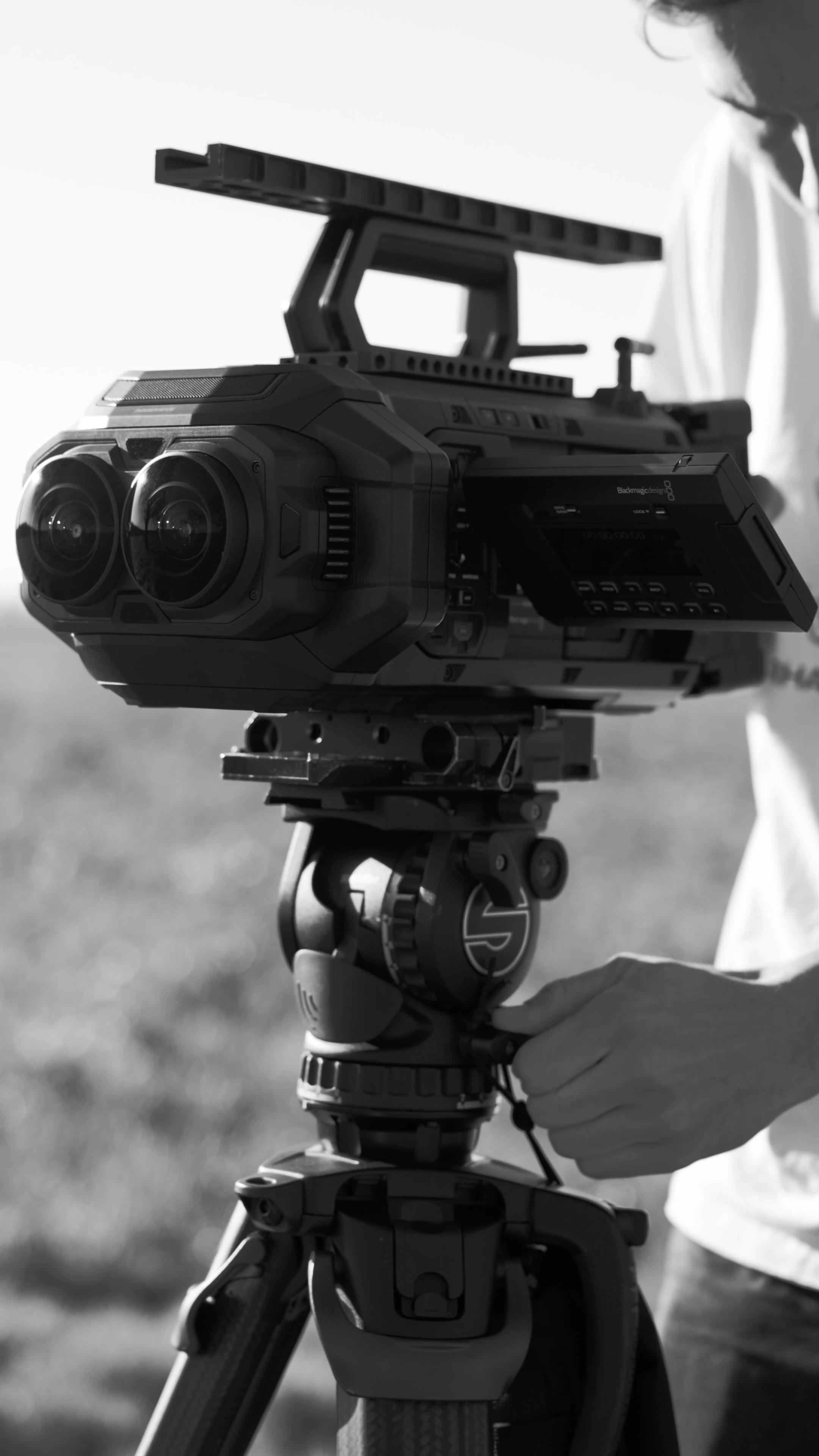
The production of The Longest Day represents a significant leap in how spatial documentaries are captured. The creative team leaned heavily on the Blackmagic URSA Cine Immersive camera, a piece of equipment that allows for the high-dynamic-range, high-resolution capture necessary for the Apple Vision Pro’s displays to feel truly lifelike.
The Production Timeline and Techniques:
- Preparation and Rigging: Rather than relying on static tripods, the team developed bespoke mounts. This included a high-speed camera crane attached to a chase vehicle, allowing for a "ride-along" perspective that captures the sheer velocity of Wagner’s cycling.
- Water Immersion: To capture the swimming sequences, the crew utilized custom-built, water-sealed housings for the URSA Cine, placing the viewer directly in the wake of the athlete.
- Post-Production Synthesis: The editing process involved layering traditional 2D footage with spatial elements. By integrating heat-map visualizations and stylized text overlays, the film provides a data-driven layer to the physical exertion.
- Distribution: Following completion, the studio partnered with the Amplium and Theater platforms to ensure a seamless delivery to the Vision Pro ecosystem, complete with multi-language subtitle support (English, German, and Japanese).
Creative Choices in Service of the Story
What distinguishes The Longest Day from typical VR experiences is its refusal to settle for a single visual language. The film is a collage of perspectives.
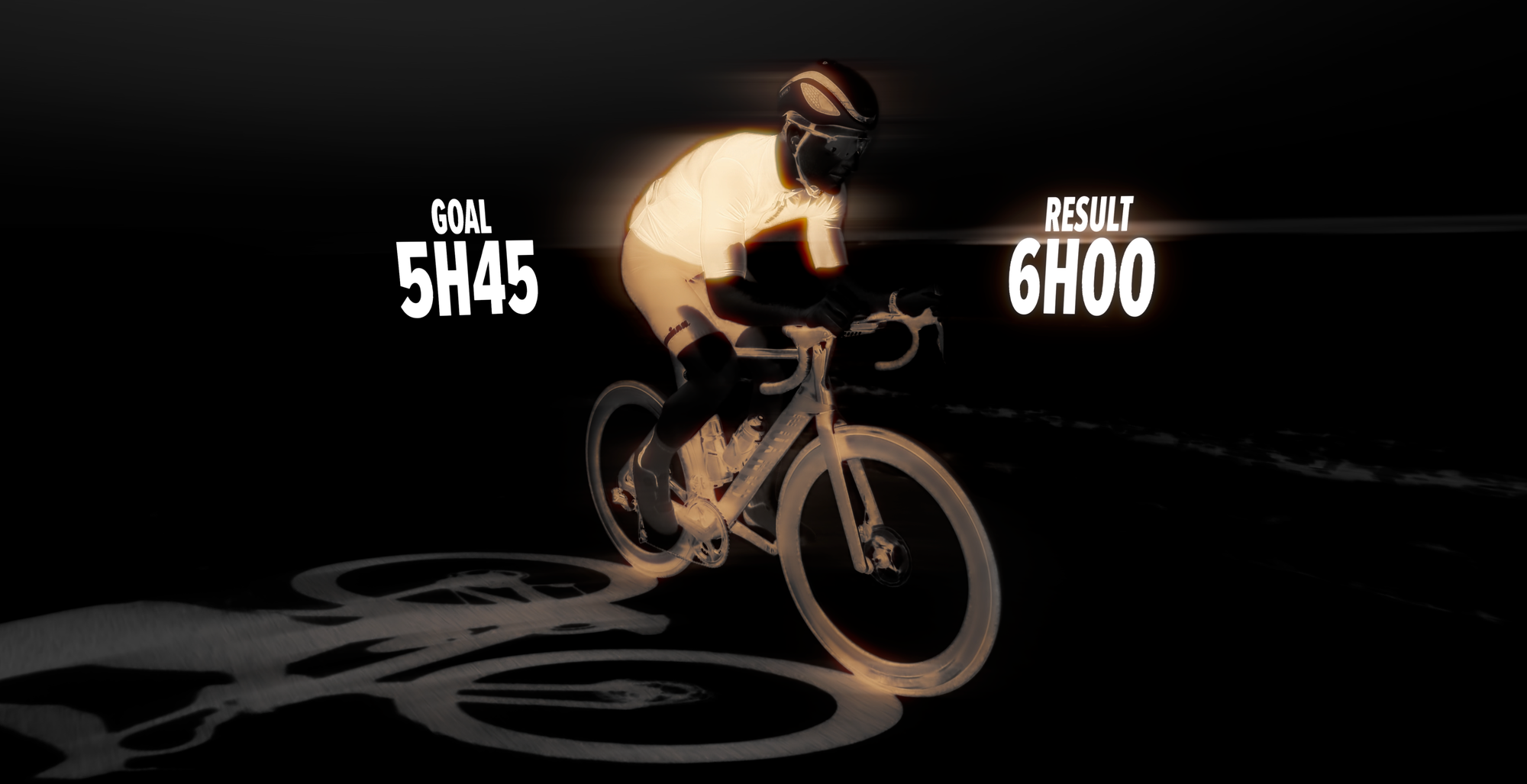
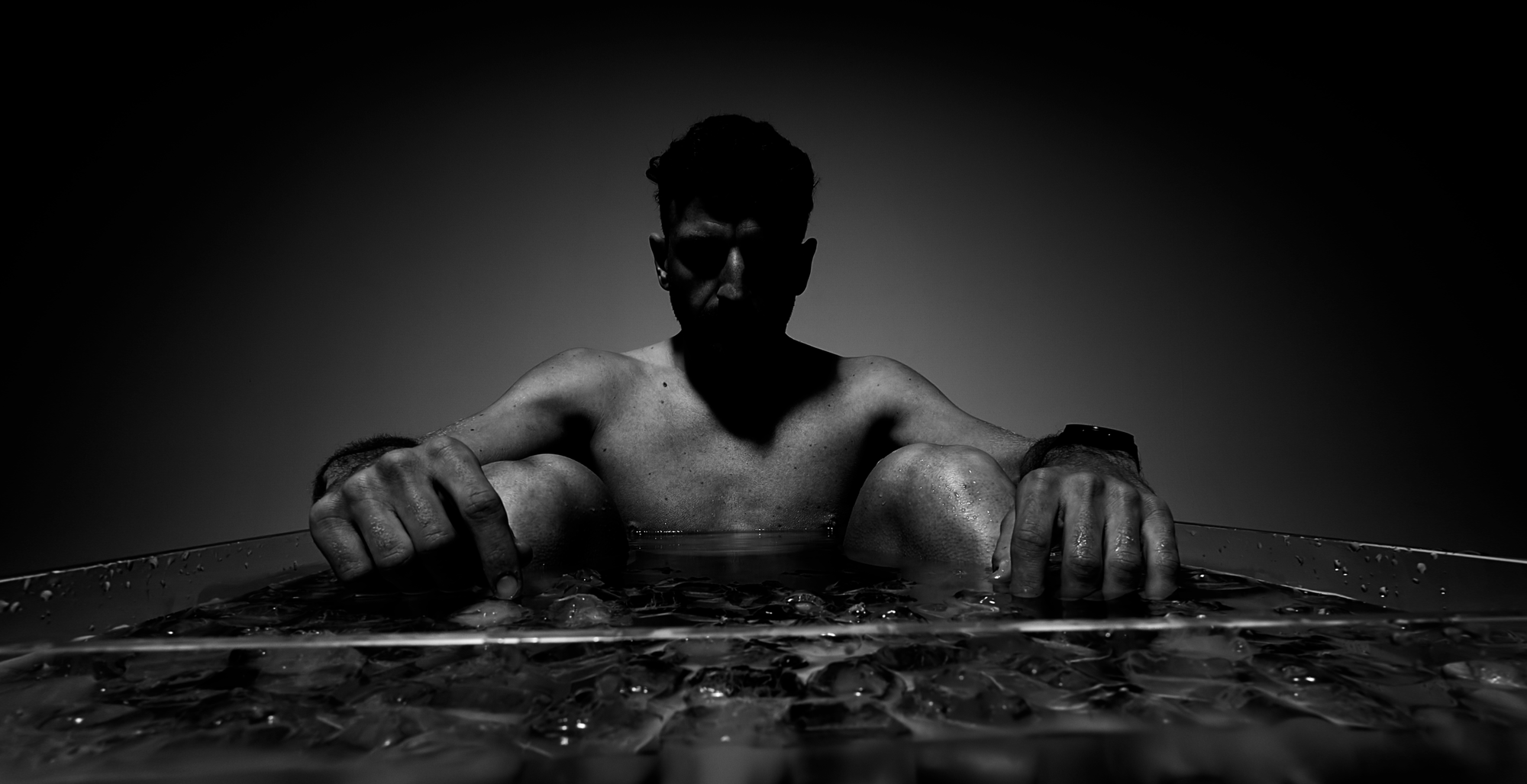
The use of the camera crane at full speed is particularly notable. While some viewers may find the intensity of the speed "jarring," this is a calculated creative choice. It forces the audience to confront the physical realities of the sport rather than observing them from a safe, cinematic distance. Conversely, the film balances these high-octane moments with intimate, still shots—frequently involving direct eye contact with Wagner—which ground the experience in human emotion.
The integration of metadata, such as heart-rate heat maps, serves a narrative function. It bridges the gap between the internal, invisible struggle of the athlete and the external, visible exertion. These stylized sequences prevent the documentary from becoming a mere "highlight reel," elevating it instead to a diagnostic look at what it means to push the human body to its absolute limits.
Supporting Data: The Value of Immersive Media
The release of The Longest Day coincides with a broader trend in the sports industry: the monetization and engagement potential of "behind-the-scenes" access. According to the 2025 Kearney report on the global sports market, the sector is valued at over $400 billion. Historically, this valuation has been driven by broadcast rights and sponsorship. However, as immersive technology reaches a broader audience, the nature of these rights is changing.
Immersive sports content represents a new pillar of value: Presence. Fans are no longer satisfied with watching a game from a broadcast angle; they crave the "courtside" or "in-the-huddle" experience. By providing this, creators can generate deeper emotional connections with athletes and franchises. When an audience feels a personal, proximity-based connection to a subject, their brand loyalty and engagement metrics see a measurable uptick. The Longest Day is not just a film; it is a proof-of-concept for a new category of premium sports digital assets.
Implications: The Future of Sports Media
The success of The Longest Day, alongside recent productions like Real Madrid: The Weight of Greatness, signals a shift in the sports media landscape.
1. The Death of the "Passive" Broadcast
The traditional TV model is built on the director’s choice of shot. In the world of spatial video, the viewer has more agency. Even in a directed documentary like this, the depth and scale offered by the Vision Pro allow the viewer to look around the environment, creating a sense of "being there" that television cannot replicate.
2. Democratization of Access
Previously, seeing an elite athlete train in such detail was a privilege reserved for coaches, family members, or high-end documentary crews. Immersive tech democratizes this access. An athlete training in a remote location can now share their process with millions, potentially opening up new avenues for sponsorships that are not just reliant on competitive results, but on the strength of their personal brand and the "vibe" of their training environment.
3. Challenges and Growth
Despite the excitement, the format faces hurdles. Motion sickness remains a concern for "high-speed" immersive content, and the high barrier to entry for hardware (like the Apple Vision Pro) means the audience is currently limited. However, as the hardware becomes lighter and more affordable, the demand for this type of content is expected to skyrocket.
Concluding Thoughts
The Longest Day is a compact, punchy, and visually daring documentary that proves sports storytelling is a perfect fit for the spatial era. While it leaves the viewer wishing for a slightly deeper dive into the personal life of Jules Wagner, it succeeds where it matters most: it makes the audience care about the athlete’s journey.
By utilizing high-end cinematic tools and pushing the boundaries of traditional camera work, altitude.101 has set a new benchmark for what fans should expect from sports content. As the industry looks toward the next decade of media, one thing is clear: the future of sports isn’t just on the field—it’s in the room with the athlete.
For those with access to an Apple Vision Pro, The Longest Day is an essential download—a glimpse into the grueling, beautiful, and deeply personal world of the modern triathlete.

