

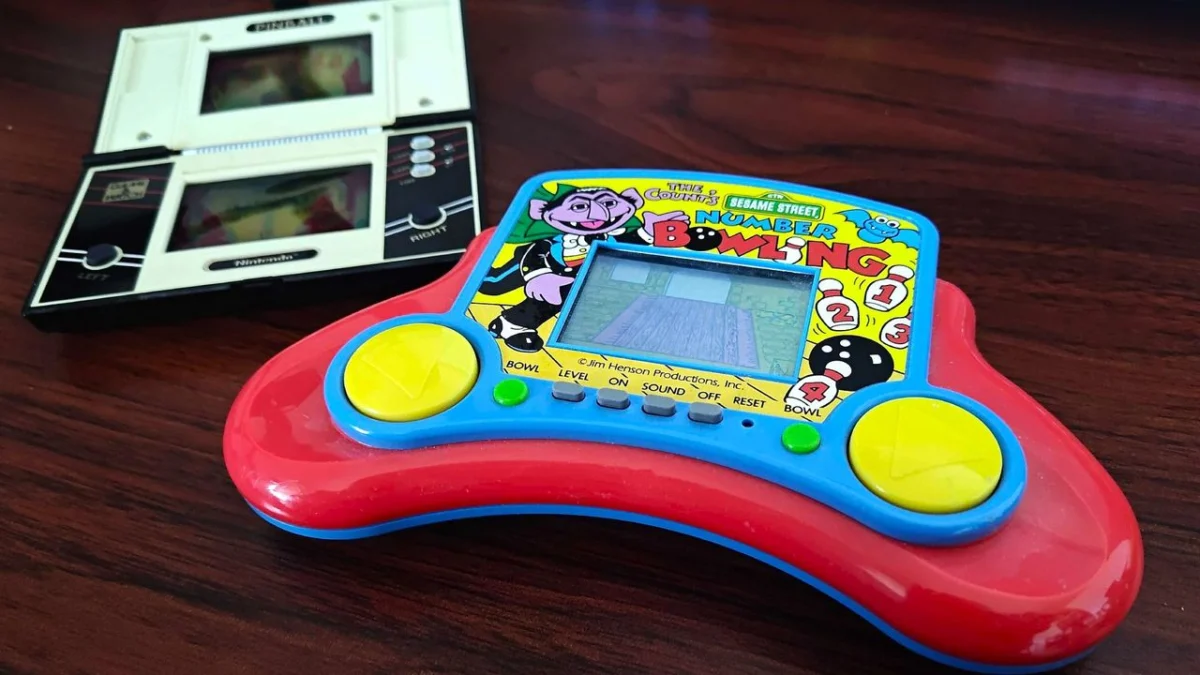
While the gaming industry frequently celebrates the preservation of iconic titles like Super Mario Bros. or The Legend of Zelda, a vast, fragile landscape of gaming history is quietly fading away: the world of LCD handhelds. Long before the era of high-definition mobile gaming, millions of children were glued to simple, segmented liquid crystal displays featuring primitive characters and repetitive, addictive gameplay. Today, a pioneering project known as BrickEmuPy is stepping in to ensure that these "stone-age" digital relics are not lost to the ravages of time and battery corrosion.
The Digital Archaeologists: What is BrickEmuPy?
BrickEmuPy is an open-source project spearheaded by developers Azya52 and Andrei Cherniaev. Built using Python and the PyQt6 framework, the emulator is specifically designed to replicate the logic and visual experience of fixed-background LCD handhelds.
Unlike modern emulators that require complex GPU acceleration, BrickEmuPy focuses on the unique architecture of simple electronic toys. These devices were not computers in the traditional sense; they were hard-wired logic circuits designed to trigger specific LCD segments in a predetermined sequence. By reverse-engineering these circuits, the developers are essentially creating a digital surrogate for the physical hardware.
The project currently boasts a library of over 60 preserved titles. This collection is eclectic, ranging from mass-market successes like Tamagotchis and Digimon Digivices to the obscure, budget-tier handhelds that populated toy store shelves in the 1990s. By dumping the ROMs from these devices, the team is effectively "immortalizing" software that was never intended to be archived.
A Breakthrough in Nintendo Preservation
One of the most significant milestones for the BrickEmuPy project occurred in July 2026, when the team successfully emulated the Nintendo Mini Classics Soccer unit, originally released in 1998 and re-released in 2004.
The Mini Classics series was a fascinating, albeit often overlooked, chapter in Nintendo’s hardware history. These keychain-sized devices were designed to mimic the form factor of the original Game & Watch series, providing a pocket-sized gaming experience that was far more portable than the Game Boy. Until now, these specific units had largely eluded the preservation community.
The successful dump of the Soccer title marks what is believed to be the first instance of a Mini Classic keychain being fully emulated. This is not merely a technical achievement; it is a cultural one. For collectors, the Mini Classics represented a bridge between the classic Game & Watch era and the modern handheld market. By bringing this title into the digital realm, Azya52 and Cherniaev have opened the door for the rest of the Mini Classics lineup to follow suit, potentially securing a corner of Nintendo’s history that risked being permanently discarded.
The Chronology of LCD Gaming: From Tiger to Mini Classics
To understand the importance of BrickEmuPy, one must look at the timeline of the LCD handheld boom.
- 1980–1985: The Dawn of Game & Watch. Nintendo revolutionized the market with its Game & Watch series, proving that portable electronic gaming was a viable commercial venture.
- 1985–1995: The Tiger Electronics Explosion. As patents expired and microchip costs plummeted, companies like Tiger Electronics, Systema, and various unbranded manufacturers flooded the market with inexpensive, single-game LCD handhelds. These devices often featured licensed properties (like Batman, The Little Mermaid, or Street Fighter) to drive sales.
- 1996–2005: The Keychain Revival. As the Game Boy Color and Game Boy Advance dominated the market, manufacturers pivoted to "keychain" variants. These were small, low-cost nostalgia plays, such as Nintendo’s Mini Classics, which allowed players to carry a piece of gaming history on their keys.
- 2020–Present: The Preservation Movement. With original hardware beginning to suffer from "LCD rot"—where the liquid crystal layers degrade and leak—collectors and developers began prioritizing the digital preservation of these ROMs.
The Cultural Significance of "Cursed" Hardware
While the gaming elite often focus on the "classics," the true value of a project like BrickEmuPy lies in its commitment to the "weird." The archive includes everything from promotional items—such as the Monster Munch Bat LCD game once distributed as a snack-food prize—to truly bizarre titles like the infamous "Melon Mover."
These games are often described by enthusiasts as "cursed" or "janky." They feature limited inputs, repetitive sound chips, and gameplay loops that make modern mobile games look like masterpieces of complexity. However, they represent a specific era of consumer culture. They were the "impulse buy" games of the 1990s, the devices found in cereal boxes or at checkout counters.
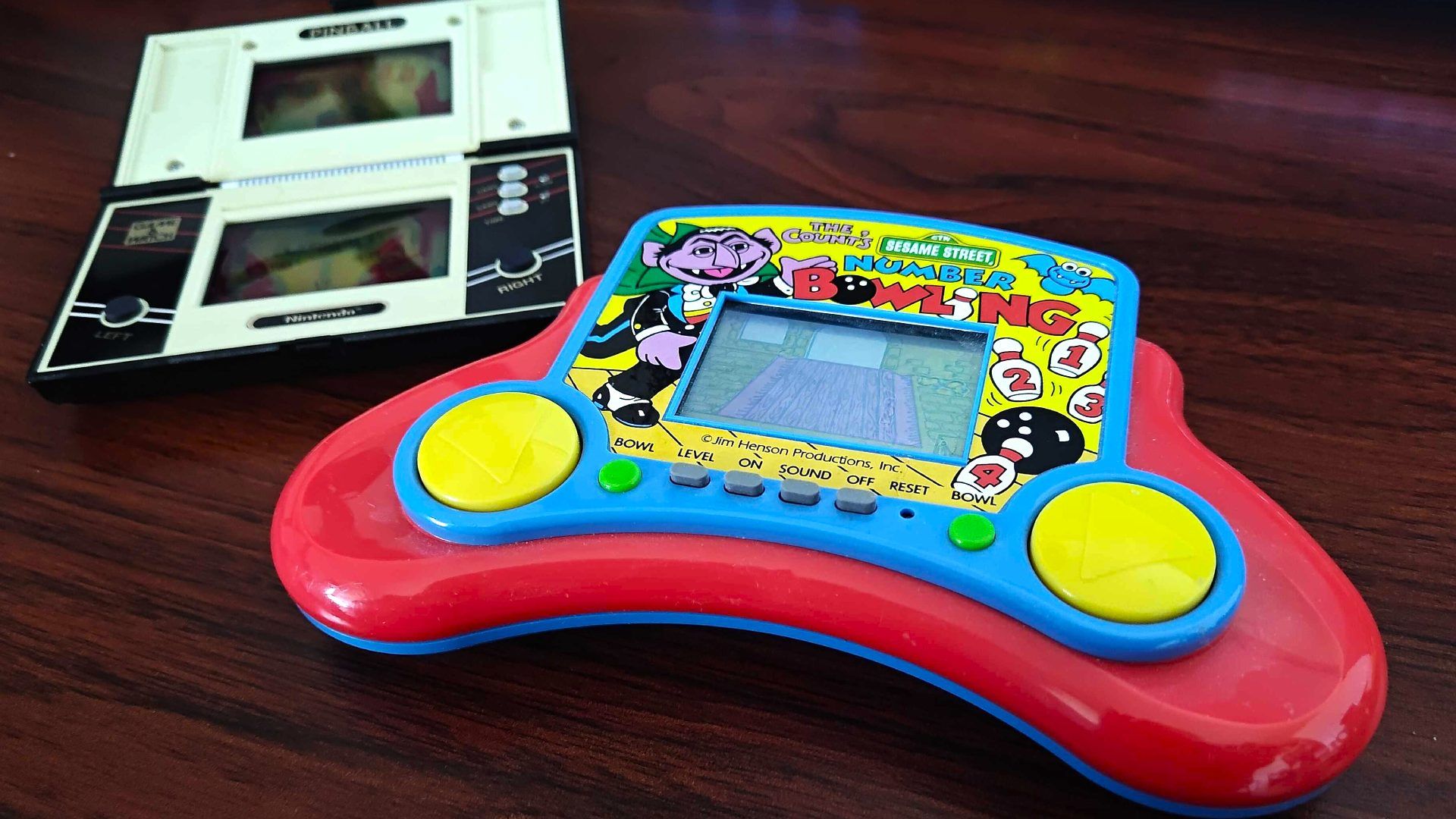
By preserving these, BrickEmuPy isn’t just saving code; it is saving the collective memory of a generation. If these devices are not emulated, they will vanish. Unlike a cartridge-based game that can be read by modern hardware, these LCD units were often fused or soldered shut. When they break, they are effectively dead. Emulation is the only way to ensure that a child from the 2030s can understand what it felt like to play a Vampire Attack handheld during a long car ride.
Challenges and Technical Hurdles
Preserving LCD games presents unique challenges compared to traditional console emulation.
- Hardware Complexity: Each LCD device often used a custom-made chip tailored to the specific game. There is no "universal" LCD architecture to emulate.
- The Display Factor: A significant part of the experience is the physical LCD screen. Replicating the "ghosting" effect, the specific color palette of the plastic overlays, and the way the segments light up is a design challenge for the GUI (Graphical User Interface).
- Physical Extraction: To dump a ROM, the device must often be physically opened, which risks damaging the delicate ribbon cables connecting the LCD to the PCB (Printed Circuit Board).
BrickEmuPy’s use of Python and PyQt6 allows for a level of flexibility that lower-level languages might struggle with. The developers can iterate quickly, adding support for new hardware definitions as they source more devices from the secondary market.
The Broader Implications for Preservation
The work done by the BrickEmuPy team highlights a growing tension in the gaming world: the shift toward a purely digital, subscription-based future. As gaming companies move toward cloud-based models, the ability for the public to own, archive, and preserve the software they play is becoming increasingly restricted.
Projects like this serve as a counter-narrative. They remind us that gaming history is not just the property of the corporations that created it; it is a shared human heritage.
Furthermore, the preservation of these devices provides a roadmap for future hobbyists. By documenting the process of dumping and emulating these handhelds, the developers are building a knowledge base that will outlive the devices themselves. Even if the hardware eventually crumbles into dust—as plastic and silicon inevitably do—the logic, the code, and the experience will remain accessible for researchers, historians, and nostalgic players alike.
Conclusion: Why We Must Remember the "Melon Mover"
It is easy to dismiss an LCD handheld game as a primitive toy unworthy of the effort required to preserve it. Yet, the history of technology is often written in these small, overlooked chapters. Whether it is a Nintendo-branded Mini Classic or an unbranded "Vampire Attack" knock-off, each device tells a story about the limits of engineering at the time and the boundless creativity used to bring gaming to the masses.
BrickEmuPy is a testament to the passion of the retro gaming community. It is a project that looks at a piece of discarded plastic and sees, not trash, but a portal to the past. As we continue to sail toward a future of high-fidelity, all-digital experiences, the act of preserving these simple, flickering screens becomes more vital than ever. We owe it to the future to ensure that even the most "cursed" of our childhood toys are never truly lost to the void.
For those interested in exploring the project or contributing to the preservation effort, the BrickEmuPy repository is available on GitHub, where developers continue to add new assets and refine the emulation logic for the next wave of classic handhelds.

