

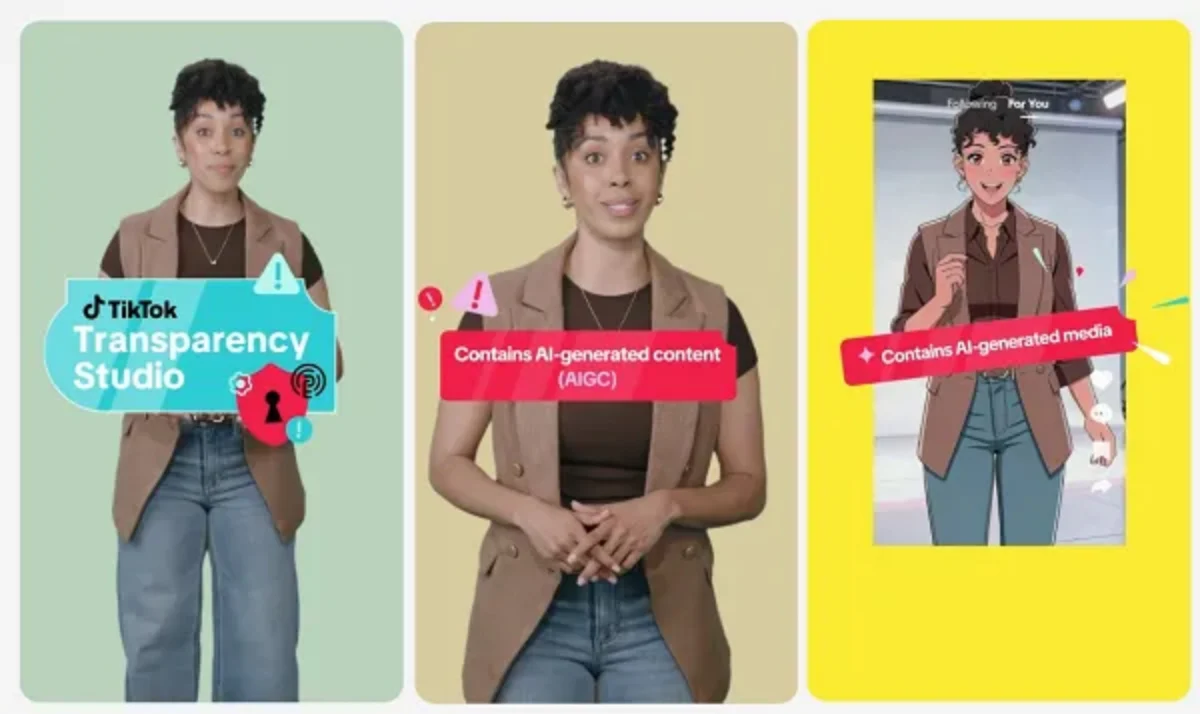
In the rapidly evolving landscape of digital media, TikTok finds itself at a critical juncture. Once a pioneer in the implementation of transparency labels for generative AI (GenAI), the platform is now confronting the harsh reality that static warnings are insufficient to curb the tide of synthetic content. As the distinction between human-created and machine-generated media continues to blur, TikTok is shifting its strategy from passive labeling to active user education, attempting to foster a more discerning digital citizenry.
The Evolution of TikTok’s AI Transparency Strategy
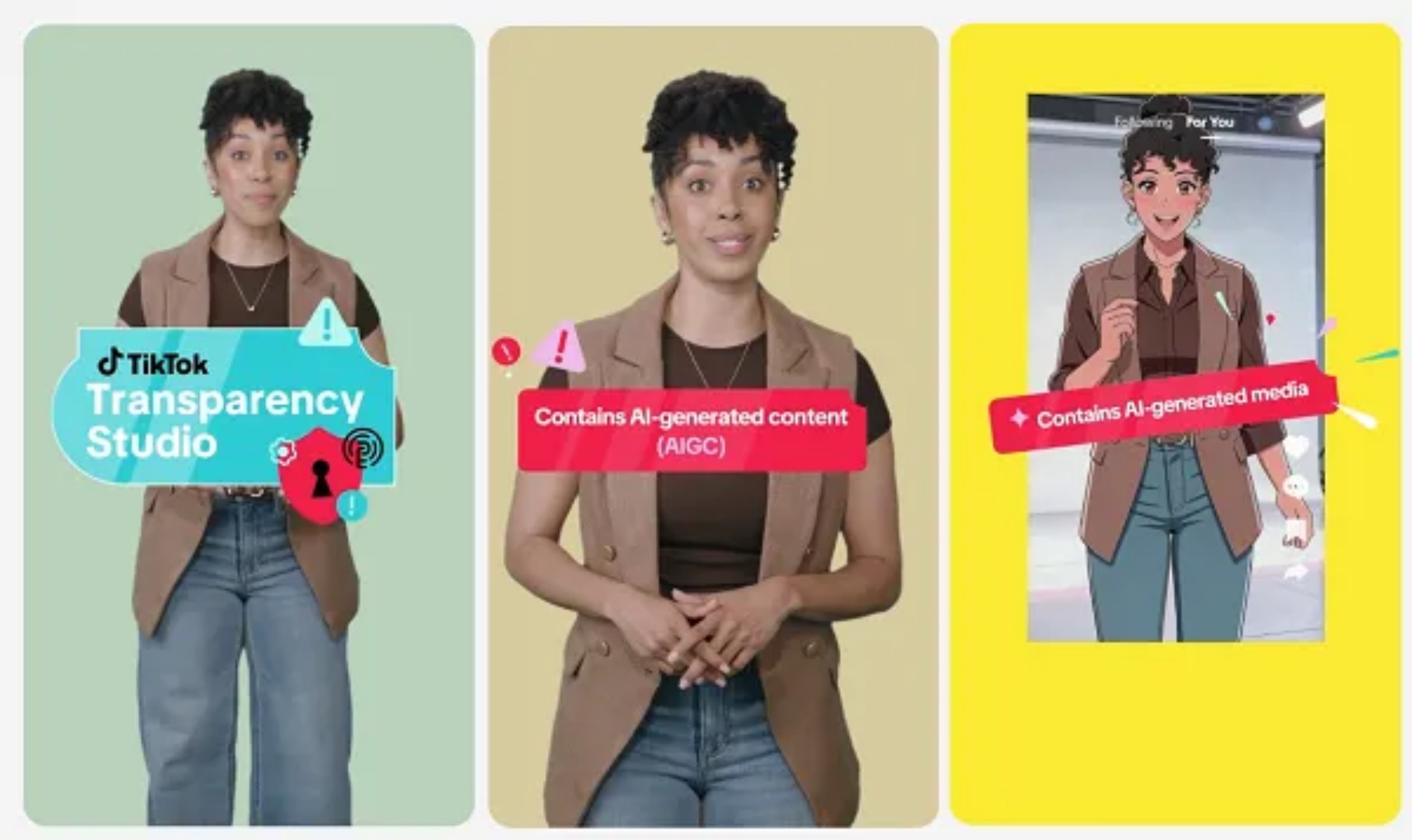
The integration of AI into social media feeds has been both a boon for creative expression and a catalyst for misinformation. Recognizing this early, TikTok began testing AI disclosure labels in late 2023, officially rolling them out to users worldwide by mid-2024. The objective was simple: provide viewers with the context necessary to distinguish between authentic human experiences and algorithmically synthesized reality.
However, the efficacy of these labels has been under scrutiny for nearly as long as they have existed. As the technology behind generative video and audio has matured, the novelty of these labels has worn off. By 2025, the conversation shifted from the existence of labels to their actual impact on user behavior.
Chronology of an AI-Driven Crisis
The timeline of TikTok’s struggle with AI content reveals a rapid escalation:
- September 2023: TikTok first teases the development of mandatory disclosure labels for generative AI content to improve platform transparency.
- May 2024: The platform officially implements mandatory labeling requirements for creators utilizing generative AI tools.
- Early 2025: Academic studies, including research published in PNAS Nexus, reveal that simple labels fail to deter user engagement, indicating that viewers either ignore or are desensitized to the warnings.
- June 2026: A pivotal study by Kapwing reports that over 50% of the content recommended to new, unpersonalized TikTok accounts consists of low-effort, AI-generated "slop."
- July 2026: TikTok announces a strategic pivot, emphasizing AI literacy education through partnerships with organizations like the Raspberry Pi Foundation and NoFiltr, alongside an aggressive crackdown on bot activity.
The Data Gap: Why Labels Are Failing
The core problem facing TikTok is not a lack of effort, but a lack of influence. Recent empirical evidence suggests that labeling is not a panacea. A 2025 study highlighted in the ACM Digital Library concluded that the presence of AI-disclosure labels did not significantly alter the engagement behaviors of users. Whether a video was marked as "AI-generated" or left unmarked, users interacted with the content at largely identical rates.
This suggests a "desensitization effect." When labels become ubiquitous, they become part of the background noise of the user interface, easily overlooked by a user base conditioned to scroll rapidly through a curated "For You" page (FYP).
Furthermore, the volume of synthetic content—often derisively labeled as "AI slop"—is overwhelming. The Kapwing study’s finding that more than half of recommended posts for new users are AI-generated suggests that the platform’s own recommendation algorithms may be incentivizing this content. If the algorithm prioritizes high-frequency, low-effort content, the labels become merely a footnote in a larger, automated ecosystem.
Educational Initiatives: A New Frontline
In response to these findings, TikTok is moving toward a more pedagogical approach. The company’s new transparency measures are centered on "AI literacy"—the ability of the average user to recognize, understand, and critically evaluate machine-generated content.
By collaborating with the Raspberry Pi Foundation and the creator-led platform NoFiltr, TikTok is creating educational content designed to teach users how to spot the "telltale signs" of AI generation, such as unnatural movement patterns, lighting inconsistencies, or audio artifacts. The goal is to move the user from a passive observer to an active, skeptical participant.
This initiative mirrors efforts seen elsewhere in the tech industry. YouTube, for example, has invested heavily in "Hit Pause," an educational program designed to teach digital literacy, particularly among younger demographics. TikTok’s attempt to follow suit acknowledges that if the software cannot perfectly identify AI, the user must become the final arbiter of truth.
Enforcement: The Battle Against the Bot Farms
Education alone is insufficient to address the flood of synthetic content. A significant portion of the "AI slop" on TikTok is not being produced by creative individuals, but by automated bot networks designed to exploit the algorithm for ad revenue or political influence.
TikTok’s enforcement strategy has become increasingly aggressive. In the first quarter of 2026 alone, the company reported the removal of 86 million fake accounts. This represents a massive investment in detection technology. However, as TikTok improves its detection tools, the entities creating the bots are simultaneously refining their techniques to evade detection, creating a perpetual "cat-and-mouse" game that strains the platform’s moderation infrastructure.
Implications for the Future of Social Media
The implications of this shift are profound for the future of the creator economy. If TikTok continues to make it both easy and profitable to generate content via tools like Symphony—their proprietary generative suite—they are effectively competing against themselves. The platform faces a paradoxical challenge: it wants to encourage the democratization of content creation while simultaneously cleaning up the resulting digital pollution.
The Role of C2PA and Industry Standards
One of the most promising avenues for long-term stability is the Coalition for Content Provenance and Authenticity (C2PA). TikTok’s recent decision to join the C2PA Steering Committee is a significant move toward industry-wide accountability. C2PA provides a technical standard for tracking the origin of digital content; if a piece of media is modified or created by AI, that metadata remains attached to the file as it travels across different platforms.
While this provides a technical solution, it requires universal adoption. If TikTok, YouTube, and Meta all commit to these standards, the "AI slop" problem becomes much easier to manage. However, the internet is vast, and smaller, less ethical platforms will likely continue to harbor and distribute unverified, synthetic content.
The Path Forward: Can Literacy Solve the "Slop" Problem?
TikTok’s pivot to education is a prudent step, but it is unlikely to be the "silver bullet." The success of these measures depends entirely on the visibility and accessibility of the educational materials. If the videos teaching AI literacy are buried in a help menu or a secondary, under-watched account, they will have zero impact on the average user’s experience.
Moreover, the platform must address the economic incentives. As long as "low-effort, high-volume" AI content is rewarded with viral reach and monetization, creators will continue to prioritize quantity over quality. To truly move the needle, TikTok may need to adjust its recommendation algorithms to demote synthetic content or place a "transparency tax" on AI-generated posts that lack significant human-authored value.
Ultimately, the battle for digital authenticity will not be won through a single policy or a new set of labels. It will be won through a multi-pronged approach that combines robust, cross-platform technical standards (like C2PA), aggressive automated enforcement against bot networks, and a fundamental shift in user culture. TikTok is finally acknowledging that the era of "trust but verify" is over, replaced by a new, more difficult reality: "verify before you engage."
Whether the platform can implement these changes without stifling the creative spirit that made it a global powerhouse remains the defining question of the next several years. For now, the "slop" continues to flow, but the tide of awareness is, slowly, beginning to rise.

