

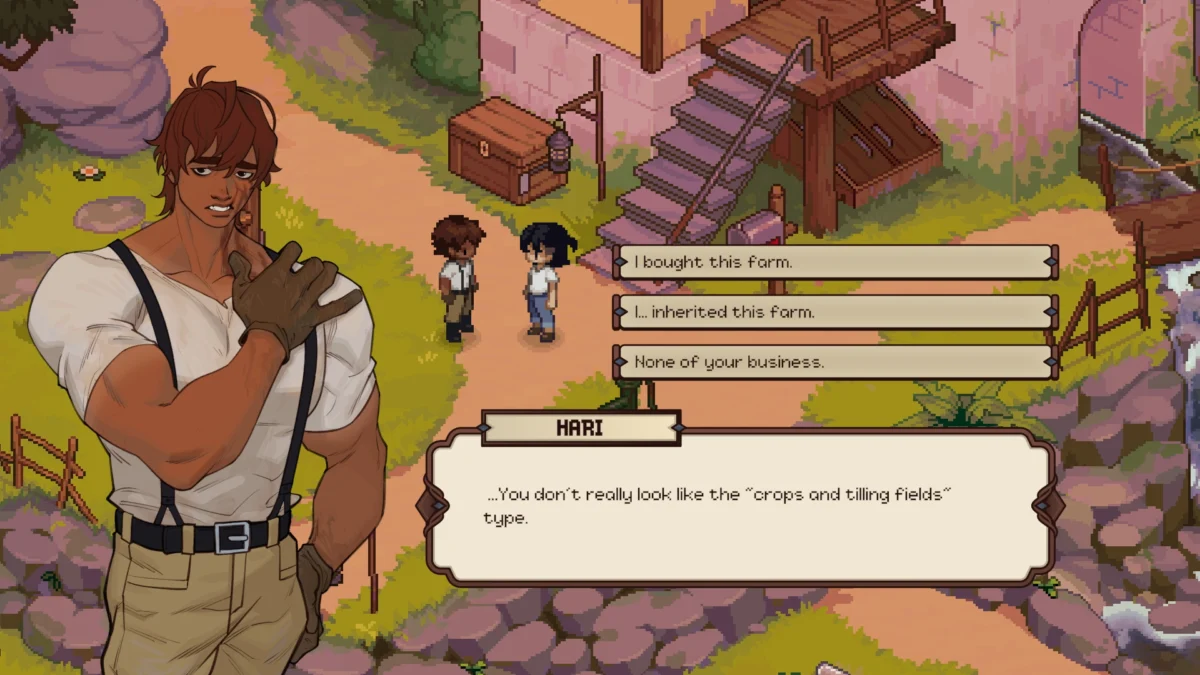
In the crowded landscape of farming simulators, where the primary stressors usually involve the fluctuating price of parsnips or the accidental destruction of a flowerbed, a new title is emerging to inject a potent dose of existential dread into the genre. Grave Seasons, developed by the indie team at Perfect Garbage, is not your average pastoral escapism. It is a bold, genre-bending experience that invites players to manage a farm while navigating a town teeming with werewolves, supernatural entities, and—perhaps most unsettlingly—romanceable serial killers.
As the industry pivots toward more experimental narrative structures, Grave Seasons stands out as a lighthouse of moral complexity. Following an announcement at Summer Game Fest 2026, the game has shifted from a niche curiosity to one of the most anticipated titles for fans of atmospheric, narrative-driven horror.
The Core Premise: A New Life in Ashenridge
At its heart, Grave Seasons follows a protagonist named Dara, a character defined by a past that haunts them—literally and figuratively. Arriving in the picturesque, yet deeply sinister town of Ashenridge, Dara is immediately marked by their history as an ex-convict. The visual shorthand of the character’s starting attire—a glaringly bright, prison-issue jumpsuit—serves as a constant reminder of the protagonist’s status as an outsider.
Unlike the typical “fresh start” trope found in games like Stardew Valley or Animal Crossing, where the player is welcomed with open arms into a utopian community, Grave Seasons leans into the social friction of being an outcast. The town of Ashenridge is not a safe haven; it is a crucible. Players are tasked with the mundane labor of farming—tilling soil, planting seeds, and harvesting crops—while simultaneously attempting to integrate into a community where the neighborly facade barely masks a series of horrific, supernatural secrets.
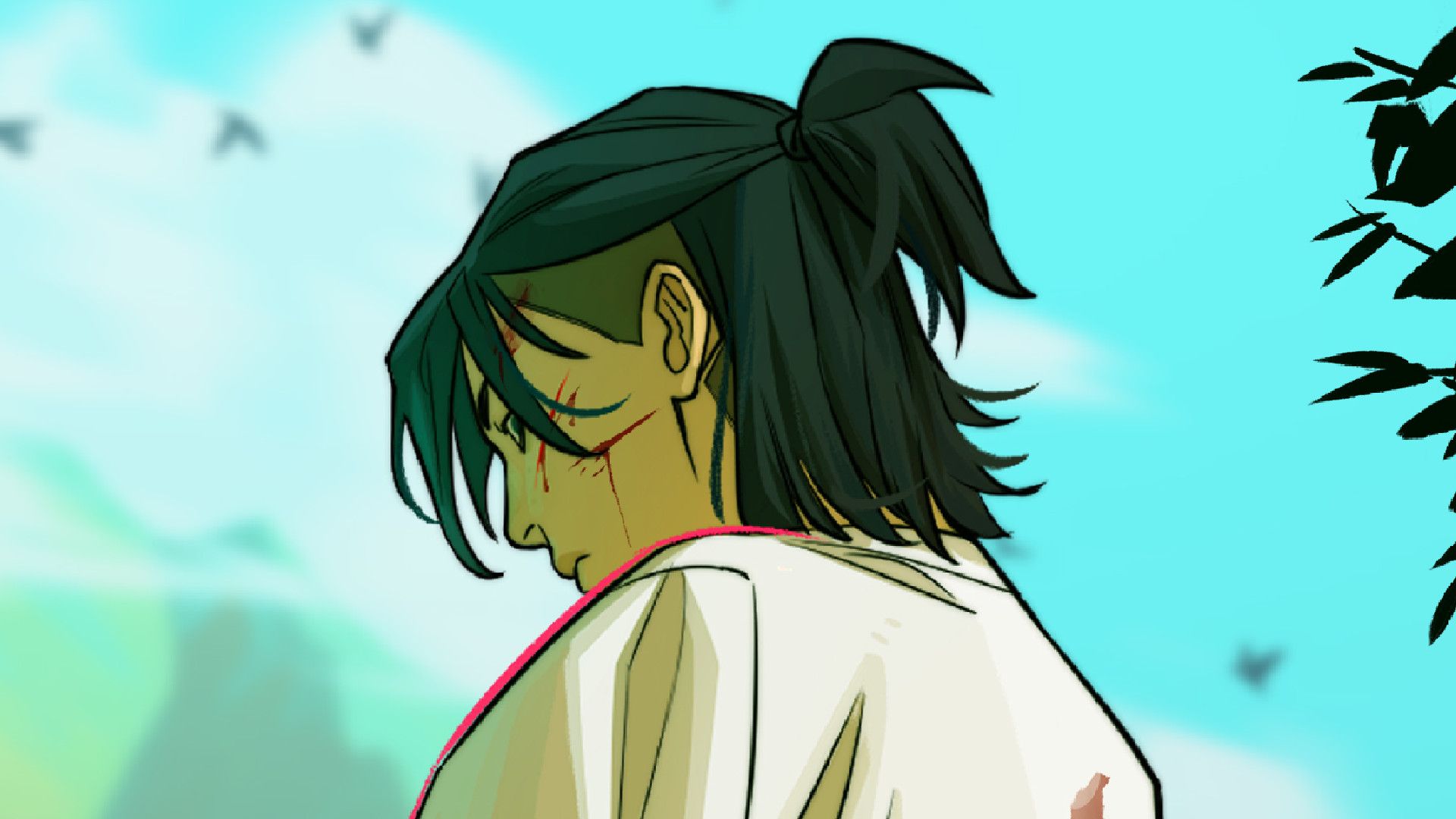
The objective is as daunting as it is simple: over the course of one in-game year, the player must identify the supernatural murderer terrorizing the town. The catch? You might just fall in love with them along the way.
A Chronology of Development and the Path to Release
The journey of Grave Seasons has been one of calculated anticipation. Since its initial reveal, the game has drawn comparisons to classic farming sims, yet it consistently pivots to differentiate itself through its dark, narrative-first design.
- Early Concept & Reveal: Perfect Garbage introduced the concept of a “cozy horror” sim, a juxtaposition that immediately caught the attention of the indie gaming community. The promise of blending resource management with high-stakes investigative horror created an instant buzz.
- Summer Game Fest 2026: During the festivities in 2026, the developers provided a hands-on look at the game’s opening sequences. The demo confirmed that while the core loop of farming remains satisfyingly tactile, the narrative depth is the true centerpiece.
- The Scheduling Shift: Initially slated for an August 14 release, the studio made the difficult but necessary decision to delay the project to the fall of 2026. This move, common in the industry to ensure polish, has only heightened the fervor surrounding the game’s eventual launch. The delay signals a commitment to maintaining the integrity of the horror elements, ensuring that the “cozy” and “scary” aspects are perfectly balanced.
The Philosophy of Moral Ambiguity
Emmett Nahil, co-founder of Perfect Garbage and the game’s narrative director, has been vocal about his disdain for the “good versus evil” binary that dominates much of modern game writing. In an interview, Nahil emphasized that Grave Seasons is designed to force players into the uncomfortable, often messy middle ground of human morality.
“I find a lot of game writing, when done to the broadest audience possible, can fall into a sort of good-versus-bad binary,” Nahil explained. “Some of the games that I like most have really embraced the middle area, embrace that moral grayness, and embrace the complicated repercussions of player decisions.”
This philosophy is baked into the mechanics of the game. When a player identifies a potential serial killer, they are not presented with a simple “stop them” or “let them go” prompt. Instead, the game asks: What is the cost of justice in a town that has already shunned you? Is it better to be a hero in a place that fears you, or to find solidarity among the monsters?
The game encourages a “roguish” approach to problem-solving. By allowing players to customize Dara’s appearance while forcing them to retain the baggage of their past, the game creates a constant tension between who the player wants to be and how the town perceives them. This reflects a deeper, more visceral kind of storytelling—one that demands the player engage with the community on a granular, psychological level.
Supporting Data: Why Players Crave the "Cozy-Horror" Hybrid
The success of Grave Seasons—even in its pre-release state—speaks to a broader trend in the gaming industry. Data from recent indie releases shows that players are increasingly moving away from purely saccharine experiences. The “cozy” label is being reclaimed by games that recognize that comfort is most effective when contrasted with underlying anxiety.
- Community Engagement: Discussions on forums and social media highlight that players are less interested in the "perfect farm" and more interested in the "social puzzle."
- Genre Expansion: Horror games that focus on mundane tasks (like the agricultural grind) create a state of “flow” that makes the sudden intrusion of horror more impactful. When a player is busy watering carrots, the sudden realization that a neighbor might be a supernatural predator creates a sharper, more effective emotional spike than it would in a traditional survival horror setting.
Implications: A New Standard for Indie Narrative
The implications of Grave Seasons for the genre are significant. If successful, it proves that there is a massive, underserved market for games that combine the relaxing loops of simulation games with the narrative risks of psychological thrillers.
The game challenges the player to ask: Why are we farming? In Stardew Valley, we farm to restore a legacy. In Grave Seasons, we farm to survive, to blend in, and to observe. The act of planting seeds becomes a metaphor for the secrets we bury. The “cozy” aspect of the game is not a lack of depth, but a trap—a way to lull the player into a sense of normalcy before pulling the rug out from under them.
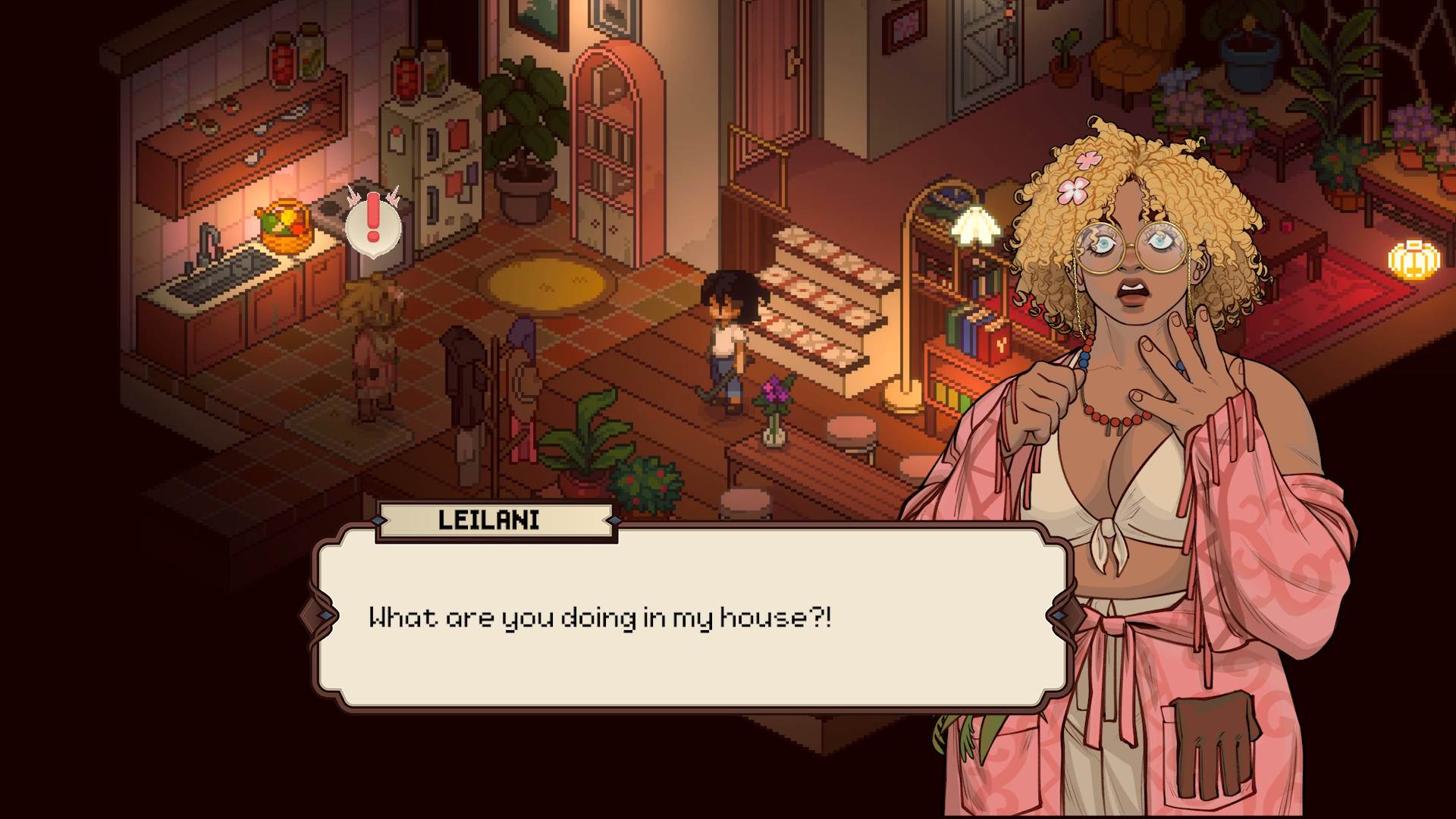
Nahil’s vision of getting to know the community is not just a gameplay mechanic; it is a narrative requirement. By forcing players to interact with the townspeople, Grave Seasons makes the eventual betrayal or revelation of a character’s true nature feel personal. It turns the NPC-player relationship on its head.
Conclusion: The Long Wait for Ashenridge
While the delay to the fall of 2026 is undoubtedly a test of patience, it is a testament to the scope of Perfect Garbage’s ambition. Grave Seasons is not trying to be the next big commercial farming hit; it is trying to be a memorable piece of interactive fiction that leaves the player feeling slightly unsettled, deeply intrigued, and perhaps a little more cynical about their neighbors.
For those of us who have spent years playing through the predictable cycles of seasonal harvest games, Grave Seasons represents a long-overdue evolution. It promises that while we may be spending our days digging through the dirt for crops, we might just unearth something far more dangerous in the process. When the game finally arrives, it will likely redefine the expectations for the entire simulation genre, proving that sometimes, the most interesting things grow in the shadows of the graveyard.

