

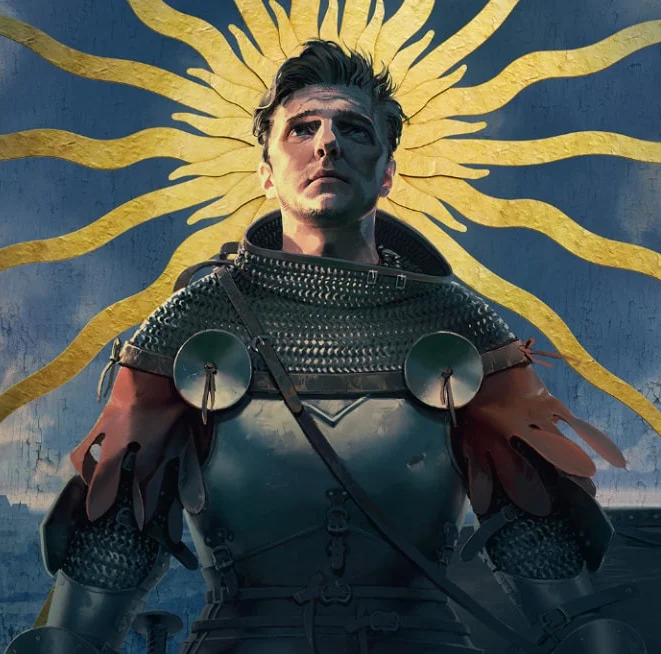
In the high-stakes world of Japanese corporate gaming, few studios command the reverence of FromSoftware. Led by the visionary Hidetaka Miyazaki, the studio behind the Dark Souls trilogy, Bloodborne, Sekiro: Shadows Die Twice, and the monumental Elden Ring has become synonymous with uncompromising quality and innovative game design. However, as the studio continues to scale new heights of critical and commercial success, its parent company, Kadokawa Corporation, finds itself embroiled in a turbulent boardroom struggle.
In a recent correspondence with the Japanese gaming outlet Denfaminico Gamer, Miyazaki broke his silence regarding the studio’s current standing, confirming that several unannounced projects are currently in development while carefully navigating the geopolitical and corporate pressures facing his publisher.
The State of the Studio: A Commitment to Unfettered Development
The core of Miyazaki’s message to the public was one of reassurance. Despite the noise generated by activist investors and the shifting landscape of the gaming industry, Miyazaki emphasized that FromSoftware’s creative engine remains untouched.
"I am generally satisfied with the development environment," Miyazaki stated in his email to Denfaminico Gamer. He further elaborated on the studio’s internal culture, noting, "We are able to freely create the games we want to make without excessive interference."
For fans who have grown concerned that corporate restructuring might dampen the studio’s signature creative risks, these words carry significant weight. Miyazaki emphasized that protecting this autonomy is his primary responsibility as a leader. "I believe that maintaining such an environment in the future, allowing us to concentrate solely on game development as much as possible, is of utmost importance to both myself and to us at FromSoftware."
Chronology: The Rise of the Activist Pressure
To understand the weight of Miyazaki’s comments, one must look at the recent volatility surrounding Kadokawa Corporation. The situation escalated rapidly toward the end of the year, marking a shift in how investors are viewing the Japanese publishing giant.
- Mid-2024: Market analysts began noting that Kadokawa’s valuation did not fully reflect the massive success of their subsidiaries, most notably FromSoftware.
- Late 2024: Hong Kong-based hedge fund Oasis Management, known for its aggressive approach to corporate governance, acquired a significant majority stake in Kadokawa Corporation.
- The Catalyst: Oasis Management publicly criticized the current Kadokawa leadership, specifically targeting the CEO. The fund argued that the company has suffered from a lack of strategic focus, particularly regarding its reliance on third-party publishing deals.
- The FromSoftware Friction: Central to the activist critique was the relationship between Kadokawa and FromSoftware. Oasis argued that Kadokawa has been "leaking profit" by allowing FromSoftware to outsource its publishing to international giants like Bandai Namco rather than keeping those revenue streams internal.
- Present Day: As the boardroom power struggle intensifies, developers and stakeholders alike are watching to see if this pressure will force a change in management, potentially impacting the studio’s long-standing operational autonomy.
Analyzing the Investor Critique: The Publishing Dilemma
The primary tension point identified by Oasis Management—the use of third-party publishers—highlights a fascinating aspect of the modern video game industry. For years, FromSoftware has utilized partnerships with companies like Bandai Namco and Sony to handle global distribution, marketing, and logistics.
From the perspective of an activist shareholder, this is a missed opportunity. If Kadokawa were to transition to a self-publishing model for all FromSoftware titles, the margins for the parent company would theoretically increase substantially. However, industry veterans point out that these partnerships are precisely what allowed FromSoftware to maintain its "creative first" focus. By delegating the immense burden of global marketing and retail distribution to established partners, Miyazaki’s team has been able to remain relatively lean and hyper-focused on development.
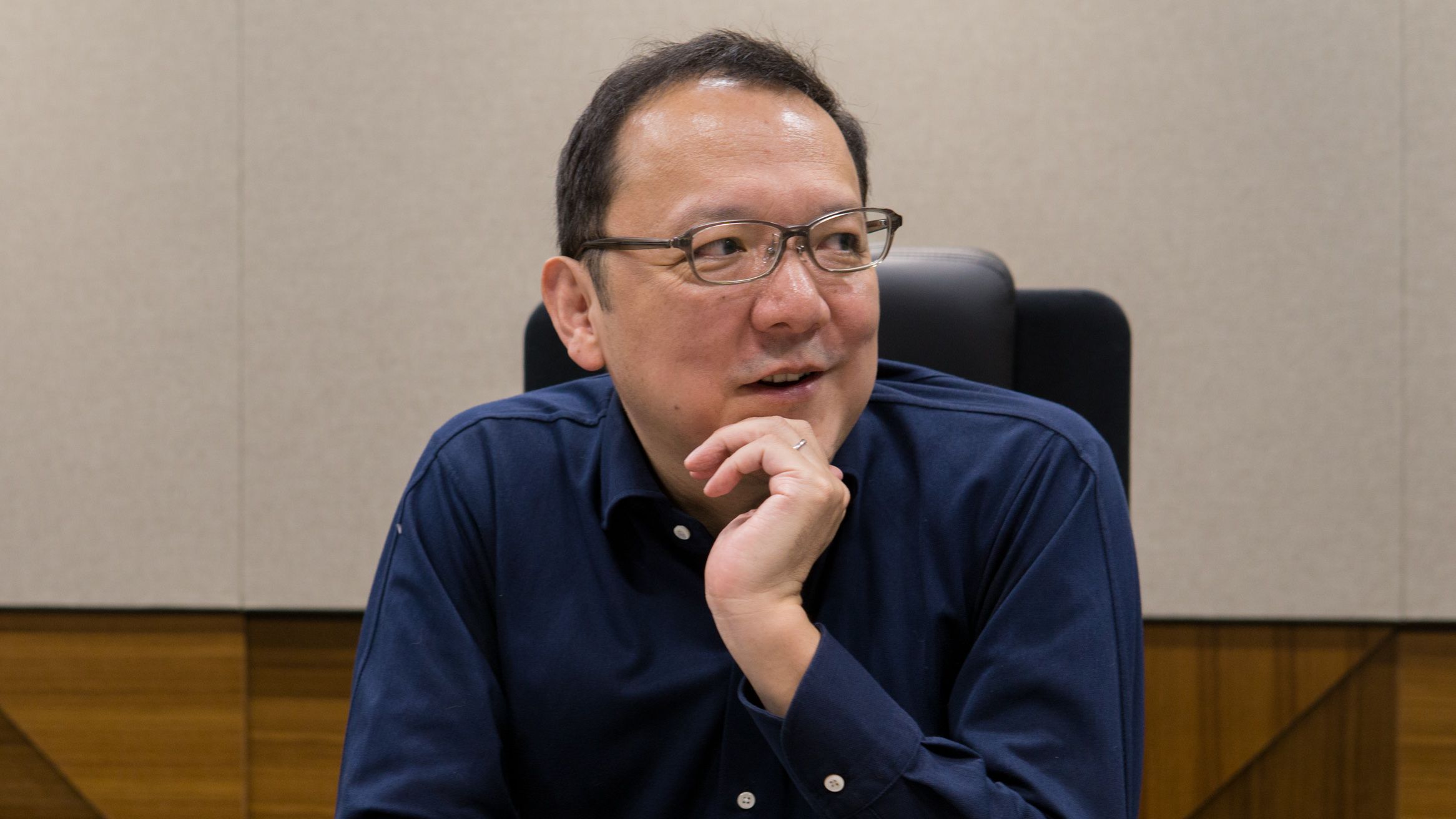
Miyazaki’s refusal to engage in the specifics of the investor drama is a calculated move to keep the studio insulated. By highlighting that he is "not in a position to discuss" internal shareholder actions, he maintains a professional distance that protects the studio’s brand from being dragged into the messy, short-term optics of a hedge fund’s agenda.
Future Horizons: What’s Next for FromSoftware?
While the corporate landscape remains clouded, the product roadmap for FromSoftware remains the beacon for the community. Miyazaki’s statement included a subtle but highly anticipated nod to the future: "We hope you will look forward to our upcoming titles, both those already announced and those yet to be announced."
Currently, the public slate for FromSoftware is sparse. The only confirmed upcoming title is the highly anticipated multiplayer-focused project Duskbloods, which is slated for the successor to the Nintendo Switch. However, industry insiders have long suspected that the studio—now larger and more capable than ever before—is working on multiple tracks.
Given the success of Elden Ring: Shadow of the Erdtree, the studio has proven it can balance large-scale open-world expansions with smaller, more experimental titles. Whether the "unannounced projects" refer to a new intellectual property or a return to one of the studio’s dormant franchises (such as the long-requested Bloodborne sequel or further Armored Core installments) remains a subject of intense speculation.
Implications for the Industry
The situation at Kadokawa and FromSoftware serves as a microcosm for a broader trend in the gaming industry: the clash between "creative autonomy" and "shareholder value."
- The Autonomy Shield: Miyazaki’s emphasis on his development environment suggests that the studio is keenly aware of the threats to their workflow. If Kadokawa’s management were to be replaced by individuals more beholden to short-term profit metrics, the "FromSoftware magic"—characterized by the time allowed for iteration and polish—could be at risk.
- Publisher Relations: If the activist investors succeed in forcing a shift toward in-house publishing, it could fundamentally change the studio’s relationship with international partners. This could lead to a period of instability as the studio builds out the necessary infrastructure to handle global logistics.
- The Talent Retention Factor: High-tier developers in Japan often prioritize the ability to create freely over corporate prestige. If the environment at FromSoftware were to shift, it could lead to a brain drain—a scenario that would be catastrophic for a studio whose success is so deeply tied to the specific creative vision of its leadership.
Conclusion: A Studio in Transition
As the calendar turns toward a new year, the eyes of the gaming world remain fixed on the intersection of Tokyo and the digital void. Hidetaka Miyazaki has made his priorities clear: he is focused on the work, the team, and the players. While the corporate suits at Oasis Management and Kadokawa maneuver for control, the developer is signaling that, for now, the "FromSoftware machine" continues to turn.
Whether or not this period of uncertainty will result in a corporate restructuring remains to be seen. What is certain is that the studio’s next move is one of the most anticipated events in modern gaming. For now, the fans wait, the activists push, and in the quiet offices of FromSoftware, the next generation of games is being built. As Miyazaki noted, they are working "harder than ever," and if history is any indication, that effort will eventually translate into something that transcends the corporate drama currently swirling around them.

