

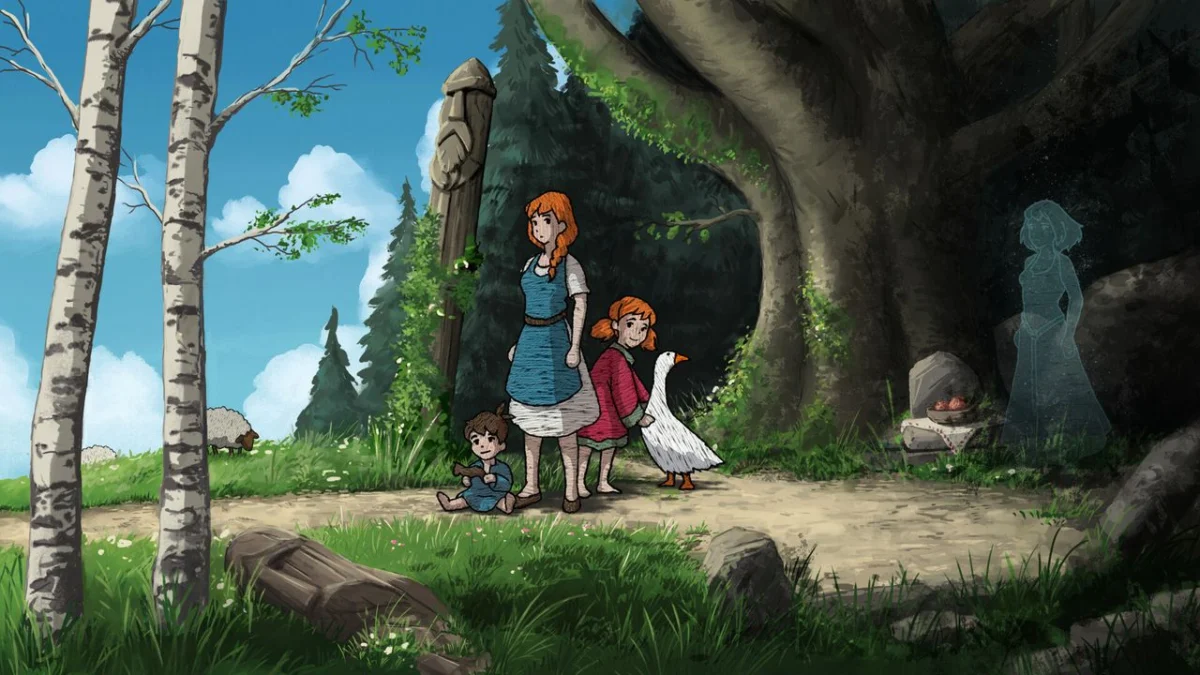
In an industry often saturated by high-fidelity 3D graphics and photorealistic rendering, the debut of Scarlet Deer Inn arrives as a refreshing, tactile anomaly. Developed by the Czech husband-and-wife duo at Attu Games, the title has rapidly ascended to the top of many gamers’ "must-play" lists for 2024. At first glance, it presents as a cozy, wholesome side-scrolling platformer, but beneath its charming, hand-stitched exterior lies a narrative depth and an unsettling atmosphere that promise to challenge the boundaries of the "cozy game" genre.
The Core Concept: A Masterclass in Artisanal Design
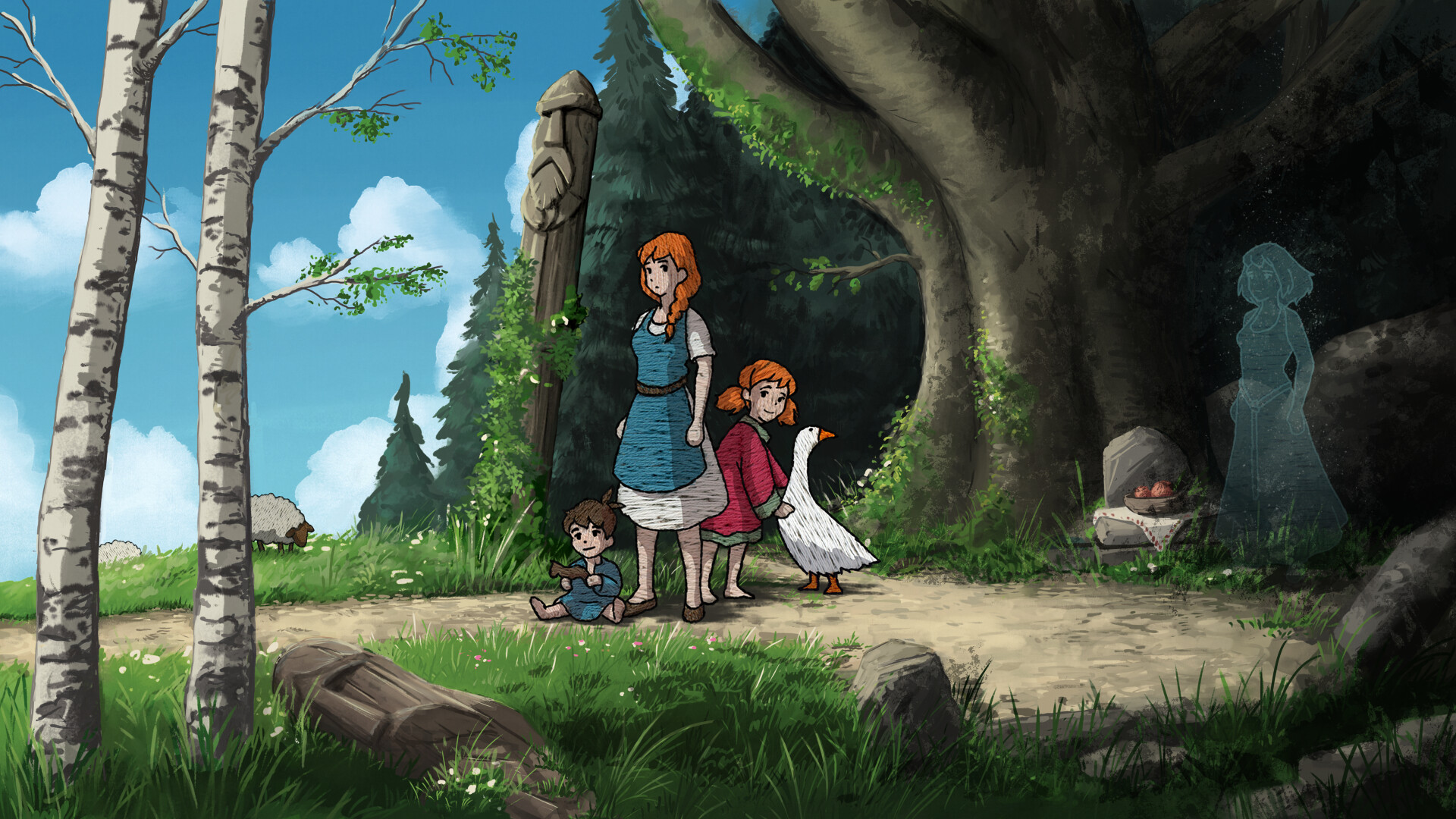
The most immediate hook of Scarlet Deer Inn is its visual identity. Often described as an "embroidered" game, the terminology requires clarification: while the game’s lush, atmospheric backgrounds are the result of meticulous hand-painting, the characters themselves are the product of an intensive, non-traditional animation pipeline.
Every frame of movement for the protagonist, Elise, and her supporting cast is literally sewn on a sewing machine. These physical fabric creations are then scanned into the digital realm, frame by frame, to create the final animation. The result is a unique, jittery, and organic aesthetic that gives the characters a tangible weight and texture rarely seen in modern gaming. This artisanal approach serves as a stark contrast to the cold, clinical precision of vector-based or 3D-rigged character models, grounding the game’s world in a reality that feels both ancient and deeply personal.
Chronology of Development and the Path to Release
The journey of Scarlet Deer Inn from a conceptual art project to a full-scale release has been a steady, deliberate climb. Attu Games, known for their previous work such as Feudal Alloy, began teasing the unique visual mechanics of their new project several years ago.
- Initial Reveal: The project garnered early attention on social media platforms, where the developers shared short, mesmerizing clips of the sewing machine animation process.
- Steam Demo Launch: Recognizing that the game’s aesthetic could be polarizing or misunderstood, the team released a playable demo on Steam. This allowed players to experience the fluid platforming and the sudden tonal shifts of the gameplay firsthand.
- The "Turn" and Narrative Escalation: As players progressed through the demo, a consistent pattern emerged: initial impressions of a lighthearted, slice-of-life medieval adventure were shattered by a jarring, dark narrative twist.
- The Announcement: Following sustained positive reception from the demo, Attu Games officially confirmed a firm release date of July 17, 2024, accompanied by a new trailer that hints at the sprawling, darker underworld lurking beneath the game’s sunny, rural village facade.
Supporting Data: Why the Demo Matters
The decision to lead with a demo is a calculated risk that has paid dividends for the developers. In the current market, where the "wishlist" economy dominates, the ability to convert curious onlookers into invested players is paramount.
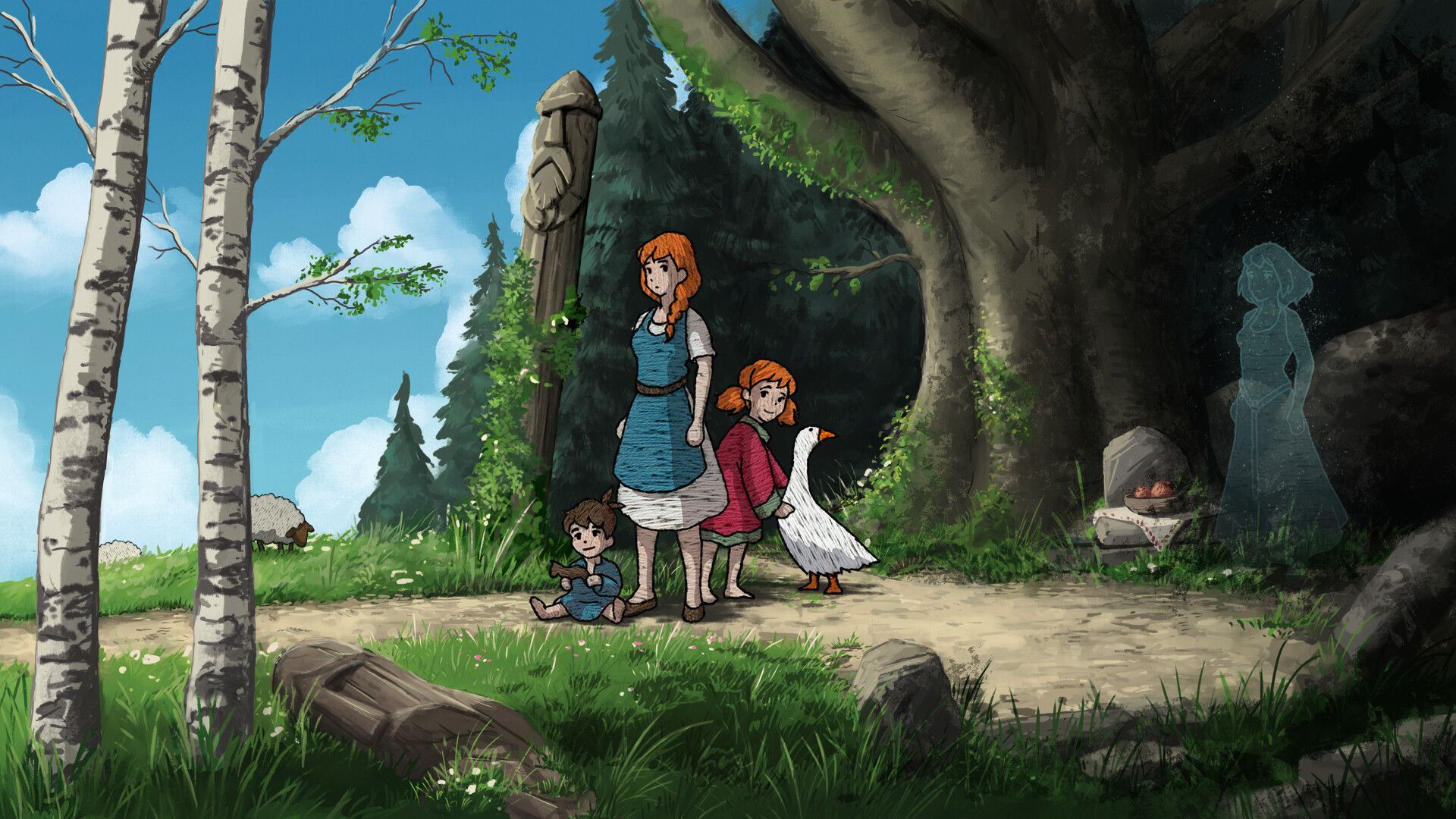
According to community feedback on the game’s Steam page, the primary driver for engagement is the "contrast factor." Players are drawn in by the promise of a cozy, low-stress experience—the kind of game one might play to unwind after a long day. However, the data suggests that the game’s "teeth"—its willingness to embrace horror, loss, and challenging platforming—is what keeps players talking. By inviting players to spend 20 minutes with the demo, Attu Games has successfully bypassed the need to explain the game’s shift in tone through marketing copy, instead allowing the players to experience the revelation of the game’s true nature for themselves.
Official Stance and Developer Philosophy
Attu Games has remained relatively reserved regarding the specific plot beats of the game, preferring to let the environmental storytelling do the heavy lifting. In brief statements accompanying their trailers, the developers have emphasized that Scarlet Deer Inn is, at its heart, a story about motherhood, survival, and the resilience of a family in a world that is not always kind.
The developers have noted that the "embroidered" style was not merely an aesthetic choice, but a narrative one. By using fabric and thread, they aimed to evoke a sense of folk history and local tradition—a reflection of the medieval European roots that inspired the game’s setting. They argue that the medium of the game should be as much a part of the storytelling as the dialogue or the music, and that by using physical materials, they are paying homage to the craftspeople of the era the game seeks to emulate.
Implications for the Indie Gaming Landscape
Scarlet Deer Inn represents a significant trend in the indie scene: the move toward "hyper-specific" visual identities. As tools for game development become more accessible, the barrier to entry has shifted from "can you make a game?" to "what makes your game look like nothing else on the market?"
1. The Death of Generic Indie Aesthetics
For years, the "pixel art" style dominated the indie landscape, leading to a saturation point where many games struggled to stand out. Titles like Scarlet Deer Inn, Cuphead, or Pentiment suggest that the future of indie development lies in unique, labor-intensive art styles that act as a brand identity.
2. The "Cozy-Dark" Hybrid
The game is a prime example of a sub-genre that is currently gaining momentum: the "Cozy-Dark" hybrid. This genre uses the mechanics and aesthetic language of "cozy" games—calm pacing, simple platforming, and pastoral environments—to lure players into a false sense of security before introducing mature, often dark themes. This creates a powerful emotional contrast that lingers with the player far longer than a traditional game of either genre.
3. Sustainable Development for Small Teams
The success of Attu Games proves that small, husband-and-wife teams can compete with larger studios by focusing on extreme specialization. By leveraging a niche technical skill (the sewing machine animation) and applying it to a broader genre (the platformer), they have created a product that is impossible to replicate without the same specific, time-consuming dedication.
Conclusion: A Worthy Addition to the Summer Slate
As we approach the July 17 release date, the gaming community finds itself in a busy season, with several major titles competing for attention. However, Scarlet Deer Inn occupies a unique space. It is not trying to be the biggest game, nor the most complex, but it is undoubtedly one of the most distinctive.
For those who value artistry, narrative risk-taking, and the tactile beauty of hand-crafted design, this title is essential. Whether it ultimately succeeds as a cohesive experience remains to be seen upon its full release, but the foundation laid by its demo suggests a game with a soul as complex as the embroidery that defines its characters. It is a bold, beautiful, and slightly haunting reminder that sometimes, the most compelling stories are the ones stitched together with the most care.

