

For thirteen years, the Pokémon Trading Card Game (TCG) has been a constant in my life. It is a hobby rooted in nostalgia, artistic appreciation, and the simple, tactile thrill of peeling back the foil on a fresh booster pack. However, the landscape of the Pokémon TCG has undergone a seismic shift since 2020. The hobby, once defined by playground trades and binder organization, has been increasingly co-opted by market speculation, aggressive reselling, and a singular focus on the "investment" potential of cardboard.
After years of feeling alienated by this shift, I have found a way to rediscover the magic of the hobby. By abandoning the "chase" for high-value hits and pivoting toward a personal, long-term collecting goal, I have successfully reclaimed the joy that initially drew me to the game over a decade ago.
The Marketization of a Childhood Staple
The transformation of the Pokémon TCG from a collectible card game into a financial asset class is a well-documented phenomenon. Following the global pandemic, the market saw an unprecedented influx of investors and resellers. This surge in interest, while expanding the community, brought with it a "value-first" mentality that has fundamentally altered the consumer experience.
The Rise of the Speculator
It is now rare to see a new TCG set launch without immediate inventory depletion. Resellers, armed with automated bots or bulk-buying tactics, often clear retail shelves within hours of a release. These products are then funneled into secondary markets at heavily inflated prices. Whether the intent is to resell the items sealed or to "rip and ship" in search of high-value "secret illustration rares," the primary focus has shifted away from the game itself.
The normalization of these practices is further compounded by content creators who emphasize card values. When opening videos focus exclusively on the dollar amount of a "pull," it reinforces the idea that a card’s worth is derived solely from its market price. As someone who appreciates the artistry of sets like Ascended Heroes, it is jarring to see cards that are currently in print—and thus not inherently scarce—being traded at valuations exceeding $3,000. For the casual collector, this climate creates a barrier to entry that is both financial and psychological.
Chronology of a Shifting Hobby
To understand how we reached this point, one must look at the timeline of the Pokémon TCG’s recent history:
- Pre-2020: The hobby was characterized by localized collections, competitive play, and affordable retail accessibility.
- 2020–2021: The "Golden Age" of pandemic-era speculation. High-profile influencers and investors entered the space, driving prices to record highs and causing massive supply chain shortages.
- 2022–2023: The market began to stabilize, but the cultural impact remained. The "hit-chasing" mentality became the default for a significant portion of the player base, with local game stores (LGS) struggling to balance community needs with the demands of speculators.
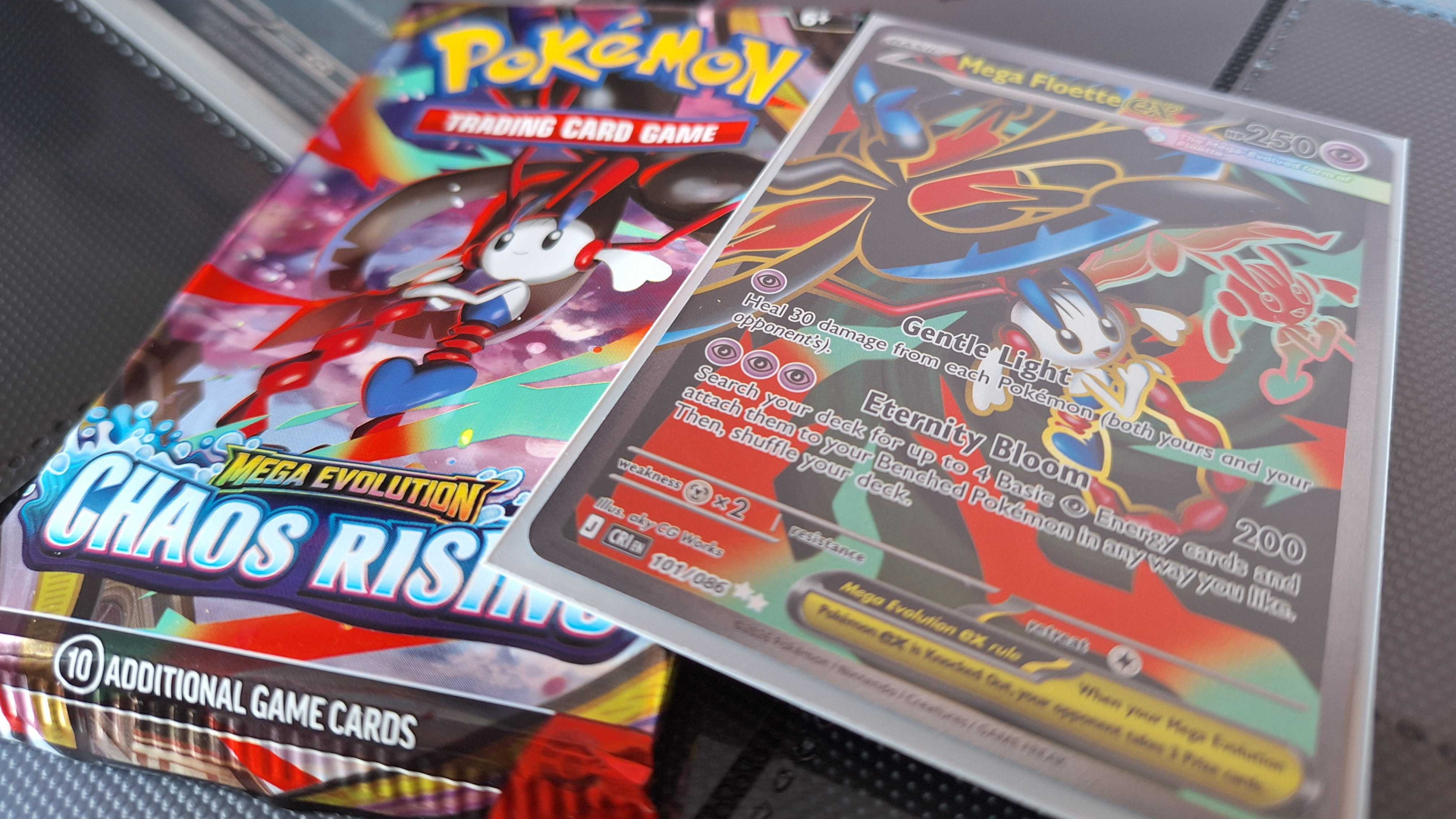
- 2024–Present: The launch of sets like Chaos Rising highlights the ongoing struggle. Despite increased production efforts by The Pokémon Company, demand continues to outstrip supply in major retail spaces, forcing players to rely on expensive secondary outlets like Walmart or boutique card shops.
Data and Disparity: The "Bulk" Perspective
The industry’s current obsession with "hits"—the ultra-rare, sparkly cards at the back of a pack—has led to a disregard for the "bulk." In the current ecosystem, bulk cards (the common and uncommon staples that fill the majority of a pack) are often discarded or sold for pennies, treated as "filler" rather than integral components of the collection.
However, data suggests that the true depth of the Pokémon TCG lies in these common cards. For instance, while a rare card might command a four-figure price tag, it represents only a fraction of a percent of the artistic labor and design work that goes into a set. By ignoring the bulk, many collectors are essentially bypassing 90% of the game’s narrative and visual output.
A Personal Metric for Success
In my own attempt to move away from this cycle, I decided to quantify my collection differently. I initiated a project to compile a full, physical Pokedex, but with a twist: I would only select my favorite artwork for each species, regardless of the card’s market value. This effectively decoupled my enjoyment from the volatility of the secondary market.
The Chaos Rising Case Study: A Lesson in Perspective
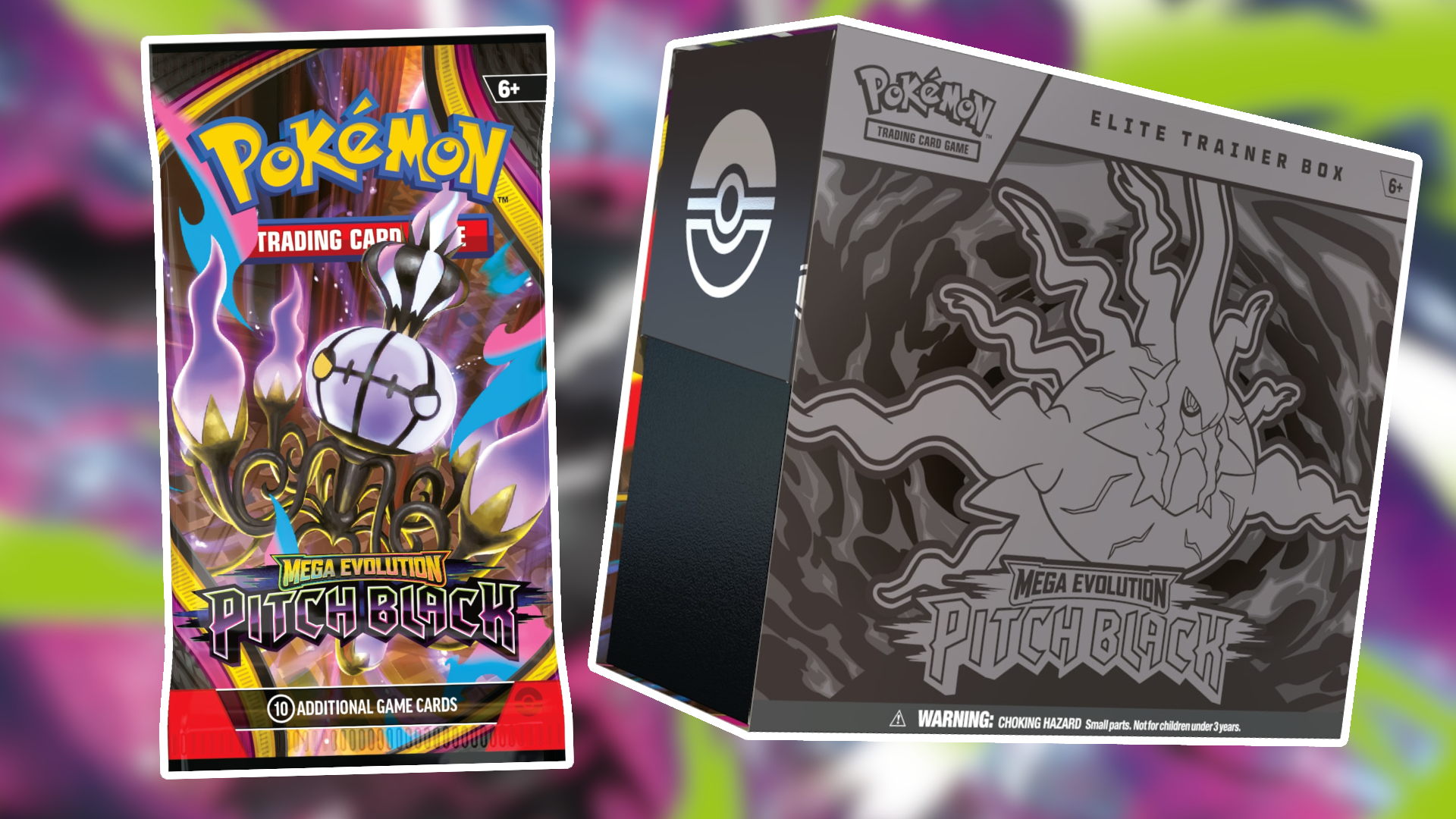
The release of the Chaos Rising set serves as a perfect microcosm for this issue. Collectors were already bracing for difficulty in procurement, with our own analysis indicating that availability was severely constrained. While many were chasing the high-value secret rares, I set my sights on a single, humble, common-rarity Stunky card.
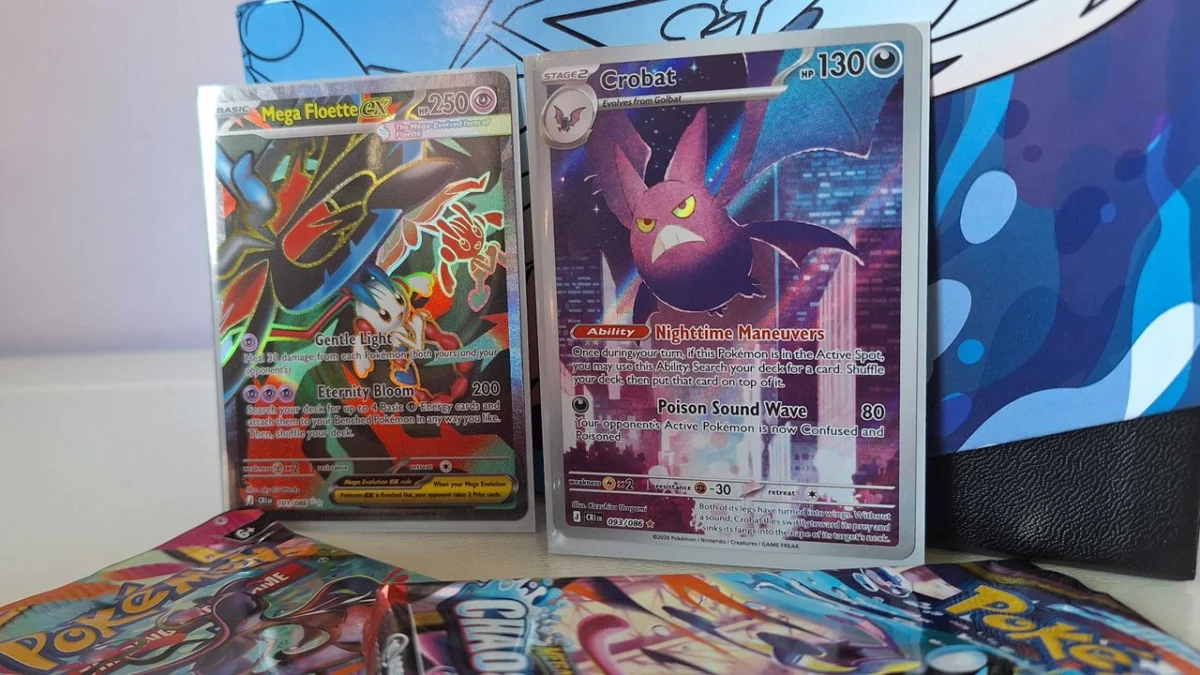
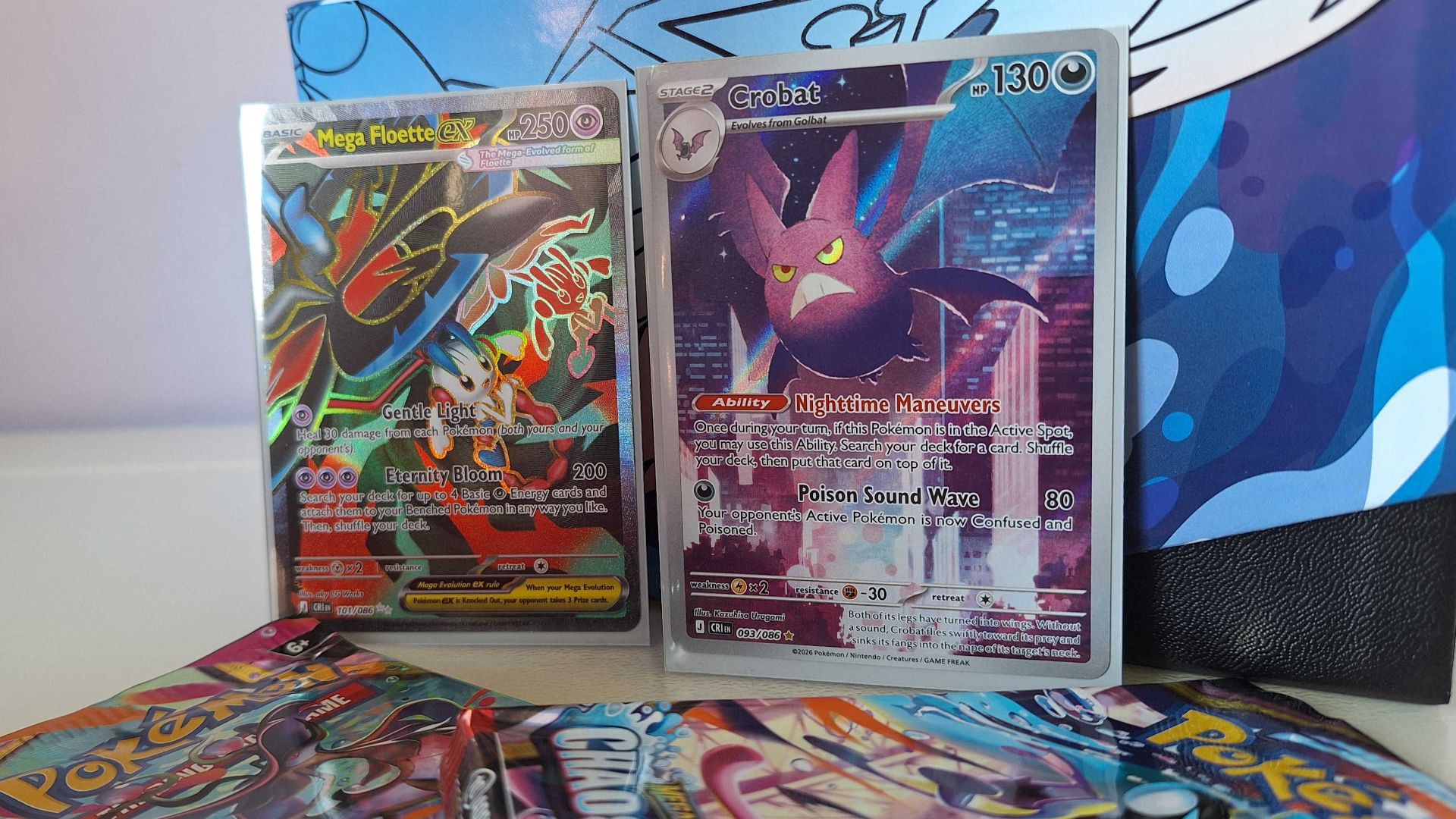
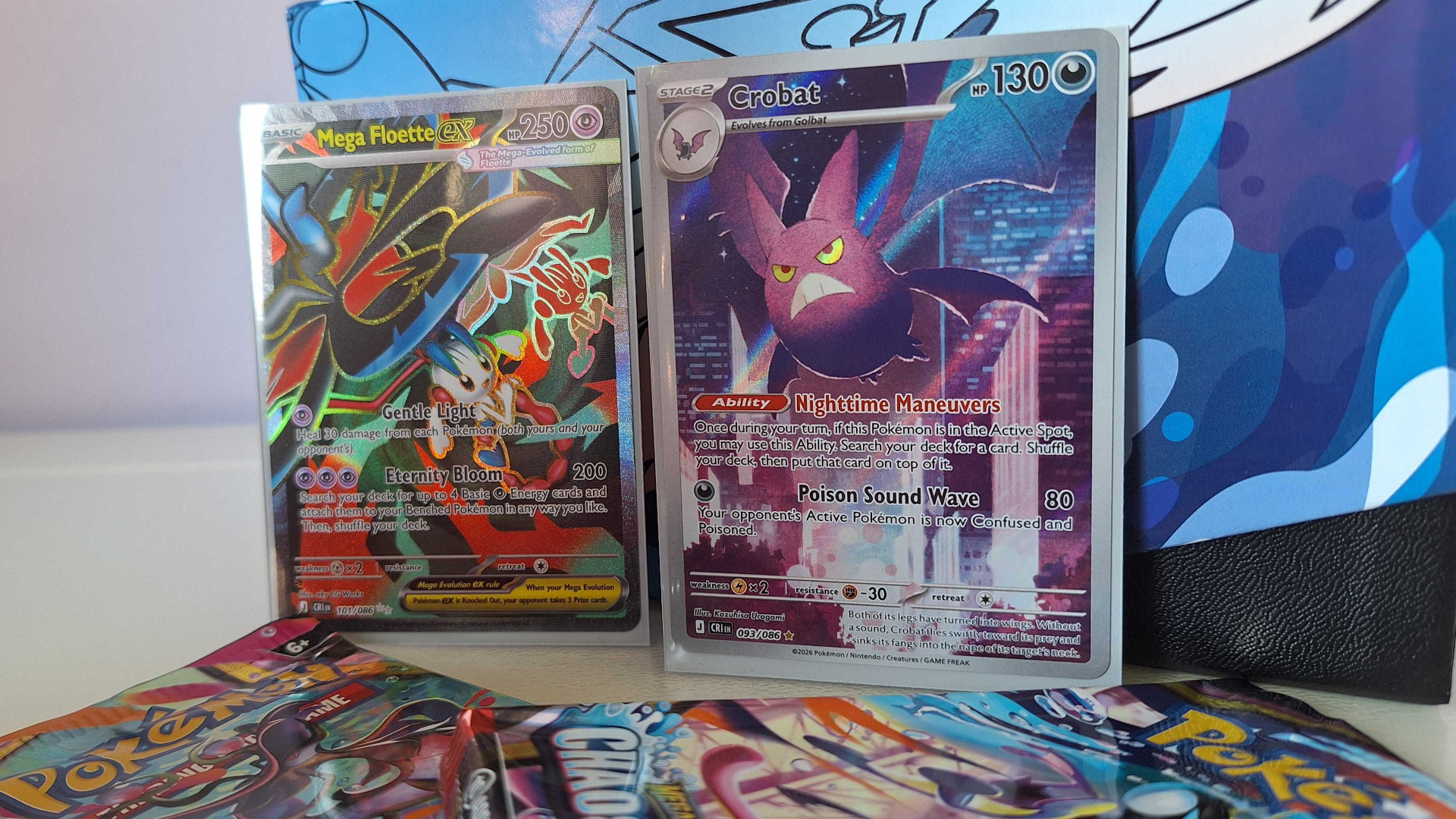
As a fan of the Pokémon Pearl and Platinum era, Stunky held personal significance to me. When I finally pulled the card after 17 packs, it brought a sense of accomplishment that far outweighed the pull of a high-value Mega Floette ex. The experience confirmed that when you define your own goals, the "value" of a card is no longer dictated by a price-tracking website, but by the personal connection you hold to the artwork and the history of the creature itself.
Implications for the Future of TCG Collecting
The implications of this "market-first" mentality are significant. If the community continues to prioritize resale value, we risk losing the younger generation of players who may be priced out of the hobby. Furthermore, the constant churn of "chase cards" creates a treadmill effect where collectors are never satisfied, leading to rapid burnout.
Moving Toward a Sustainable Hobby
- Community-Driven Values: We must shift the narrative away from dollar-sign-heavy content. Highlighting the aesthetic beauty of common cards and the fun of deck-building can help normalize a healthier way to collect.
- Supporting Local Play: Engaging with local game stores for organized play events, rather than just purchasing product, fosters a community that values the social aspect of the game over its financial liquidity.
- Long-Term Goal Setting: As demonstrated by my "Pokedex Binder" project, setting long-term, non-monetary goals allows for a slower, more sustainable engagement with the TCG. It removes the urgency of "needing" to pull the most expensive card in the set, allowing for a more appreciative experience.
Conclusion: Redefining the "Chase"
Reclaiming the Pokémon TCG is not about ignoring the existence of expensive cards; it is about refusing to let them dictate your enjoyment. When you stop chasing the market, you start seeing the game for what it truly is: a vast, vibrant, and nostalgic collection of art.
My journey with the Chaos Rising set reminded me that the most rewarding pulls are the ones that resonate with your personal history as a fan. Whether it is a common Stunky or an ultra-rare secret illustration, the value of a card should be measured by the smile it puts on your face, not the profit it could generate on an auction site. As I continue to build my physical Pokedex, I look forward to finding the next "underrated" hit, not because it is worth a fortune, but because it belongs in my collection.
The hobby is what we make of it. By shifting our perspective, we can ensure that the magic of Pokémon remains in the hands of the players, rather than the ledgers of the speculators. For those looking to rekindle their love for the game, I encourage you to look at your bulk piles, pick a favorite Pokémon, and start your own, personal chase. You might find that the most valuable cards are the ones you already have.

