

For a brief, shimmering moment in June 2011, the gaming world stood still. Inside the Nokia Theatre at E3, an orchestra swelled with the iconic, adventurous strains of The Legend of Zelda theme. As the melody reached its crescendo, a sweeping montage of Hyrule’s history played across the massive screens behind the performers. It was a celebration of the franchise’s 25th anniversary, but for the thousands of fans watching in person and the millions more streaming the event, it felt like the dawn of a new era.
When Shigeru Miyamoto took the stage, the air was thick with anticipation. Nintendo was preparing to unveil its next console, the successor to the Wii. The company needed to signal that it was ready to shed the "casual" reputation of its predecessor and reclaim the hardcore gaming market. To do this, they didn’t just show a game; they showed a vision. They displayed a tech demo of The Legend of Zelda in high definition. It was a promise of a future that felt, at the time, just around the corner.
Now, 15 years later, as Nintendo officially announces a long-awaited remake of The Legend of Zelda: Ocarina of Time, that 2011 vision has finally come full circle. It serves as a poignant reminder of how long the shadow of that single, two-minute tech demo has loomed over the franchise.
A Chronology of Expectation: From 2011 to the Modern Era
The trajectory of the Zelda franchise over the last decade and a half is a study in shifting design philosophies. To understand the significance of the upcoming Ocarina of Time remake, one must first look at the timeline of that 2011 promise.
- 2011: The E3 Tech Demo: Nintendo showcases a "Wii U Experience" featuring Link in a dimly lit, high-fidelity temple encounter. It was designed to highlight the graphical capabilities of the upcoming Wii U hardware, showcasing bump mapping, real-time lighting, and particle effects that had previously been absent from Nintendo’s art-first approach.
- 2012–2014: The Wii U Struggle: As the Wii U hit the market, the industry realized the console lacked the power to sustain the high-fidelity standard promised by the 2011 demo. Nintendo shifted gears, eventually moving away from the "realistic" aesthetic to the sprawling, painterly vistas of Breath of the Wild.
- 2017–2023: The Open-Air Revolution: With the success of Breath of the Wild and Tears of the Kingdom, Nintendo solidified a new identity for the series: systemic, physics-based, and stylized. The "realistic" Zelda of 2011 felt like a relic of a discarded timeline.
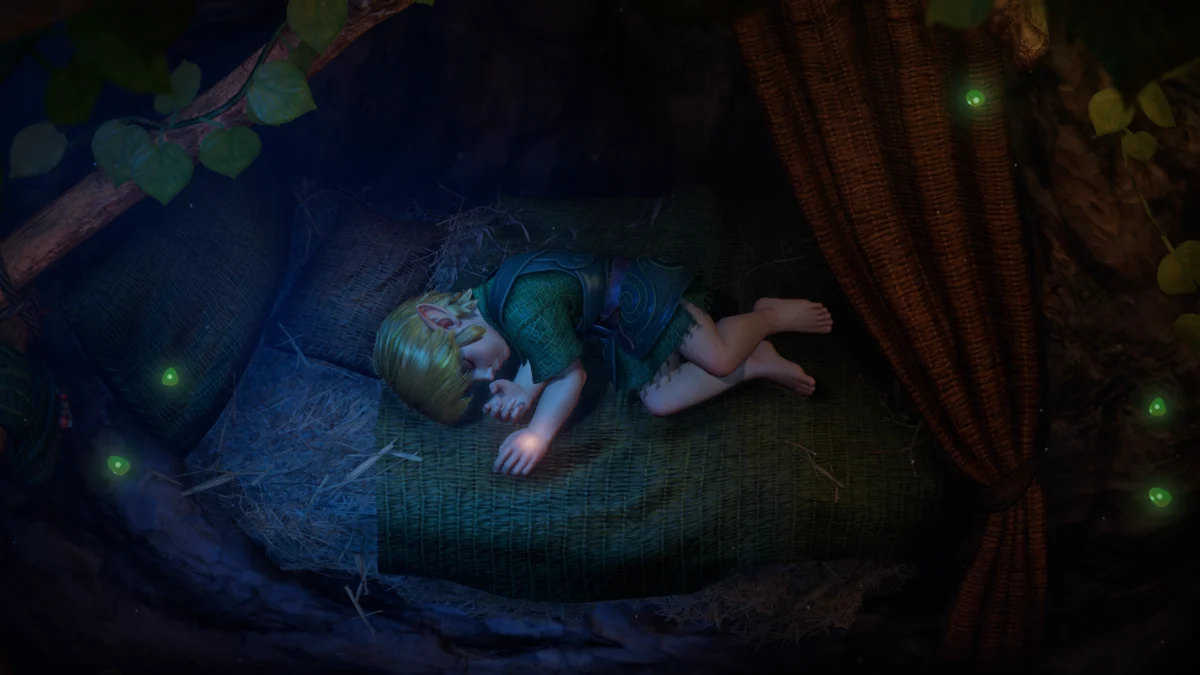
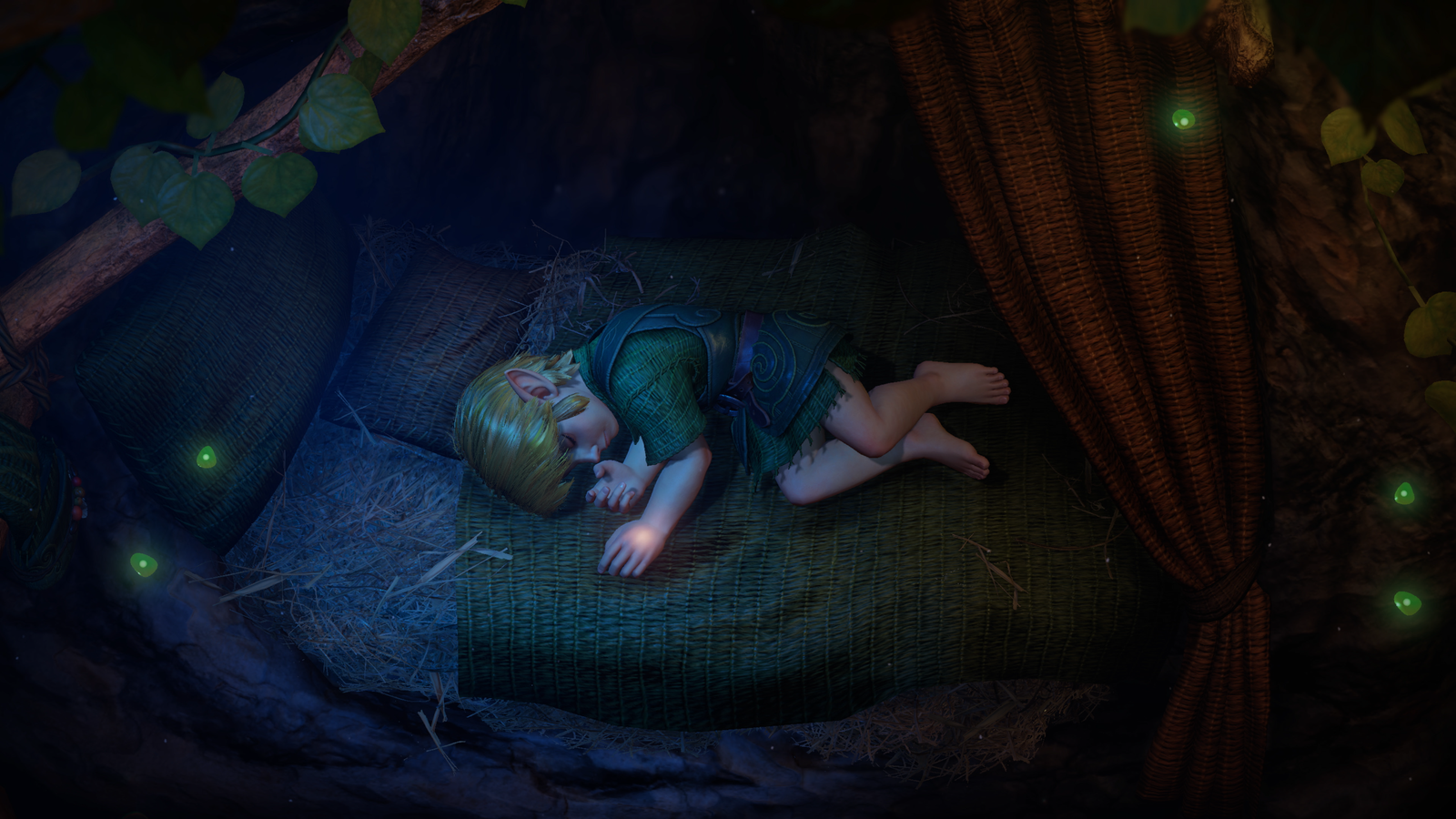
- 2026: The Full Circle: With the recent teaser of a sleeping Link and a lush, Pixar-esque, high-fidelity aesthetic, fans have immediately drawn comparisons to the 2011 demo. The fantasy that Nintendo seemingly killed—the idea of a "modern" looking Zelda—is finally being realized.
The Technical Mirage: What the 2011 Demo Represented
At the time of the 2011 E3 reveal, Nintendo was in a difficult position. The Wii had been a massive commercial success, but its hardware was significantly weaker than the PlayStation 3 and Xbox 360. Core gamers were growing tired of what they perceived as "kiddie" aesthetics and lack of graphical fidelity.
The 2011 Zelda demo was, quite explicitly, a response to those critics. It wasn’t a game; it was a statement. It featured a cinematic encounter where the user could control the time of day, camera angles, and map navigation via the Wii U’s secondary GamePad screen. The visual fidelity—Link’s chainmail, the textures on the stone walls, the atmospheric bloom—was a deliberate departure from the impressionistic style of Skyward Sword.
"Nintendo was eager to prove they could play the game of specs," says industry analyst Marcus Thorne. "They wanted to show that the Wii U could handle the same technical demands as their competitors. While the demo was never intended to be a full game, it planted a seed in the minds of fans: What if Zelda looked like this all the time?"
The Cultural Impact: Why Fans Never Forgot
For the better part of a decade, the 2011 demo has lived a second life on YouTube. It has become a touchstone for modders, AI researchers, and digital artists. Search "realistic Zelda" on any major platform, and you will find hundreds of videos attempting to recreate that specific 2011 aesthetic using modern engines like Unreal Engine 5.
This phenomenon is not merely about graphics; it is about the "fantasy of scale." The 2011 demo represented a bridge between the classic, linear Zelda dungeons and the modern cinematic blockbuster. When fans look at the recent teaser for the Ocarina of Time remake, they aren’t just seeing a game; they are seeing a validation of a 15-year-old yearning.
"When I saw the new footage, I didn’t see just another remake," wrote one prominent member of the Zelda subreddit. "I saw the completion of the 2011 promise. It’s the visual fidelity we were promised when I was still in high school."

Official Responses and the Corporate Pivot
Nintendo has been notoriously tight-lipped regarding the 2011 demo, often dismissing it as a mere hardware showcase. However, the internal shift within Nintendo’s design teams is undeniable. For years, the company leaned heavily into stylized, non-photorealistic visuals to ensure their games would remain timeless.
In recent investor briefings, Nintendo executives have hinted that the "next generation of hardware"—referring to the successor to the Switch—will allow for a new level of visual density. The Ocarina of Time remake appears to be the flagship title for this philosophy. By choosing to remake a classic rather than building a new IP from scratch, Nintendo is allowing itself the freedom to experiment with a "modern-realistic" art style without the pressure of having to reinvent the core mechanics of the franchise entirely.
Implications for the Future of the Zelda Franchise
The decision to return to Ocarina of Time with a high-fidelity aesthetic carries significant weight for the future of the series.
1. The Death of the "Stylized-Only" Mandate
For years, the success of Breath of the Wild led many to believe that Nintendo would abandon realistic art styles entirely. The upcoming remake proves that Nintendo recognizes the value of visual spectacle. It suggests a dual-path strategy: keeping the systemic, open-air games stylized, while using remakes to push the boundaries of graphical fidelity.
2. The Remake as a Technical Sandbox
By remaking Ocarina of Time, Nintendo is essentially creating a laboratory for its next generation of developers. Modernizing a game that relies so heavily on specific environmental cues requires a mastery of lighting and asset density that will undoubtedly inform the next mainline Zelda title.

3. Addressing the "Nostalgia Gap"
There is a segment of the fan base that feels alienated by the systemic nature of the modern Zelda games. They miss the structured, narrative-heavy, "dungeon-crawling" experience of the N64 era. This remake is an olive branch to those players, providing a "classic" experience draped in the "modern" visuals they have been dreaming of since 2011.
Conclusion: A Fantasy Fulfilled
The 2011 E3 tech demo was a phantom—a beautiful, fleeting glimpse of something that didn’t exist, and perhaps couldn’t have existed at the time. Yet, its influence on the collective consciousness of the Zelda community cannot be overstated.
As we look toward the launch of the Ocarina of Time remake, we are witnessing the resolution of a long-standing tension within the Nintendo ecosystem. The company has finally reached a point where its hardware can support the vision it teased 15 years ago. Whether this shift toward high-fidelity visuals will become the new standard for the Zelda series remains to be seen, but for millions of fans, the long wait for a "realistic" Hyrule is finally over. The orchestra may have finished its performance in 2011, but the music, it seems, has only just begun to reach its true crescendo.

