


For years, the gold standard for photorealistic 3D environments has been a laborious, expensive process of high-fidelity 3D modeling and complex photogrammetry. Yet, a new, disruptive technology is currently rewriting the rules of digital representation. Gaussian Splatting (GS)—a technique that transforms raw photographic data into breathtakingly realistic 3D scenes—has emerged as a focal point for both independent developers and industry veterans.
At the forefront of this movement is Christoph Schindelar, a veteran scan artist formerly of Quixel, the Epic Games-owned powerhouse behind the industry’s premier 3D asset libraries. Having spent the last year pushing the boundaries of what GS can achieve, Schindelar offers a unique look into a technology that promises to democratize photorealism.
What is Gaussian Splatting?
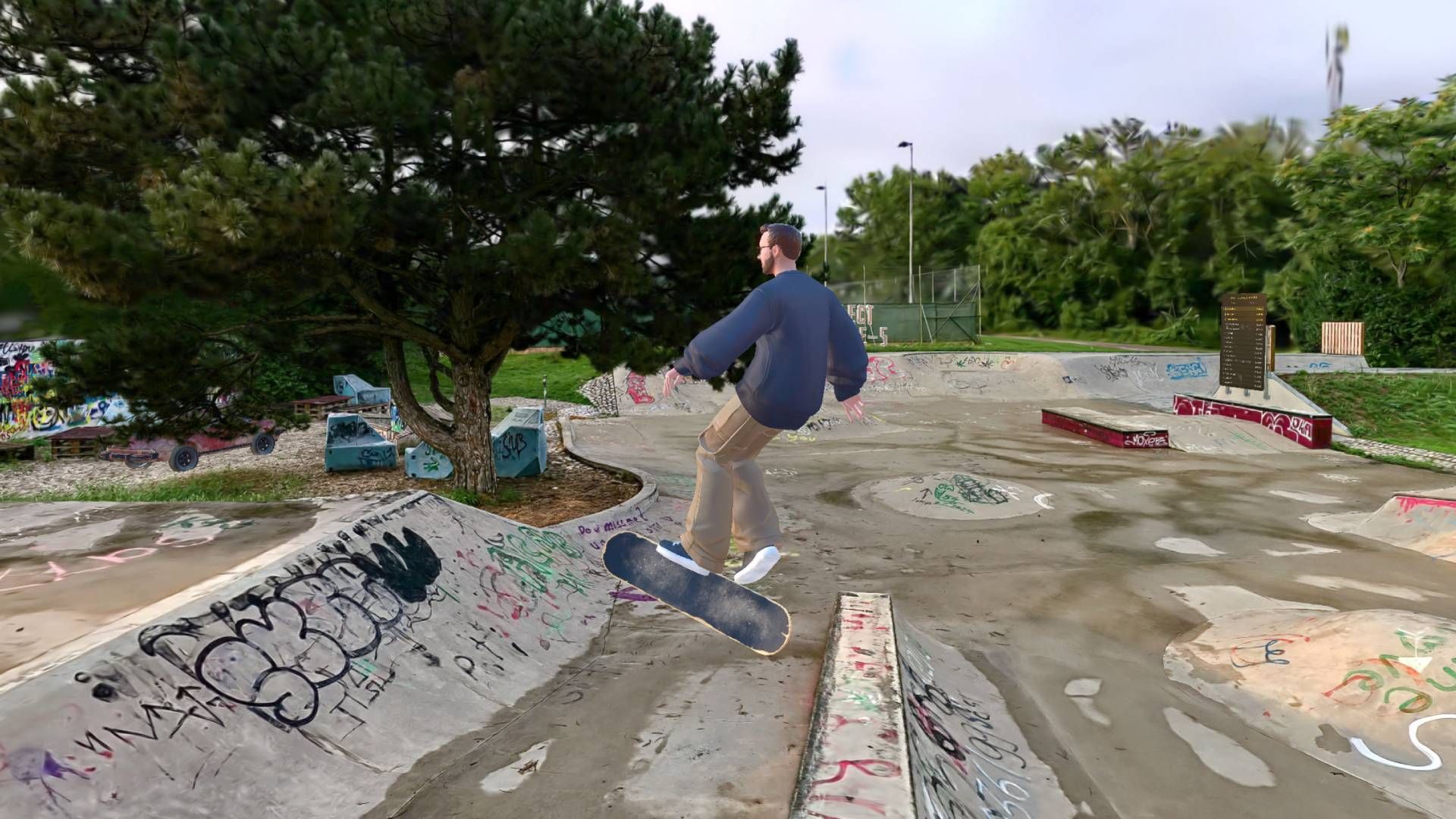
At its core, Gaussian Splatting is a modern capture-and-rendering method that converts 2D photos or video footage into a real-time, 3D navigable representation. Unlike traditional polygon-based rendering, which constructs environments from complex geometric meshes, Gaussian Splatting utilizes a point-cloud-like system consisting of millions of semi-transparent 3D "Gaussians" or "splats."
Each individual splat possesses a specific 3D position, size, orientation, and opacity, bolstered by a property known as "spherical harmonics"—a mathematical representation that allows for view-dependent behavior. When rendered, these splats project an elliptical footprint onto the screen, creating a visual fidelity that feels indistinguishable from reality.
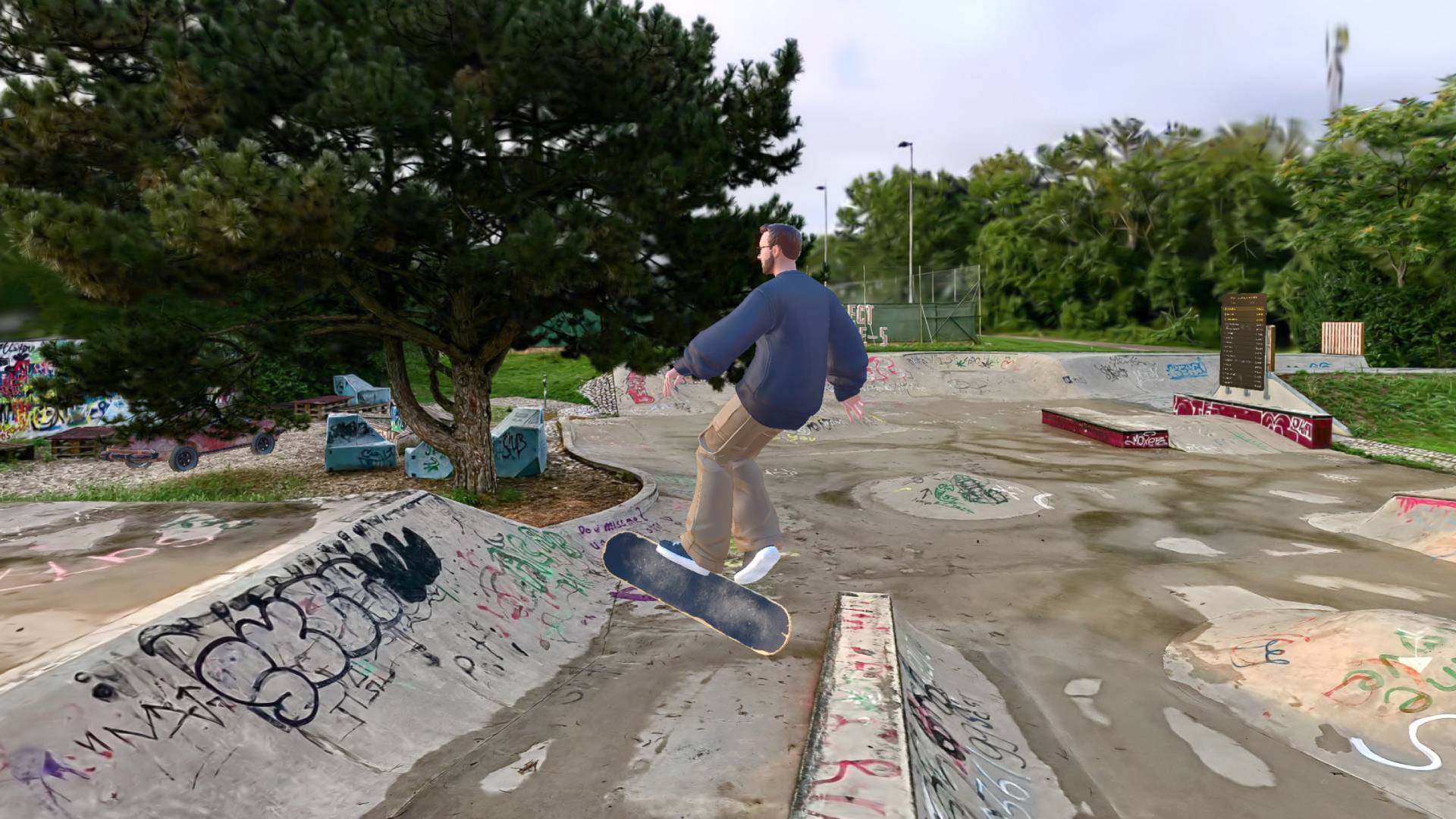
"A simple way to imagine it is like a very advanced particle or sprite-based rendering system," explains Schindelar. He likens the process to building a complex shape from millions of dandelion seeds; individually, they are simple, but when aggregated, they form a cohesive, soft, and remarkably detailed structure.
The Chronology of an Emerging Tech
The rapid adoption of Gaussian Splatting is a testament to its efficiency. While the technology has been in development in academic circles for some time, it only began to gain significant traction among game developers around 2024.
For Schindelar, the transition from traditional photogrammetry to GS was driven by the sheer efficiency of the workflow. Photogrammetry—the process of extracting 3D models from overlapping photographs—is notoriously resource-intensive. In contrast, Gaussian Splatting bypasses the need for high-density polygon geometry, allowing for faster processing and, crucially, faster real-time playback.
"The GPU mostly has only to project and blend these splats, so playback can be very fast," Schindelar notes. This speed is the primary catalyst for why indie studios, rather than large-scale AAA publishers, are currently leading the charge. While the behemoths of the gaming industry often struggle with the inertia of established, monolithic workflows, independent creators are experimenting with GS in browser-based demos, interactive art, and experimental game environments.
The "Splat Sausage": From Capture to Rendering
The process of creating a high-quality Gaussian Splat is both an art and a science. For high-end, professional-grade work where color fidelity and dynamic range are non-negotiable, the process begins with intensive capture sessions.
The Capture Phase
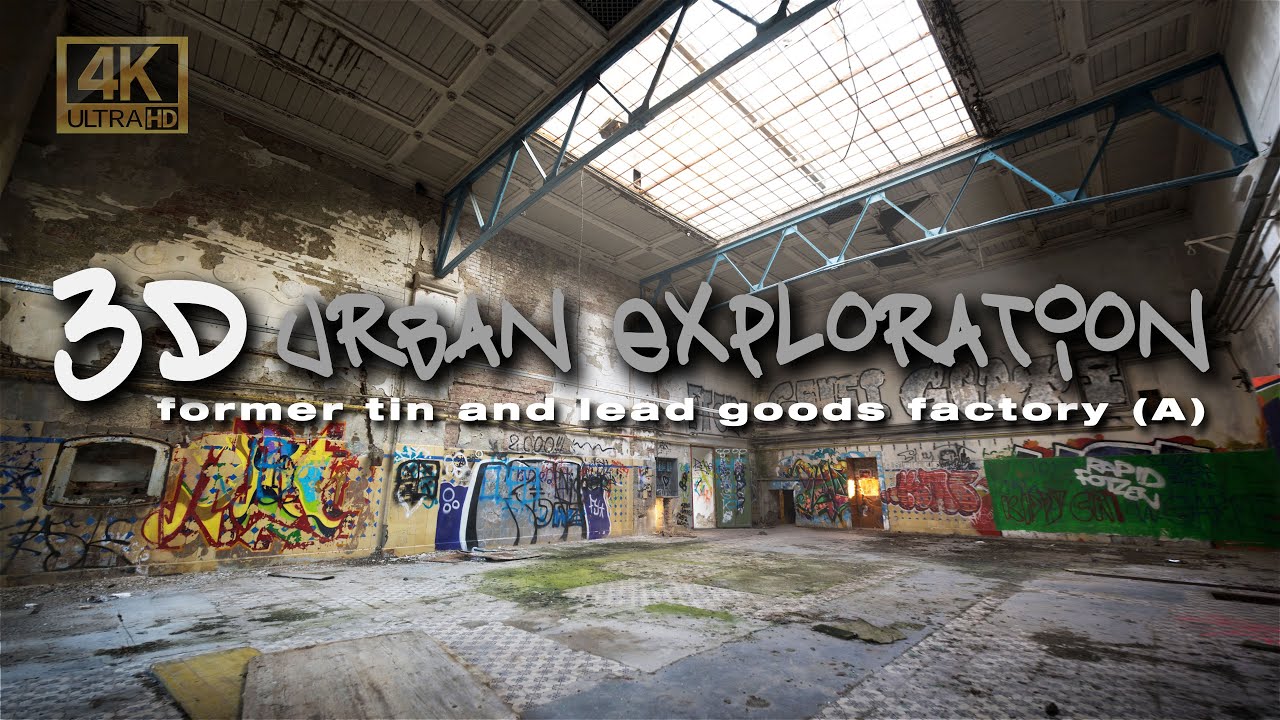
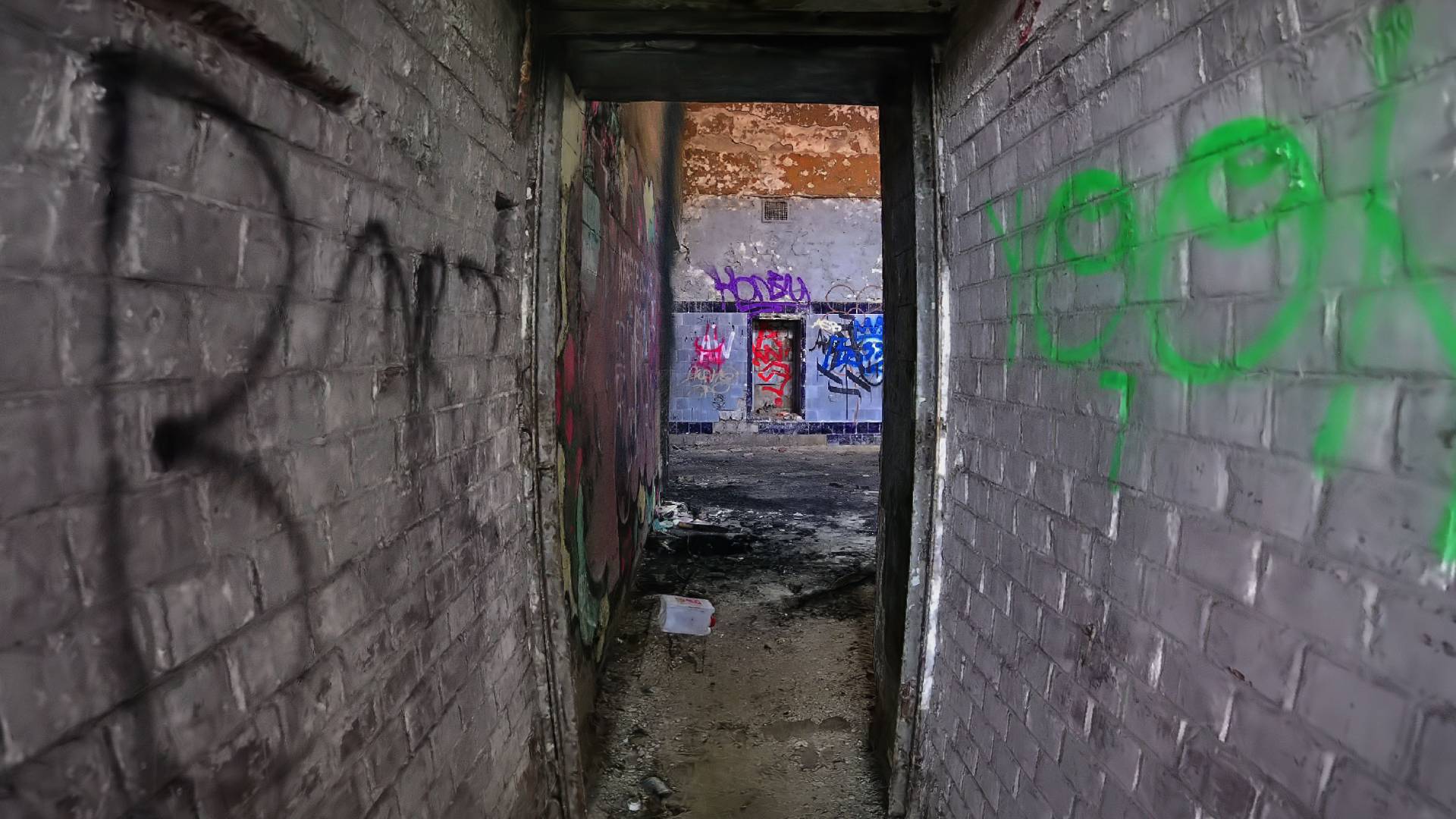
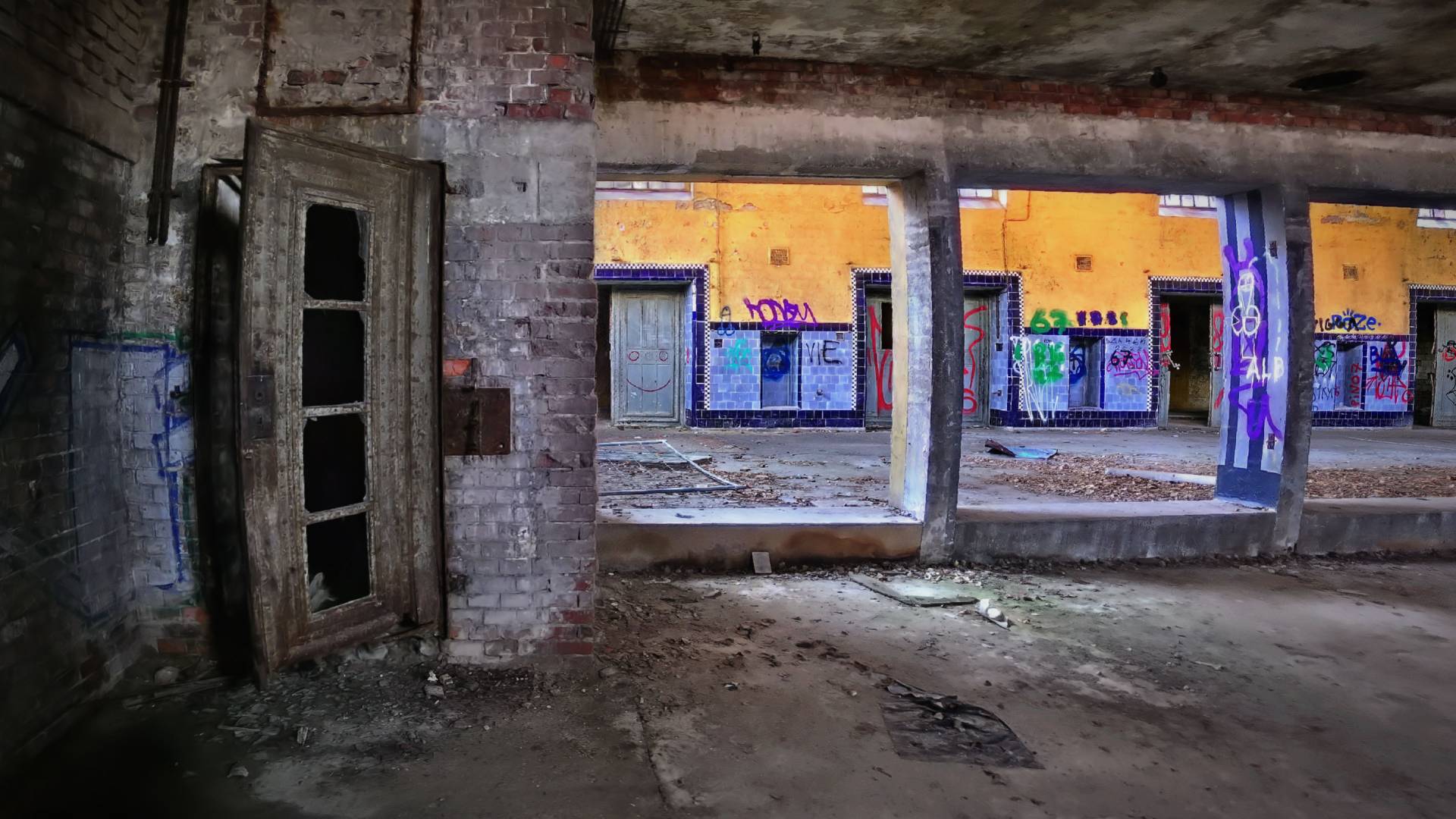
Schindelar frequently utilizes a Sony A7R4, often spending several hours—or even days—meticulously capturing every angle of a location. For a recent project involving an abandoned tin and lead goods factory, he captured the entire interior and exterior within a two-week window.
Contrary to popular belief, "more megapixels" isn’t always the goal. It is about acquiring enough visual information from the right viewpoints. In large-scale environments like forests, high-resolution capture is essential to prevent the visuals from "breaking" at the horizon, but for smaller, intimate objects—like a statue—the focus shifts to close-up coverage. This data-heavy process can result in raw datasets ranging from a few gigabytes to massive, 1.5-terabyte collections for the most ambitious projects.
The Training Pipeline
Once the photos are captured, the "splat training" begins. This is the heavy lifting where the raw images are converted into a coherent 3D scene. The pipeline typically uses structure-from-motion algorithms to align camera positions and create a sparse point cloud.

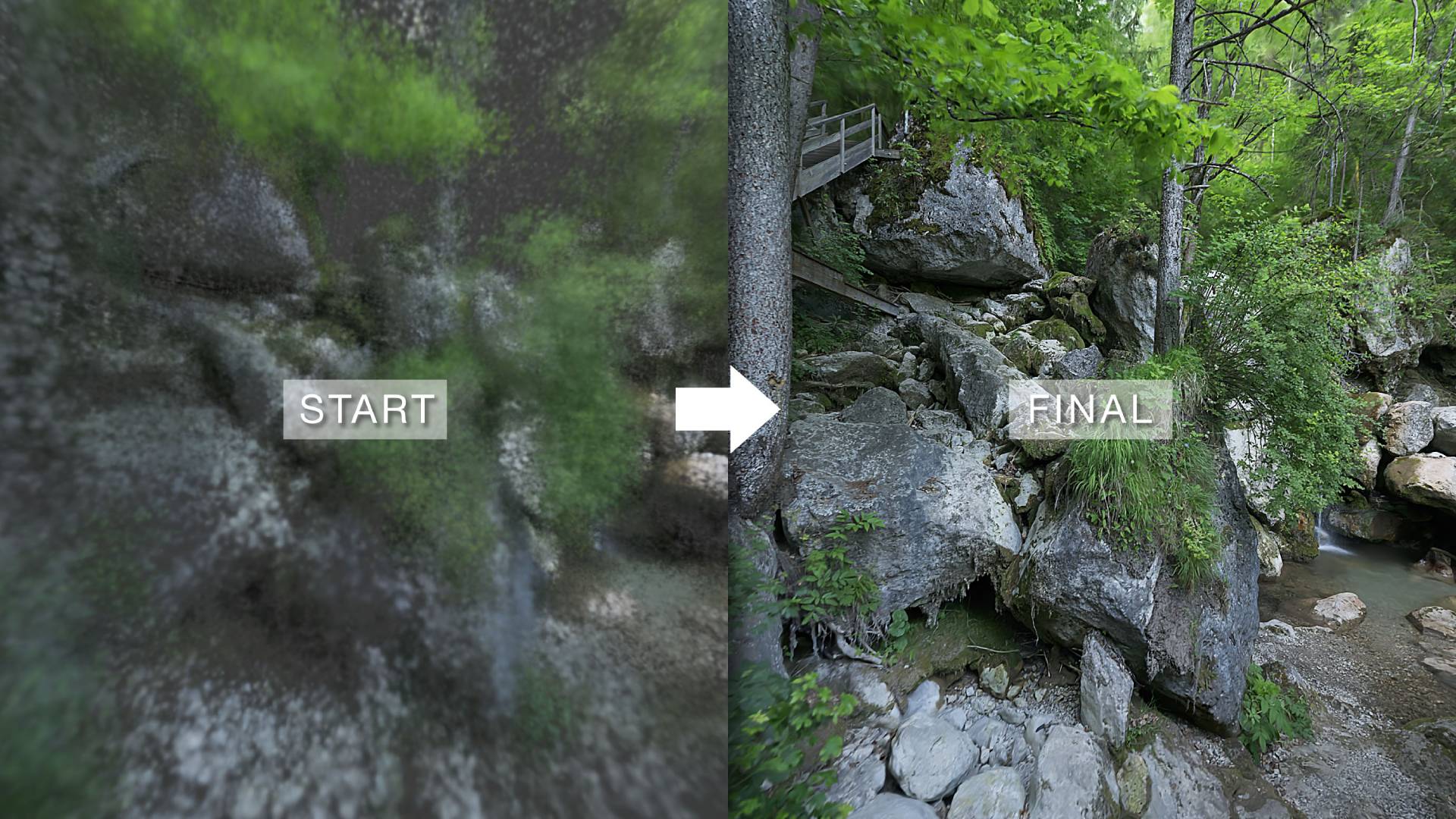
The optimization process then adjusts the splats, constantly comparing the rendered view to the original source photos. Initially, the output is a chaotic, blurred cloud of splats. Over time, through iterative training, these splats converge into a razor-sharp, photorealistic representation of the environment.
Hardware and Accessibility
One of the most persistent myths about Gaussian Splatting is that it requires an industry-standard render farm. While Schindelar uses an NVIDIA RTX 5090 for his high-end work, he emphasizes that the technology is surprisingly accessible.
The bottleneck is not raw processing speed, but VRAM. Because the entire dataset must be cached on the graphics card, VRAM capacity is the single most important factor in a production workstation. Furthermore, the rise of cloud-based processing platforms like Varjo Teleport, KIRI Engine, and XGRIDS has lowered the barrier to entry, allowing creators without top-tier hardware to upload their datasets and receive a processed splat in return.
Real-World Implications and Limitations
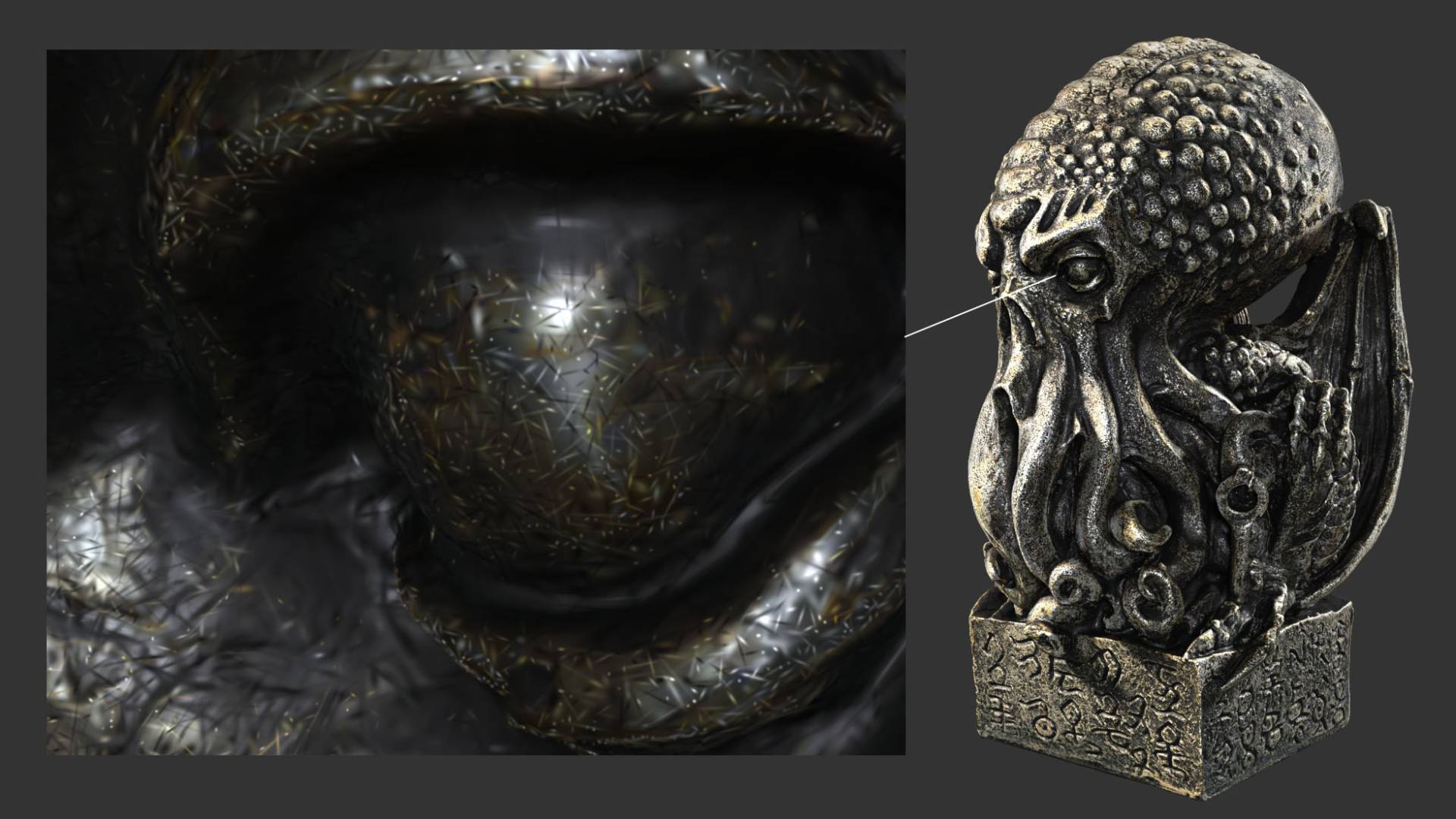
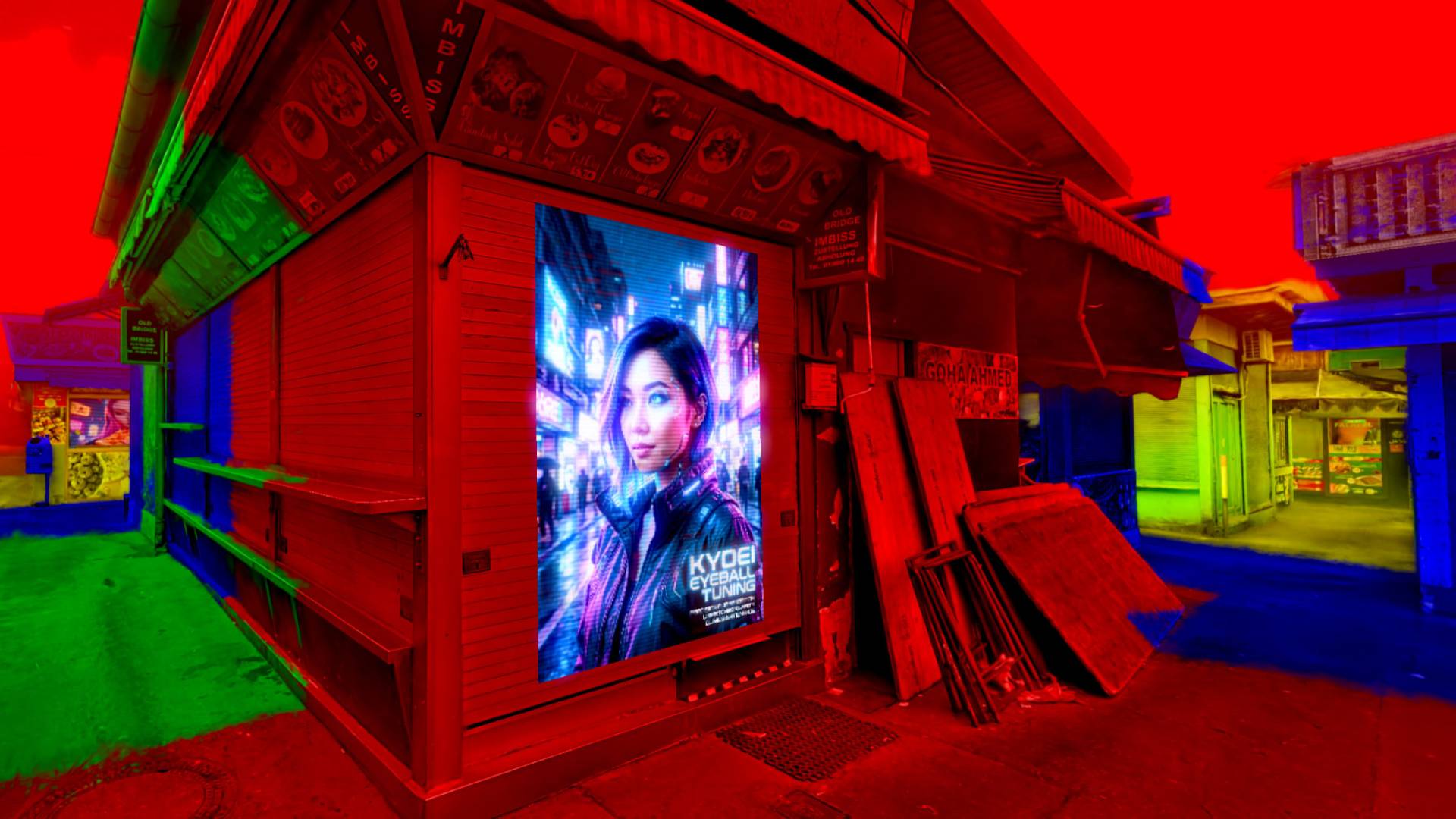
The implications for the industry are profound. Gaussian Splatting is particularly effective at rendering "thin" structures—such as human hair, intricate wiring, or dense foliage—which are notoriously difficult to reconstruct using traditional mesh-based modeling.
The Lighting Conundrum
However, the technology is not a silver bullet. Because GS is derived from still images, the lighting is often "baked" into the splats. This means that, in its current iteration, Gaussian Splatting does not natively support dynamic, real-time lighting changes (like a sun moving across the sky) in the same way that traditional geometry does.
Schindelar addresses this by using "practical production layers." By placing a hidden, low-poly mesh underneath the splat, developers can simulate dynamic shadows, collisions, and interactions. While he acknowledges that GS is not yet the ideal solution for fully animated, interactive characters, it is already a massive game-changer for static environments.
Compression and Portability
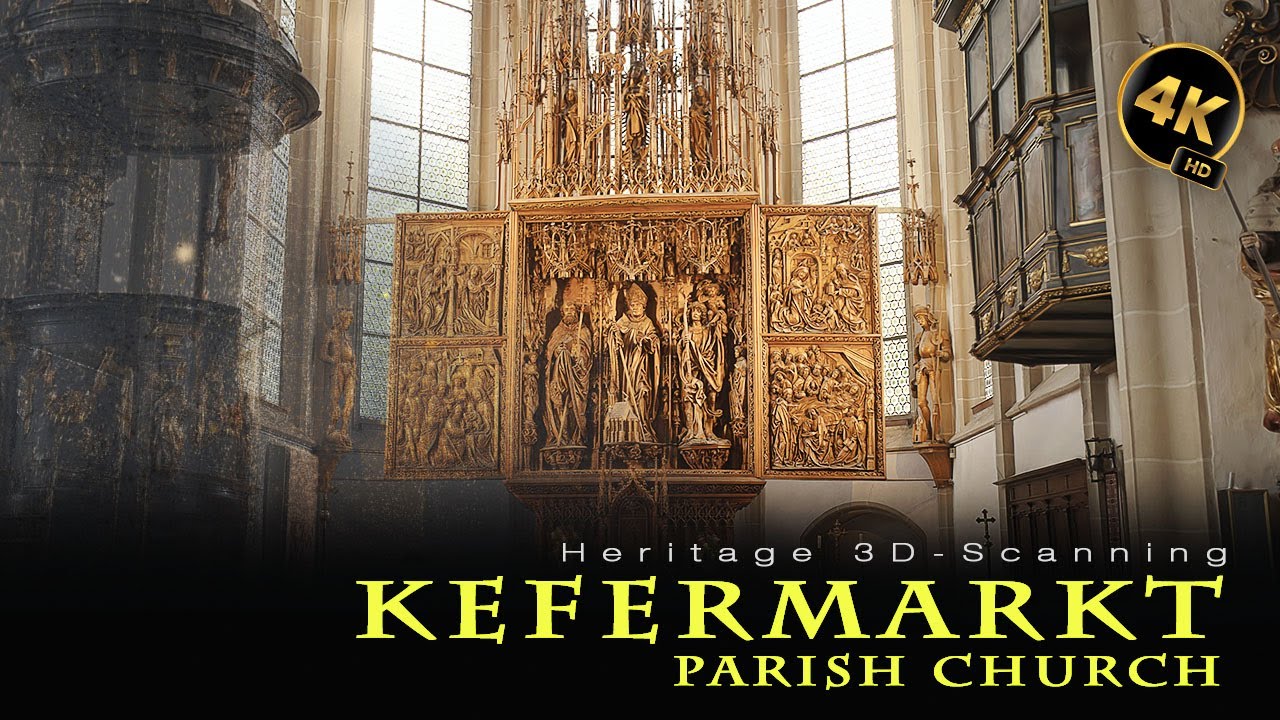
The most exciting frontier for GS is compression. Through techniques like "Self-Organizing Gaussians," massive scenes can be reduced to a fraction of their original size. Schindelar cites a church interior demo that was compressed from 1GB down to 55MB without a significant drop in visual fidelity.
This potential for extreme compression suggests a future where high-fidelity, real-world locations can be explored on mobile devices, handhelds like the Steam Deck, or even through web browsers.
The Future of Interactive Experiences
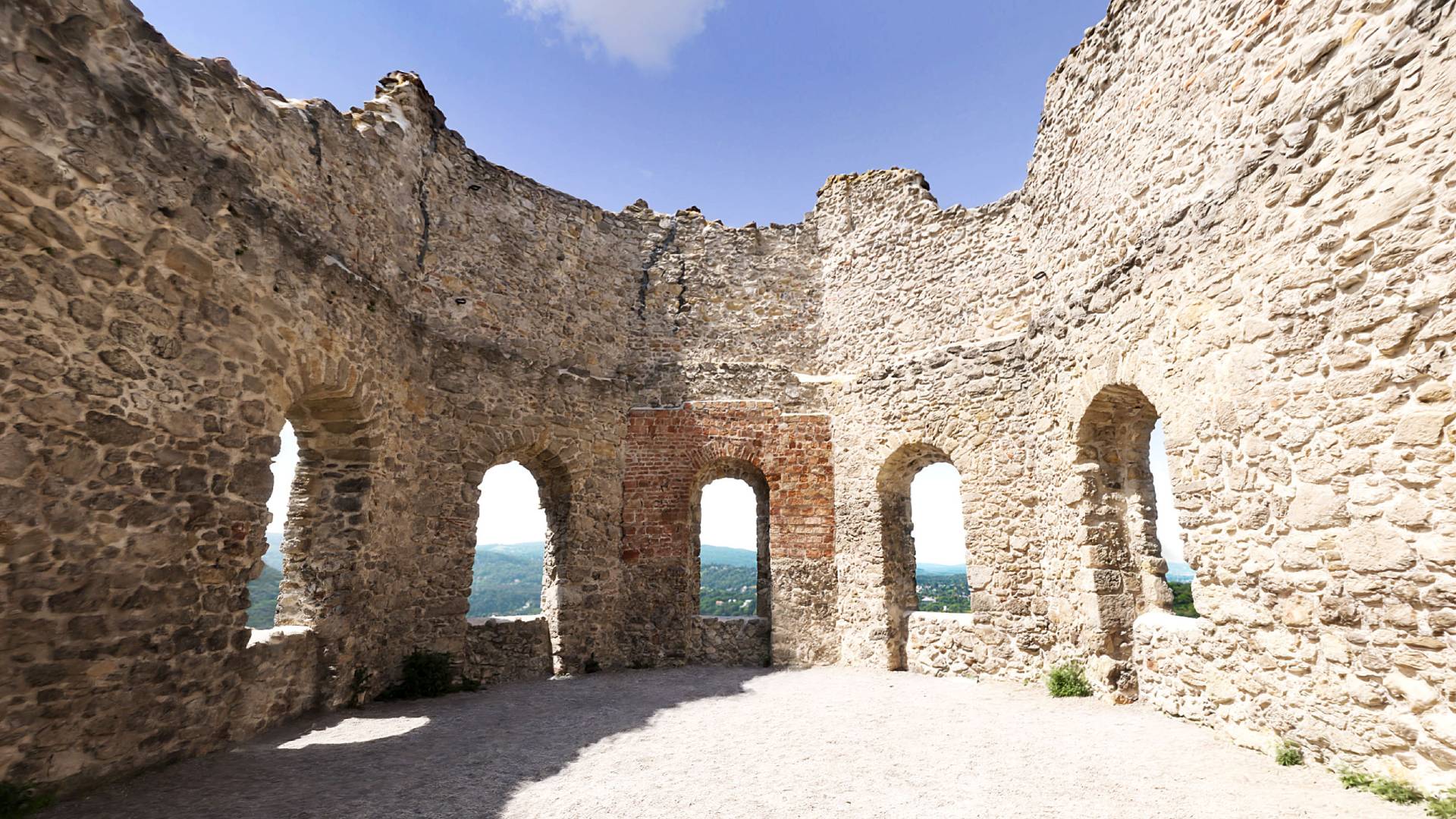
The recognition of the "Pfarrkirche Kefermarkt" scene—which won "Splat of the Year" at the 2025 Polys Immersive Awards—served as a wake-up call for the industry. It demonstrated that GS is not just a novelty; it is a viable medium for cultural heritage preservation and immersive, gamified environments.
As Schindelar tests his experiments on his Steam Deck, he sees a future where the line between "recorded reality" and "game world" disappears entirely. "We are not quite there performance-wise, but we are really, really close," he says. "Some more optimizations down the line, and this is a game-changer."
As the technology continues to mature, we are likely to see Gaussian Splatting integrated into standard game engines as a primary tool for environmental art. By bridging the gap between high-end 3D scanning and real-time performance, Gaussian Splatting is poised to usher in a new era of visual storytelling—one where the world isn’t just simulated; it is captured, optimized, and brought to life with a level of detail that was, until very recently, entirely impossible.

