

Main Facts: A New Era for Steam Discovery
The digital storefront landscape has long grappled with a paradox of choice, and no platform embodies this more intensely than Steam. With hundreds of titles launching every single week, Valve’s colossal PC marketplace is a double-edged sword: while it serves as an extraordinary harbor for indie darlings, AAA blockbusters, and niche passion projects alike, the sheer volume of releases makes the platform notoriously difficult to navigate. Discoverability has been the perennial headache of PC gaming.
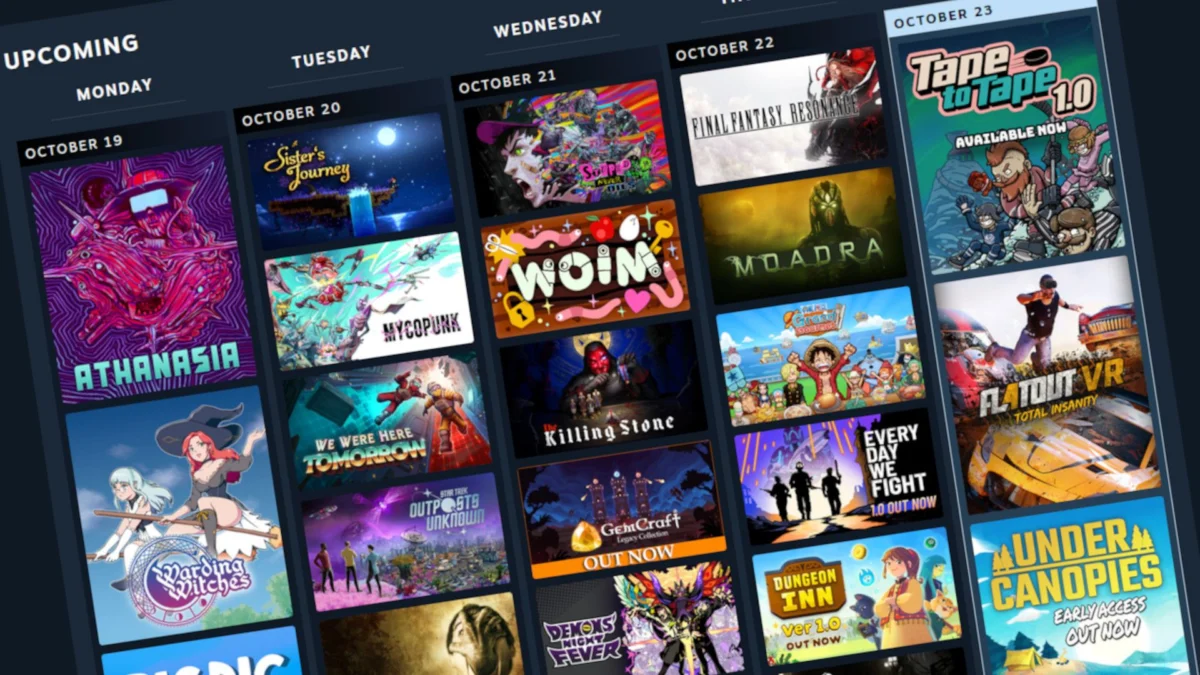
To combat this endless digital sprawl, Valve has officially launched its Personal Calendar feature. Graduating from the experimental crucible of Steam Labs—where it spent months in beta testing refining its underlying code—the Personal Calendar is now a permanent, fully integrated staple of the Steam Store.
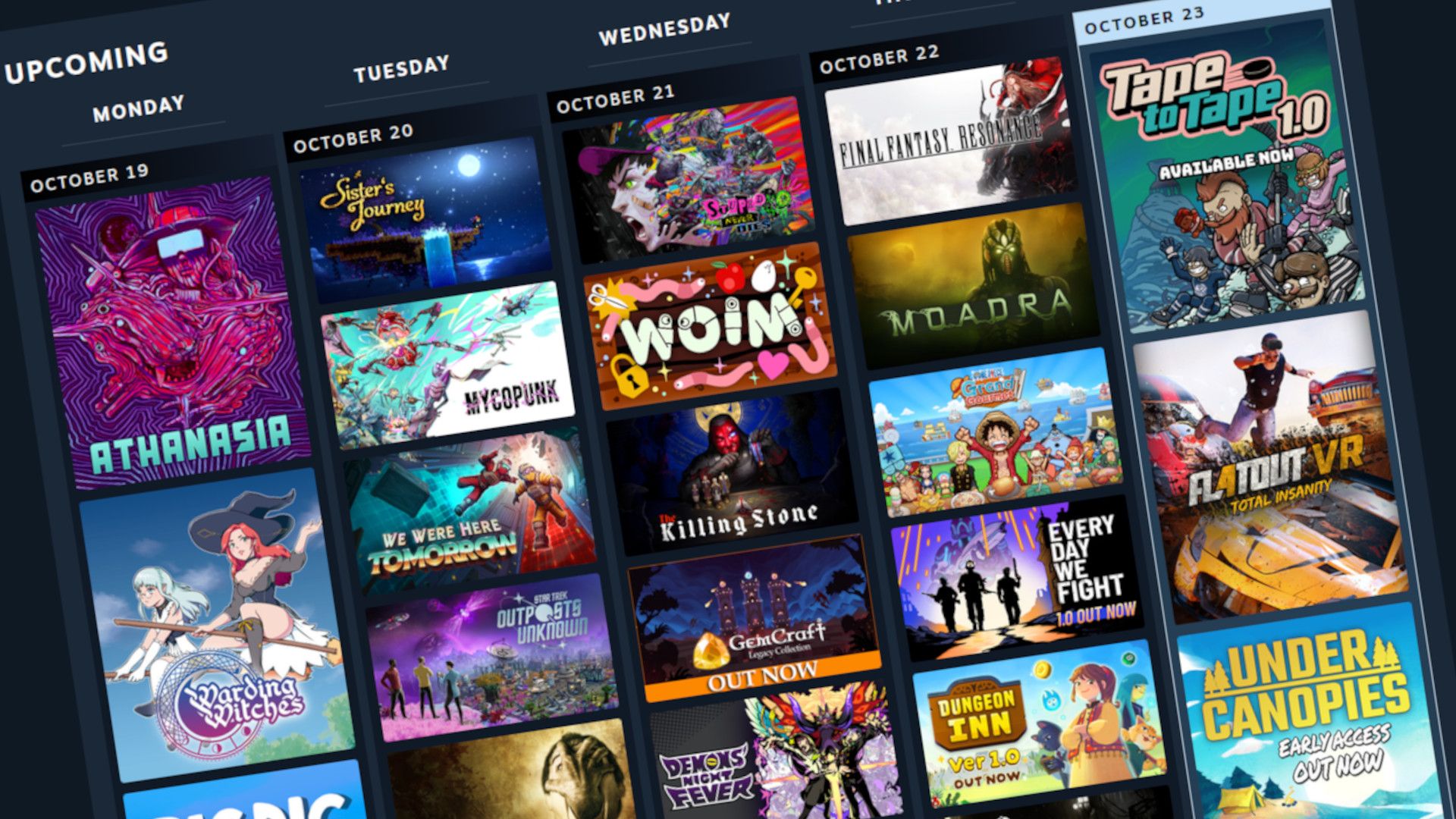
Designed to cut through the algorithmic static, the feature presents users with a clean, highly customized calendar view detailing upcoming game releases over an eight-week horizon. Rather than relying on generic trending lists or heavily marketed banner ads, the Personal Calendar acts as a bespoke release radar, meticulously filtered to align with an individual’s unique gaming habits.
Chronology: From Experimental Beta to Storefront Staple
The journey toward a more intuitive Steam release schedule has been a methodical process for Valve’s engineering and UX teams.
- Late 2023 / Early 2024: Recognizing the growing fatigue among users trying to track upcoming titles amidst thousands of annual releases, Valve introduces the concept of Personal Calendars within Steam Labs. The experimental feature is rolled out to a subset of users for testing, feedback collection, and telemetry tracking.
- Mid-to-Late 2024: Feedback pours in from the community. Testers praise the calendar interface for its minimalist layout and uncanny ability to bypass irrelevant genres. Valve continually tweaks the recommendation logic behind the scenes, ensuring the tool avoids locking users into rigid echo chambers.
- The Official Launch: Valve officially announces that the Personal Calendar has graduated from Steam Labs. The feature transitions from an experimental sandbox tool into a permanent storefront pillar accessible to all Steam users globally via the official Personal Calendar hub.
Supporting Data: How the Algorithm Actually Works
Many modern gamers harbor a healthy, ingrained skepticism toward algorithmic recommendation engines, which frequently rely on opaque metrics, heavy corporate sponsorships, or superficial engagement loops. Valve, however, has been uncommonly transparent regarding the mechanics that power the Personal Calendar.
Playtime-Weighted Recommendations
The system does not care if a user merely clicked on a trailer for five minutes or launched a free-to-play title on a whim. Instead, the Personal Calendar focuses heavily on long-term engagement metrics.
- Depth over Breadth: Recommendations are calculated primarily using cumulative playtime data for a user’s most-played games.
- Mitigating Noise: Brief dabbles or short-lived trials have a negligible impact on the algorithm, ensuring that a stray purchase doesn’t permanently skew future calendar forecasts.
Escaping the Filter Bubble
One of the primary historical critiques of recommendation algorithms is the "filter bubble"—a phenomenon where a user who enjoys tactical turn-based RPGs is relentlessly fed only tactical turn-based RPGs, eventually choking out accidental discoveries or broader genre appreciation.
Valve designed the Personal Calendar with built-in safeguards against this fatigue. According to the company, the sheer math of the release schedule prevents absolute monotony:
"It’s unlikely that every day has a new game launching that is the same genre/theme as games you’ve been playing and is also a good recommendation for you."
By dynamically balancing familiar themes with calculated variety, the system keeps the calendar pool diverse while maintaining high relevance.
Official Responses: Valve’s Vision for the Feature
In its official community update, Valve highlighted the philosophy driving the feature’s transition from the experimental lab to the main client:
"With today’s Steam update, the Personal Calendar feature officially graduates from Steam Labs and is considered a full feature of the Steam Store," Valve stated in their official patch notes and development broadcast.
Crucially, Valve has made firm commitments regarding the integrity of the calendar’s curation:
- Zero Sponsored Placements: Valve has verified that game developers and publishers cannot pay to secure a spot on a user’s Personal Calendar. The slots are driven entirely by user telemetry and data modeling.
- Granular Customization: Users retain ultimate control over their view. Beyond the automated recommendations, players can manually toggle specific genre tags, themes, and even adjust the visual density of the calendar to display more or fewer titles per day.
Implications: What This Means for Developers and Gamers
The introduction of a fully realized Personal Calendar carries significant downstream effects for both the consumer base and the broader independent development community.
For Gamers: Reclaiming Control of the Wishlist
For the average consumer, the tool radically streamlines how they manage anticipation. Historically, tracking upcoming games meant manually scouring gaming journalism sites, digging through the chaotic "Upcoming" tab on Steam, or haphazardly adding titles to a bloated wishlist that quickly becomes an unorganized graveyard of forgotten projects.
The Personal Calendar offers a temporal, visual map. By organizing releases chronologically over an eight-week window, players can budget their time and money more effectively. It transforms the overwhelming prospect of PC gaming into a manageable, digestible timeline. Furthermore, the absence of sponsored clutter restores a degree of trust in platform-native discovery tools.
For Developers: A Fighting Chance for Niche Titles
For game developers—particularly indie studios operating on shoestring marketing budgets—discoverability is often the difference between commercial survival and sudden obscurity. Traditional storefront real estate is largely dominated by massive publishers who can afford prominent capsule placement during major Steam sales.
While the Personal Calendar relies on personal play history, its anti-filter-bubble mechanics and granular tag filters create a fertile environment for specialized or cross-genre indie titles to bubble up to the right audiences. If a small studio builds a game that genuinely resonates with the core mechanical interests of a distinct player segment, the calendar’s algorithm is far more likely to surface that title naturally than a generic trending list would.
Broader Industry Context
While Valve continues to face valid, ongoing criticisms regarding platform moderation, inconsistent adult content policy enforcement, and the occasional growing pains of relying on automated systems to manage an ever-expanding library, the Personal Calendar represents an undeniable win for UI/UX design. It demonstrates that Valve is still capable of listening closely to user friction points and deploying elegant, consumer-friendly technical solutions.
As the PC gaming market continues to expand at an unprecedented rate, tools like the Personal Calendar will no longer be considered mere "nice-to-have" conveniences—they will be absolute necessities for anyone hoping to stay afloat in the deluge of digital entertainment.

