

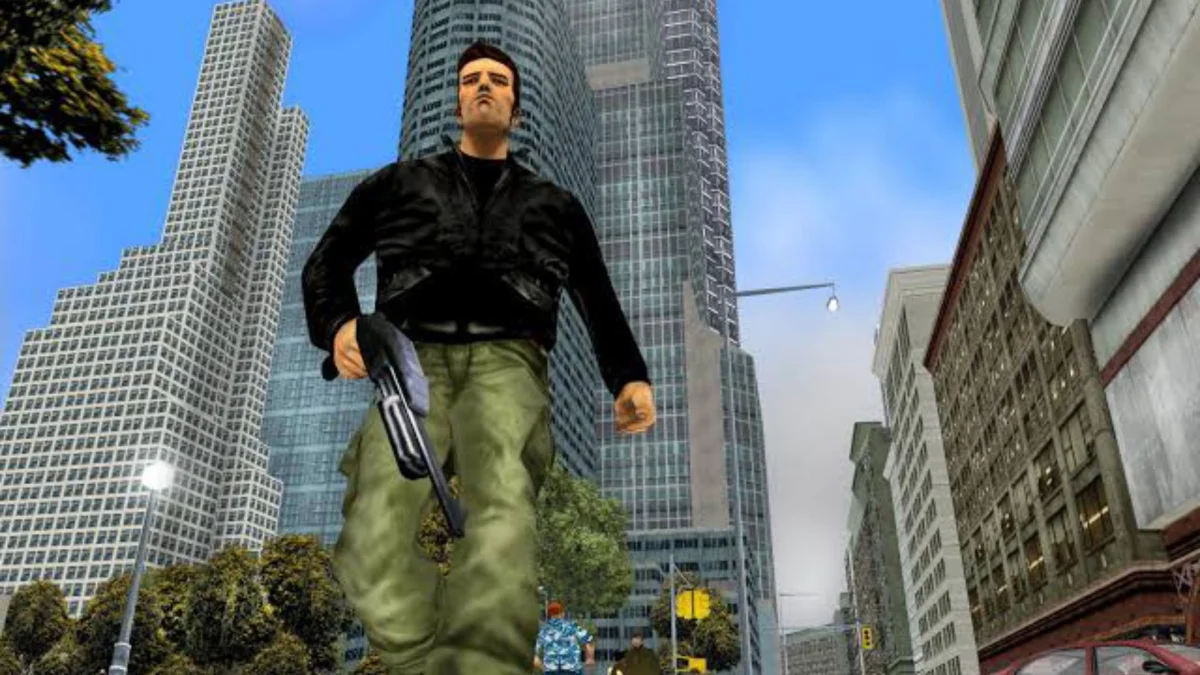
October 2026 marks a quarter-century since Rockstar Games released the title that forever altered the trajectory of interactive entertainment. Looking back at the gritty, revolutionary pavement of Liberty City reveals how a technical marvel born under impossible constraints became the cultural touchstone of a generation.
Main Facts: The Paradigm Shift of 2001
In October 2001, video game store shelves were crowded with spooky, atmospheric titles like Silent Hill 2, Devil May Cry, and Ico, all competing for the attention of gamers looking to lean into pre-Halloween thrills. Amidst these polished, linear experiences sat a box featuring an unpretentious collage of red, blue, and green hues: a police helicopter, a burning car, and a handful of obscure faces.
That game was Grand Theft Auto III.
Developed by DMA Design (now Rockstar North) and published by Rockstar Games, GTA III was not merely a video game release; it was an industry-wide adrenaline shot that permanently shifted the landscape of 3D open-world design. Propelling players into a gritty, post-industrial American metropolis known as Liberty City—a stylistic melting pot of New York, Chicago, Detroit, Pittsburgh, and Philadelphia—the game shattered historical boundaries. It combined vertiginous skyscraper design, deep narrative integration, and seamless spatial streaming into a living, breathing ecosystem that reacted dynamically to player choices.
Chronology: From Top-Down Pixels to 3D Immersion
The Predecessors and the Pivot
To understand the seismic impact of GTA III, one must look backward. The original Grand Theft Auto (1997) and its sequel, Grand Theft Auto 2, were cult hits characterized by their top-down, 2D perspectives. While innovative for their time, offering total freedom of movement and criminal enterprise, they struggled with narrative cohesion.
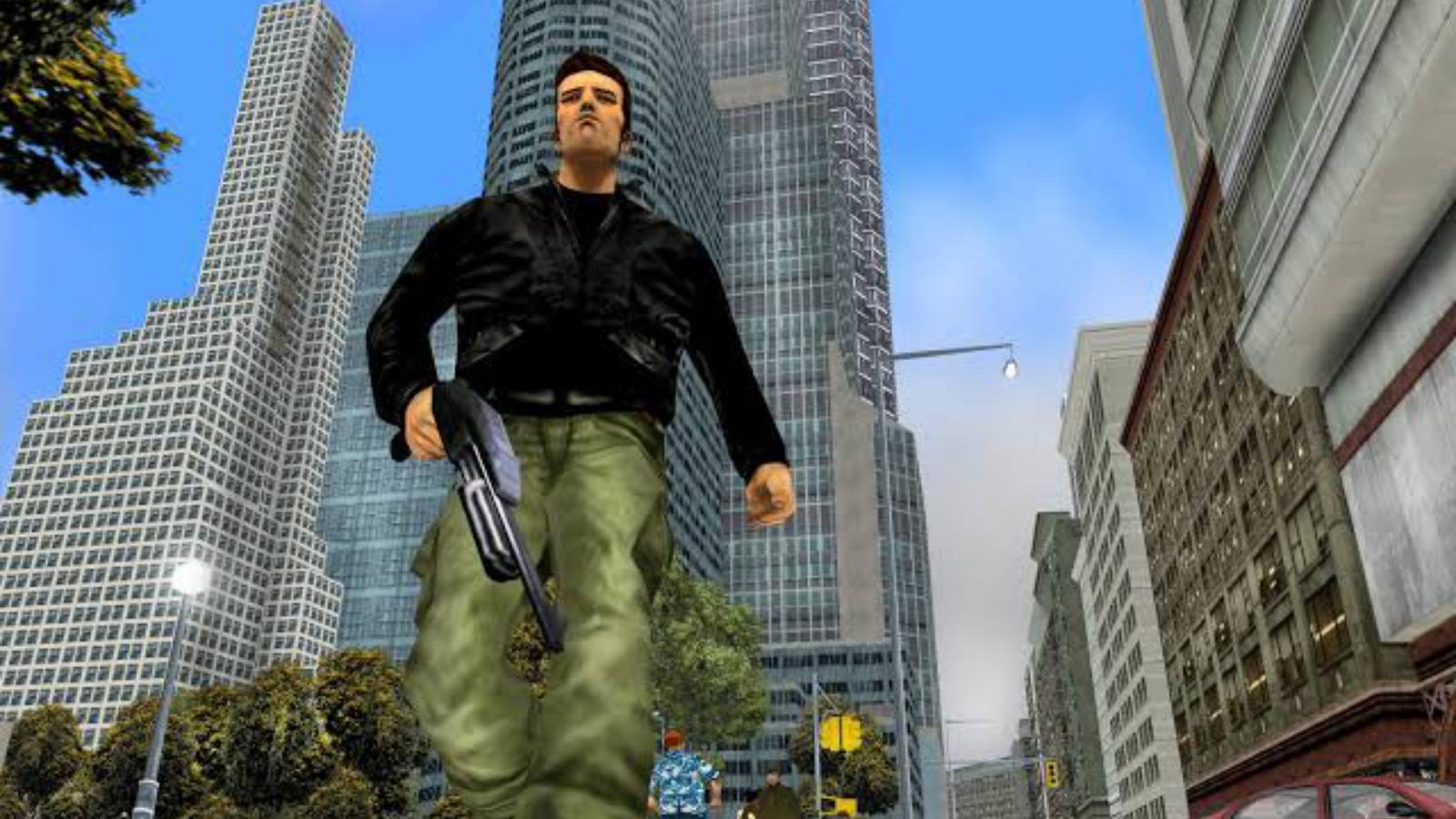
Following GTA 2, Rockstar co-founder Dan Houser recognized that non-linear gameplay alone was no longer enough; the franchise needed a narrative anchor. This realization sparked a daring and risky pivot: moving the entire franchise into full 3D.
The October 2001 Launch and the Shadow of 9/11
GTA III landed on the PlayStation 2 just weeks after the tragic events of September 11, 2001. The release schedule was hastily delayed by a few weeks to allow Rockstar to perform delicate surgical edits. Developers scrubbed explicit dialogue and missions referencing terrorism, altered Liberty City’s police cruisers from blue-and-white NYPD replicas to generic black-and-whites, and scrapped the original North American box art in favor of the now-iconic grid system.
Despite arriving during a moment of profound national grief and uncertainty, the game struck a surreal chord. For many players, navigating the rain-slicked, shadowy alleys of a digital New York offered a strange, haunting solace while the real world ground to a temporary halt.
Supporting Data: Engineering Magic Out of 32 Megabytes
The technical achievement of GTA III cannot be overstated. Released during an era when hardware limitations were severe, the game pushed Sony’s PlayStation 2 to its absolute breaking point.
Defying Hardware Limits
The PlayStation 2 possessed a meager 32MB of system RAM. However, GTA III required roughly 130MB of dynamic data—including high-fidelity 3D models, textures, animations, and sprawling audio files—to function smoothly.

To bridge this massive gap, technical leads Adam Fowler, Obbe Vermeij, and their engineering colleagues at DMA Design engineered a pioneering dynamic streaming system:
- The Streaming Engine: The game continuously loaded sectors of Liberty City ahead of the player while systematically purging the environment behind them. This is why high-speed driving often resulted in the world "pop-in" effect right in front of the vehicle.
- Clever Hardware Hacks: When the code struggled to keep pace with high-speed sports cars, developers intentionally designed curved roads to slow down vehicles and added subtle aerodynamic drag to prevent cars from outpacing the PS2’s optical disc laser reader. Furthermore, active traffic density was artfully capped at eight distinct vehicle models at any given time.
The Audio Landscape: Originality and Saturation
Before Rockstar could secure multi-million-dollar licensing deals with high-profile artists, the development team had to rely on sonic ingenuity. Audio directors Craig Conner and Stuart Ross composed an eclectic mix of original tracks under fictitious artist aliases like Da Shootaz, The Mudds, and Lucy.
Conner and Ross also composed the game’s unforgettable main theme—a moody, dark-jazz piece heavily inspired by cinematic masterpieces like Goodfellas and The Sopranos.
Complementing the music was Chatterbox FM, a talk-radio station scripted by Dan Houser and hosted by Lazlow Jones. Featuring absurd caller rants, satirical commercials, and pitch-black comedy, Chatterbox gave Liberty City a layer of satirical realism that lampooned American consumer culture long before open-world satire became mainstream.
Official Responses and Creative Vision
The transition from a top-down arcade experience to an immersive cinematic crime saga required a complete restructuring of mission design. Dan Houser, alongside co-writer James Worrall, introduced localized character "hubs"—criminal bosses such as Toni Cipriani, Joey Leone, and Salvatore Leone who doled out missions based on geographical territory.
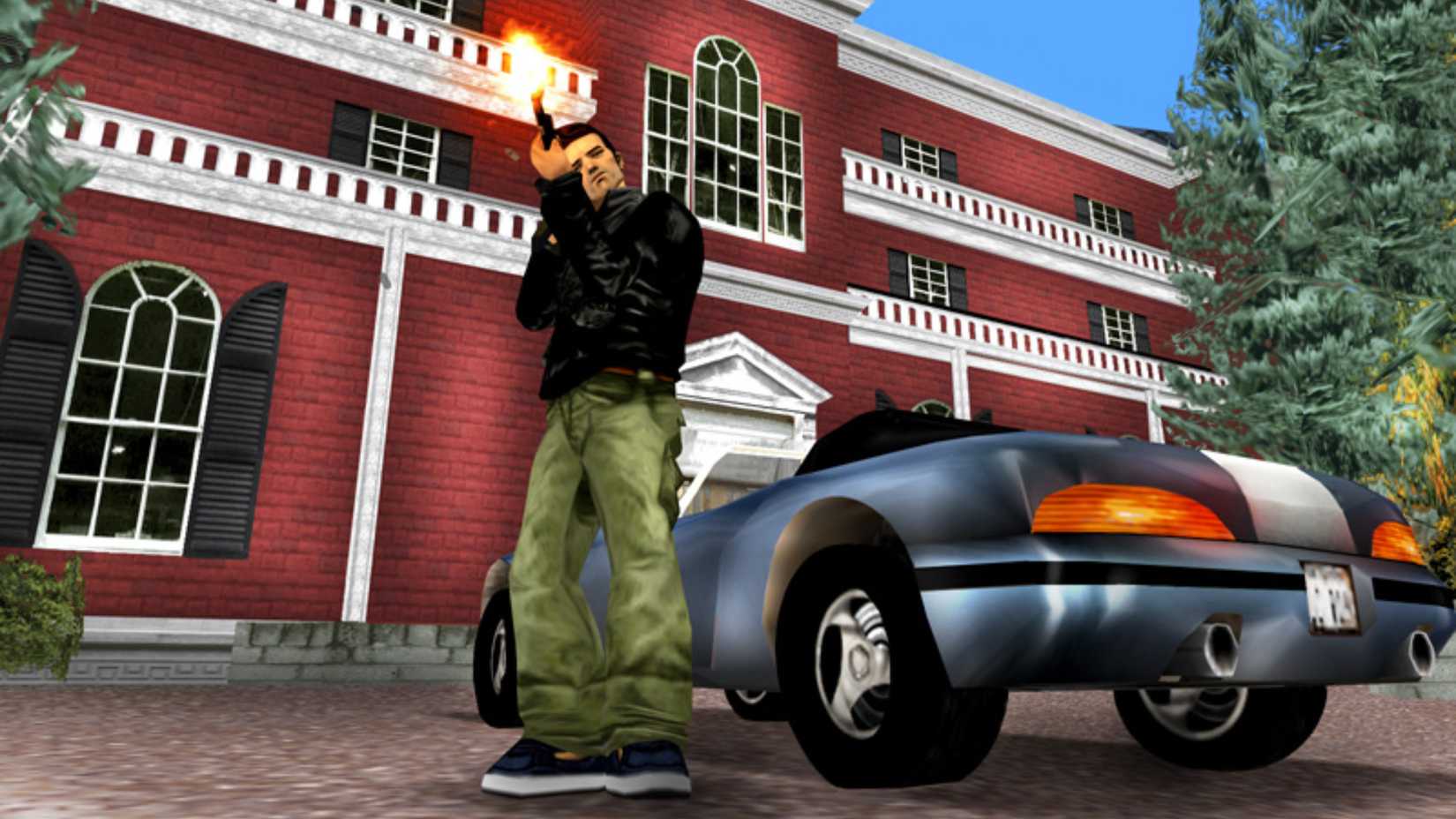
Speaking on the vision behind the world design, Dan Houser described Liberty City to entertainment outlets at the time as "an old, post-industrial American city" defined by grim alleyways, towering structures, and hostile populations.
Meanwhile, Rockstar co-founder Sam Houser encapsulated the studio’s overarching design philosophy in a 2001 interview with IGN, noting:
"It has its own personality in a way I’ve never seen before in a game, to the point where it actually becomes part of the gameplay experience."
This emphasis on personality became the bedrock upon which the entire modern entertainment empire of Rockstar Games was constructed.
Implications: The Legacy 25 Years Later
Grand Theft Auto III arrived during one of the most creatively fertile years in video game history. The calendar year of 2001 also brought masterpieces such as Halo: Combat Evolved, Metal Gear Solid 2: Sons of Liberty, Final Fantasy X, Silent Hill 2, and Ico. Yet, while those titles defined their respective genres, GTA III single-handedly laid the foundation for the modern open-world genre that dominates the gaming industry today.
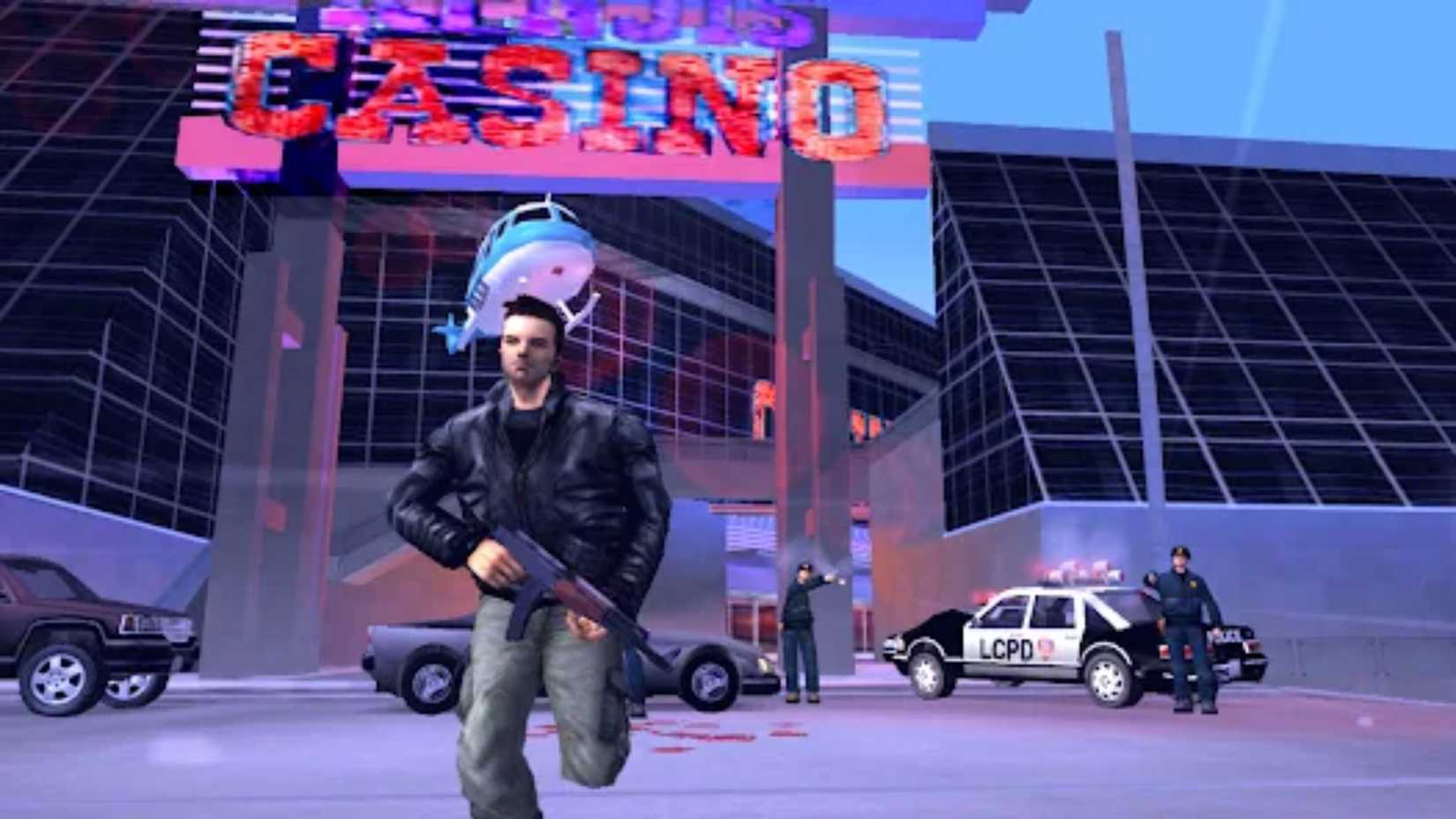
The game proved that sandbox freedom and a cohesive, driving narrative were not mutually exclusive. It demonstrated that technical constraints could be conquered through brilliant engineering, and that satirical storytelling could elevate interactive media to high art.
As the industry looks forward to the next generation of open-world blockbusters, the rain-slicked asphalt of Liberty City remains an enduring monument to ambition, technical wizardry, and the refusal to color inside the lines. Twenty-five years later, Grand Theft Auto III remains the undisputed blueprint for modern gaming.

