


While the latest DCU offering, Clayface, positions itself as a gritty, standalone character study, its narrative foundation is built upon decades of comic book lore and cinematic history. The film, which tracks the tragic transformation of actor Matt Hagen, serves as both an original origin story and a love letter to the darker corners of the Gotham City mythos.
For those who have already experienced the haunting journey of Matt Hagen and Dr. Caitlyn Corr, the film offers a treasure trove of "blink-and-you’ll-miss-it" details. From subtle nods to the Caped Crusader to deep-cut references to the animation history that defined the character, we have cataloged the 17 most significant Easter eggs and DC references buried within the production.

Warning: This article contains major spoilers for Clayface. If you have not yet seen the film, we recommend bookmarking this page and returning after your viewing.
The Architecture of Gotham: Lore and Geography
The film’s aesthetic is deeply rooted in the geography of the DC Universe, grounding its psychological horror in familiar, treacherous locations.

1. The Narrows
A critical setting in the film is the Narrows. Long-time readers of DC comics and fans of Christopher Nolan’s Batman Begins will immediately recognize this as one of Gotham City’s most impoverished and dangerous districts. By placing Matt Hagen and Dr. Caitlyn within this volatile environment, the film establishes an immediate sense of socio-economic pressure that serves as a catalyst for Hagen’s eventual descent.
2. Amusement Mile
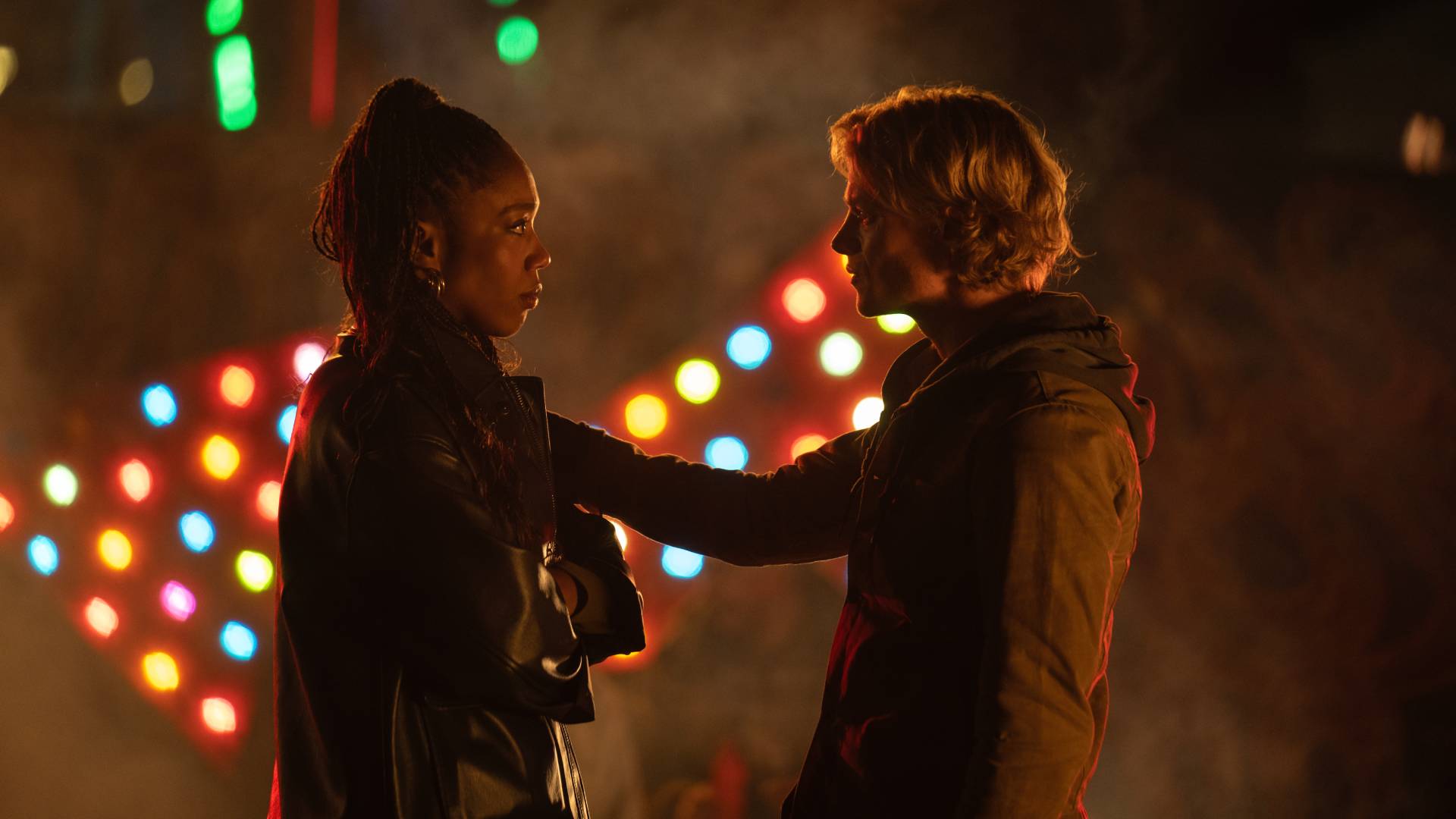
As Caitlyn navigates the city, a towering, flickering neon sign for "Amusement Mile" is clearly visible. In the comics, this is a staple of Gotham’s geography—a fairground district that serves as the frequent stomping ground for the Joker and Harley Quinn. Its presence here serves as a grim reminder that even in a story focused on a tragic actor, the shadow of Gotham’s most notorious villains is never far away.

3. Coast City
While the film is heavily focused on Gotham, it highlights Coast City as the backdrop for Matt Hagen’s rising career. Known to DC fans as the home of Hal Jordan (the Green Lantern) and the site of the Edwards Air Force Base, Coast City acts as the "Hollywood" of the DC Universe. The contrast between the bright, aspirational lights of Coast City and the suffocating atmosphere of Gotham highlights the professional and personal decline Hagen suffers throughout the film.
Production Secrets and Meta-References
The film acts as a meta-commentary on the entertainment industry, using real-world production history to enhance its narrative.

4. Imperial Pictures
At the start of the movie, Hagen is seen filming a project for "Imperial Pictures." This is a direct homage to the two-part Batman: The Animated Series episode "Feat of Clay," which introduced Matt Hagen as a struggling actor. The studio, complete with its iconic water tower, is a clear stand-in for Warner Bros., mirroring the meta-fictional nature of the original episode.
5. Reusing Cinematic History: Tim Burton’s Batman
In a masterclass of production design, the film’s team incorporated actual props from Tim Burton’s 1989 Batman. According to the production notes, a coffee table utilized by Jack Nicholson’s Joker is featured in Matt’s penthouse. Furthermore, the chair used during Hagen’s plastic surgery consultation was repurposed from the set where the Joker underwent his own infamous procedure in the 1989 film.

6. The Wayne Community Center
Matt Hagen is shown mentoring student actors at the Wayne Community Center. While the name is a clear nod to Bruce Wayne, it also serves as a subtle indicator of the Wayne family’s philanthropic influence on the city’s infrastructure, even in areas as downtrodden as the Narrows.
7. Building Names: Moldoff and Kane
The film honors the architects of the Batman mythos through its set dressing. The "Moldoff Building" is a tribute to Sheldon Moldoff, a pivotal Golden Age artist who worked on the Batman titles. Similarly, "Kane’s Candy Store" serves as a nod to Bob Kane, the co-creator of the Dark Knight.

Thematic Parallels: "One Bad Day"
The film leans heavily into the philosophy of the Joker, most notably articulated in Alan Moore’s The Killing Joke.
8. The "One Bad Day" Philosophy
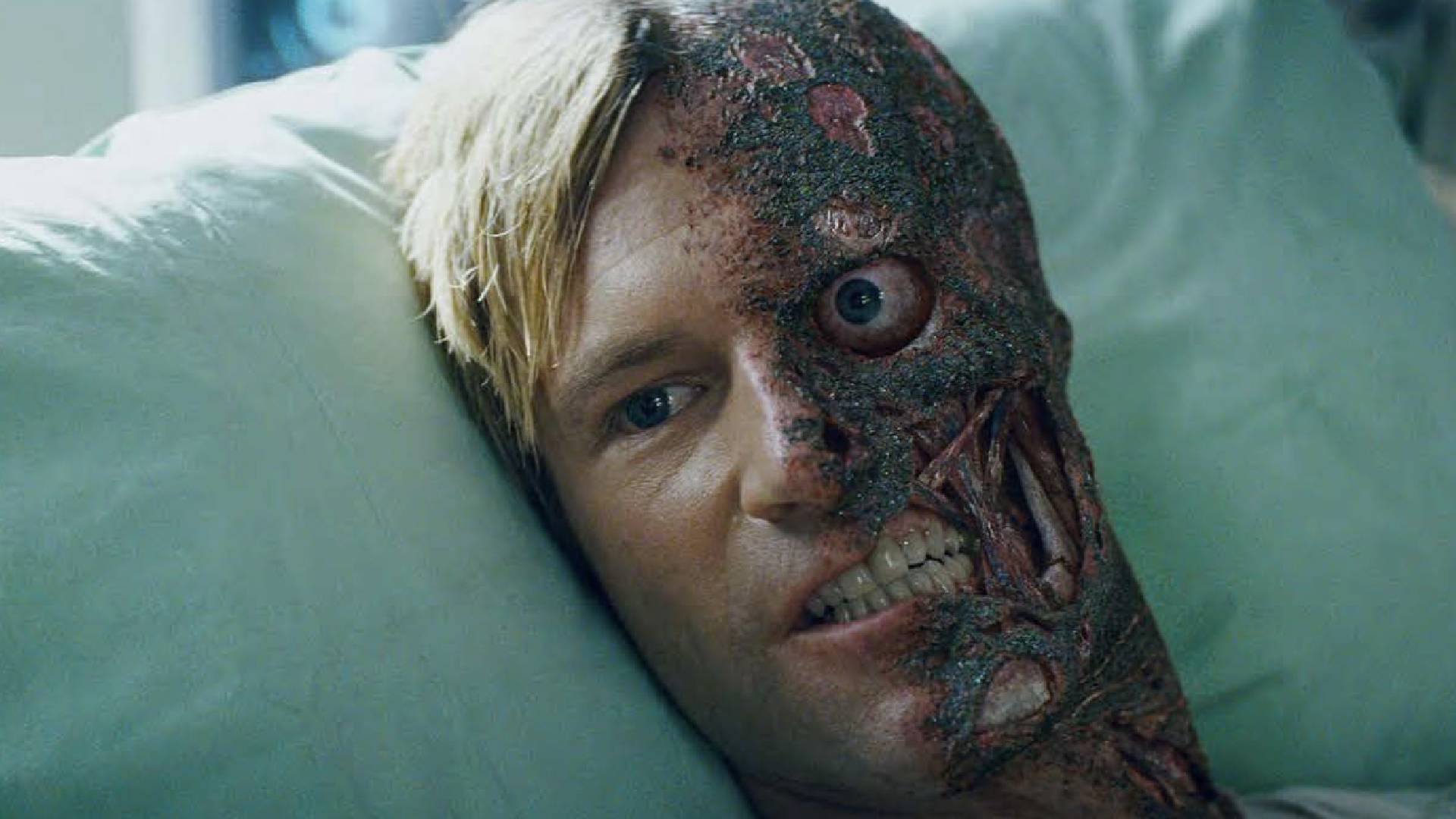
The film features an Academy Award-winning film titled One Bad Day. This phrase is synonymous with the Joker’s worldview—the idea that a single, traumatic event can push even the most stable individual into madness. The film forces the audience to compare the Joker’s origin, sparked by a dip in Ace Chemicals, with Matt Hagen’s own "bad day," when he is brutally attacked and subsequently betrayed by those he trusted.
9. The Shadow of Ace Chemicals
While never explicitly named, the industrial facility seen outside of Hagen’s window—belching fire and chemicals into the night sky—serves as a visual thematic anchor. It mimics the silhouette of Ace Chemicals, reinforcing the idea that Hagen’s transformation is a dark, chemical-induced parallel to the rise of Gotham’s greatest villains.
Gotham’s Finest and Daily Life
The film creates a lived-in world, utilizing established DC institutions to flesh out the background of the story.

10. The District Attorney’s Office
During the court proceedings regarding Hagen’s disfigurement, the film references the Gotham District Attorney’s office. For any DC fan, this conjures the image of Harvey Dent. It suggests that while the film remains focused on Hagen, the political machinery of Gotham—and the potential for corruption—is constantly churning in the background.
11. The GCPD and the Spirit of Jim Gordon
John Borrelli, the fiancé of Dr. Caitlyn, is depicted as an honest, hardworking police officer within the Gotham City Police Department (GCPD). His characterization serves as a grounded, human parallel to the archetypal "good cop" role historically filled by Jim Gordon.

12. The Gotham Gazette
A copy of the Gotham Gazette is visible at various points in the film. Historically, this publication is the workplace of Vicki Vale, a long-standing character in the Batman universe, suggesting that the media’s obsession with Gotham’s tragedy is a constant presence.
13. Missing Posters
The streets of Gotham are lined with missing persons posters. While none of these posters feature "big name" characters, they serve a vital world-building purpose, indicating that the city is in a state of crisis and that disappearances are a common, tragic occurrence.
14. Sports Fandom: Gotham Knights and Goliaths
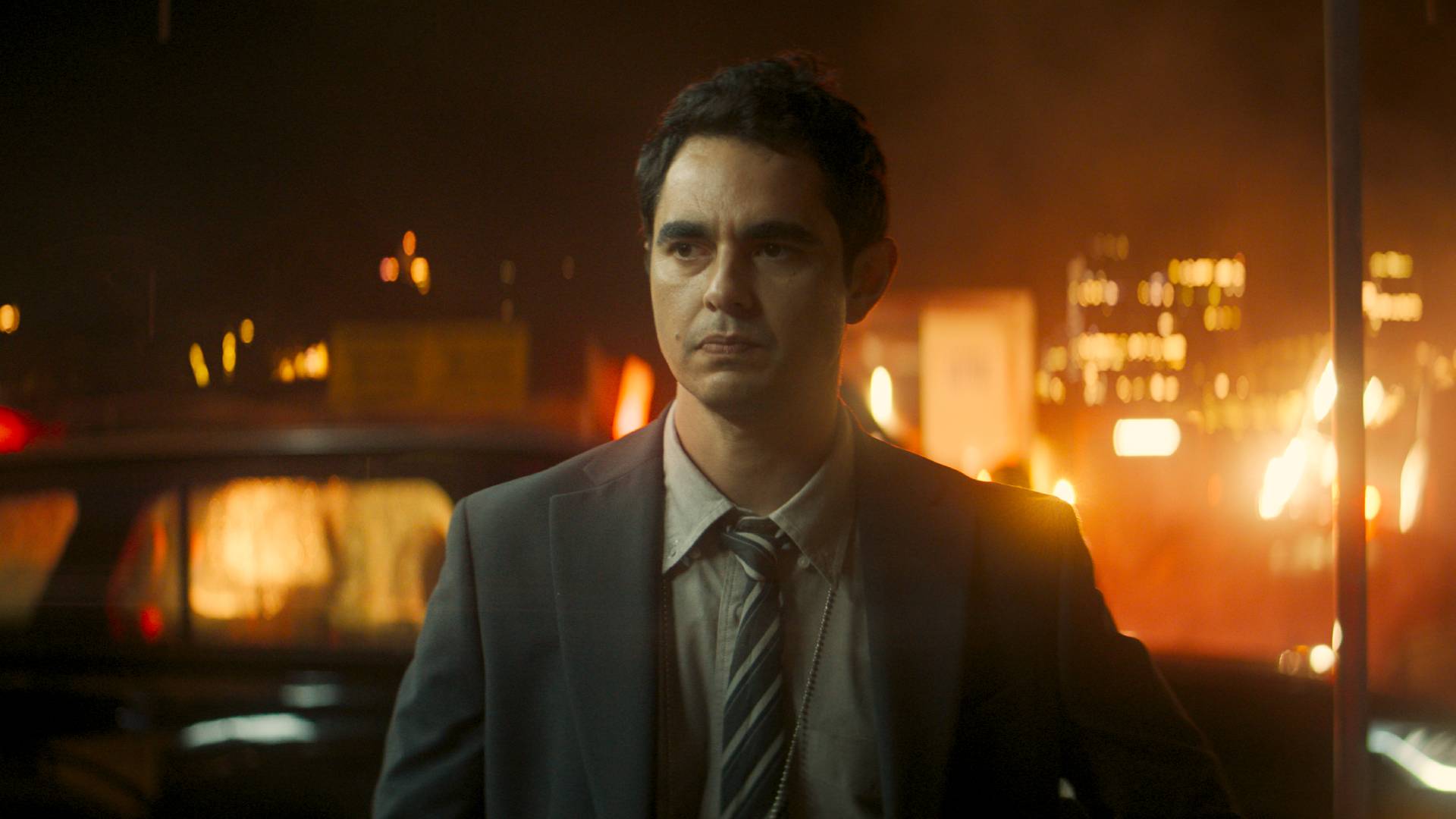
Background extras are spotted wearing clothing branded with the "Gotham Knights" and "Gotham Goliaths." These are established sports teams in DC lore, adding a layer of mundane, everyday life to the backdrop of the city’s high-stakes drama.
Official Responses and Production Insights
The inclusion of these details was not merely an exercise in fan service; for the cast and crew, it was an attempt to make the film feel like a genuine part of a larger, living universe.

Max Minghella, who plays the incorruptible John Borrelli, spoke about the surreal nature of working within the DCU. In our interview, he highlighted the use of the "Jitters Coffee" cup—a brand previously featured in the James Gunn-helmed Superman.
"I went to see Superman in the cinema and really loved it," Minghella noted. "Then, quite quickly after, I was on set holding a Jitters Coffee cup. It was one of the most surreal moments of my life. I thought, ‘Wow, the magic of movies. It’s like being a kid in a candy shop.’"
The director has also noted that while he initially resisted heavy-handed references to Batman, the production team felt that subtle visual cues were necessary to establish the "DC horror" aesthetic, which focuses on the psychological breakdown of the individual rather than superhero spectacle.
Implications for the Future of the DCU
The success of Clayface as a standalone piece poses an interesting question for the future of the DCU: can the franchise thrive by focusing on the "monsters" rather than the "heroes"?
The inclusion of these 17 Easter eggs suggests that the studio is committed to building a cohesive, layered world. By rooting the film in the history of Batman: The Animated Series and utilizing established locations like Coast City, the film does not just exist as a standalone experiment; it functions as a piece of the larger puzzle.
The "Special Thanks" credit, which honors Bruce Timm, Paul Dini, and Marv Wolfman, signals a clear intent: the current creators are deeply respectful of the source material. Whether or not Matt Hagen will return in a future film remains to be seen, but the groundwork for a broader, more interconnected Gotham has been firmly laid. Clayface proves that even in a story about a man losing his identity, there is room for the rich, interconnected history that makes the DC Universe so enduring.

