


For years, the virtual reality modding community has operated as a double-edged sword. On one hand, it has gifted players some of the most breathtaking experiences in modern gaming—injecting new life into flat-screen classics through passion projects and technical sorcery. On the other hand, it has historically demanded a masterclass in computer science just to get a title to boot.
Enter CircuitLord. With the release of the Titanfall 2 VR mod—complete with a revolutionary, friction-free turnkey installer—the conversation surrounding VR modding is shifting away from what is being played and moving directly toward how easily players can access it. While the mod itself delivers a masterclass in virtual reality adaptation, the streamlined delivery system underlying it represents a monumental leap forward for XR software accessibility.
Main Facts: The Titanfall 2 VR Experience
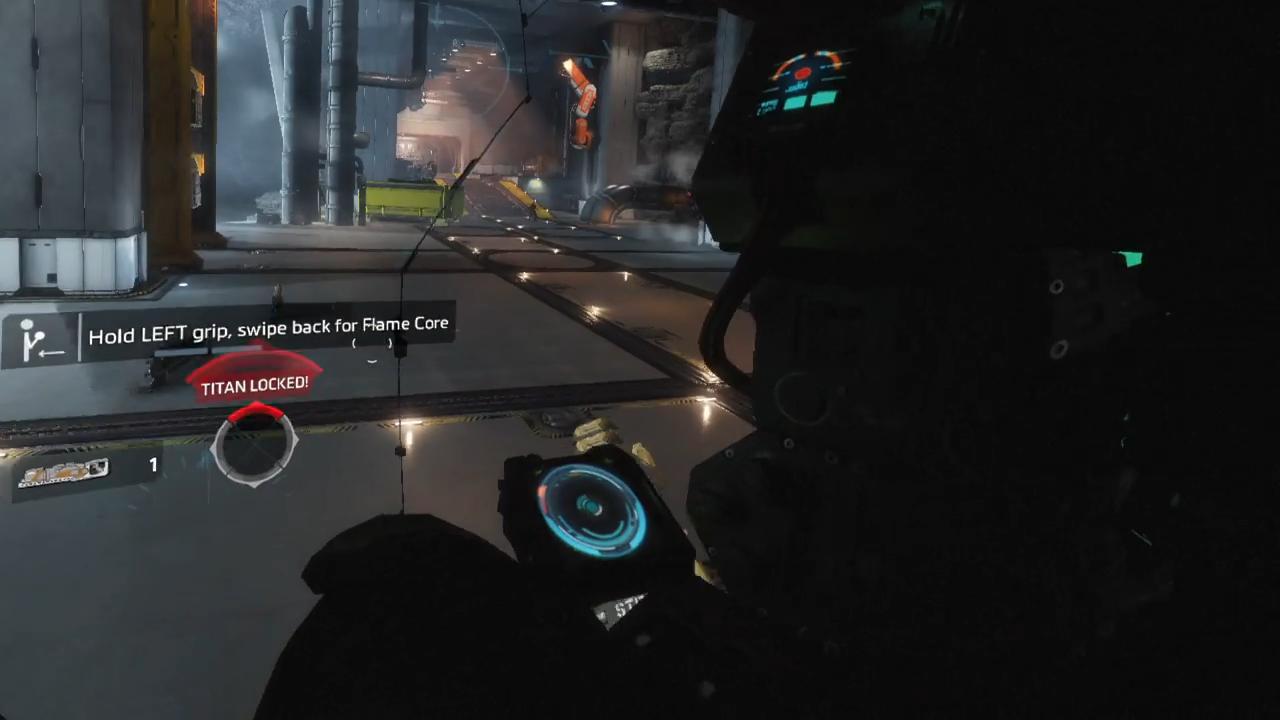
The newly released Titanfall 2 VR mod has arrived to near-universal acclaim from early testers, defying the turbulent standard set by the flood of unpolished, "vibe-coded" mods that saturated the market over recent summers.
Unlike early-access equivalents plagued by severe performance hits, broken camera angles, and erratic tracking, CircuitLord’s creation functions as a polished, finished product right out of the gate. Key features of the release include:
- Seamless Installation: A custom automated installer that handles file placement, system verification, and updates without manual intervention.
- True Motion Control Support: Complete integration of VR controllers, replacing traditional gamepad prompts (such as LB, RB, or thumbstick clicks) with intuitive virtual reality interactions.
- Comfort Options: A dedicated toggle for cinematic cutscenes, allowing users to experience them either in full immersive 3D or safely anchored on a 2D virtual screen to combat motion sickness.
- Engine Optimization: Stable rendering that captures the breakneck pacing, wall-running mechanics, and titanic mech combat of Respawn Entertainment’s original masterpiece without sacrificing performance.
Chronology: From UE Injection to the One-Click Era
The journey toward playing traditional triple-A games in virtual reality has been a long and winding evolutionary path characterized by intense technical barriers.
Phase 1: The Era of Deep Tinkering
Historically, playing a standard PC game in a VR headset meant diving headfirst into complex configuration files, editing registry keys, and manually injecting third-party wrappers. These methods frequently broke every time a game received an official developer patch, leaving users stranded with non-functional software.
Phase 2: The UEVR Breakthrough
The landscape shifted dramatically with the introduction of Praydog’s Universal Unreal Engine VR Injector (UEVR). Hailed as a masterclass in technical engineering, UEVR successfully cracked open thousands of Unreal Engine titles, allowing them to render in VR. However, a major bottleneck remained: individual game profiles. To achieve full motion controller support and stable first-person camera perspectives, players still had to hunt down community-sourced profiles online, evaluate competing options, and manually configure them.

Phase 3: The Turnkey Solution
CircuitLord’s project marks the dawn of the automated installer era. By condensing complex script writing and file placement into a simple, guided three-step check, the process has been reduced to a matter of seconds. Following the installation and with SteamVR active, players simply hit "Play." This same philosophy is championed by other community leaders like modder MrSurvivor, whose centralized VR hub app similarly streamlines installs and updates across multiple titles via a few clicks.
Supporting Data: The Anatomy of VR Friction
To understand why CircuitLord’s installation method is generating so much excitement, one must examine the persistent friction points that have historically choked wider VR adoption.
For as long as virtual reality has occupied the public eye, industry analysts, hardware manufacturers, and consumers have debated what the medium "needs" to achieve mainstream penetration:
- Lighter, more ergonomic headsets
- Higher Pixels Per Degree (PPD)
- Expanded Fields of View (FOV)
- Brighter, more efficient micro-OLED panels
- Higher native refresh rates and lowered price points
While none of these hardware demands are incorrect, they all circle a singular, underlying enemy: friction.
[Traditional Modding Friction]
Download Files -> Locate Root Directory -> Rename/Extract -> Hunt for Profiles -> Troubleshoot Crashes -> Play
                                      vs.
[CircuitLord's Turnkey Approach]
Download Installer -> 3-Step Verification -> Press Play -> Play
Entire Discord servers and expansive Reddit communities have naturally formed out of necessity, existing solely to troubleshoot installation errors for everyday users. When a piece of software requires an active support network just to pass the title screen, it erects an invisible wall keeping casual and semi-regular consumers out. CircuitLord’s installer proves that software-side friction can be systematically eliminated with enough deliberate design foresight.
Official Responses and Community Reception
The reaction from the virtual reality community has been swift and overwhelmingly positive, highlighting a collective fatigue regarding overly complicated setup processes.
Reviewers and early testers have emphasized that the mod succeeds not merely because Titanfall 2 is a fantastic game, but because the deployment respects the user’s time. In a professional appraisal of the software, industry insiders noted:
"CircuitLord’s turnkey solution to one of VR modding’s many friction points feels like a bigger step forward than yet another example of a great VR mod for an already great game."
Testers who previously avoided third-party modifications entirely out of frustration have reported an entirely friction-free onboarding experience. By removing the technical intimidation factor, the barrier to entry has plummeted, enabling a broader demographic of gamers to experience fast-paced, high-octane shooters through an entirely new lens.
Implications: Why Convenience and Accessibility Matter
The implications of CircuitLord’s work extend far beyond a single sci-fi shooter. For decades, video game modding has been pigeonholed as a niche hobby reserved exclusively for technical tinkerers—those willing to delve into command lines, sideload assets, and manually patch game files.
If extended reality (XR) technology is to cross the chasm from enthusiast toy to ubiquitous household medium, convenience must become a core design pillar rather than an afterthought.
- Software Accessibility: Developers and modders alike must realize that user retention relies heavily on how easily software can be launched.
- Mainstream Confidence: When turnkey installers become the industry standard, consumers who are typically wary of "unofficial" modifications will feel secure taking a chance on community-driven content.
- The Future of XR Ports: As hardware continues to evolve, the software ecosystem must keep pace by ensuring that retrofitting flat games into VR environments requires zero command-line intervention.
Titanfall 2 proves that a competent mod combined with thoughtful engineering can create a world-class virtual reality experience. However, the true legacy of CircuitLord’s release may ultimately be the blueprint it establishes for user accessibility—proving that getting into a game should be just as fun as playing it.
Players interested in experiencing the system firsthand can access CircuitLord’s installer—which also supports their mod for Big Walk—via the official GitHub repository.

