

The gaming landscape is currently witnessing a period of profound turbulence, and at the epicenter of this shift sits Microsoft’s Xbox division. While the brand has recently signaled a commitment to a "resuscitation" strategy—focusing on high-value console exclusives and a return to its core strengths—the long-term viability of Xbox as a component of the broader Microsoft conglomerate is under intense scrutiny.
According to a recent report from The Information, Microsoft is actively evaluating the future of its gaming arm, considering options that range from aggressive resource reallocation to the radical possibility of spinning off the Xbox division as a standalone company. This uncertainty comes at a time when the industry is reeling from widespread layoffs, and Microsoft’s internal "reset" has already impacted hundreds of roles across its studios.
The Crossroads: Spin-Off or Strategic Pivot?
The core of the recent discourse is a report suggesting that Microsoft leadership is keeping all doors open regarding the future of the Xbox brand. Three sources familiar with the matter have indicated that Microsoft has explored the potential of spinning off the Xbox division into an independent entity or establishing it as a wholly-owned subsidiary.
Furthermore, discussions have touched upon the possibility of forming joint ventures with unnamed partners. Such a move would be designed to streamline the division, potentially making it more attractive for a sale or a strategic merger down the line. While no definitive decision has been reached and no immediate action is imminent, the fact that these scenarios are being debated at the highest levels of Microsoft suggests a significant lack of confidence in the current trajectory of the gaming business.
For a company that has spent billions acquiring industry giants like Bethesda Softworks and Activision Blizzard, the prospect of "cutting the cord" on Xbox represents a massive shift in corporate philosophy. It highlights the tension between Microsoft’s goal of being a ubiquitous software provider and the hardware-intensive, high-risk reality of the console gaming market.
A Chronology of Stagnation and Transformation
To understand why Microsoft is reconsidering the structure of its gaming division, one must look at the timeline of its recent output. The narrative of "Xbox being back" is currently being tested by the reality of long development cycles and franchise fatigue.
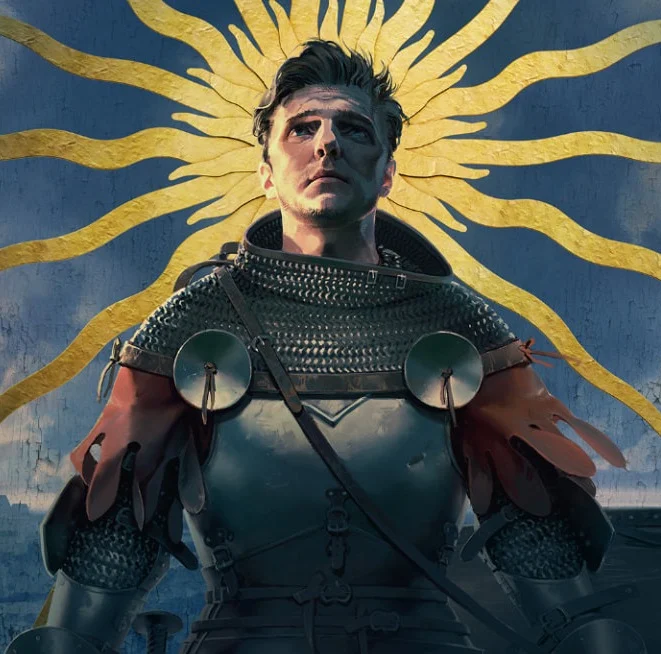
The Bethesda Bottleneck
The acquisition of Bethesda was supposed to be a cornerstone of the Xbox ecosystem. Yet, the data tells a story of sluggish output.
- Fallout 4 (2015): The last mainline single-player entry in the series, now nearly 11 years old.
- The Elder Scrolls V: Skyrim (2011): A legendary title, but one that has been stretched thin across three console generations over 15 years.
- The Elder Scrolls VI: Announced in 2018, this title remains a ghost in the machine. With six years passing since a brief teaser and no substantial gameplay or firm release date in sight, the wait has become emblematic of the "development hell" that plagues modern AAA game production.
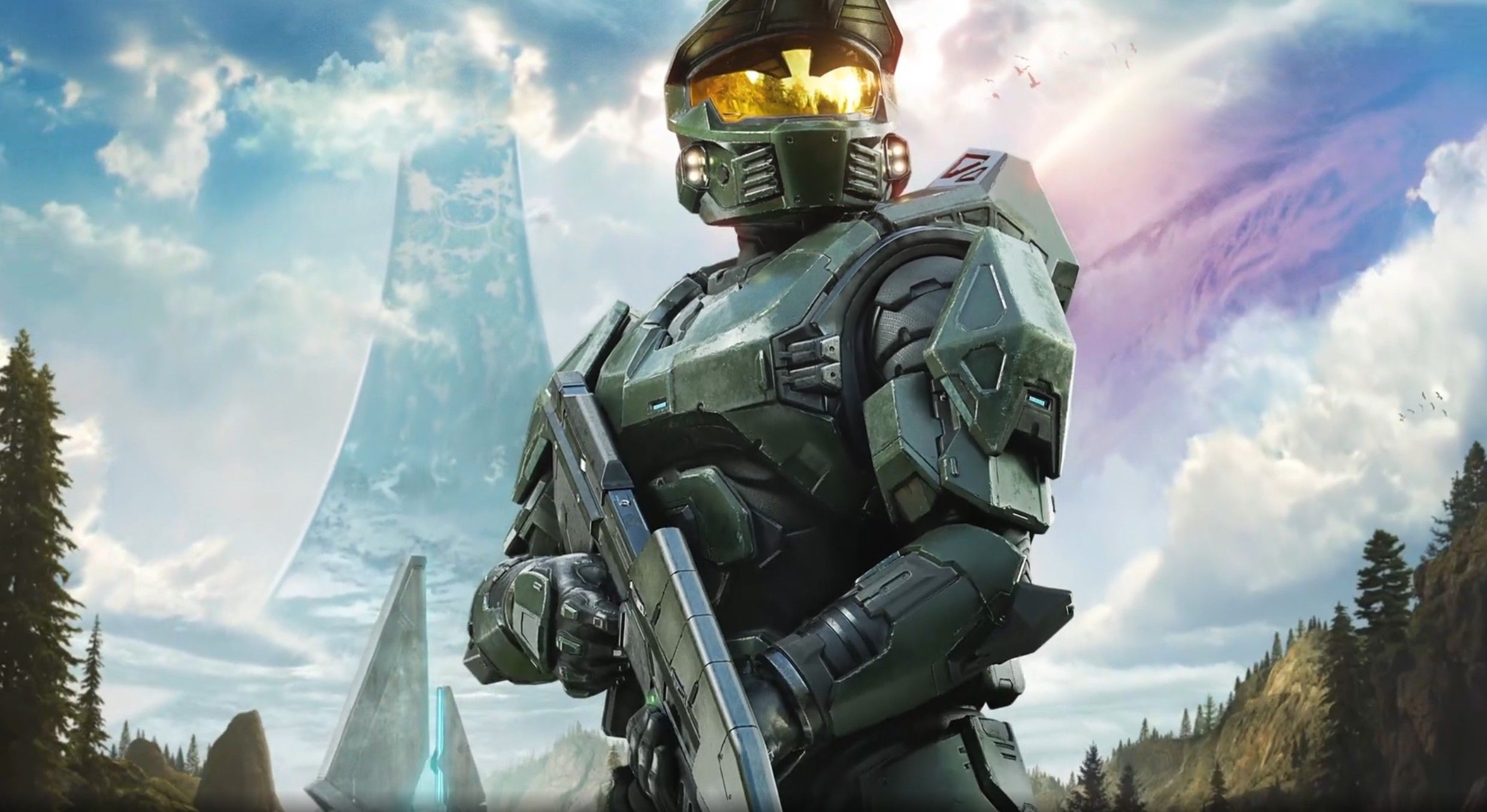
The Halo Dilemma
Halo, the franchise that essentially built the Xbox brand, has similarly struggled to maintain its cultural dominance. Since Bungie’s departure, 343 Industries has faced an uphill battle to modernize the Master Chief’s journey. Halo Infinite, launched in 2021 as a "10-year platform" for the franchise, effectively entered maintenance mode in 2025. The decision to halt new content updates after only four years reflects a broader failure to convert the franchise into a sustainable live-service juggernaut, forcing Microsoft to re-evaluate how it manages its flagship IP.
Budgeting for a Turnaround: The New Strategy
Under the leadership of Xbox CEO Asha Sharma, a new strategy has been approved by Microsoft CEO Satya Nadella and CFO Amy Hood. This plan pivots toward a "quality over quantity" approach, with a specific focus on pouring resources into the company’s most valuable intellectual properties: Halo, Fallout, and The Elder Scrolls.
The goal is simple but difficult to execute: accelerate the development cycle of these massive RPGs and shooters. By consolidating talent and increasing budget allocations, Microsoft hopes to stop the bleeding caused by the long gaps between releases. However, industry analysts remain skeptical. History has shown that simply injecting more capital into a project does not guarantee a shorter development time or a higher quality output. In the complex world of modern game engine development and global coordination, the "mythical man-month" problem—where adding resources to a late project makes it later—remains a significant hurdle.
Implications for the Gaming Industry
The implications of a potential Xbox spin-off or a shift in focus are profound for the entire gaming industry.
The Consolidation Trap
Microsoft’s massive acquisition spree was built on the premise that they could dominate the market by owning the content. If they now find that managing these gargantuan studios is too cumbersome for the parent company, it suggests that the "mega-corp" model of gaming may be hitting a wall. If Microsoft decides that Xbox is a distraction from its core cloud and AI business, the subsequent impact on the job market and studio culture would be catastrophic.
The PC vs. Console Debate
Recent affirmations from Xbox executives suggest that while console exclusives are returning, Microsoft remains committed to the PC market. This dual-pronged approach is necessary for revenue, but it creates a confusing value proposition for the consumer. If the best games are available on PC, and Microsoft is willing to sell the division, the "Xbox" brand may eventually transition from a hardware-centric ecosystem to a pure software/publisher brand, much like Sega did in the early 2000s.
The Human Cost
Beyond the spreadsheets and corporate strategy, there is a human element that cannot be ignored. The "reset" for a better future has already resulted in significant layoffs. If a spin-off or a joint venture occurs, the uncertainty regarding job security will only intensify. Developers, writers, and artists are caught in the crossfire of high-level board room decisions, creating a climate of instability that is antithetical to the creative process required for game development.
Official Responses and Future Outlook
As of this writing, Microsoft has remained largely silent regarding the specific details of the The Information’s report. A formal request for comment sent to the company’s media relations department has not yet yielded a detailed response.
The industry is now in a "wait-and-see" pattern. Investors are watching to see if the increased spending on Halo and The Elder Scrolls produces tangible results in the next fiscal year. Meanwhile, fans and employees alike are left to wonder if the brand they have supported for two decades is on the verge of its most significant transformation yet.
Whether Xbox remains the jewel in Microsoft’s crown or is spun off to find its own path, one thing is certain: the era of unchecked growth through acquisition has ended, and the era of hard choices and corporate pruning has begun. The next 24 months will likely be the most critical in the history of the Xbox brand, as it attempts to prove that it can still compete in an industry that is moving faster than its internal processes can keep up with.

