

By Gaming Industry Desk
Published: October 2023 / Updated: Gaming News Analysis
Main Facts
As the gaming industry braces itself for the most anticipated entertainment release in history, new details are emerging about the meticulous craft behind Grand Theft Auto 6. Rockstar Games has confirmed that it formed specialized, international writer rooms dedicated entirely to what many developers traditionally treat as peripheral elements: ambient pedestrian dialogue, satirical advertising, and localized comedy.
In recent interviews with Love Magazine, senior figures at Rockstar Games—including Senior Vice President of Narrative Rupert Humphries and Open World Writing Director James Horton—shed light on the unprecedented scale of production behind GTA 6. Rather than relying on procedurally generated filler or small splinter teams for secondary dialogue, Rockstar deployed dedicated creative units scattered across Los Angeles, New York, and London.
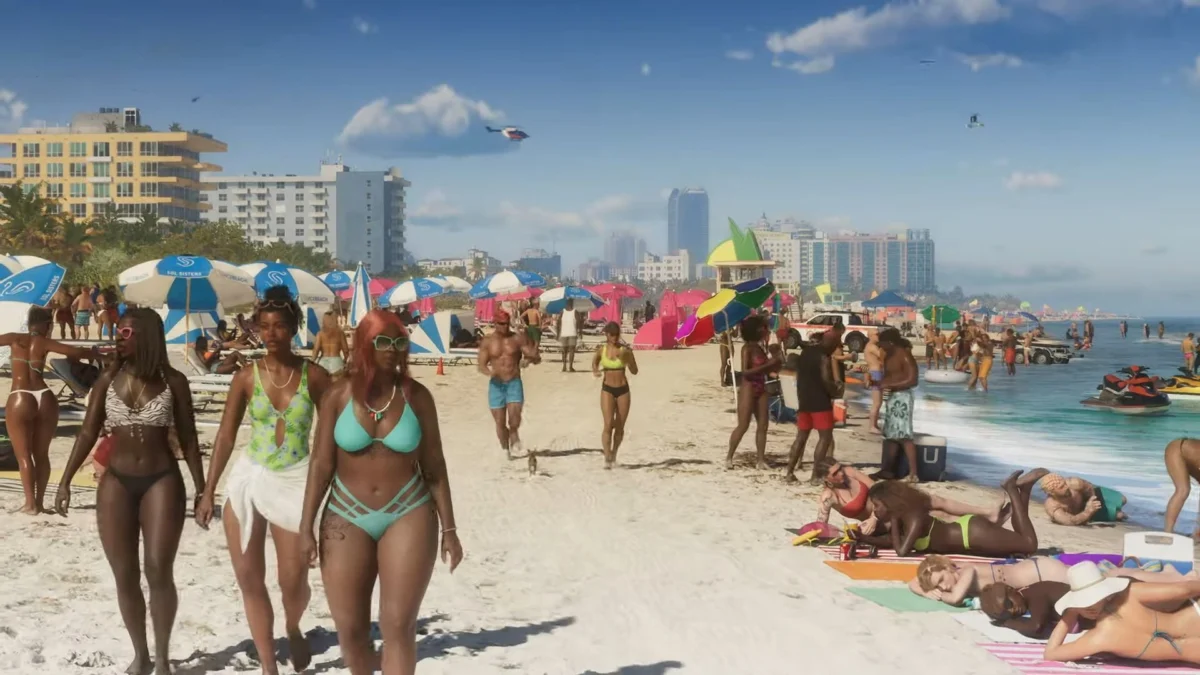
The core revelation is simple yet staggering: in GTA 6, the developers are actively erasing the line between "foreground" and "background." By treating every non-player character (NPC) and fictional advertisement as a vital thread in a massive satirical tapestry, Rockstar is aiming to deliver a living, breathing virtual ecosystem where no citizen feels like a mere extra.
Chronology: The Evolution of Rockstar’s Open-World Immersion
To understand the weight of Rockstar’s latest approach to GTA 6, it helps to look at how the studio’s approach to environmental storytelling has evolved over the decades:
- The 3D Era (GTA III to San Andreas): Early iterations of Liberty City, Vice City, and San Andreas relied on simple loop dialogue, basic pedestrian behaviors, and generic radio announcements. While revolutionary for their time, the "background noise" was largely functional, designed primarily to make the world feel populated rather than culturally authentic.
- The HD Era (GTA IV and GTA V): With GTA IV (2008), Rockstar significantly upped its game, introducing reactive pedestrians who carried groceries, used umbrellas in the rain, and reacted dynamically to Niko Bellic’s actions. GTA V (2013) expanded this further with sprawling parody websites, talk radio, and distinct neighborhood personalities across Los Santos. However, writing duties were still largely centralized within the core narrative team.
- The Red Dead Redemption Benchmark (RDR2, 2018): Rockstar’s previous magnum opus showcased deeply integrated camp banter, dynamic wildlife, and townsfolk who remembered the player’s honor system standing. This laid the technological and philosophical groundwork for treating environmental immersion with the same gravity as cinematic cutscenes.
- The GTA 6 Development Cycle: Recognizing that modern hardware could support vastly more complex AI routines and data streaming, Rockstar scaled its writing operations globally. By establishing localized teams in creative hubs like London, New York, and Los Angeles, the studio began compiling thousands of hours of region-specific dialogue, satirical commentary, and localized humor tailored specifically to the fictional state of Leonida.
Supporting Data and Production Scale
The sheer logistics of populating a modern open-world map on the scale of Leonida—Rockstar’s fictionalized version of Florida—demands a logistical apparatus comparable to a major Hollywood studio.
According to insights shared by the narrative team, the division of labor was deliberately structured to capture cultural nuances that a single centralized office could easily miss:
- Geographic Writer Hubs: Rockstar utilized dedicated pedestrian dialogue writers stationed in Los Angeles, alongside specialized advertising and comedy teams operating across bicoastal US hubs (New York and LA) and the UK (London).
- Interdisciplinary Talent: The recruited talent pool pulls from diverse professional and cultural backgrounds, ensuring that the game’s satirical jabs at modern media, internet culture, consumerism, and human absurdity ring with genuine authenticity rather than out-of-touch corporate approximation.
- Audio and Narrative Density: While exact script page counts remain tightly under wraps, hints from the development team indicate that the volume of recorded conversational snippets, street arguments, store interactions, and media broadcasts dwarfs any previous project in the studio’s catalog—including Red Dead Redemption 2.
Official Responses: What the Developers Are Saying
The decision to elevate environmental storytelling to a core pillar of development was deliberate, according to Rockstar’s leadership. Rupert Humphries emphasized that the collective mindset within the writing room rejects the very concept of "background filler."
"It’s a team from all sorts of backgrounds and walks of life, but we all share a sense of humor and a desire to have a bit of fun with the ridiculousness of humans and the media and advertising," Humphries told Love Magazine. "And none of us see it as background! It’s all part of the tapestry of the game and creates the experience of living in this wild world."
Echoing these sentiments, Open World Writing Director James Horton pointed out that building an immersive world leaves no room for shortcuts. The goal was not merely to construct a map that looks large on a monitor, but one that withstands microscopic player scrutiny.
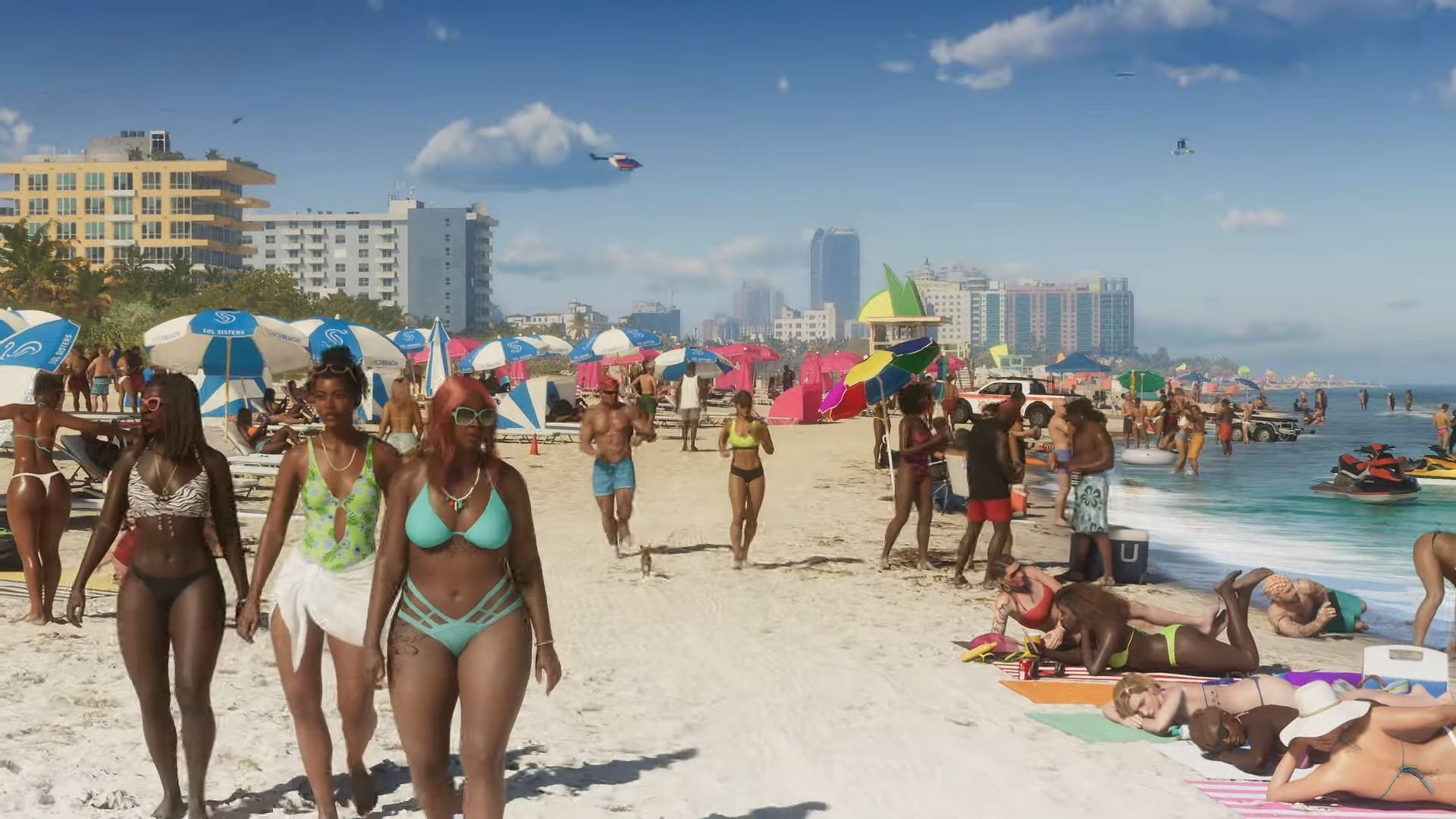
"There are no shortcuts when it comes to building a world like this: it’s a question of giving the right people the resources they need to build something that’s not only vast and varied as a whole, but where every part rings true no matter how small it is, or how closely you look at it," Horton explained.
Horton further elaborated on the philosophical shift regarding how players interact with digital crowds:
"It needs to wash over you when you’re sprinting down the busiest street in the city, hearing snatches of a hundred different conversations as you go; and it needs to be totally convincing if you decide to stop and pay close attention to any one of those conversations… No one you meet is an extra; they’re not only full characters, everyone you meet is the main character in their own story."
This ethos aligns with other recent announcements from Rockstar, including the revelation that GTA 6 will feature fully realized in-game podcasts alongside its traditional lineup of radio stations—marking another industry first for the franchise.
Implications for the Gaming Industry
Rockstar’s hyper-focused approach to GTA 6‘s environmental texture carries profound implications for both the studio and the broader open-world video game market.
1. Raising the Bar for Open-World Immersion
For years, open-world fatigue has been a growing concern among gamers. Massive maps filled with copy-pasted quests, repetitive enemy chatter, and lifeless NPCs have caused diminishing returns in player engagement. By treating every background citizen as a micro-narrative vehicle, Rockstar is establishing a new gold standard. Competitors will face immense pressure to abandon procedural, generic background chatter in favor of hand-crafted, culturally resonant world-building.
2. The Evolution of Satire in Interactive Media
Grand Theft Auto has always been defined by its biting, cynical satire of American culture. By distributing writing teams across different cultural epicenters (London, New York, Los Angeles), Rockstar is ensuring that its commentary on media, modern advertising, and social media trends remains sharp, multi-faceted, and biting. This global perspective prevents the satire from becoming a flat, localized caricature, offering instead a broader lens on hyper-modern absurdity.
3. Redefining Player-World Interaction
When players realize that stopping to eavesdrop on a random argument on a sidewalk yields genuinely entertaining, well-written dialogue, it fundamentally alters how they explore the game world. Instead of treating the city as a simple obstacle course or a playground for chaos, players are encouraged to slow down, observe, and absorb the virtual culture. This blurs the boundary between cinematic narrative moments and emergent gameplay, promising an experience where the world feels alive whether the player is interacting with it directly or simply passing by.
As the release window for GTA 6 draws closer, details like these confirm that Rockstar Games is not merely iterating on a successful formula—they are attempting to construct the most convincing, densely detailed virtual society ever brought to interactive media.

