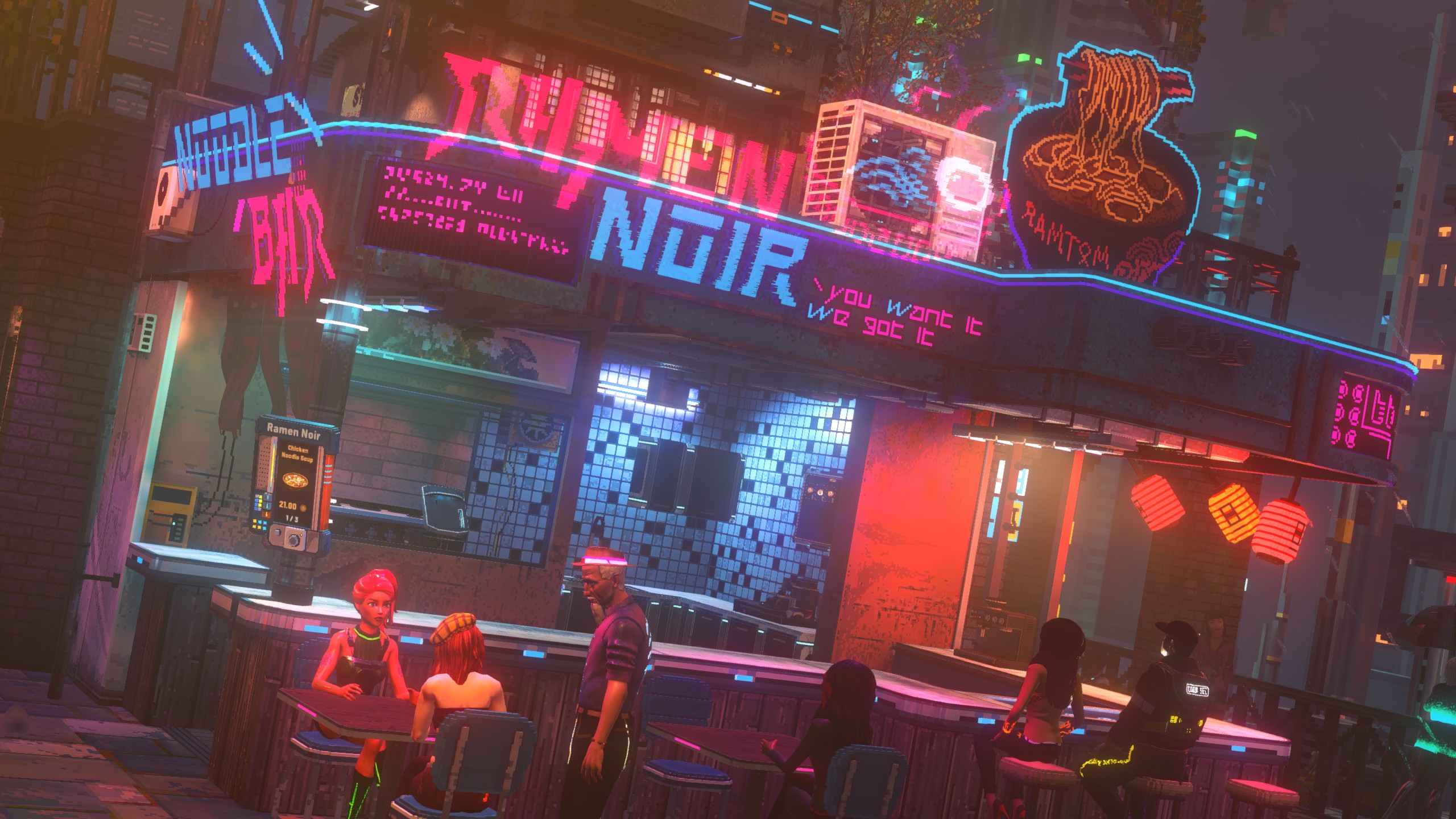
In the landscape of modern role-playing games and life simulators, romance mechanics have long been bound by a predictable blueprint. Players are typically guided by glowing HUD elements, explicit heart meters, and clearly color-coded or icon-marked dialogue choices that guarantee a path to affection if the correct boxes are ticked.
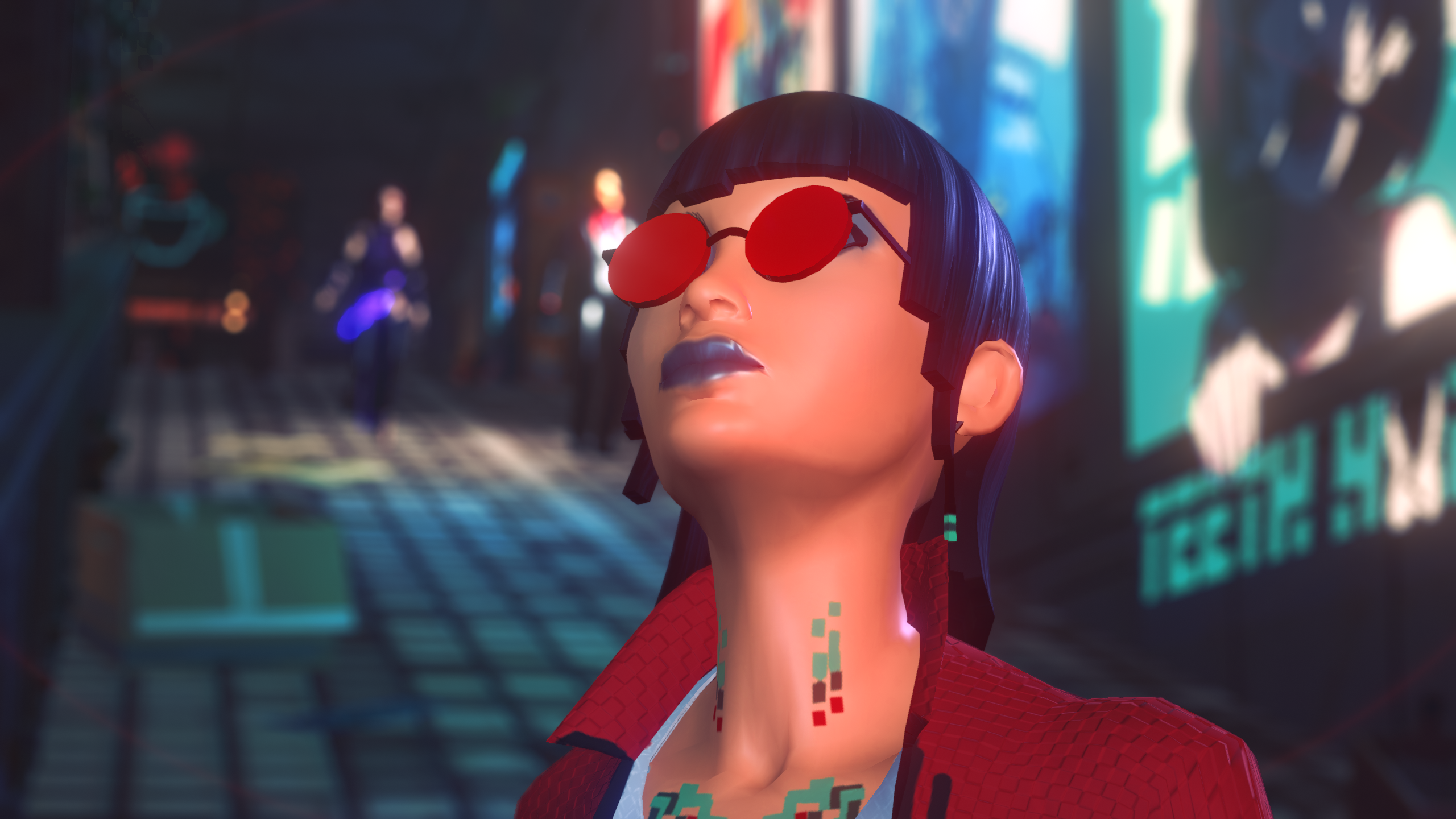
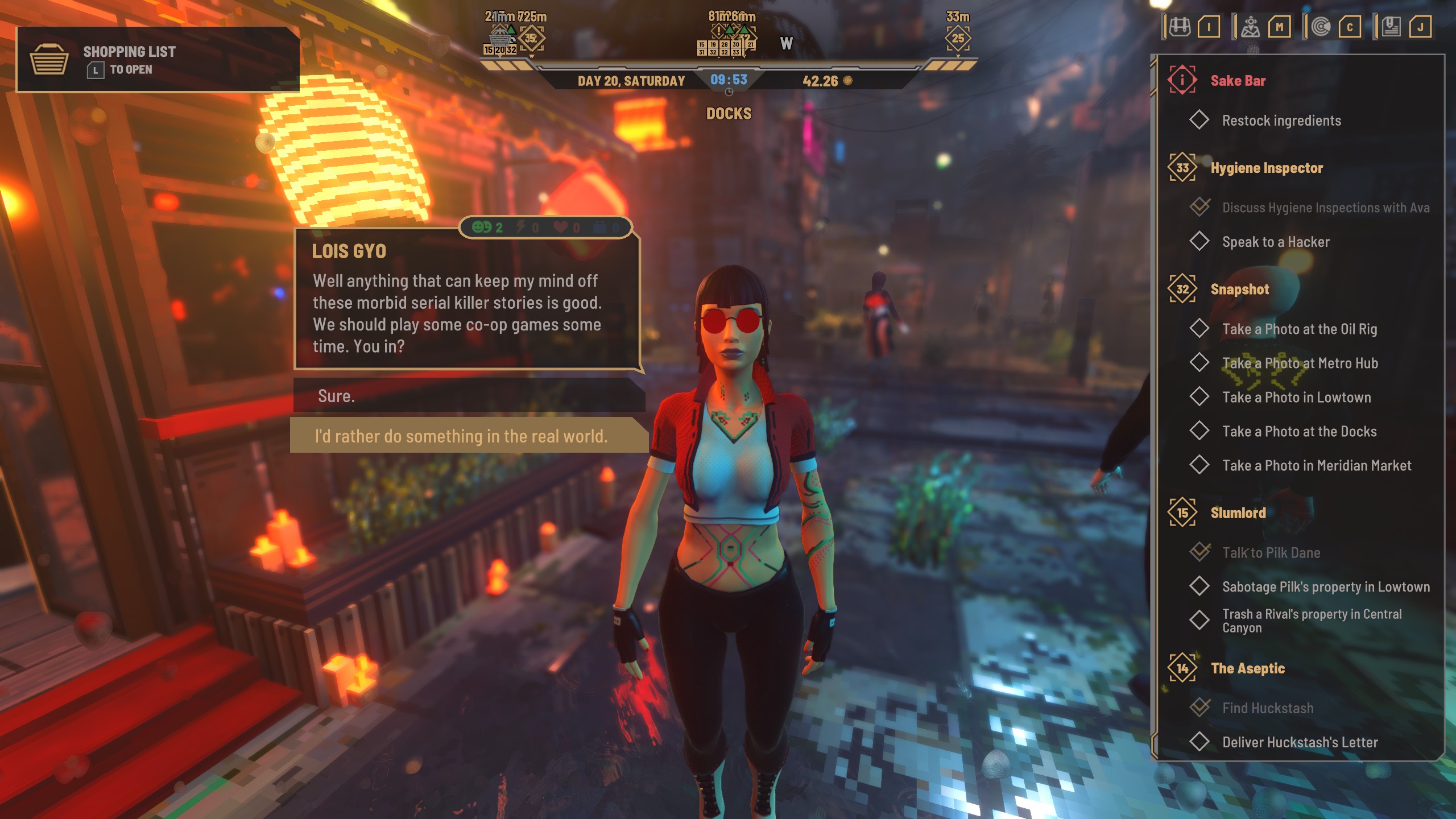
Developer Ion Lands is disrupting this well-trodden formula with its story-heavy shop simulation game, Nivalis Nights. At its core, the game challenges traditional design conventions by stripping away the safety nets of romance tracking. Conversations with the game’s diverse cast dynamically impact four distinct social attitudes toward the player: friendly, combative, romantic, and savvy. However, because dialogue options entirely lack tone markers or visual indicators, players are frequently left to navigate conversations blindly, never quite knowing whether a sharp remark will alienate an NPC or accidentally flirt them into a committed relationship.
This deliberate design choice has sparked a broader conversation within the gaming community about realism, player agency, and the formulaic nature of virtual relationships. By embracing ambiguity, Nivalis Nights forces players to grapple with social dynamics that mirror the unpredictable, messy, and often confusing nature of real-world human connections.
Chronology of Development and Design Philosophy
The journey toward designing Nivalis Nights’ unconventional social systems was neither accidental nor secondary; it was a core philosophical pillar for Ion Lands during the title’s conceptualization.
Early Conceptualization: As development on Nivalis Nights began, the team at Ion Lands evaluated standard industry practices for implementing romance and relationship systems. They recognized that while transparent metrics (like gift-giving and milestone dates) work well for traditional life sims, they often reduce human connection to a transactional checklist.
Prototyping and Internal Debate: The developers experimented internally with various ways to signal romantic interest to the player. They weighed the pros and cons of traditional visual cues—such as hearts floating above characters or explicit prompt tags—before ultimately deciding to discard them entirely in favor of complete narrative opacity.
Playtesting and Refinement: During playtesting phases, the studio observed how players reacted to missed romantic cues or accidental flirtations. Rather than frustrating testers universally, these moments sparked genuine emotional reflection and post-game discussions among players trying to parse out where their dialogue choices went astray.
Release and Reception: Upon launch, the game’s approach to romance quickly became a central talking point among critics and players alike, praised for its refusal to hold the player’s hand through social interactions.
Supporting Data: The Mechanics of Interaction
To understand why Nivalis Nights feels so radically different from its contemporaries, it helps to examine how its underlying interaction systems function compared to traditional RPGs and life simulators.
Traditional Life Sim vs. Nivalis Nights Social Matrix
Feature
Traditional Life Sims (Fields of Mistria, etc.)
Nivalis Nights (Ion Lands)
Visibility
High (Heart meters, friendship levels, numerical values).
Low/Opaque (Hidden status tracks across four dimensions).
High (Meeting baseline requirements guarantees romance).
Low (Relationships can stall or accelerate unexpectedly based on subtle subtext).
Player Feedback
Instant validation via UI milestones and Steam achievements.
Introspective ambiguity; questioning "what did I say wrong?"
The system monitors four distinct behavioral vectors during every interaction:
Friendly: Building mutual trust, camaraderie, and platonic stability.
Combative: Testing boundaries through sarcasm, pushback, or sharp banter.
Romantic: Signaling subtextual attraction, vulnerability, or forwardness.
Savvy: Displaying street-smart awareness, cleverness, or transactional insight.
Because these metrics shift dynamically beneath the hood without UI notifications, players often find themselves stumbling into romance with characters they intended to treat casually, or conversely, investing hours into deep, earnest conversations with NPCs who view the relationship strictly as a platonic alliance.
Official Responses: Insights from the Development Team
To shed light on the creative decisions driving the game, lead writer Thomas Welsh addressed the studio’s methodology in an exclusive interview regarding the romance mechanics.
When asked whether the team ever tested a more conventional, transparent romance system, Welsh admitted that the studio deliberated extensively on the matter:
"We went back and forth on romance. We knew we wanted it to be messy. We also knew we wanted the player to have a ‘what did I say wrong?’ experience. When they miss out on romance, they never quite know why it didn’t line up, just like in real life. We also wanted to avoid ‘I was nice to you three times in a row, so can I have one sex please?’"
Welsh emphasized that the studio aimed to evoke genuine introspection rather than a dopamine loop tied to in-game achievements.
"When we miss out on love, we should be left questioning why, and maybe reflecting—ideally, asking ourselves some difficult questions. Maybe that’s ambitious for a game about stolen donut recipes and robot pirate sailors, but we took a swing!"
This artistic risk underscores Ion Lands’ commitment to narrative depth over mechanical hand-holding, proving that even stylized cyberpunk and slice-of-life hybrids can tackle grounded psychological themes.
Implications for the Genre
The reception and design philosophy behind Nivalis Nights carry significant implications for the future of life simulators and narrative-driven role-playing games.
1. Challenging the "Checklist" Mentality in Gaming
For decades, virtual romance has operated on a transactional loop: give NPC X their preferred item 10 times, trigger cutscene Y, and unlock status Z. While this structure offers predictable comfort, it risks turning emotional storytelling into a mechanical chore. Nivalis Nights demonstrates that players are willing—and often eager—to engage with systems that demand active emotional intelligence and reading between the lines.
2. The Value of Replayability and Unique Playthroughs
When a game removes clear UI markers, no two players will experience the exact same social trajectory. A dialogue choice perceived as witty banter by one player might read as aggressive or flirtatious to an NPC depending on accumulated hidden stats. This lack of a definitive "solvable walkthrough" for relationships dramatically enhances replayability and personal investment, as each player’s romantic successes and failures become uniquely their own.
3. Blurring the Line Between Art and Simulation
By intentionally designing mechanics that cause confusion and self-reflection, Ion Lands bridges the gap between traditional video game loops and literary storytelling. Players are forced to accept that—much like in the physical world—they cannot control how others perceive them, nor can they optimize human affection through a spreadsheet.
Ultimately, Nivalis Nights proves that turning off the HUD on love does more than just increase difficulty; it restores a sense of mystery, vulnerability, and genuine discovery to digital relationships.