

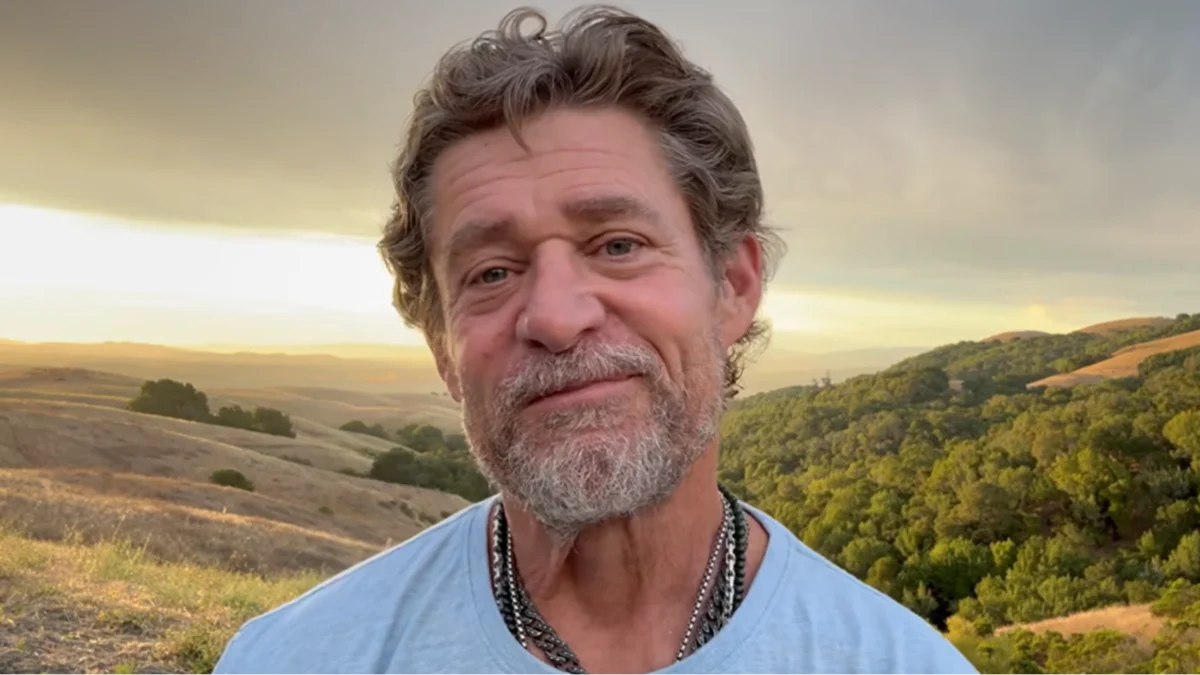
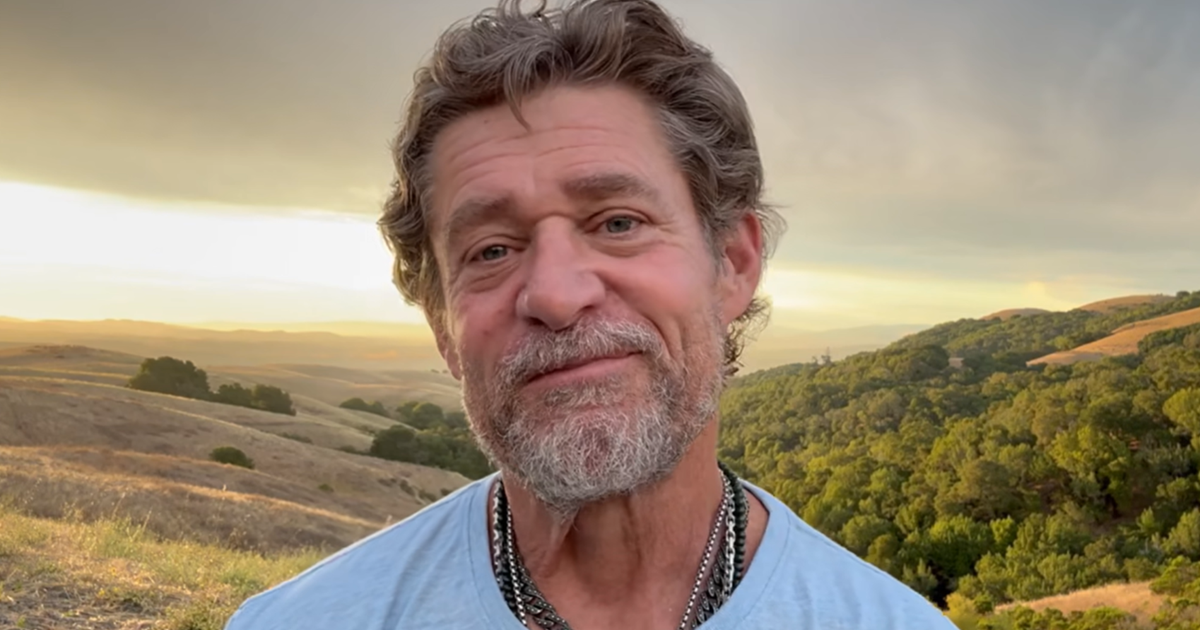
The video game industry, a sector defined by its relentless pace and perpetual evolution, recently saw the departure of one of its most storied figures. Glen Schofield, a veteran developer whose fingerprints are on everything from early licensed classics to the high-octane spectacle of Call of Duty and the claustrophobic terror of Dead Space, officially announced his retirement this summer.
For many, Schofield’s name is synonymous with the "creative explosion" of the mid-2000s, a period where survival horror and shooter genres hit their narrative and technical peaks. Yet, his departure from the helm of Striking Distance Studios—a Krafton-backed venture—marks more than just the end of a career; it represents a philosophical crossroads for an industry currently grappling with ballooning budgets, the cold calculus of corporate management, and the looming integration of artificial intelligence.
A Legacy Built on Interaction
Schofield’s career trajectory is a mirror of the gaming industry’s own maturation. His professional journey began in 1992 with Barbie: Game Girl, a humble start that belies the massive, cinematic projects he would later spearhead. Throughout the 90s and 2000s, he held influential positions at industry titans like Crystal Dynamics and EA’s Visceral Games.
His tenure as the executive producer of Dead Space cemented his reputation as a master of atmosphere and tension. Later, as the head of Sledgehammer Games, he was instrumental in the Call of Duty franchise, steering the series through its most ambitious technical phases, including the critically lauded Call of Duty: WWII. Despite his success in the AAA space, Schofield remains adamant that he never viewed his work through the lens of "AAA status"—a term he views as a late-stage industry buzzword. To him, they were simply games, crafted with the same singular focus on immersion and player experience.
The Callisto Protocol: A Pandemic-Era Crucible
Schofield’s final project, 2022’s The Callisto Protocol, serves as a complex case study in the challenges of modern game development. Intended as a sci-fi survival horror experience that captured the same dread as his earlier work, the project was derailed by the onset of the COVID-19 pandemic just six months into production.
The shift to remote work, while necessary for safety, proved antithetical to Schofield’s leadership style. "I’m a creative leader and a business leader," he reflects. "But that doesn’t mean I want to do the business. I hate that shit." For Schofield, the studio environment was a living organism where "touching base" with a hundred employees daily was the catalyst for creative growth. The transition to Zoom calls and fragmented remote workflows, he argues, stifled the organic mentorship that allows younger developers to thrive.
Beyond the logistical hurdles, the development cycle was marred by what Schofield describes as friction with his parent company, Krafton. He cites a mandate to accelerate the game’s release by several months—a decision that shocked him given the global pandemic’s impact on team health and productivity. The result was a pared-down vision, with developers forced to cut bosses, levels, and enemy types to meet an aggressive deadline.
The Cost of Corporate Disconnect
The tension between creative vision and corporate oversight is a recurring theme in Schofield’s post-mortem of his time at Striking Distance. The decision to force a cross-generational release (PS4 and PS5) during a global chip shortage added an estimated $20 million in technical overhead, stretching an already beleaguered team to its limit.

When The Callisto Protocol launched to mixed reviews and failed to meet the lofty financial expectations set by Krafton, the fallout was swift. Schofield notes that while the corporate side viewed the project as a failure, the team at Striking Distance was already deep into a cycle of "86 patches," tirelessly working to polish the experience and restore it to its intended state. The subsequent cancellation of a potential sequel—a more ambitious project that would have expanded the lore into a "giant space station graveyard"—highlights the fragility of new IP in an era where immediate financial returns often override long-term franchise building.
The State of the Industry: A "Change in the Guard"
Schofield’s observations on the broader industry ecosystem are particularly biting. He points to the massive consolidation of the market—most notably Microsoft’s $69.7 billion acquisition of Activision Blizzard and the leveraged buyouts at EA—as a clear signal that a "chapter of the industry is coming to a close."
He believes the industry is undergoing a "change in the guard," where the veteran leadership that once championed creative risk-taking is being replaced by investors and managers who prioritize, above all else, the bottom line. "What I’ve seen is some of the big creative people marginalized," Schofield says. "They don’t even have a seat at the table anymore."
This shift, he argues, is the primary driver of the current malaise surrounding AAA games. The "arms race" for superior graphics and hyper-realism has inflated budgets to unsustainable levels. When a game costs hundreds of millions to produce, the risk-aversion of corporate stakeholders becomes absolute, stifling the very innovation that made the industry a cultural powerhouse in the first place.

Looking Forward: The "70 Million Dollar" Solution
Despite his departure from the corporate grind, Schofield has not abandoned the medium. He currently spends his days in his garage-turned-studio, engaging in traditional arts—sculpting epoxy skulls and painting—which he treats with the same intensity he once applied to game development.
He remains optimistic about a potential return, provided the conditions are right. He advocates for a "return to sanity," suggesting that a $70 million budget is the sweet spot for a modern blockbuster. Such a budget would allow for smaller, tighter teams, less reliance on outsourcing, and, most importantly, more creative cohesion.
His strategy for achieving this is surprisingly analog: "A creative idea can save more money than AI can right now." By cleverly reusing assets within the narrative context of a game, he believes developers could shave $20 to $30 million off the top of development costs without sacrificing quality.
The Role of AI in Creative Fold
While he remains skeptical of the industry’s obsession with AI as a cost-cutting silver bullet, he is a proponent of using it as a specialized instrument. He views tools like Midjourney not as replacements for artists, but as a new medium—much like the industry’s transition from 2D to 3D.

"I’m going to put my money on a few places that make sense to my game and to my story," he says, suggesting that AI should be used to solve technical drudgery—fixing collisions, optimizing camera angles, or refining physics—rather than replacing the creative soul of the project. For Schofield, the future of gaming isn’t in total automation, but in bringing AI into the "creative fold" to empower human vision, not diminish it.
Implications for the Future
The story of Glen Schofield is a poignant reminder that even the most successful figures in gaming are susceptible to the pressures of an industry in flux. His career, spanning the era of the humble cartridge to the age of massive, interconnected digital platforms, provides a unique vantage point on the current crisis of identity within game development.
As the industry moves forward, the "Schofield model"—one that prioritizes creative leadership, sustainable budgets, and the health of the human team over the demands of shareholders—may well be the necessary tonic for a sector that has lost its way. Whether the titans of the industry will listen remains to be seen, but for now, the architect of some of gaming’s most memorable nightmares has stepped away from the table, leaving behind a legacy that continues to serve as a blueprint for what is possible when vision is allowed to lead.
GamesIndustry.biz has reached out to Krafton for comment regarding the points raised in this article; they have yet to provide an official response.

