Main Facts: The Decline and Partial Survival of a VR Pioneer
Virtual reality sports title Ultimechs, developed by renowned studio Resolution Games—the creative force behind hits like Demeo and Cook-Out—is officially winding down its online operations. In an announcement that has sent ripples across the virtual reality gaming community, the studio confirmed that Ultimechs will be completely delisted from all storefronts, including the Steam Store and the Meta Horizon Store, on October 20, 2026.
Alongside its removal from digital storefronts, the game’s online multiplayer servers will permanently shut down. However, in a move that offers a small silver lining to dedicated fans, the title will not disappear entirely. Resolution Games has structured the sunsetting process to transition Ultimechs into a strictly single-player-only experience. Players who already own the game will still be able to jump into the arena, hone their skills, and enjoy solo gameplay indefinitely after the October 2026 deadline.
The studio has already begun taking preparatory steps for this major transition. In-app purchases within the game have been permanently disabled, though players who are holding onto previously purchased "UltiCoins" will still be allowed to spend their remaining balance, even after the online servers go dark. Additionally, the Ultimechs Spectator app—a tool designed to let external users watch matches—will be retired simultaneously on October 20, 2026, as it will no longer serve a functional purpose without live matches to broadcast.
For a game that was heralded upon its launch as a fresh, high-octane blend of Rocket League and mechs tailored specifically for virtual reality, this transition marks a bittersweet milestone. While the competitive community that powered the game’s peak years will soon have to lay down their GauntJets, the preservation of a single-player mode ensures that the core mechanical joy of piloting these giant athletic machines will not be entirely lost to digital history.
Chronology: From Launch Day Hype to the 2026 Sunset
To understand the trajectory of Ultimechs, it is helpful to look back at the timeline that brought the title from an ambitious concept to its eventual retirement.
September 2022: The Grand Debut
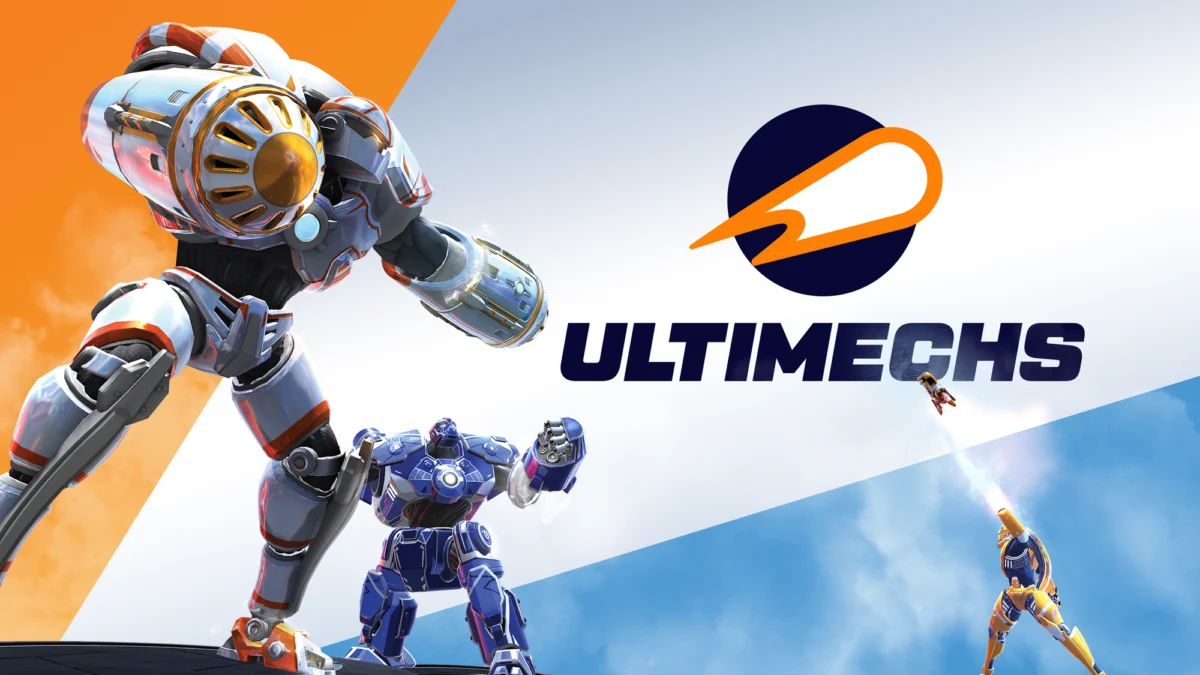
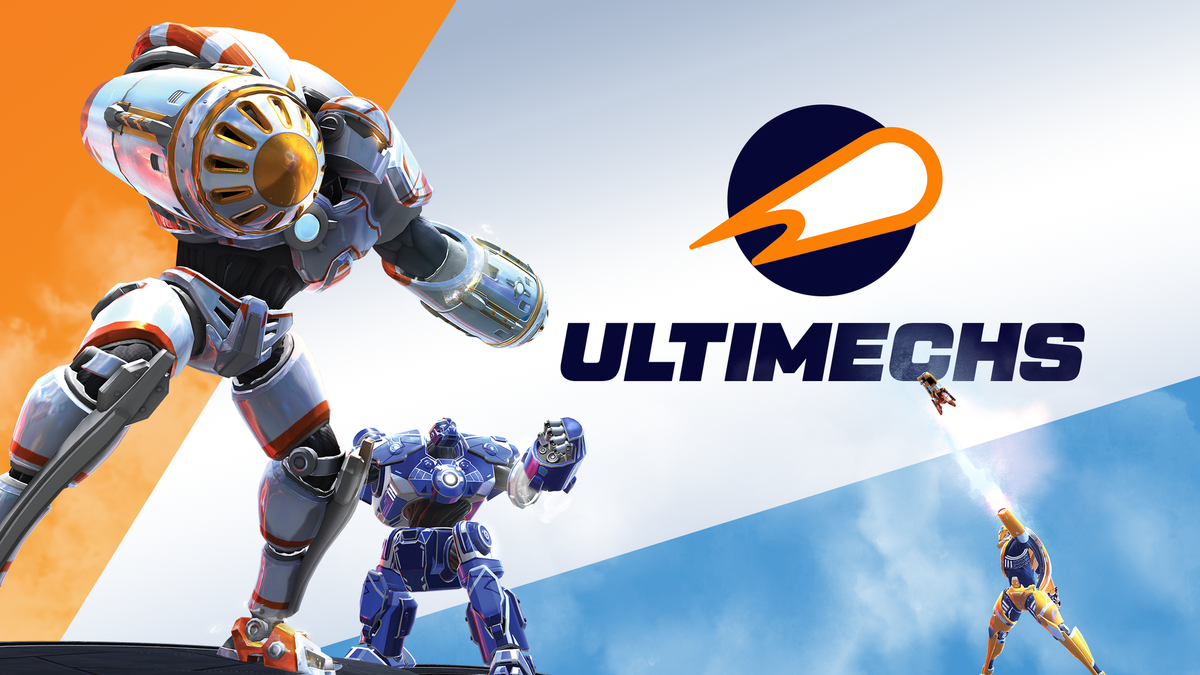
Ultimechs officially launched as a free-to-play title in September 2022. Positioned as one of Resolution Games’ premier multiplayer offerings, the game invited players into futuristic arenas to pilot massive, highly specialized mechs. Equipped with rocket-propelled fists known as GauntJets, players had to punch, guide, and score a massive ball into the opposing team’s goal. The game featured a dynamic progression system that included both free and paid battle passes, allowing players to unlock a wide variety of cosmetic items to personalize their robotic athletes.
Post-Launch Reception and Steady Support
Following its release, the game carved out a dedicated, albeit niche, player base within the VR ecosystem. Reviewers and players praised its intuitive mechanics, fluid movement, and intense competitive pacing. Over time, the game accumulated a respectable "Very Positive" rating on Steam, built upon 153 reviews, and a solid 4.2-star score derived from 767 ratings on the Meta Quest platform. Despite this positive critical reception, the title struggled to maintain the massive, self-sustaining concurrent player numbers required to justify the ongoing overhead of dedicated multiplayer infrastructure in the long term.
The Present: The Road to October 20, 2026
As the economic realities of running live-service games in the VR sector caught up with developers, Resolution Games made the difficult decision to pull the plug on online matchmaking. By issuing a formal statement across Steam and the Meta Horizon Store, the studio gave players a lengthy heads-up—roughly a two-year runway from initial planning to the final server shutdown date of October 20, 2026. This extended notice allows the remaining community to extract whatever enjoyment they can from the multiplayer ecosystem before it fades, while giving the developers ample time to transition the codebase into its final single-player iteration.
Supporting Data: A Wave of Industry Closures in 2026
The retirement of Ultimechs‘ multiplayer infrastructure does not occur in a vacuum. It is part of a much larger, troubling trend sweeping the virtual reality landscape throughout 2026. As the novelty of early VR expansion gives way to strict financial accountability, studios across the board are downsizing, canceling projects, and shuttering online services for older or underperforming titles.
The year 2026 has earned a grim reputation among VR enthusiasts as an era of server shutdowns. Ultimechs joins an increasingly long roster of multiplayer applications closing their doors. Among the high-profile casualties are:
Rec Room (scheduled to shut down in June)
Inverse (asymmetric VR horror game shutting down in March)
Firewall Ultra (PlayStation VR2 tactical FPS officially shutting down in September)
Hyper Dash (futuristic VR FPS shutting down in November)
Larcenauts (VR hero shooter shutting down in October)
Skyworld: Kingdom Brawl (shutting down in July)
Frenzies (shuts down in April)
A Township Tale and Quantaar (experiencing major server closures and structural shutdowns)
Beyond outright shutdowns, structural changes have forced developers to alter fundamental gameplay loops. For instance, Zombie Army VR was forced to strip away its co-op gameplay mode earlier this year, though that specific change was necessitated by shifting Unity services rather than direct studio choice.
Furthermore, projects deep in development are feeling the squeeze before they even reach consumers. Alta, the developer behind A Township Tale, recently ended development on its dark fantasy multiplayer VR co-op dungeon crawler, Reave, before it ever saw the light of day. Similarly, Triangle Factory’s Breachers: Outbreak and The Binary Mill’s Survive The Night were both shelved indefinitely—the latter happening less than two months after its initial announcement.
Official Responses: The Developer’s Farewell to the Arena
When a studio decides to sunset a game, the manner in which it communicates with its community can dictate how the legacy of that title is remembered. Resolution Games opted for transparency, publishing a heartfelt farewell message to its players across its storefront pages.
The full text of the announcement, shared identically across Steam and the Meta Horizon Store (with storefront-specific adjustments), reads as follows:
"We want to let our players know that we’ll soon be retiring online multiplayer support for Ultimechs and will transition the game to a single-player-only experience. You’ll still be able to jump into the arena and enjoy Ultimechs in single-player mode after multiplayer services end on October 20, 2026.
On that date, the game will also be delisted from the Steam Store alongside the Ultimechs Spectator, which will no longer be able to spectate any matches. In preparation for this, in-app purchases have been disabled in the game, but you will still be able to spend any UltiCoins you have purchased already, even after multiplayer services have ended.
Thank you to everyone who has competed in the arena with us over the years. Keep those GauntJets flying!"
This statement strikes a balance between practical operational announcements and genuine gratitude toward the community. By emphasizing that the game will live on in single-player format, Resolution Games is attempting to safeguard the creative achievement of the project, ensuring that future players who manage to secure local copies can still experience the physics-based mechanics that made the game unique.
Implications: The Economic Realities of VR Multiplayer Infrastructure
The demise of Ultimechs‘ multiplayer servers highlights a harsh, underlying economic truth about modern game development, particularly within the virtual reality sector: multiplayer servers cost money, and those costs scale directly with infrastructure demands and server maintenance.
In an ideal market, a game maintains a robust, paying player base that continuously covers the operational expenses of server maintenance, matchmaking services, cloud saves, and ongoing customer support. However, in niche markets like virtual reality—where the hardware adoption rate, while growing, still pales in comparison to traditional PC and console ecosystems—maintaining concurrent player counts can become an uphill battle.
As macroeconomic pressures tighten, studios are forced to scrutinize every line item on their balance sheets. For games with dwindling active player bases, maintaining live servers transforms from a badge of honor into an active financial drain. In a struggling economic climate where tech and gaming companies are desperately looking to save every penny, keeping a ghost town of a server online is an expense that corporate boards and development studios can no longer justify keeping on the books.
What This Means for the Future of VR Live-Service Games
The cascading wave of VR server closures in 2026 sends a clear message to both developers and consumers: the era of speculative, perpetual live-service investments in VR is cooling down. Developers are becoming far more cautious about launching games that rely entirely on persistent online multiplayer infrastructure to function.
Moving forward, we are likely to see a shift toward:
Offline-First and Hybrid Models: Games that prioritize robust single-player campaigns or include peer-to-peer (P2P) networking options, reducing the reliance on centralized corporate servers that can be abruptly switched off.
Shorter Support Lifecycles: Clearer expectations regarding the lifespan of multiplayer games, with studios planning graceful degradation paths—much like Resolution Games did with Ultimechs—rather than letting games vanish entirely into digital ether.
Preservation Advocacy: Increased pressure from consumer advocacy groups and gaming historians regarding digital ownership, game preservation, and the legality of rendering purchased software entirely unplayable through remote server termination.
While the closure of Ultimechs as an online multiplayer arena is undeniably a sad moment for its competitive community, the decision to leave behind a playable single-player version serves as a model of responsible wind-down practices. As the VR industry matures through these economic growing pains, the lessons learned from the rise and fall of titles like Ultimechs will undoubtedly shape how virtual reality developers build, monetize, and ultimately retire their digital worlds in the years to come.