

When horror maestro Mike Flanagan set his sights on Stephen King’s seminal 1974 debut novel Carrie, fans and critics alike knew they were in for a deeply psychological, profoundly empathetic, yet utterly chilling adaptation. Unlike previous cinematic interpretations—most notably Brian De Palma’s iconic 1976 feature film starring Sissy Spacek, the 2002 television film, and the 2013 big-screen remake starring Chloë Grace Moretz—Flanagan’s eight-episode limited series on Prime Video takes a sprawling, novel-accurate, and deeply humanized approach to the telekinetic tragedy.
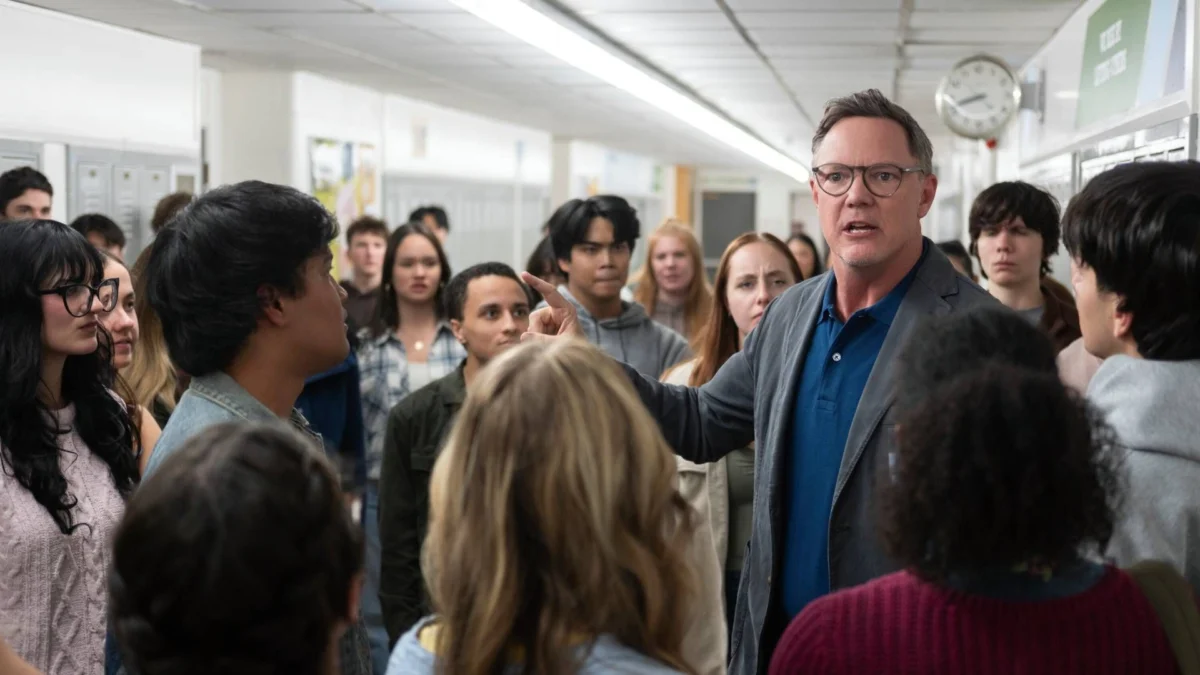
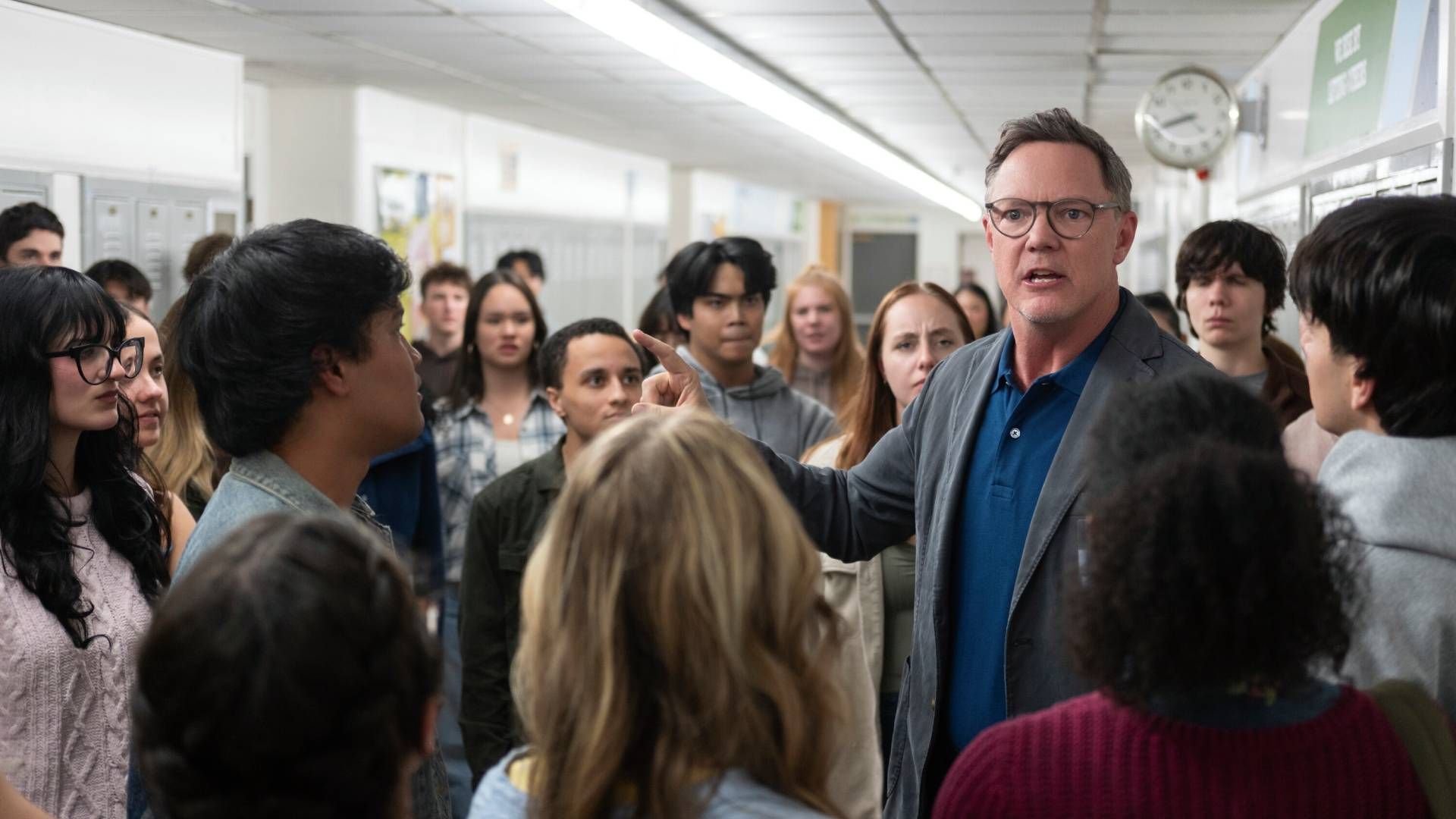
Among the standout elements of this new adaptation are the expanded roles given to Ewen High School’s faculty members: Principal Henry Grayle, played with weary earnestness by Matthew Lillard, and gym teacher Rita Desjardin, portrayed with fierce, protective nuance by Amber Midthunder. In Episode 8, the tragic climax of the series unfolds in devastating fashion. Rather than shying away from the brutality or altering the emotional beats for a sanitized network television audience, Flanagan leans heavily into the absolute chaos of the prom night massacre.
Interestingly, despite the grim fates suffered by their respective characters—both of whom meet agonizing ends during the fiery bedlam—neither Lillard nor Midthunder harbor any grievances about how their characters’ journeys conclude. In interviews with GamesRadar+, the actors opened up about placing their absolute trust in Flanagan’s creative vision, the deeper thematic allegories woven into the new series, and why this version of Carrie stands apart from anything that has come before it.
Main Facts: Deconstructing the Climax of Episode 8
The eighth and final episode of Prime Video’s Carrie delivers a catastrophic payoff that cements the series as one of the darkest television events of the year. For decades, adaptations of King’s novel have grappled with how to stage the infamous prom scene, where a bullied teenage girl pushed past her absolute breaking point unleashes devastating telekinetic powers upon her tormentors.
In Flanagan’s hands, the scale of the destruction is magnified, impacting not just the gymnasium attendees, but rippling outward to envelope the entire fictional town of Chamberlain.
- Principal Henry Grayle (Matthew Lillard): In the original 1976 film, Principal Morton (renamed from the book’s Grayle) meets a grim end when he is electrocuted on stage by a fallen live wire. The 2002 adaptation replicates a similar fate. In Flanagan’s series, Lillard’s Grayle faces an extended, agonizing electrocution sequence that modern television critics have noted is significantly more visceral and harrowing than its cinematic predecessors.
- Gym Teacher Rita Desjardin (Amber Midthunder): In King’s novel, Desjardin survives the massacre but chooses to retire from education, wracked by survivor’s guilt. In De Palma’s 1976 film, she is crushed by a falling rafter while attempting to save a student. In the 2002 and 2013 versions, she survives. In Flanagan’s version, Desjardin is forcefully knocked backward into the burning gymnasium wreckage after desperately crying out Carrie’s name in a bid to reach her humanity. Her ultimate fate is left ambiguously final, as she vanishes into the consuming inferno.
Despite these brutal send-offs, Lillard and Midthunder emphasize that their characters’ deaths serve a much larger, thematic purpose within the narrative framework meticulously built by Flanagan.
Chronology: How Adaptation Fates Have Evolved Over Five Decades
To fully appreciate the narrative risks taken by Mike Flanagan, it is essential to trace how key supporting characters like Henry Grayle and Rita Desjardin have been treated across different iterations of the Carrie franchise over the past fifty years.
1. The 1974 Novel by Stephen King
In the source material, Principal Henry Grayle does not attend the senior prom. Following the catastrophic devastation of Chamberlain and the death of Carrie White, Grayle quietly fades into the background, presumably retiring from the school system out of sheer exhaustion and horror. Similarly, gym teacher Rita Desjardin is portrayed as deeply empathetic toward Carrie prior to the prom. She survives the night, but the psychological burden of failing to protect Carrie drives her into early retirement and a lifetime of self-blame.
2. The 1976 Feature Film Directed by Brian De Palma
De Palma’s cinematic classic condensed King’s sprawling narrative into a tight, expressionistic thriller. The supporting faculty became direct casualties of Carrie’s indiscriminate wrath. Principal Morton (the cinematic equivalent of Grayle) is electrocuted on stage when live electrical wires fall during the initial chaos. Rita Desjardin meets an equally tragic fate, crushed to death by a falling wooden rafter while trying to clear students from the burning hall. These deaths established a precedent that authority figures who fail to stop bullying must share in the punishment.
3. The 2002 and 2013 Remakes
The 2002 television movie largely adhered to the electrocution fate for the principal, while sparing Desjardin. The 2013 big-screen adaptation starring Julianne Moore and Chloë Grace Moretz took further liberties with supporting character arcs, altering the survival rates of the faculty to streamline the narrative for modern audiences seeking a more traditional horror-thriller pacing.
4. Prime Video’s 2026 Series by Mike Flanagan
Flanagan returns closer to the psychological depth of the novel while maximizing the tragic visual horror of the cinema adaptations. By expanding the episode count to eight, Flanagan takes the time to flesh out the faculty, making their inability to save Carrie feel less like a narrative convenience and more like a systemic failure. The deaths of Grayle and Desjardin in Episode 8 are executed with a lingering, brutal realism that underscores the absolute loss of control experienced by everyone in the room.
Supporting Data & Creative Insights: "In Mike Flanagan, We Trust"
Speaking candidly with GamesRadar+, Matthew Lillard expressed profound admiration for the showrunner’s meticulous storytelling philosophy. Rather than viewing his character’s agonizing death as a mere trope of the horror genre, Lillard regards it as a vital emotional anchor for the series.
"First and foremost, in Mike Flanagan, we trust," Lillard told GamesRadar+. "Like, if you ask him, he will have a reason. But I do think that it lends to the tragedy. [Carrie] is so overwhelmed. If you would think she could make choices, we probably would have lived. But she loses her control, which brings ultimate destruction of the entire town."
Lillard elaborated on how Principal Grayle represents a well-meaning authority figure trapped in a system that fundamentally fails vulnerable youth. He notes that Grayle quickly realizes that traditional disciplinary measures are useless against the relentless cruelty of bullies like Chris Hargensen or the fanatical zealotry of Carrie’s mother, Margaret White.
Amber Midthunder echoed these sentiments regarding her character, Rita Desjardin. In Flanagan’s series, Desjardin is not just a stern gym teacher; she is positioned as the solitary adult voice actively trying to protect Carrie from the predatory environment of Ewen High School. Midthunder praised the expanded narrative space provided by an eight-episode television format, which allows viewers to truly understand the inner turmoil of every person involved in the tragedy.
"I like that we also see, like, not just that moment, but moments before that when Carrie sort of, she struggles with herself, and she struggles with sort of her power, right?" Midthunder shared. "And we see her have guilt. Like this story, this iteration of Carrie has expanded. And in that, we get to spend so much time with so many of these characters, Carrie included. And I think you see everybody in a very different and detailed and humanized sort of way that makes the sort of picking, like who’s good and who’s bad and who are you rooting for, a lot more difficult."
Furthermore, Midthunder credited Flanagan’s deliberate approach to modernizing the material, ensuring that the timeless themes of alienation and cruelty resonate with a contemporary audience that understands modern dynamics of ostracization and peer pressure.
Official Responses and Creator Intentions
Mike Flanagan has built a sterling reputation in the horror community through critically acclaimed adaptations and original series such as The Haunting of Hill House, Midnight Mass, and The Fall of the House of Usher. His adaptation of Carrie continues his trademark methodology: prioritizing deep character exploration, empathetic human drama, and emotional devastation over cheap jump scares.
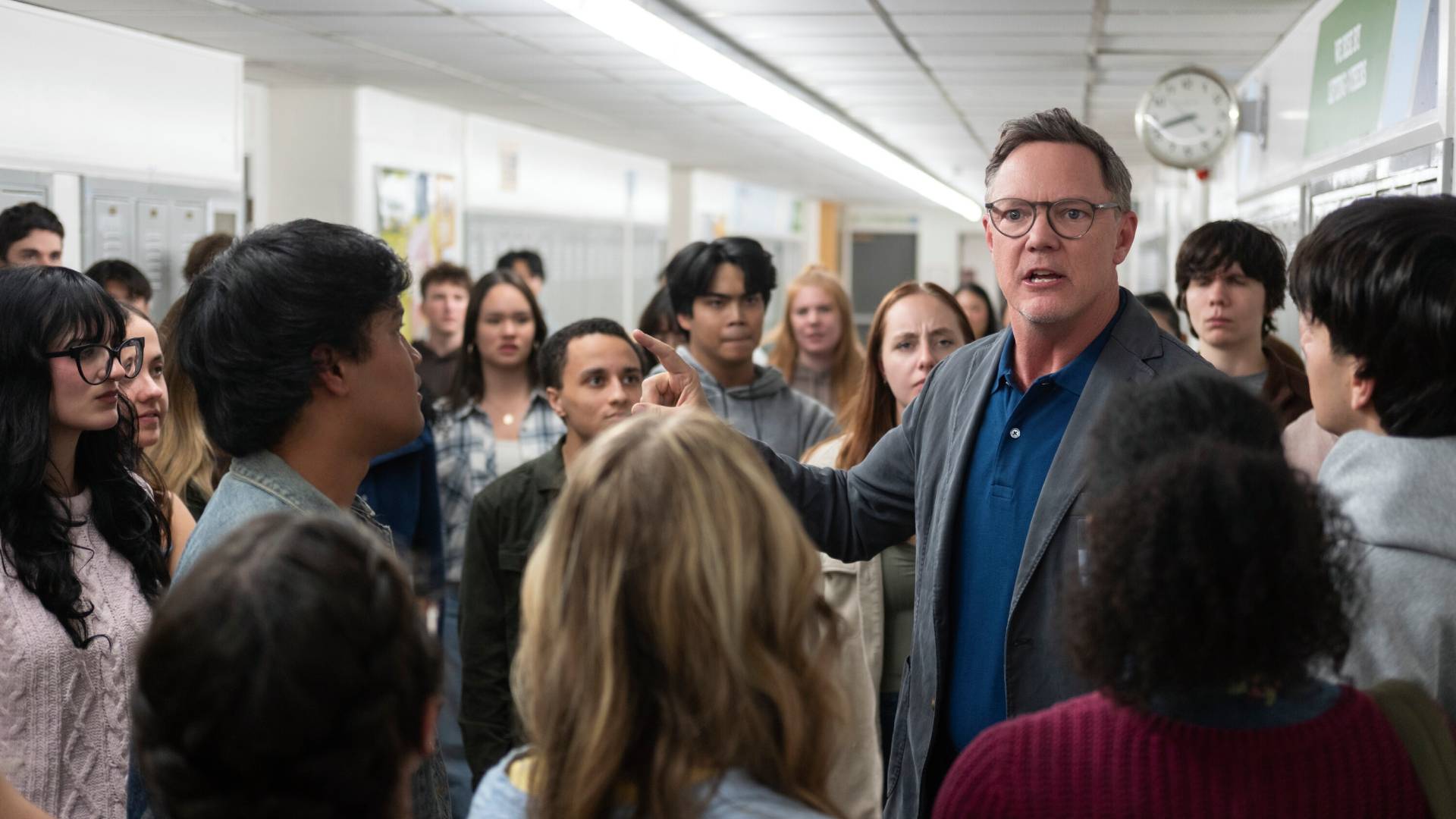
When developing the eight-episode arc for Prime Video, Flanagan and his writers’ room intentionally focused on expanding the universe of Chamberlain. Instead of reducing the townspeople to generic cannon fodder, the series invests significant screen time into exploring the domestic lives, systemic pressures, and personal failings of the faculty and students alike.
According to behind-the-scenes production notes, the extended electrocution sequence for Lillard’s character and the fiery disappearance of Midthunder’s character were designed to emphasize the total collapse of societal structures. When the school system—represented by Grayle and Desjardin—fails to insulate a deeply traumatized child from abuse, the ensuing destruction is portrayed not merely as a supernatural anomaly, but as a community-wide cataclysm born of collective negligence.
Implications: Allegories of Modern Trauma and Systemic Failure
Beyond the surface-level thrills of a high-budget Stephen King adaptation, Matthew Lillard pointed out that Flanagan’s version of Carrie functions as a poignant social allegory, drawing uncomfortable parallels to contemporary societal crises.
"And I do think that it’s sort of… not a morality tale, but it’s a tipping point," Lillard explained during his interview. "And you can see how kids can possibly break. And also, it could become an allegory for what’s happening with gun violence, what happens to kids, like they just can no longer stand what happens. And so I don’t know, it really refers to a bigger moment."
By framing Carrie White’s devastating outburst as an explosion of accumulated, unbearable societal pressure, Flanagan’s series elevates itself above standard genre fare. The tragedy at the prom ceases to be an isolated gothic horror story and becomes a mirror reflecting the devastating consequences of systemic indifference toward bullied and marginalized youth.
When trusted adults like Principal Grayle and Coach Desjardin are consumed by the very fire they failed to prevent, the narrative delivers a chilling final verdict: when a society repeatedly breaks its most vulnerable members, eventually, the entire foundation burns down with them.
Conclusion: Where to Watch and What Lies Ahead
All eight episodes of Mike Flanagan’s Carrie are currently streaming worldwide on Prime Video. As audiences continue to unpack the series’ grim conclusions, intricate character arcs, and haunting performances by Matthew Lillard and Amber Midthunder, the adaptation is cementing its place as a definitive modern horror landmark.
For fans looking to dive deeper into the upcoming landscape of scary cinema, the cultural conversation surrounding Flanagan’s empathetic yet uncompromising vision will undoubtedly influence how classic horror literature is adapted for television for years to come.

