


Main Facts
After years of radio silence, indefinite delays, and profound structural behind-the-scenes upheaval, Type-Moon and developer Studio BB’s Fate/Extra Record is finally emerging into the light. Following a dramatic publisher shift—which saw Bandai Namco step down before Aniplex took the reins—the highly anticipated remake of the cult-classic 2010 PlayStation Portable (PSP) dungeon crawler has secured a concrete global release date. Fans can officially mark their calendars for January 28, 2027, when the game launches across a massive multi-generation and cross-platform footprint: PlayStation 4, PlayStation 5, Nintendo Switch, its successor (tentatively referred to as the Nintendo Switch 2), and PC via Steam.
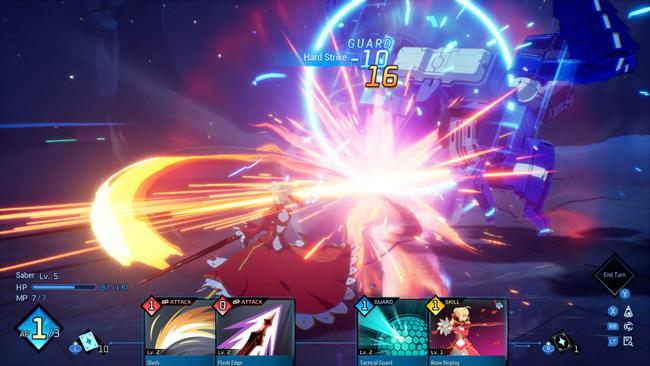
Recent hands-on preview opportunities at the Tokyo Game Show have given the gaming press an extensive look at how the title is shaping up. Far from being a simple upscale or a coat of digital paint, Fate/Extra Record is a total reimagining of the original conceptual framework. Featuring a modernized, card-based strategic combat system inspired by modern deck-builders like Slay the Spire, alongside wholly redesigned, immersive 3D dungeons that replace the archaic grid-based navigation of the past, Fate/Extra Record feels less like a historical artifact and more like a premier, contemporary role-playing game.
Chronology
To understand the magnitude of Fate/Extra Record’s resurgence, one must look at the turbulent timeline that brought the project to this juncture:

- July 2020: Studio BB—a subsidiary of Type-Moon established specifically to shepherd classic titles into the modern era—officially announces Fate/Extra Record during a 4th-anniversary stream for Fate/Grand Order. Director Kazuya Niinou promises a full remake built from the ground up in Unreal Engine.
- 2021–2023: Years pass with only sparse development updates, character visual reveals (such as Saber, Archer, and Caster), and developer diaries. Whispers of "development hell" begin to circulate within the community as target windows pass quietly by.
- Early 2024: Bandai Namco, initially attached as a publishing partner, steps down from the project. Simultaneously, the game is slapped with an indefinite delay, plunging its future into uncertainty and leaving fans fearing cancellation.
- Mid-to-Late 2024: Aniplex steps in to rescue and stabilize production, streamlining development under a unified vision.
- Tokyo Game Show (2025/2026 Season): Aniplex brings a playable demo build to the floor, allowing media outlets to experience both the Saber and Archer segments for the first time.
- The Road to 2027: A formal re-announcement event confirms physical and digital editions for current- and next-gen consoles, locking in the definitive release date of January 28, 2027.
Supporting Data and Technical Overview
The technological and mechanical leap from the 2010 PSP original to Fate/Extra Record is nothing short of generational. The original title relied on a rigid, rock-paper-scissors combat system (Attack, Guard, Break) mapped out across turn-based predictive grids, which, while innovative for its time, quickly grew repetitive.
The Card-Based Evolution
Studio BB has completely overhauled this loop. Combat now centers on a card-drawing mechanic reminiscent of roguelike deck-builders.
- Action Costs: Each card drawn into the player’s hand carries a specific resource cost. Players must carefully budget their limited action points each turn.
- Servant Archetypes: Your chosen Servant acts as your deck archetype. For instance, playing as Saber encourages heavy buff stacking and explosive, high-damage individual strikes. Conversely, Archer leans into a distinct "death by a thousand cuts" philosophy, focusing on chaining multiple rapid, lower-cost attacks together in fluid succession.
- Tactical Defensive Play: Combat is reactive as well as proactive. Players must monitor enemy telegraphs; when an opponent prepares an offensive blitz, defensive cards yielding shields must be prioritized. Conversely, empty enemy turns eliminate the need for shielding, pushing players to maximize aggressive output.
Environmental Design Overhaul
Visually and spatially, the Moon Cell’s inner labyrinth no longer resembles the sterile, disembodied tile floors of the PSP era. The environments are now fully realized, grounded 3D spaces populated with complex architectural layouts, dynamic lighting, and environmental gimmicks. Exploration feels organic, transforming the dungeons from abstract logic puzzles into atmospheric arenas that demand genuine spatial awareness.

Official Responses and Developer Insights
While formal publisher statements have remained measured to manage expectations after the project’s turbulent restructuring, development leads have consistently emphasized respect for the source material paired with uncompromising modernization.
Director Kazuya Niinou and the Studio BB team have repeatedly noted that Fate/Extra Record is designed to satisfy veterans of the Fate franchise while remaining entirely accessible to newcomers who have only engaged with the IP through mobile juggernauts like Fate/Grand Order or visual novel adaptations. The decision to completely rewrite the gameplay loop was made early in development when it became clear that a mere 1:1 remaster would fail to capture the mechanical expectations of contemporary RPG players. By inviting press hands-on sessions at major industry events like the Tokyo Game Show, Aniplex and Studio BB have sought to project absolute transparency, proving that the project is not only alive and well, but performing smoothly across its targeted platforms.
Implications
The successful resurrection and impending release of Fate/Extra Record carry significant implications for the broader Japanese role-playing game market and the extended Fate franchise:
- Validation for Studio BB: As Type-Moon’s dedicated internal development house, Studio BB’s reputation hinges on this project. Successfully steering a troubled game out of development purgatory and into a multi-platform global launch will cement the studio as a reliable vehicle for modernizing Type-Moon’s storied back catalog.
- Cross-Generational Longevity: By launching simultaneously on aging hardware (PS4) alongside current-gen powerhouses (PS5, PC), next-gen hardware (Nintendo Switch 2), and the reigning hybrid champion (Nintendo Switch), the publishers are maximizing market penetration. This strategy ensures that no segment of the passionate Fate fan base is left behind.
- A New Standard for Remakes: If Fate/Extra Record successfully balances its dense, text-heavy visual novel roots with a lightning-fast, highly strategic deck-building combat engine, it could serve as a blueprint for how developers can rescue niche PSP-era classics from technological obsolescence without alienating purists.
As January 28, 2027, draws closer, all eyes will remain locked on Aniplex and Studio BB. If early impressions from the Tokyo Game Show floor are any indication, the wait through development hell was a crucible that forged something truly special. Stay tuned for further deep dives and final reviews as the launch window approaches.

