

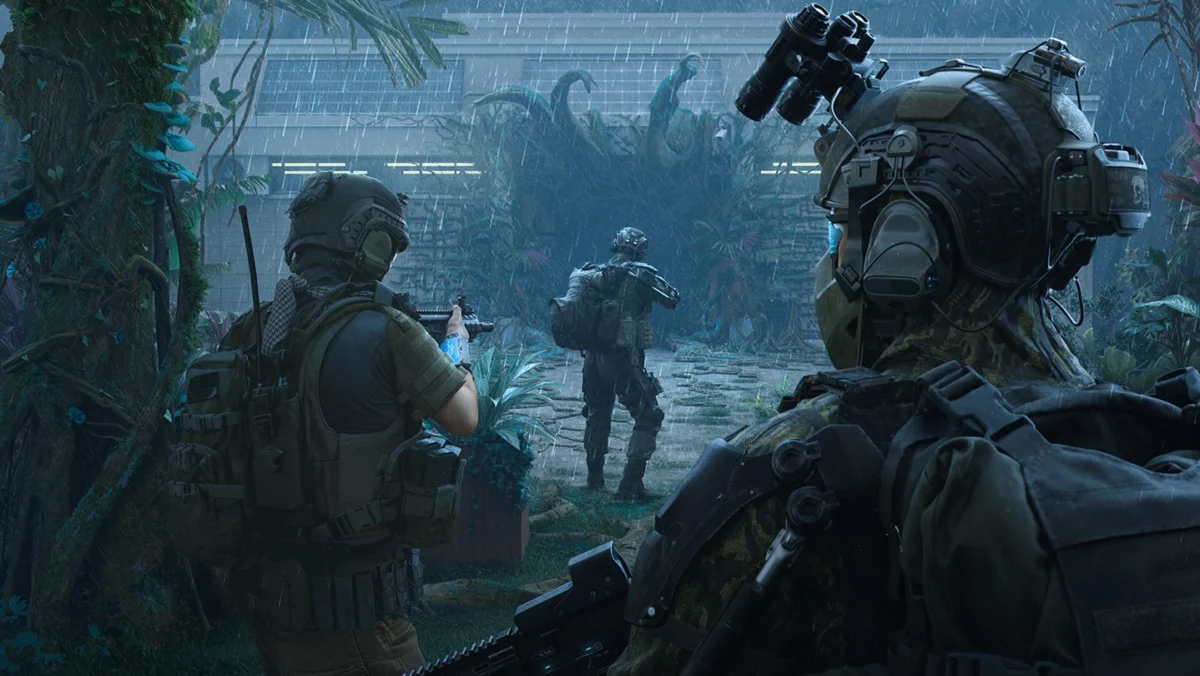
In a significant strategic shift for the South Korean gaming giant, Krafton has officially announced the cancellation of PUBG: Black Budget. The decision, confirmed via a Steam community update, marks the end of a project that was designed to expand the PUBG intellectual property (IP) beyond its traditional battle royale roots and into the increasingly competitive extraction shooter genre.
The move comes just nine months after the game’s initial closed alpha test, highlighting a ruthless internal culture of "fail-fast" development that Krafton has adopted to protect its flagship brand.
The End of the Road for Black Budget
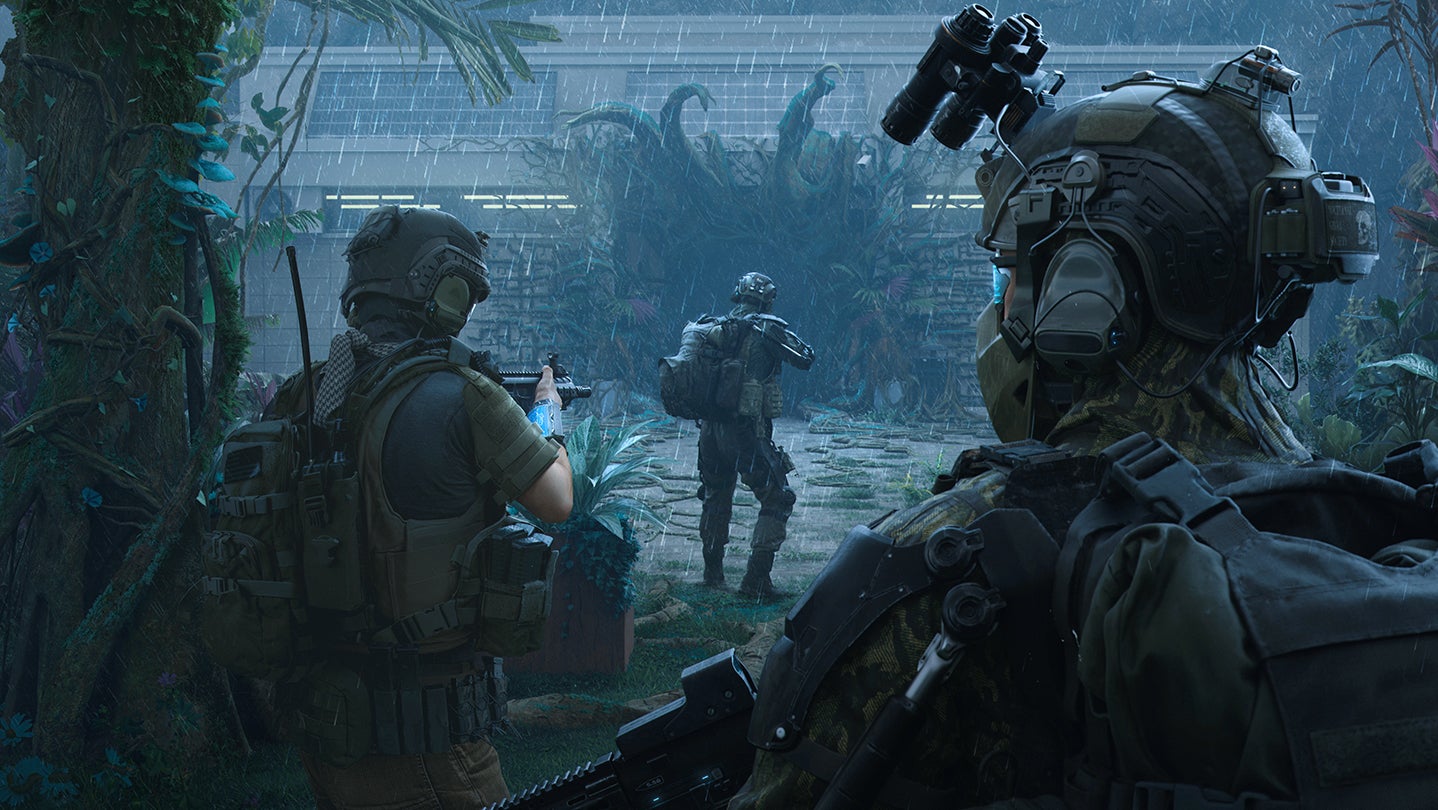
Black Budget was intended to be a departure from the high-octane, shrinking-zone chaos of standard PUBG. It sought to implement a time-loop mechanic within a tactical extraction framework, tasking teams with navigating hostile environments to secure loot and successfully exfiltrate.
Despite the unique premise and multiple community testing phases throughout the year, the developers ultimately hit a wall. In an official statement, Krafton cited a lack of long-term viability: "After reviewing the project’s development status and future direction, we concluded that its current direction would not allow us to deliver an experience players could enjoy over the long term."
This admission serves as a rare look behind the curtain of a major publisher’s development process, acknowledging that even with the immense resources of a company like Krafton, some concepts fail to bridge the gap between a compelling prototype and a sustainable live-service product.
A Chronology of Krafton’s Experimental Era
The cancellation of Black Budget is not an isolated incident; it is part of a broader, often volatile, roadmap that Krafton has pursued since the massive global success of PUBG: Battlegrounds.
- The Ambition (2022–2023): Krafton announced an aggressive expansion strategy to turn the PUBG IP into a "content platform." The goal was to leverage the game’s core gunplay, physics, and mechanical feel to spawn a variety of new gaming experiences, ranging from shooters to user-generated content (UGC) environments.
- The First Casualty (March 2024): The company shuttered the free-to-play spin-off Blindspot after just two months in Early Access. This served as a litmus test for Krafton’s "early validation" policy, where games are pushed to the public quickly to see if they hold water.
- Ongoing Testing (August 2024): Despite the early setbacks, Krafton remained undeterred, announcing PUBG: Ded.Net at Gamescom. This title, a multiplayer shooter featuring roguelike progression, suggests the company is still betting heavily on the "PUBG Universe" expansion.
- The Cancellation (Late 2024): The plug is officially pulled on Black Budget, leaving the studio to reallocate resources toward other projects.
The "Fail-Fast" Strategy: Data and Performance
Krafton’s approach to game development is fundamentally rooted in the data it collects from the immense, stable player base of its core PUBG titles. By utilizing "closed alpha" and "Early Access" phases as definitive gatekeepers, the company is avoiding the "sunk cost fallacy" that plagues many other AAA developers.
When a game does not meet specific engagement KPIs (Key Performance Indicators) during its testing phase, Krafton has demonstrated a willingness to kill the project immediately rather than pouring more capital into a sinking ship.
This ruthless efficiency is likely fueled by the company’s current financial health. In its Q2 earnings report, Krafton announced record-breaking results, with revenue surging 94.9% to roughly $889.1 million (1.29 trillion KRW). Notably, the core PUBG franchise saw a 25% year-over-year revenue increase, largely due to "cultural collaborations" and the successful development of its central gameplay platform. With the franchise performing so well, Krafton has the luxury—and the pressure—to experiment, provided those experiments do not cannibalize the success of the main game.
Official Responses and Developer Sentiment
The tone of Krafton’s official communication regarding Black Budget was one of gratitude and pragmatic resignation. By explicitly thanking the community members who participated in the closed alpha tests, the studio aims to maintain goodwill with its core player base, ensuring they remain invested in future projects.
"PUBG Studios will carry what we learned from development and testing into future projects, continuing to listen to players as we explore new gameplay experiences," the company stated. This messaging attempts to frame the failure not as a loss, but as a research-and-development investment.
The challenge for Krafton, however, lies in how the community perceives these repeated cancellations. If players begin to feel that PUBG spin-offs are inherently "disposable," they may be less likely to invest time and money into the next project, such as the upcoming Ded.Net.
Implications for the Future of the PUBG Brand
The cancellation of Black Budget carries significant implications for the future of the PUBG IP and the wider industry:
1. The Difficulty of Diversification
PUBG is a genre-defining title, but the "Battle Royale" magic has proven notoriously difficult to replicate in other genres. The core gunplay, which feels perfect for a last-man-standing scenario, does not always translate seamlessly to extraction or roguelike loops. Krafton is learning that players may love the feeling of PUBG, but that doesn’t mean they want that feeling applied to every possible sub-genre.
2. The Pressure of the "Content Platform"
Krafton’s stated goal is to consolidate an ecosystem where players can create and share content. By canceling standalone spin-offs, the company may be shifting its strategy toward integrating these experimental mechanics directly into the main PUBG platform as "modes" rather than separate, standalone games. This would lower development costs and keep the player base consolidated in one place.
3. Industry-Wide "Box Office Poison"
The industry is currently in a state of flux. As noted by critics and developers alike, the push to create "mass-market" games that offend no one and please everyone has led to a stagnation of creativity. Krafton’s pivot toward more distinct, experimental titles (like the roguelike Ded.Net) shows they are trying to break this cycle, even if it means weathering the occasional public failure like Black Budget.
4. Financial Stability as a Safety Net
Because Krafton’s core revenue is so robust, they are one of the few companies in the current landscape that can afford to cancel multiple projects in a single year without jeopardizing the company’s survival. Their financial dominance in the battle royale space provides a unique, albeit high-stakes, sandbox for innovation.
Conclusion
The shuttering of PUBG: Black Budget is a stark reminder that the video game industry remains one of the most volatile sectors in technology. For Krafton, the decision is a calculated business move—a pruning of the branch to ensure the tree continues to grow.
While fans of the extraction genre may be disappointed, the studio’s commitment to iterating on its core mechanics—and its willingness to accept failure as a byproduct of progress—suggests that Krafton is not done experimenting. Whether the next attempt at expanding the PUBG universe will find the audience they so desperately seek remains to be seen, but one thing is clear: the company is not afraid to walk away from a project to preserve the integrity of its most valuable asset.

