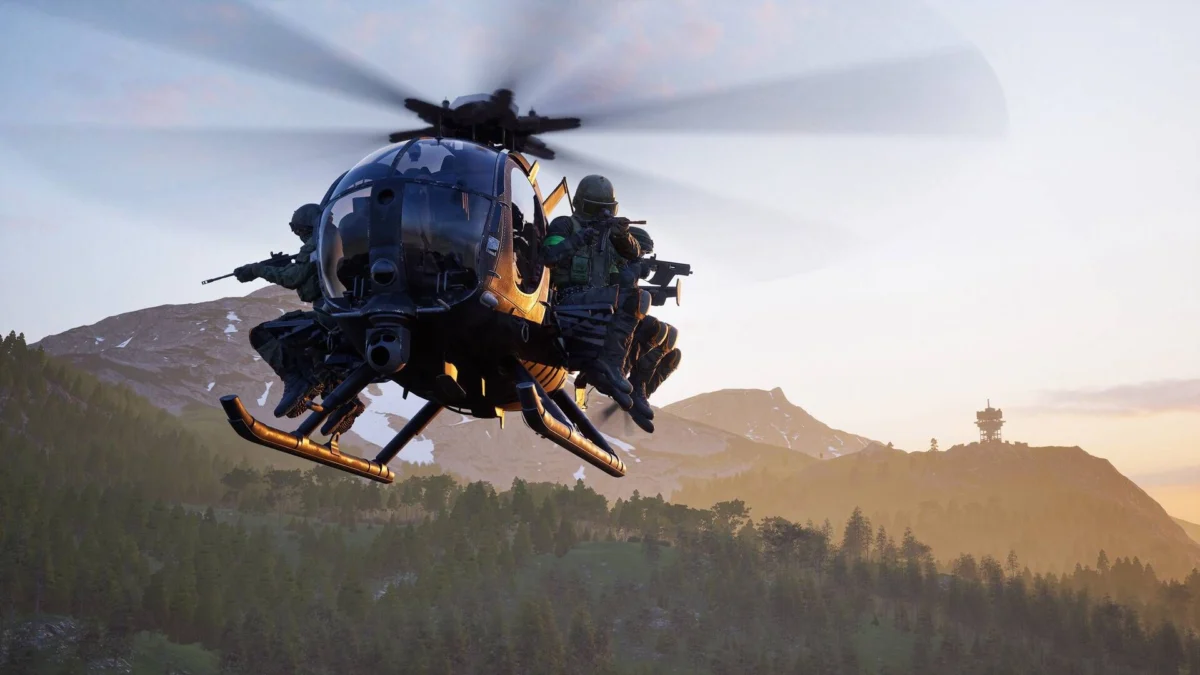
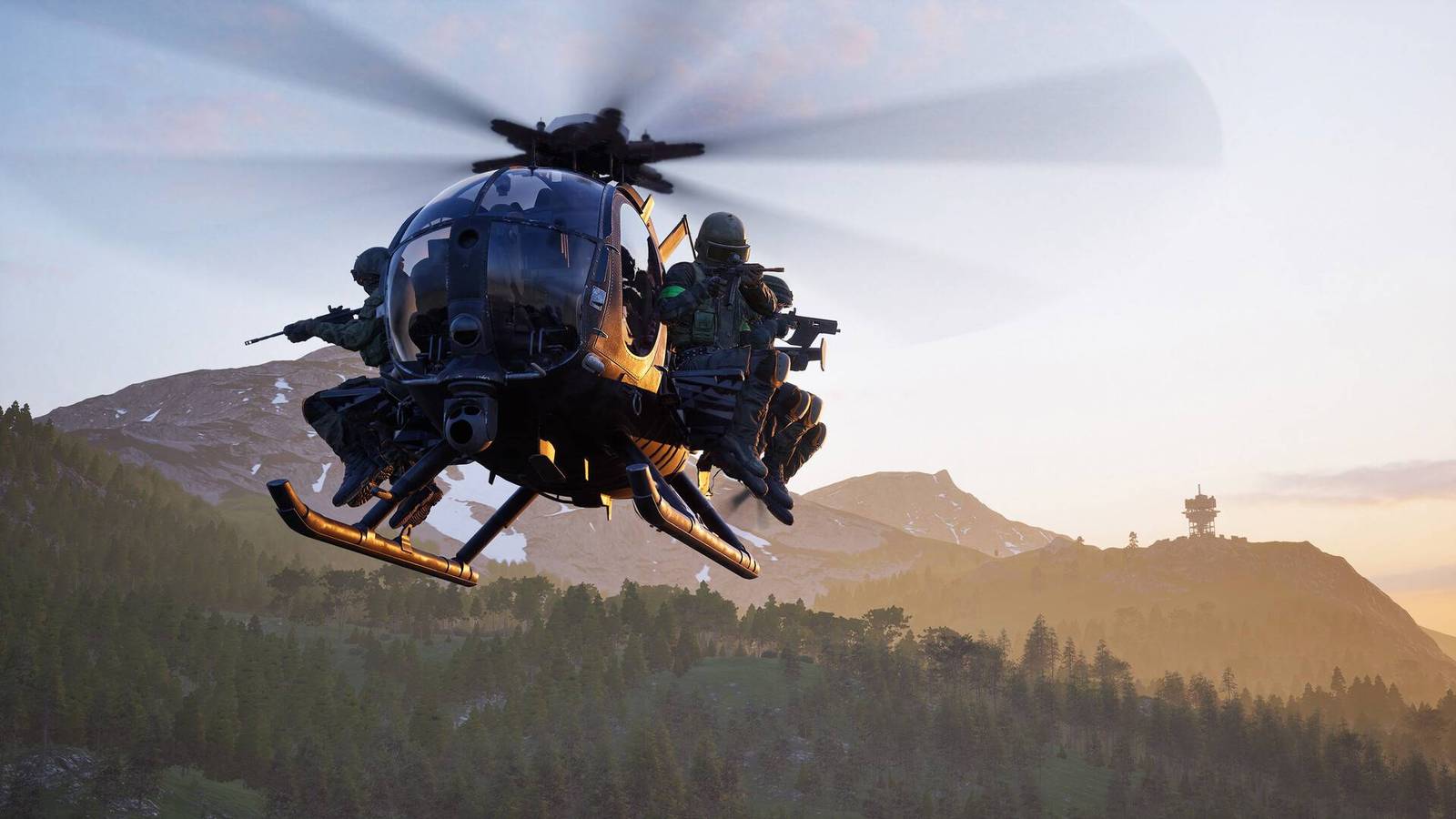
Video games released in 2026 have repeatedly tested players’ nerves. From fleeing massive, lumbering horrors as Grace Ashcroft in Resident Evil Requiem, to trading blows with Damien Webb in treacherous underground sewers during 007 First Light, to misjudging a grip and tumbling off a sheer cliff face in Cairn, this year has been an emotional gauntlet. Yet, according to critics and players alike, none of these cinematic terrors compare to the pulse-pounding, high-stakes responsibility of piloting a transport helicopter in Bulkhead and Team17’s tactical multiplayer shooter, Wardogs.
Unlike traditional arcade-style shooters where vehicles handle with forgiving, weightless control schemes, Wardogs takes a radically authentic approach. The game’s helicopters were designed from the ground up with the help of a professional aeronautical engineer. This design choice gives the aircraft genuine mass, momentum, and mechanical complexity.
The pressure isn’t just derived from learning how to master the flight model; it is compounded by severe in-game consequences. Crashing a chopper doesn’t just result in a routine respawn. It means incinerating $6,250 of personal capital invested in the vehicle, instantly killing a squad of trusting teammates, and wiping out valuable equipment loadouts worth tens of thousands of in-game dollars. In Wardogs, a single botched landing can instantly ruin your reputation, alienate your peers, and ground you for the rest of the match.
Chronology: From Concept to Cockpit
The journey of Wardogs from an ambitious tactical shooter concept to one of the most talked-about multiplayer experiences of 2026 has been marked by meticulous development phases and community-driven stress tests.
Pre-Release Development: Bulkhead recognized early in production that vehicle warfare risked feeling generic if handled like standard first-person shooters. To set Wardogs apart, the studio enlisted a certified aeronautical engineer to establish the baseline physics for all aircraft.
Mid-2026 Playtests: Closed and open playtests revealed a surprising trend among early adopters. While infantry combat and ground vehicle driving functioned as expected, the helicopters quickly became a primary focal point of community discussion—mostly due to how difficult they were to operate.
Gamescom 2026 (August): Bulkhead senior producer Kane Allard sat down for interviews to shed light on the design philosophy behind the game’s demanding mechanics, confirming the involvement of aerospace professionals to give the vehicles a genuine learning curve.
Late September 2026: Following the game’s official rollout, the community divided itself neatly into two camps: elite, high-precision pilots executing cinematic drops, and terrified novices who quickly realized that keeping a low profile on the ground was safer for their heart rates—and wallets.
Supporting Data and Economic Impact
To fully understand why a Wardogs pilot feels the beads of sweat forming on their forehead, one must look at the brutal economics of the game.
Initial Investment: Procuring a standard transport helicopter requires an upfront capital outlay of $6,250. For players still grinding the game’s economy, this is a significant chunk of change.
The Human Toll: A fully loaded chopper typically carries a squad of four to six players. Each passenger brings custom kits, high-tier weaponry, and specialized gear accumulated over multiple rounds.
Cumulative Losses: If a pilot misjudges their descent speed or clips a tree near the control zone, the financial fallout escalates rapidly. The total loss of the vehicle plus the dropped gear of an entire squad routinely plunges the team into a collective deficit in the tens of thousands of dollars.
Recovery Statistics: According to gameplay data, mid-air explosions or crashes occurring outside designated control zones have a near-zero survival rate. Reviving teammates is often impossible if the wreckage is exposed to enemy crossfire, meaning those equipment losses are permanent for the duration of the match.
Official Responses and Developer Insights
Speaking exclusively at Gamescom 2026, Kane Allard, senior producer at Bulkhead, elaborated on why the team deliberately chose to make vehicular movement so uncompromising.
"A big part of the game is vehicles, and we wanted them to feel as realistic and authentic as possible," Allard explained during the interview. "The way we achieved that was by bringing in an aeronautical engineer to design the base layer of our helicopters, just to make them feel realistic and give them weight and make them feel fun. And it gives them that skill level where you can learn and become a better pilot."
This design philosophy was a conscious rejection of the "fly-and-forget" mechanics found in titles like Grand Theft Auto 5, Battlefield, or the Just Cause series. In those titles, players can leap into a chopper with zero prior flight training and immediately soar across the map. Bulkhead wanted Wardogs to treat flight as a specialized discipline—akin to learning a distinct class or mastering a high-tier weapon.
However, this commitment to authenticity created an unexpected gameplay barrier. While maintaining forward momentum and cruising altitude is relatively straightforward once a player spends time in the firing range, the act of landing remains a formidable hurdle. Coming to a controlled, rapid stop in a hot zone while avoiding enemy anti-air fire requires split-second spatial awareness and precise throttle management.
Implications for the Meta and the Community
The punishing nature of flight in Wardogs has had profound ripple effects on the game’s community culture and tactical meta.
1. The Rise of Specialist Pilots
Much like dedicated medics or logistics drivers in milsim titles, Wardogs has birthed a niche caste of elite aviators. Content creators and high-skill players—such as Instagram personality designatedpilot—treat flying as a high-art performance, threading choppers through narrow canyons and dropping squads directly onto objective points with surgical precision. For these players, the extreme difficulty is the primary appeal.
2. Social Accountability and Peer Pressure
For the average player, however, piloting is a social minefield. Wrecking a chopper on your first attempt isn’t just a tactical failure; it is a public relations disaster within your squad. Because your teammates lose hours of economic progress alongside their favorite loadouts, a bad crash guarantees you will never be handed the keys again. As Ford James noted after logging dozens of hours for Polygon’s flight guides: "After that, nobody is going to trust you to pilot a helicopter again, so you’ll need to sit as a passenger on someone else’s chopper with your tail between your legs."
3. A Shift Toward Ground Transport
Ultimately, the steep learning curve and catastrophic failure states are reshaping how matches unfold. While the bravest and most coordinated squads rely on air support to bypass contested chokepoints, cautious players are opting out entirely. Many are choosing to stick to land-based vehicles—sacrificing speed for safety and saving themselves an unwanted spike in blood pressure.
In a gaming landscape increasingly sanitized for instant gratification, Wardogs stands out by making mastery genuinely difficult and failure genuinely painful. Whether that level of stress is a masterpiece of design or a recipe for controller-throwing frustration depends entirely on how steady your hands are when you pull collective.