

By Giovanni Colantonio
Published September 23, 2026, 2:00 PM EDT
Main Facts: The Unexpected Parallel Between Tactical Fantasy and Vehicular Combat
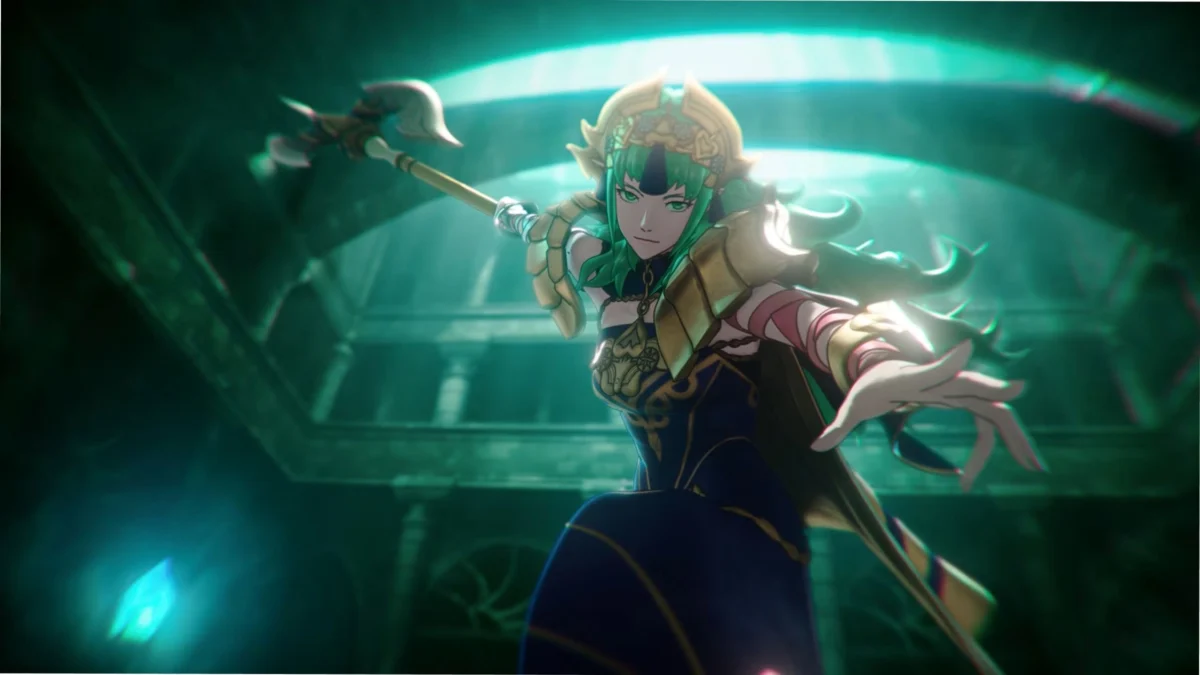
Like many early adopters of the Nintendo Switch 2, I have spent the past several weeks deeply entrenched in Fire Emblem: Fortune’s Weave. Intelligent Systems and Nintendo’s latest grand tactical epic delivers on all fronts: the tactical grid-based battles are rock-solid, the pacing rewards strategic experimentation, and the ensemble cast offers more than enough character-driven drama to justify a multi-dozen-hour runtime.
Yet, after sinking over 30 hours into the campaign—clearing Theodora’s intricate Act 1 path and diving headfirst into Dietrich’s gloriously unhinged narrative arc—a lingering thematic realization crystallized in my mind. Despite the towering fantasy stakes, imperial politics, and sweeping orchestral scores, Fire Emblem: Fortune’s Weave possesses fundamentally the same foundational plot as Sony’s chaotic, car-destroying classic, Twisted Metal.
On the surface, this comparison reads like narrative word salad. Fortune’s Weave is an intricate fantasy saga about historical heroes uniting to save the Dagdan Empire from annihilation. Twisted Metal, by contrast, is a vehicular combat franchise famous for letting players pilot pink low-riders, ice cream trucks, and muscle cars equipped with hood-mounted machine guns to blow up rival drivers across urban landscapes.
Look past the armor-clad elephants, magical basketball minigames, and heavy metal artillery, however, and the structural skeleton of both narratives reveals an identical core: a high-stakes, multi-participant tournament hosted by an all-powerful sovereign entity, where the ultimate reward for survival is the granting of a single, life-altering wish.

Chronology and Narrative Structure: How the Tournaments Unfold
To understand how a tactical role-playing game on a next-generation Nintendo console intersects with a 1990s vehicular combat institution, one must look at how both stories initiate their respective campaigns.
The Heroic Games (Fire Emblem: Fortune’s Weave)
The narrative engine of Fortune’s Weave kicks off at the Heroic Games—a brutal, high-prestige gladiatorial tournament orchestrated by Solel, the Divine Sovereign. Fighters, rebels, and outcasts from every corner of the Dagdan Empire are summoned to Dagsion’s Grand Arena. Competitors must command squads through grueling rounds of tactical warfare.
The prize for emerging victorious is the title of Flame Lord, accompanied by a guaranteed audience with the Divine Sovereign to have a single wish granted. Every major playable protagonist enters this arena driven by deeply personal desperation:
- Cai aims to secure his father’s release from political imprisonment.
- Theodora seeks systemic reform to save her fractured kingdom.
- Leda hunts for absolute, unyielding vengeance.
- Dietrich… well, Dietrich largely views the tournament as a sanctioned playground for unchecked violence.
The Twisted Metal Tournament (Twisted Metal)
Now, consider the setup of Single Track and Incognito Entertainment’s Twisted Metal. Set in a gritty, dystopian Los Angeles, drivers from all walks of life are summoned by the enigmatic, seemingly omnipotent Calypso to compete in a destructive demolition derby.
Much like the Heroic Games, the driving force behind every competitor’s participation is the promise of a grand prize: Calypso will grant the ultimate winner any wish they desire, no matter how impossible. The psychological profiles of the drivers mirror their fantasy counterparts with uncanny precision:

- Charlie Kane enters to discover if his missing son is still alive.
- Bruce Cochrane fights to revitalize and protect his blighted neighborhood.
- Needles Kane (Sweet Tooth)… well, Needles mostly just wants an excuse to murder people with a customized ice cream truck.
Supporting Data: Comparing the Cast, Stakes, and Institutional Motives
While the aesthetic presentation could not be more polarized, the character archetypes and narrative tension rely on the exact same literary machinery. The table below outlines the structural parallels between the two franchises:
| Narrative Element | Fire Emblem: Fortune’s Weave | Twisted Metal |
|---|---|---|
| The Organizer | Solel, the Divine Sovereign | Calypso, the Demonic/Omnipotent Host |
| The Venue | Dagsion’s Grand Arena (Dagdan Empire) | Los Angeles, California |
| The Participants | Diverse squads of historical and modern heroes | Deranged drivers, criminals, and vengeance-seekers |
| The Grand Prize | Elevation to Flame Lord and a granted wish | Any single wish granted by the host |
| The Wildcard Character | Dietrich (violence-driven) | Sweet Tooth / Needles Kane (chaos-driven) |
Despite these structural alignments, nuanced differences exist. In the lore of Twisted Metal, Calypso functions as a cynical trickster archetype. Winning his tournament rarely brings happiness; instead, Calypso twists the wording of every wish in Twilight Zone-esque fashion, serving as a moral fable cautioning against the perils of violent retribution.
In contrast, the wish-fulfillment mechanism within the Heroic Games initially presents as a legitimate, straightforward institution—though as players progress deeper into the sprawling chapters of Fortune’s Weave, the true political and magical strings attached to Solel’s benevolence begin to unravel.
Official Responses and Industry Perspectives
Narrative designers and critics have long debated the efficacy of the "tournament arc" as a storytelling device. In modern gaming, convenience often dictates plot structure: writers need a compelling, pressurized environment that forces disparate characters into frequent, high-stakes conflict without requiring convoluted geopolitical justifications for every single encounter.
Industry analysts note that Intelligent Systems’ deployment of the Heroic Games in Fortune’s Weave solves a classic RPG dilemma. By gathering diverse faction leaders into a single localized arena under the watchful eye of a higher power, the game can seamlessly orchestrate ideological clashes, team-ups, and betrayals.
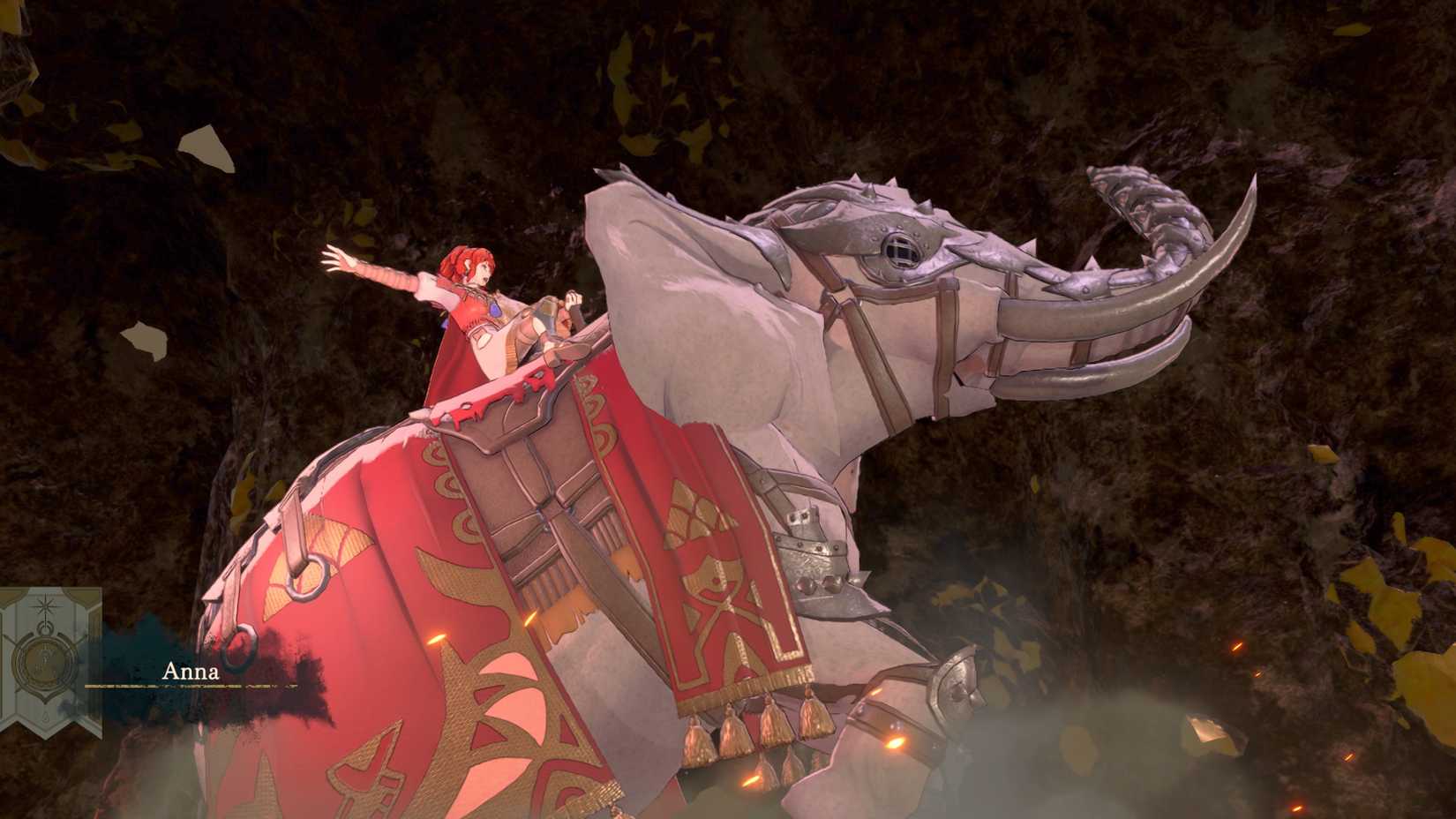
While Nintendo and Intelligent Systems have not explicitly cited vehicular combat titles as direct inspirations for Fortune’s Weave, the developers have frequently emphasized their desire to subvert traditional Fire Emblem tropes. Moving away from standard continental wars of attrition toward a closed-circuit, gladiatorial power struggle allows the narrative to focus tightly on character psychology and ambition.
Implications: The Enduring Appeal of Gladiatorial Storytelling
The revelation that a high-fantasy tactical epic shares DNA with a classic demolition derby speaks volumes about the enduring appeal of the tournament narrative. Whether expressed through grid-based tactical maneuvering or high-speed vehicular combat, human storytelling continually returns to the crucible of the arena.
This narrative framing creates immediate tension. When characters are fighting not just for survival, but for a singular, life-defining wish, every skirmish carries immense weight. It transforms tactical decisions from abstract military exercises into desperate bids for personal salvation.
Ultimately, comparing Fire Emblem: Fortune’s Weave to Twisted Metal is not meant to diminish the former’s literary ambitions. Instead, it highlights how classical storytelling tropes—rooted deeply in antiquity and gladiatorial tradition—persist across entirely disparate mediums. The spirit of the arena lives on, shifting seamlessly between magical tactical battlefields and post-apocalyptic demolition derbies. One can only imagine what our ancestors would think of this evolution: likely profoundly confused by the anime aesthetics and heavy metal soundtracks, but perhaps, in some strange way, secretly proud.

