

Main Facts: Breathing New Life into a Modern Classic
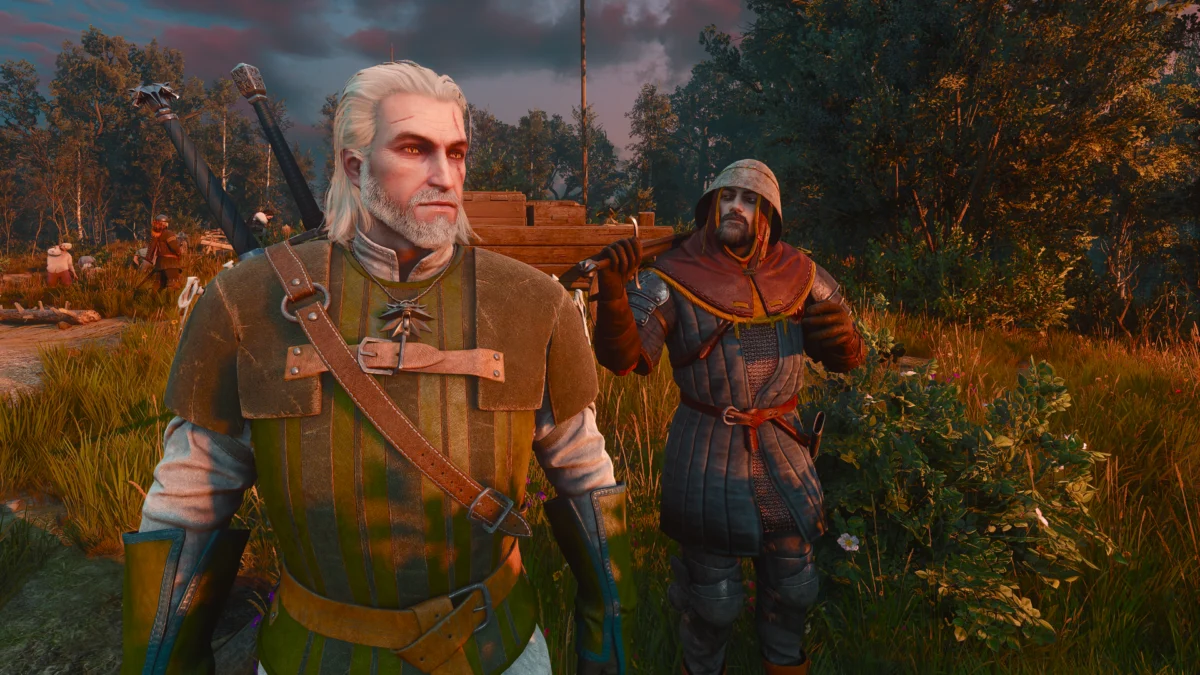
Almost a decade after it first redefined the open-world role-playing genre, The Witcher 3: Wild Hunt has returned to the spotlight. Following its critically acclaimed next-gen update released a few years ago, CD Projekt Red (CDPR) has officially rolled out The Witcher 3: Wild Hunt – Remastered.
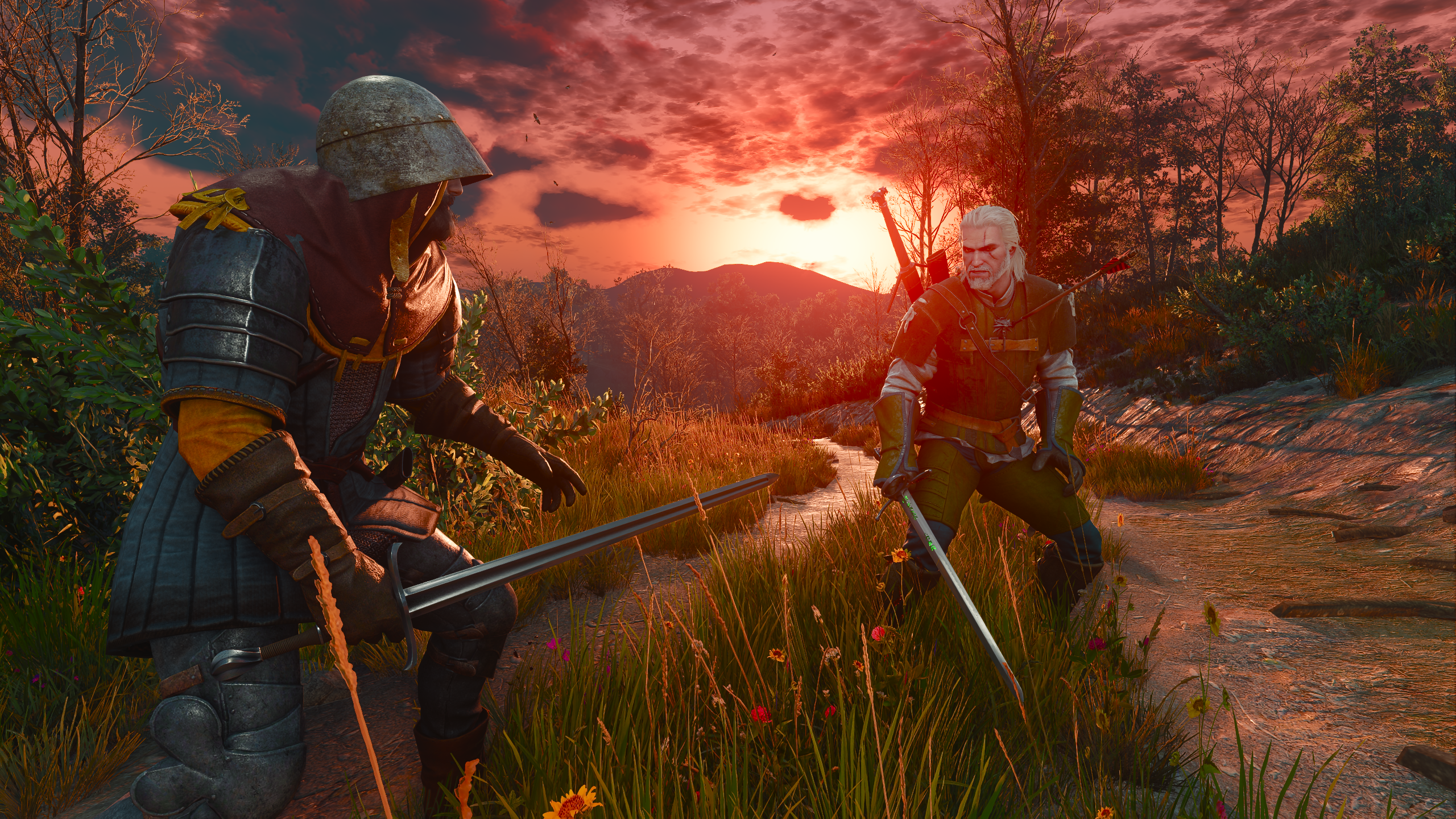
Far beyond a simple patch or standard re-release, this comprehensive overhaul applies modern, mid-21st-century graphical fidelity and mechanical polish to a title that many players already considered the pinnacle of 2015 gaming. Alongside the updated visuals—which feature dramatic lighting revamps, hyper-detailed textures, and optimized performance—CDPR has introduced thoughtful quality-of-life adjustments, streamlined user interfaces, and minor combat tweaks designed to sand down the rough edges of the original code.
Crucially, the release coincides with major promotional incentives: both of the game’s legendary expansions, Hearts of Stone and Blood and Wine, are now being offered for free to players, serving as a massive runway for the newly announced expansion, Songs of the Past, which is officially slated for release in 2027.
Chronology: The Evolution of a Masterpiece
To understand the weight of The Witcher 3: Wild Hunt – Remastered, it helps to trace the timeline of Geralt of Rivia’s digital journey and CD Projekt Red’s continuous support of their crown jewel:
- May 2015: The Witcher 3: Wild Hunt launches on PC, PlayStation 4, and Xbox One, sweeping global Game of the Year awards and setting a new benchmark for narrative-driven open-world RPGs.
- 2015–2016: CDPR releases two massive, critically lauded expansions—Hearts of Stone and Blood and Wine—cementing the game’s cultural footprint.
- December 2022: CDPR releases the first major "Next-Gen Update," bringing ray tracing, improved load times, and community-made mods directly into the base game for modern hardware.
- Present Day: The rollout of The Witcher 3: Wild Hunt – Remastered, introducing deeper mechanical modernizations, inventory tracking updates, and paving the way for the upcoming 2027 expansion, Songs of the Past.
Supporting Data and Technical Enhancements
The debate surrounding video game remasters often focuses on whether technological improvements preserve or damage the original artistic intent. Upon the release of The Witcher 3: Wild Hunt – Remastered, online forums and community hubs immediately sparked lively debates over its aesthetic changes. However, beneath the noise of purists and critics lies a suite of technical upgrades that objectively elevate the experience.
Visual and Lighting Overhauls
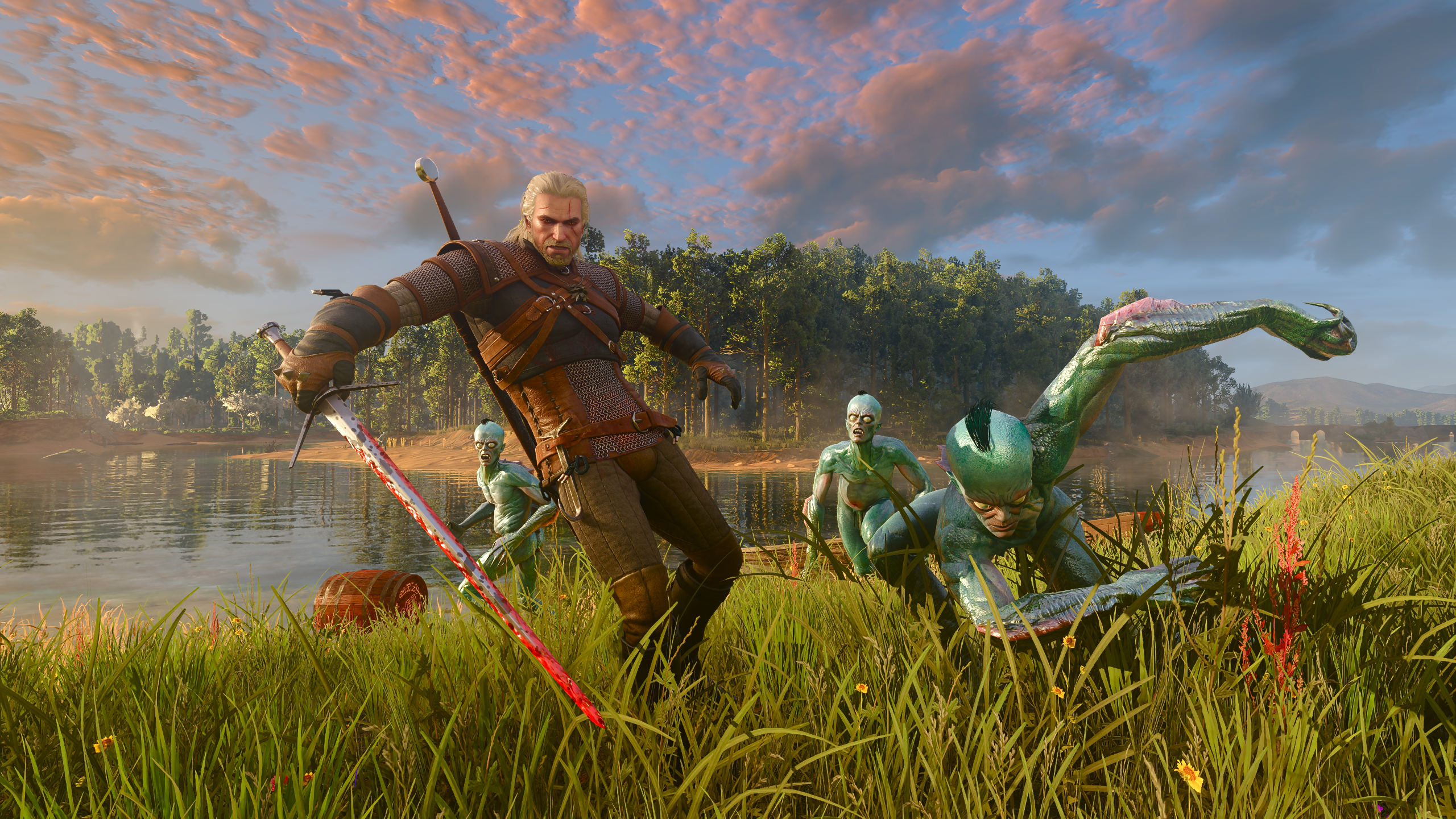
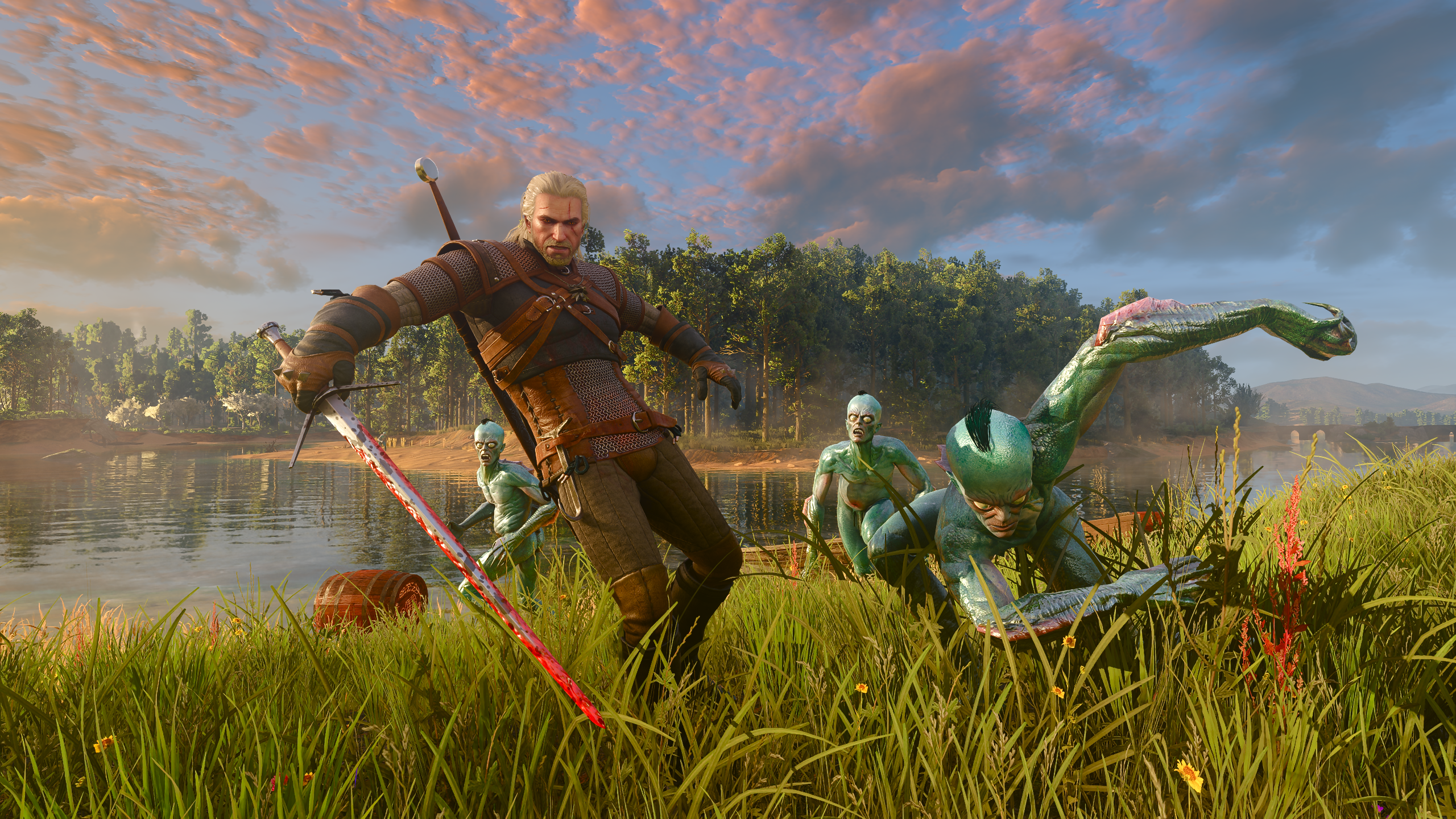
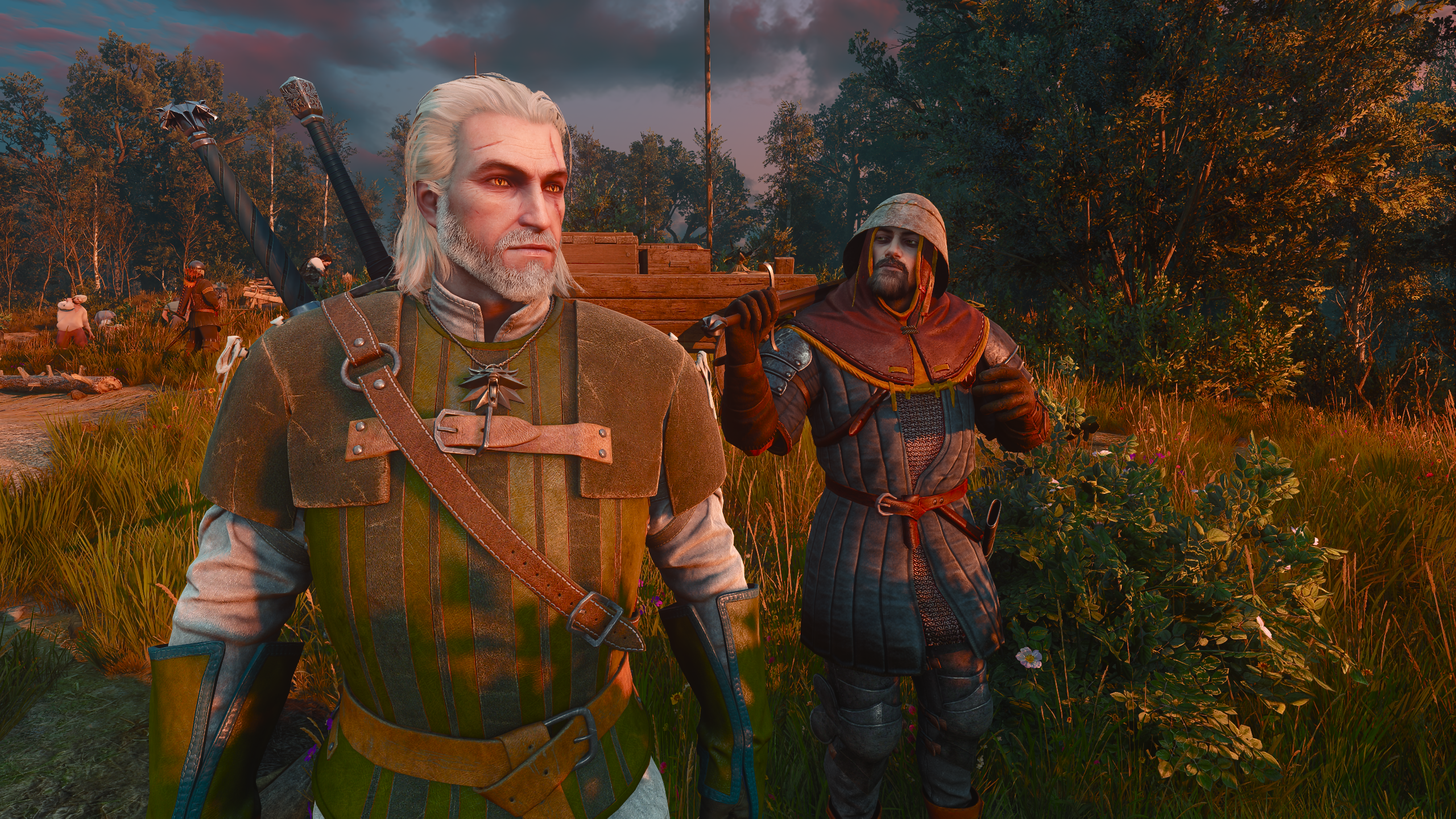
The most striking improvement in the Remastered edition is its dynamic lighting system. Sunsets across Velen’s war-torn swamps and the crisp, icy fjords of Skellige now cast realistic volumetric rays that interact naturally with environments and characters alike. Fine details—such as individual strands of hair, ambient dust motes catching the light, and weather transitions—showcase a level of fidelity that rivals games built natively for modern hardware.
Quality-of-Life Mechanics
Beyond graphics, CDPR implemented long-requested interface upgrades that fundamentally change the flow of gameplay:
- World Map Quest Tracking: Players can now view a comprehensive list of myriad quest objectives directly on the world map, swapping focus instantly using controller triggers.
- Dynamic Loot Feed: A clean, unobtrusive HUD notification feed now displays acquired items in real-time, resolving the old frustration of completing quests with vague rewards without knowing precisely what was added to your inventory.
- Transmog and Customization: Expanded player agency regarding gear appearance allows for streamlined visual tailoring without sacrificing tactical stats.
Official Responses and Developer Intentions
CD Projekt Red has been vocal about its ambitions for the Remastered edition. Representatives from the studio have noted that the goal was not merely to spruce up textures, but to make The Witcher 3 "feel like any other game released today" in terms of mechanical fluency.
While some veteran players argue that the combat’s foundational DNA—swordplay, parrying, and sign-casting—retains some of its original quirks, CDPR’s developers aimed to bridge the generational gap. The studio believes that these subtle adjustments make it easier for newcomers to adopt the game without feeling alienated by older control schemes, while simultaneously giving returning veterans a frictionless ride back onto the Path.
Furthermore, the studio’s announcement of the upcoming Songs of the Past expansion, scheduled for 2027, signals that CDPR views The Witcher 3 not as a finished monument in a museum, but as a living ecosystem capable of welcoming new chapters years after its initial conception.
Implications for the RPG Genre and the Future of CDPR
The release of The Witcher 3: Wild Hunt – Remastered carries significant implications for both CD Projekt Red and the broader role-playing game market.
Setting a Standard for Preservation
As the video game industry grapples with aging libraries and expensive hardware transitions, CDPR’s approach offers a masterclass in software longevity. By continuously updating, refining, and eventually bundling major expansions for free, the studio keeps its intellectual property vital and culturally relevant. This strategy fosters immense consumer goodwill, particularly following the turbulent launch history of newer titles in the industry.
Re-engaging the Player Base
For millions of players, the Continent is more than just a digital map; it is a virtual home. Returning to the game via the Remastered edition evokes a distinct sense of nostalgia—walking cobblestone streets and visiting familiar taverns that hold memories of past playthroughs. By sweeping away the dust and modernizing the interface, CDPR has successfully engineered a low-friction entry point for players to embark on "Geralt’s Big Adventure" all over again.
As autumn nights roll in and players settle down to forge brand-new 100% completion save files in anticipation of Songs of the Past, The Witcher 3: Wild Hunt – Remastered proves that some virtual worlds never truly grow old—they simply wait for us to return.

