

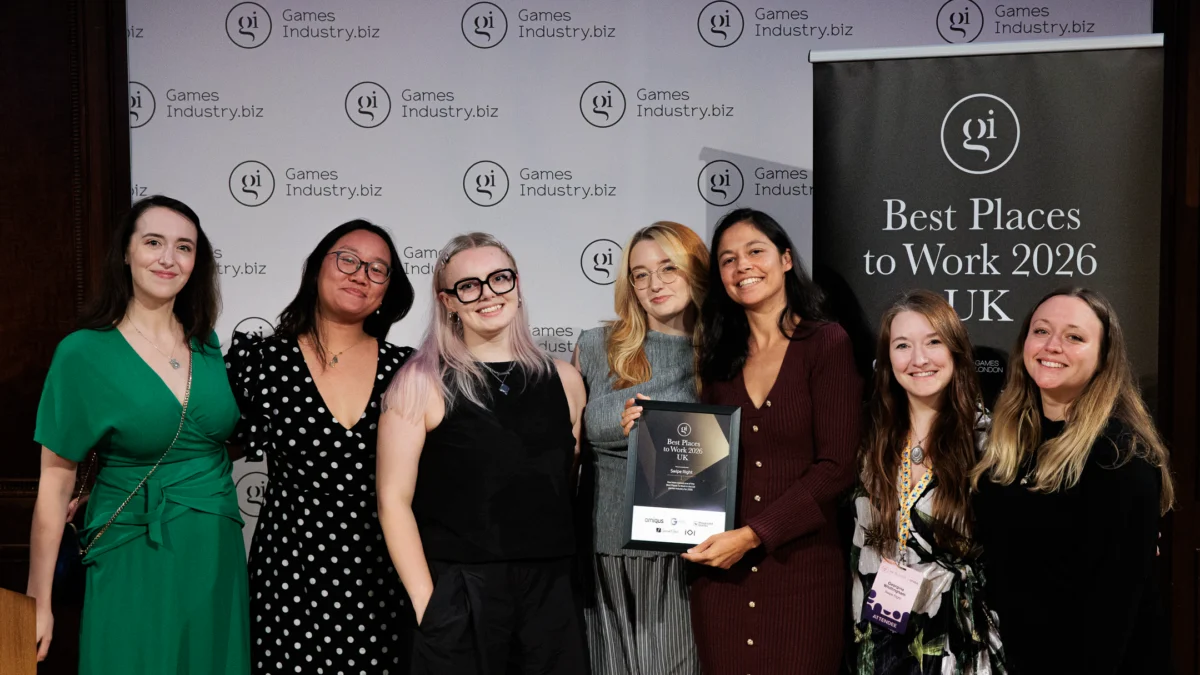
The UK games industry, a sector defined by its rapid pace, creative intensity, and technological innovation, paused last night to celebrate the human element behind the code. The annual GamesIndustry.biz Best Places to Work Awards UK returned to the prestigious Royal Institution in London, serving as the high-profile conclusion to the annual GamesIndustry.biz HR Summit. Amidst a climate of economic uncertainty for the wider sector, the event stood as a defiant beacon, highlighting the studios and organizations that are prioritizing employee welfare, mental health, and sustainable workplace cultures.
The event, supported by key industry partners including Amiqus, Playground Games, IO Interactive, Games London, and Special Effect, served as a vital reminder that while software is the product, people remain the industry’s most valuable asset.
A Chronology of the Evening: From HR Summit to Awards Gala
The day began long before the awards were handed out. The GamesIndustry.biz HR Summit, which preceded the evening ceremony, set the tone for the event. Industry leaders, talent acquisition specialists, and HR professionals engaged in robust discussions regarding the future of work, the ethics of AI integration in the workplace, and the necessity of maintaining robust support systems during periods of industry volatility.
As evening descended upon the Royal Institution, the atmosphere shifted from the analytical to the celebratory. Attendees from across the UK development landscape gathered to hear the results of months of data collection. The awards are not subjective trophies handed out by a panel of critics; they are a quantitative reflection of the voices of those working in the trenches of game development.
The ceremony moved swiftly through categories ranging from small independent studios to large-scale multi-national corporations. The highlight of the night, as always, was the presentation of the "G into Gaming" award, presented by Liz Prince MBE of Amiqus, which recognizes those who have gone above and beyond to foster inclusivity and accessibility within the games sector.
Supporting Data: How the Best are Measured
The methodology behind these awards is what gives them their weight in an industry often prone to superficial accolades. The scoring criteria are transparent and rigorous, designed to minimize bias and capture the true "pulse" of a company’s culture:
- The Employee Survey (80% of total score): The lion’s share of the final grade is determined by the employees themselves. Through an exhaustive, anonymous survey process, staff members grade their employers on culture, management, work-life balance, and internal communication. This data provides an unfiltered look at what it is actually like to work at a studio on a daily basis.
- The Policy Submission (20% of total score): To balance subjective experience with concrete framework, companies are required to submit documentation detailing their internal policies. This covers everything from parental leave and mental health support programs to salary transparency and environmental sustainability initiatives.
- Editorial Special Awards: A smaller, curated set of awards is judged directly by the GamesIndustry.biz editorial team. These categories allow the publication to shine a light on specific initiatives—such as mentorship programs or grassroots educational outreach—that might not fit into a standard survey template.
This two-pronged approach ensures that a studio cannot simply "talk the talk" with well-written policies; they must ensure that those policies are actually felt and appreciated by their staff.
The State of the Industry: Resilience in Challenging Times
It would be disingenuous to discuss this year’s awards without acknowledging the backdrop against which they occurred. The past eighteen months have been particularly grueling for the global games industry. Reports of layoffs, studio closures, and budget contractions have become a recurring feature of industry news.
However, the submissions for the 2026 awards tell a nuanced story. Rather than retreating, the UK’s leading studios appear to be doubling down on their commitments to their staff. Many submissions highlighted that, in the face of external pressure, internal support systems have become more critical than ever.
"We saw a significant shift in the narrative this year," noted one of the organizers during the post-ceremony reception. "Where previous years focused on perks like office snacks or game rooms, this year’s entries were heavily focused on substance: mental health provisions, sustainable career paths, and genuine efforts to mitigate burnout."
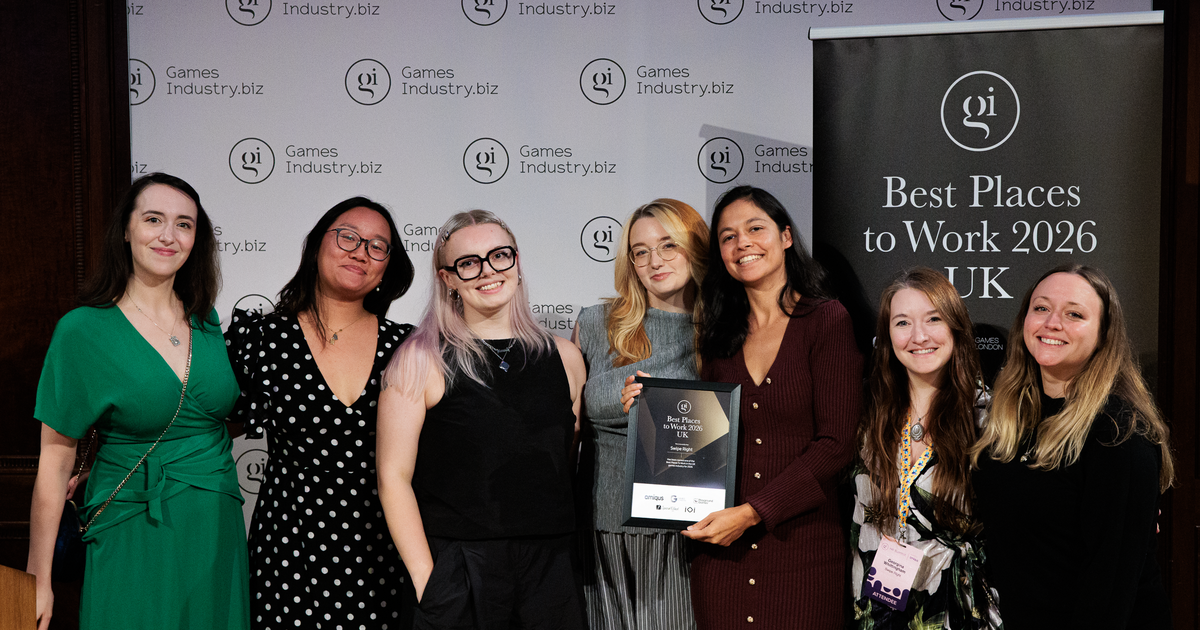
The data suggests that the "Best Places to Work" are not necessarily the ones with the largest budgets, but those that have successfully built a culture of transparency and psychological safety. Employees are increasingly seeking employers who treat them as partners in the development process rather than mere cogs in a production machine.
Official Responses and Industry Sentiment
The sponsors of the event, whose support made the gathering possible, emphasized the importance of these awards in shaping the industry’s future.
"The games industry is built on the talent and passion of its people," said a representative from the sponsoring cohort. "Recognizing those who excel in talent management isn’t just a PR exercise; it sets a benchmark for the rest of the industry. When one studio improves its mental health policy, it forces the rest of the market to raise their standards to remain competitive in the war for talent."
The "G into Gaming" award remains a focal point for the industry’s commitment to diversity. Liz Prince MBE highlighted the importance of the award, stating that creating a space where people from all backgrounds feel welcome is not just an ethical imperative, but an economic one. Diverse teams, she noted, invariably produce more creative, broader-reaching, and ultimately more successful products.
Implications: What Does This Mean for the Future of UK Gaming?
The long-term implications of these awards are significant. As the UK continues to position itself as a global hub for game development, the "Best Places to Work" badge becomes a vital recruitment tool. In a competitive global market, the brightest minds—the programmers, artists, and designers who drive innovation—are increasingly choosing their employers based on culture.
Furthermore, the trends highlighted in the 2026 data provide a roadmap for the industry:
- The Professionalization of HR: The games industry has historically been criticized for "informal" HR practices. The success of the winning studios suggests that those who adopt professional, transparent, and structured HR frameworks are the ones most likely to survive and thrive during economic downturns.
- Sustainability Beyond the Environment: While environmental sustainability was a key theme, the "sustainability" of the workforce—preventing burnout and encouraging long-term career growth—was the true core of this year’s submissions. Studios are beginning to realize that the "crunch" culture is not only unethical but fiscally unsustainable.
- The Rise of Mentorship: Many of the winning submissions highlighted robust mentorship programs. As the industry faces a potential skills gap, the companies that take an active role in training the next generation are the ones securing their own future.
Looking Ahead: The Road to 2027
As the lights dimmed at the Royal Institution, the focus shifted to the future. The GamesIndustry.biz Best Places to Work Awards have already opened the door for the 2027 cycle. The organizers have expressed a desire to see even more independent and smaller-scale studios participate, as the insights provided by these organizations are often the most creative and adaptable.
For companies looking to improve their standing, the message is clear: start with the employees. By utilizing anonymous feedback loops and aligning internal policies with the actual needs of the workforce, studios can transform their workplace culture into their greatest competitive advantage.
The 2026 awards were a testament to the fact that while the games industry remains volatile, it is also a sector deeply committed to its people. As we look toward 2027, the challenge for all studios—winners and non-winners alike—is to take the lessons of this year and build upon them. The goal is not just to win a trophy, but to ensure that the UK games industry remains a vibrant, healthy, and supportive environment for the thousands of creators who call it home.
Those interested in sponsoring or supporting the 2027 awards are encouraged to reach out to Matt Butlin at [email protected] to discuss how they can contribute to the continued evolution of the industry’s workplace standards.

