

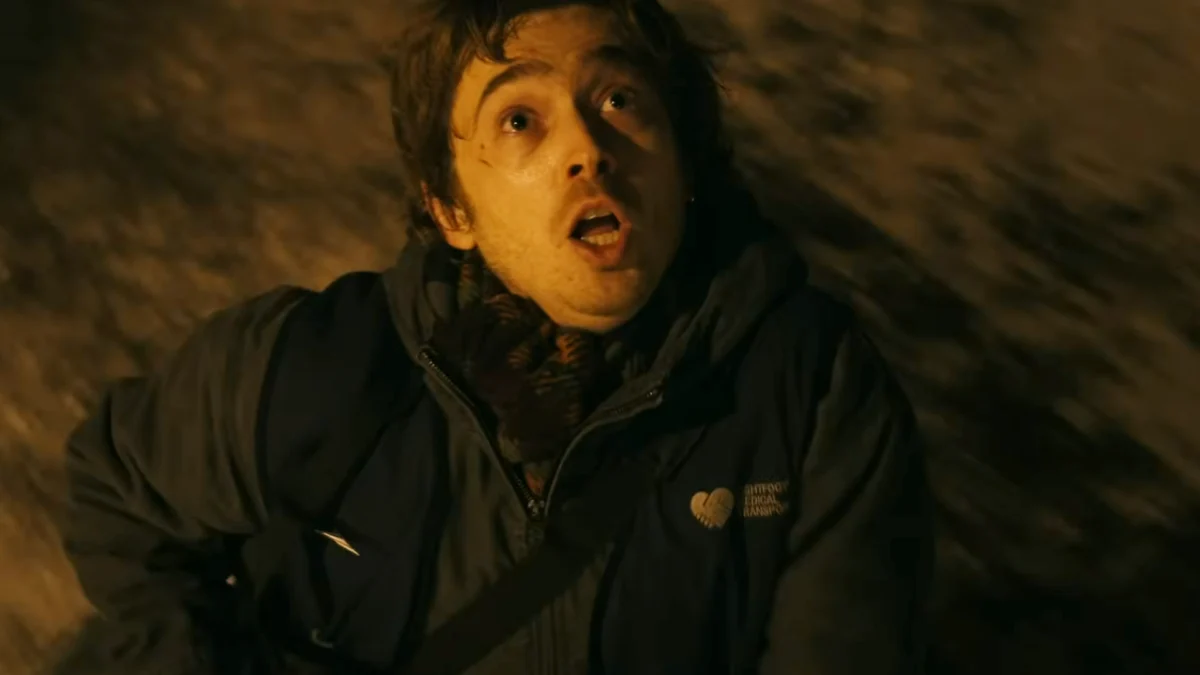
In the landscape of modern cinema, the "video game adaptation" has long been a term fraught with anxiety for both fans and studio executives. For decades, the genre was defined by hit-or-miss attempts that struggled to capture the atmosphere, mechanics, or narrative depth of their source material. However, the tide has turned. Following a string of successful adaptations, director Zach Cregger has stepped into the Raccoon City fray with a vision for Resident Evil that has not only satisfied die-hard fans but has become a bona fide box office sensation.
Critically acclaimed for its atmospheric dread and unflinching commitment to survival horror, Cregger’s Resident Evil is currently dominating the box office conversation. As the industry watches the numbers roll in, it is becoming clear that this iteration of the franchise is more than just another entry—it is a potential blueprint for how to handle intellectual property with both reverence and artistic ambition.
The Financial Surge: A Second-Week Powerhouse
The second-week performance of any major motion picture is often the most telling indicator of its long-term viability. For Resident Evil, the numbers are nothing short of impressive. According to data provided by Fangoria, the film pulled in $23 million across the United States and Canada during its second weekend in theaters.
While it faced stiff competition—most notably the theatrical re-release of the juggernaut Avengers: Endgame, which has returned to the spotlight in anticipation of Avengers: Doomsday—Resident Evil held its own with remarkable tenacity. Perhaps most telling is its ability to outpace high-profile newcomers. The film outperformed both Brad Pitt’s The Heart of the Beast and the Chris Hansen biopic Primetime, signaling that audiences are currently hungrier for survival horror thrills than they are for traditional dramas or celebrity-led vehicles.
With a production budget of approximately $75 million, the film’s $23 million second-week haul is a vital component of its path toward profitability. When viewed in the context of its $103 million domestic total and a global gross that has already climbed to $197 million, it is evident that Cregger’s project is comfortably in the black and poised to become one of the most profitable entries in the series’ long history.

A Chronology of Success: From Raccoon City to the Big Screen
The Resident Evil film franchise has a storied, if inconsistent, history. Since Paul W. S. Anderson first brought the T-Virus to the big screen in 2002, the franchise has been a cornerstone of the horror-action genre. However, for years, the films were often criticized for prioritizing stylized action over the claustrophobic, resource-starved tension that defines the source games.
The Evolution of the Franchise
- The Early Years (2002–2006): Under the guidance of Anderson and Milla Jovovich, the original series prioritized an action-horror hybrid aesthetic. Films like Resident Evil and Apocalypse established a massive, dedicated fanbase but often alienated purists who wanted a more faithful adaptation of the games’ survival-horror roots.
- The Middle Period (2007–2012): This era saw the franchise lean heavily into spectacle, with Extinction and Afterlife pushing the boundaries of CGI and 3D technology. Afterlife became a significant benchmark, setting a high bar for domestic earnings that stood for over a decade.
- The Transition (2016–2021): The release of The Final Chapter brought the original narrative cycle to a close, leading to a period of exploration for the IP.
- The Cregger Era (2024–Present): Zach Cregger’s entry represents a pivot back to the source material’s core identity. By emphasizing the slow-burn horror and the psychological toll of the Raccoon City incident, the film has successfully bridged the gap between game fans and general moviegoers.
Supporting Data: By the Numbers
To understand the magnitude of Cregger’s success, one must look at the comparative data. Resident Evil has already secured its position as the highest-grossing domestic film in the franchise’s history. It has surpassed the previous domestic champion, Resident Evil: Afterlife, and is leaving the lower-tier entries like Degeneration and Extinction far behind.
Global vs. Domestic Performance
While the film is the undisputed king of the domestic box office for the franchise, the global stage presents a more complex picture. Currently, the worldwide standings are as follows:
- Resident Evil: The Final Chapter – $314 million
- Resident Evil: Afterlife – $300 million (approx.)
- Resident Evil: Retribution – $240 million (approx.)
- Resident Evil (Cregger, 2024) – $197 million (and climbing)
While Cregger’s film currently sits in fourth place globally, industry analysts remain bullish on its prospects. Given that the film has only been in theaters for a few weeks, its momentum suggests it could potentially climb to the second or third spot before its theatrical window closes. The film’s "legs"—a term used to describe how well a movie sustains its audience over time—are strong, bolstered by positive word-of-mouth and high rewatchability among the horror community.
Industry Implications: The "Cregger Effect"
The success of Resident Evil serves as a powerful case study for major studios. In an era where "franchise fatigue" is becoming a legitimate concern for executives at Disney, Warner Bros., and Sony, Cregger’s approach offers a solution. Instead of reinventing the wheel or straying too far from the source material to appease a perceived "general audience," he leaned into the specific, niche qualities that made the Resident Evil games a global phenomenon: the isolation, the resource management, and the terrifying creature designs.

Why It Works
- Authenticity: By honoring the aesthetic and tone of the games, the film avoids the "uncanny valley" of adaptations that feel like hollow shells of their inspirations.
- Genre Focus: Rather than trying to be a blockbuster action movie, the film remains a horror movie at heart. This clarity of vision has helped it stand out in a crowded market.
- Creative Vision: Zach Cregger’s background in horror-centric storytelling has provided a distinct directorial voice that sets the film apart from the more generic, studio-mandated feel of previous entries.
Official Responses and Audience Reception
The reception within the industry and among the PC Gamer staff has been overwhelmingly positive. Critics have praised the film for its pacing and its ability to turn the screen into a claustrophobic nightmare. One staff member noted that the interpretation was a breath of fresh air, finally giving fans the "true" Resident Evil experience they had been waiting for since the early 2000s.
On social media and review aggregators, the sentiment is similar. Fans are celebrating the practical effects, the faithfulness of the creature design, and the narrative focus on a smaller, more intimate cast of characters. For Sony Pictures, this is a major win. After several years of navigating the challenges of theatrical distribution in a post-pandemic world, having a horror property that can reliably pull in over $20 million in its second week is a significant achievement.
Looking Ahead: The Future of the Franchise
Where does Resident Evil go from here? If the current trends continue, it is almost certain that a sequel will be fast-tracked. The financial success of this installment gives Sony the leverage to expand the universe, potentially exploring other iconic locations from the games like the Spencer Mansion or the Raccoon City Police Department.
Furthermore, the success of Cregger’s vision may encourage other studios to entrust their video game properties to directors with deep genre expertise. The era of the "safe," sanitized adaptation appears to be coming to an end, replaced by a new wave of films that are not afraid to be dark, weird, and distinctly "game-like."
For now, Resident Evil remains in theaters, fighting for screen space and continuing its climb up the all-time grossing charts. For fans who have waited years to see the T-Virus brought to life with such care and precision, the box office success is merely the icing on the cake. The real victory is that, after twenty years of trial and error, the horror franchise has finally found its rhythm. As the numbers continue to climb, one thing is certain: Raccoon City is back, and it’s hungrier than ever.

