

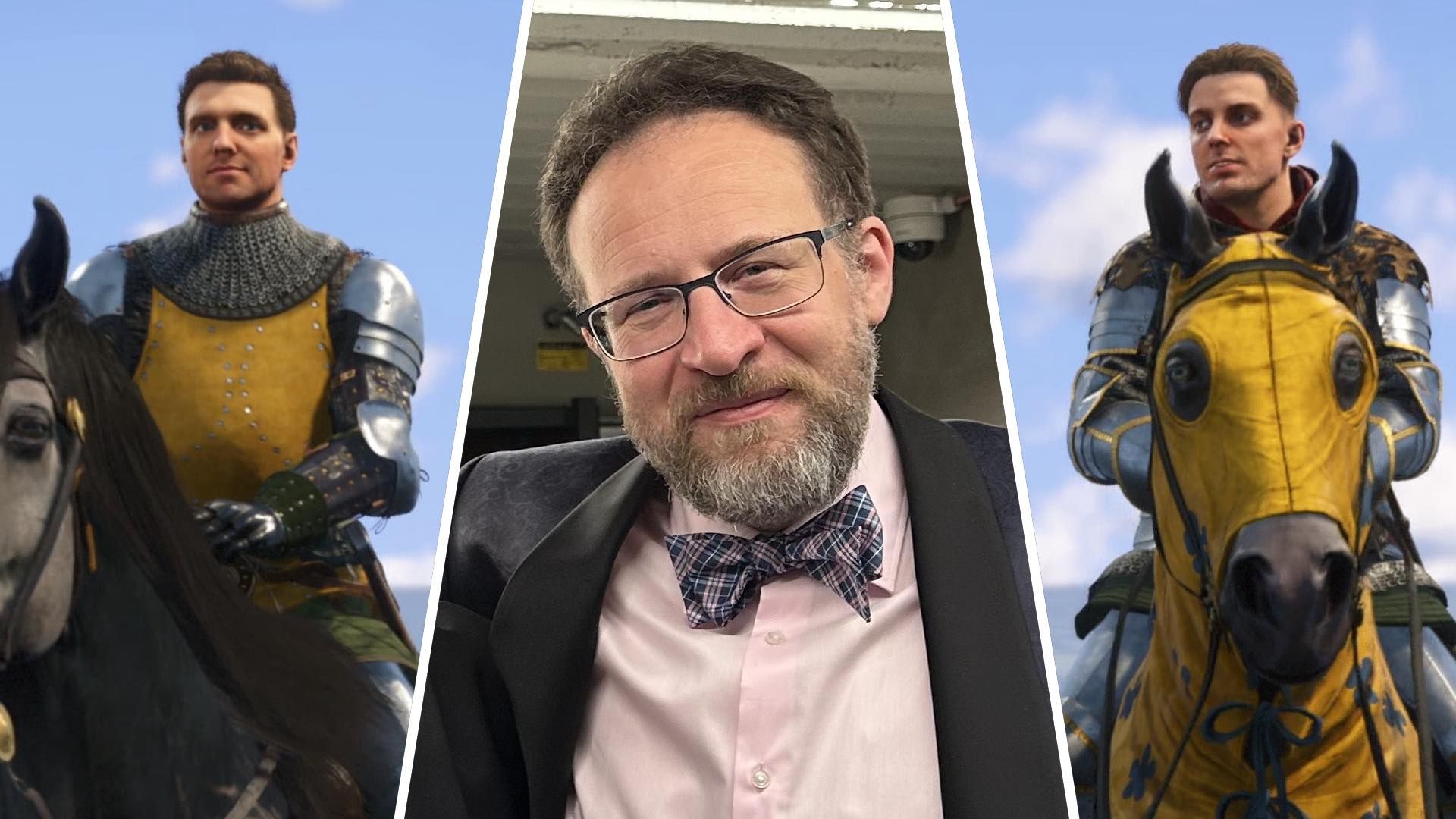
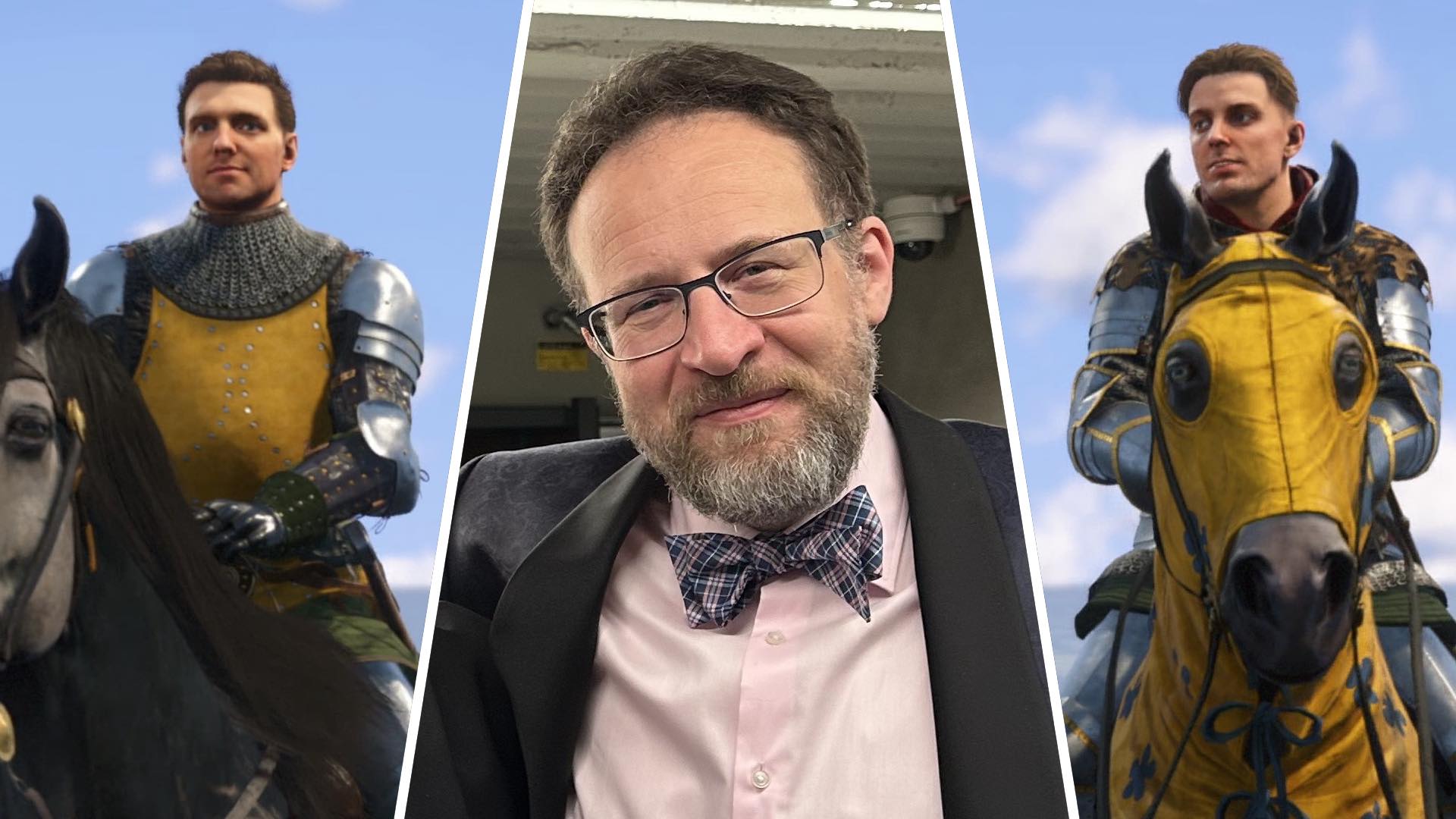
Martin Klíma is a man defined by paradoxes. As the co-founder of Warhorse Studios, he is the architect behind Kingdom Come: Deliverance—a title that defies modern industry trends by prioritizing punishing historical accuracy over accessibility. Yet, to understand the man, one must look beyond the boardroom and the digital battlefield. Klíma is a survivor of the Eastern Bloc’s collapse, a former student activist who helped topple a regime, and a visionary who navigated the transition from underground zine-writing to AAA game development. As Warhorse Studios celebrates its 15th anniversary, Klíma’s trajectory offers a profound lens through which to view the past, present, and uncertain future of the gaming industry.
A Childhood Shaped by "Actually Existing Socialism"
In the 1980s, Czechoslovakia was a country behind the Iron Curtain, governed by the stifling reality of "actually existing socialism." For a young Martin Klíma, the desire to escape this reality manifested through a fascination with Western fantasy literature.
English language education at the time was bizarrely constrained; students were forced to learn from materials imported from "friendly" nations. "I mean no disrespect to the people of Ghana," Klíma notes, referencing the limited educational imports available, "but it’s a bit of an unusual approach to teaching kids English, and so our vocabulary was more about combine harvesters and blast furnaces than swords and dwarves."
His true obsession was J.R.R. Tolkien. While The Hobbit had seen an official local release, The Lord of the Rings remained an illicit treasure. In 1987, Klíma finally secured a smuggled copy. Unable to fully parse the complex English text, he was forced to teach himself the language—a pivotal moment that directly facilitated his future career. "The very fact that we can talk to each other right now is because of J.R.R. Tolkien," he reflects.
Soon after, Klíma stumbled upon another forbidden fruit: a Dungeons & Dragons Basic Set. The concept of role-playing—the agency to inhabit another life and influence a narrative—was a revelation. He and his then-girlfriend (now his wife) began translating the manual, intending to distribute it via underground printing presses. It was a risky, clandestine operation, mirroring the subversive work he was already doing by smuggling sci-fi literature into student fanzines.
The Velvet Revolution and the Path to Gaming
Klíma’s extracurricular activities were not limited to tabletop gaming. As a student at the University of Prague, he became a key organizer for Stuha, an independent student union. What began as a local petition to save campus buildings from demolition soon morphed into a political lightning rod.

By November 1989, the political climate had shifted. Inspired by Mikhail Gorbachev’s policies of reform, Klíma and his peers organized a demonstration on International Students’ Day, marking the 50th anniversary of Nazi repression of Czech universities.
"It seemed like, if you make a student demonstration on the 50th anniversary of these events, then you must be very safe," Klíma recalls, "because no regime would be so stupid as to fight students, exposing itself to this very obvious comparison to Nazi Germany."
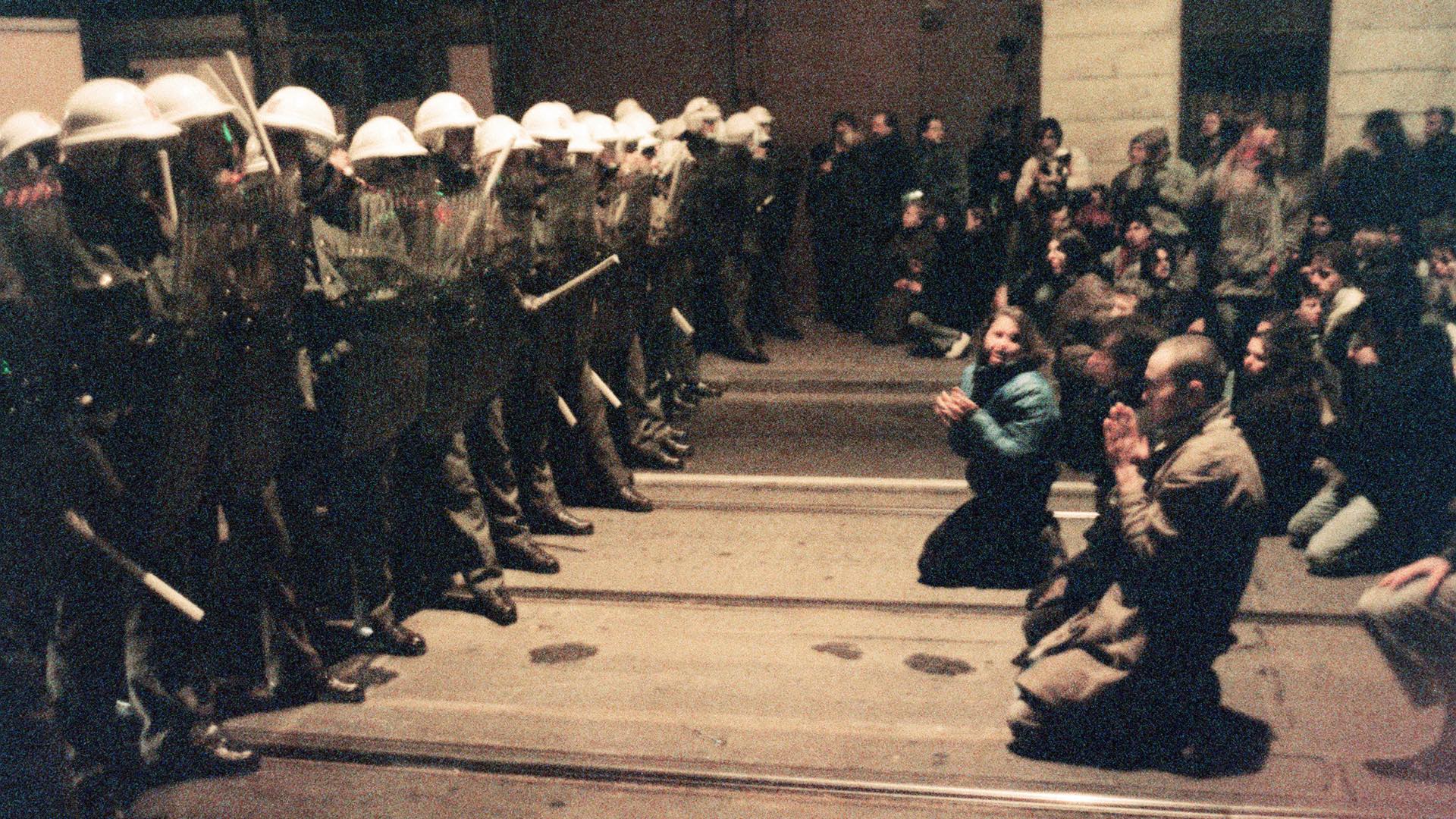
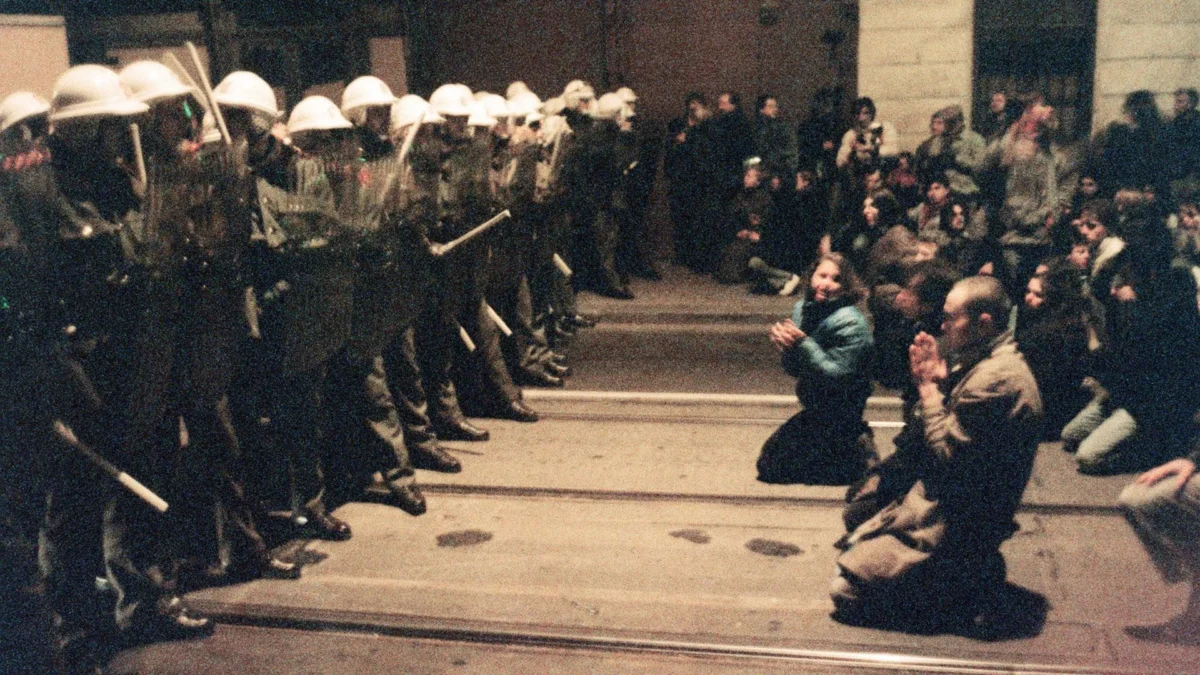
The regime proved to be exactly that short-sighted. The violent police crackdown against the students served as the catalyst for the Velvet Revolution. Within weeks, a general strike paralyzed the country, and by late December, Václav Havel was installed as President of Czechoslovakia. Klíma had helped topple a government, but his focus soon shifted back to the dice-rolling fantasies that had captivated his youth.
From Hobbyist to Studio Co-Founder
The post-1989 landscape offered new freedoms, but the path to professional game development remained rocky. Klíma’s initial attempts to officially license D&D from TSR were met with silence. "Maybe they thought it was a crazy idea. ‘Why would some communist kids want to play D&D?’"

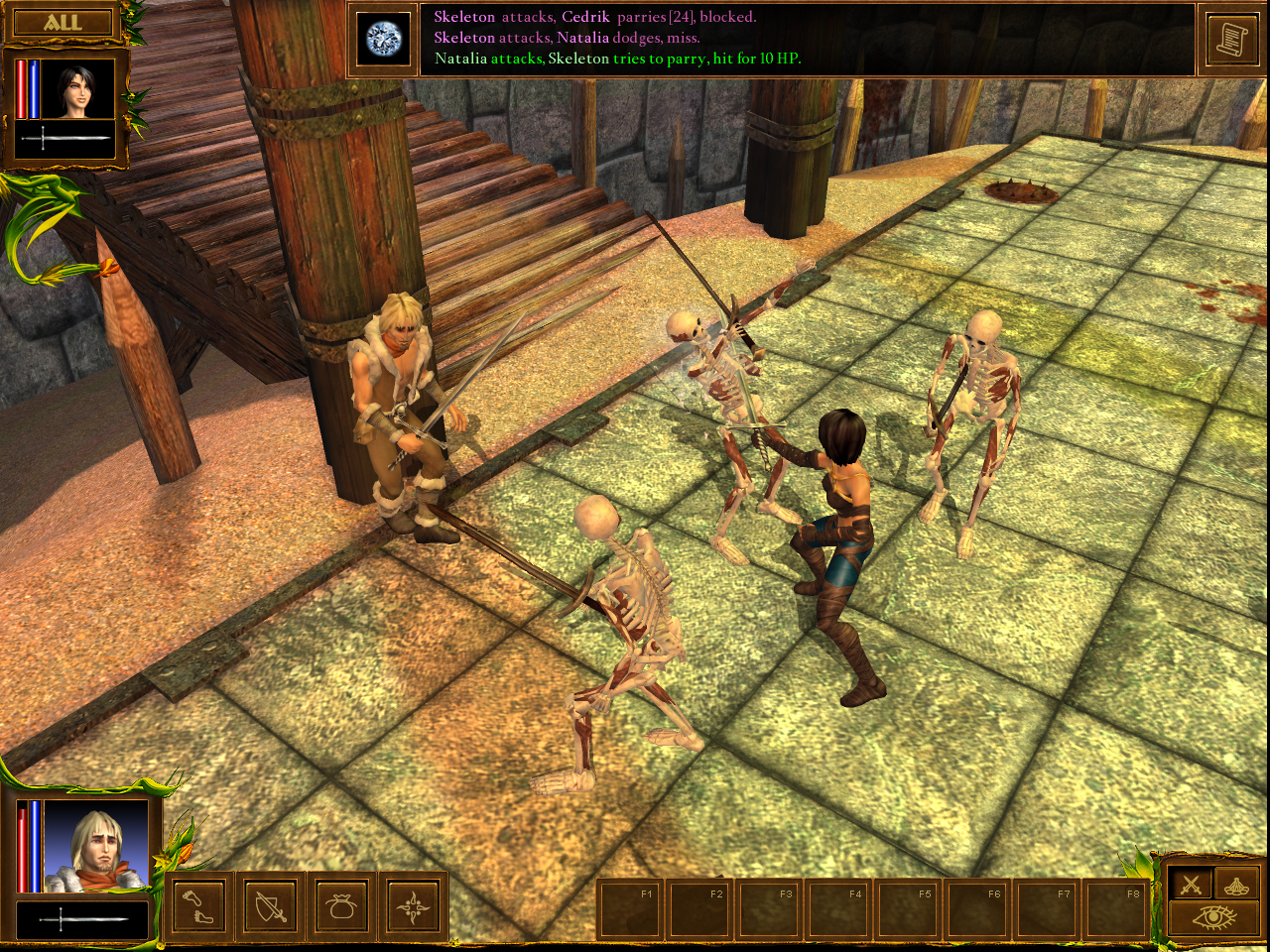
Undeterred, Klíma and his team created their own system, Dračí doupě (Dragon’s Lair). It became a massive success in the Czech Republic, serving as the "rain in a desert" for local gamers. This success eventually led him into computer game development with titles like Original War and UFO: Aftermath. However, the industry was volatile. A major project, Vision, was abandoned by publisher CDV Software after the managing director who signed the contract departed.
Following a stint at Bohemia Interactive and Codemasters, Klíma was approached by Viktor Bocan. Bocan introduced him to Daniel Vávra, who possessed an ambitious, uncompromising vision for a realistic, 15th-century Bohemian RPG. The two found common ground, and in 2011, Warhorse Studios was born.
The Struggle for Kingdom Come
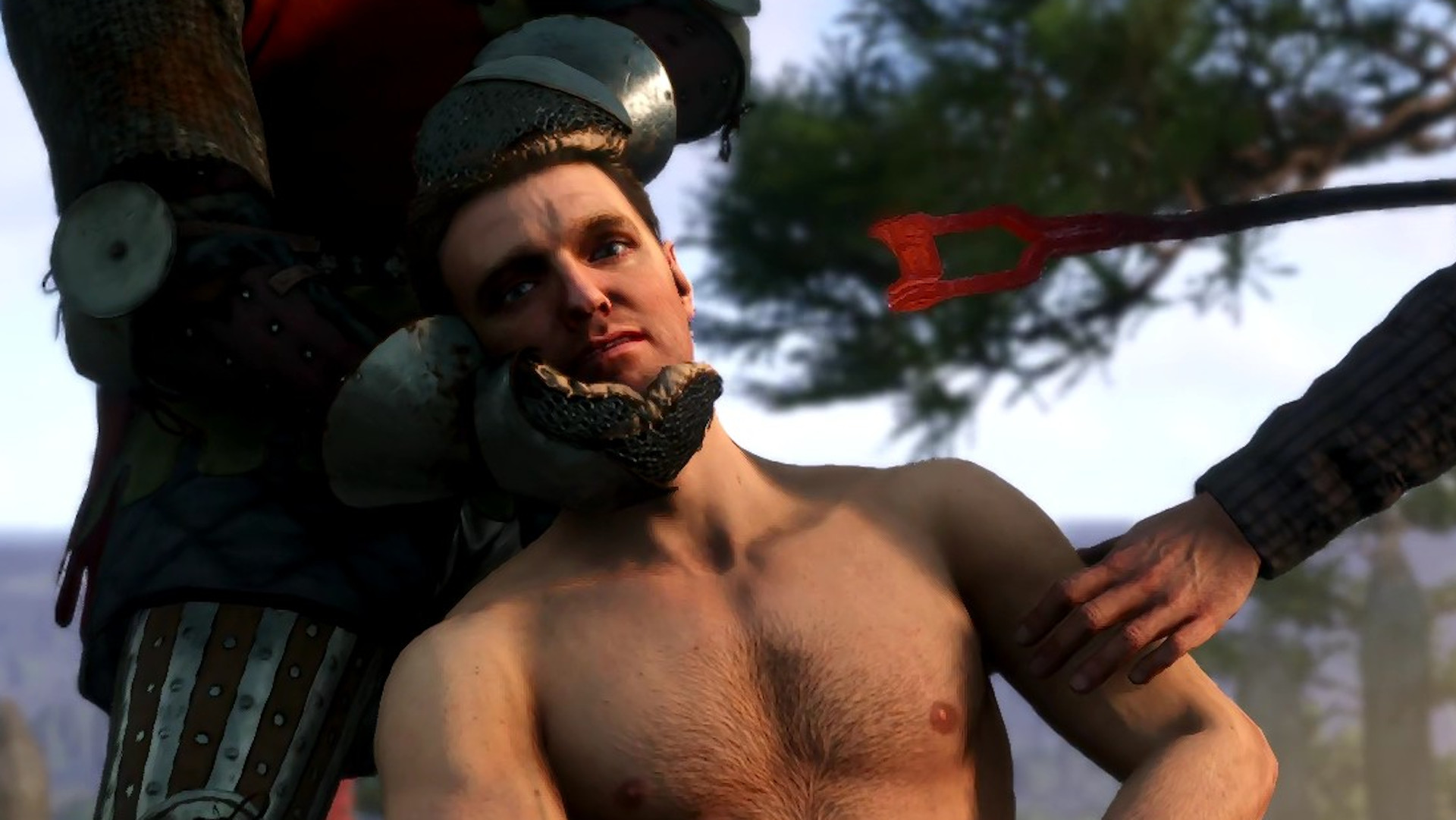
Securing funding for Kingdom Come: Deliverance was a Herculean task. "It took us two years to find an investor," Klíma admits. The industry was—and remains—averse to high-risk, unconventional IPs. Even after securing backing from venture capitalist Zdeněk Bakala, the team hit a wall with major publishers who were unwilling to bet on a "grown-up" RPG that forced players to learn historical combat and social etiquette.
The turning point was Kickstarter. The support of over 35,000 backers provided the necessary capital and, more importantly, the validation that a market existed for a game where the protagonist is not a "chosen one" destined to save the world, but an ordinary person navigating a brutal, grounded reality.

The Future: LOTR and the Industry’s "RAMpocalypse"
Today, Warhorse is a two-game studio, split between a new Kingdom Come adventure and a highly anticipated project set in Tolkien’s Middle-earth. This expansion marks a full circle for Klíma, returning to the very source material that taught him English in the 1980s.
However, Klíma views the current state of the gaming industry with a sense of trepidation. He identifies a dangerous trend: as game technology and production budgets skyrocket, the industry has reached a growth ceiling. "You throw more people on the job, and that makes the games more expensive… If the game is more expensive, it needs to sell more units."

He believes the market is saturated and that the industry’s reliance on constant growth is unsustainable. He suggests that the inevitable move will be toward outsourcing production to lower-cost regions like India, China, and Eastern Europe, a shift that spells trouble for traditional development hubs in North America and Western Europe.
Regarding the industry’s current obsession with AI, Klíma is dismissive of the "simplified" executive view. He argues that AI is not a magic wand to slash payrolls. "This is not a ‘get out of jail free’ card. It will not reduce the cost of the game, but it will allow us to create bigger games for the same cost." He believes that as soon as AI makes a 1,000-person-equivalent game possible, that will become the new baseline expectation for players, effectively keeping the industry on its current, high-pressure treadmill.
Implications for a New Era
Martin Klíma’s career is a testament to the idea that necessity breeds innovation. From translating rulebooks in the shadow of a totalitarian state to managing a multi-project studio in a volatile global market, his approach has always been characterized by a refusal to accept the status quo.
As Warhorse Studios moves into its next phase, the lessons Klíma has learned—the importance of a unique creative vision, the power of direct community engagement, and a healthy skepticism of corporate "silver bullets"—will be tested more than ever. Whether the industry manages to navigate its current crisis or continues to succumb to the demands of ever-increasing scale remains to be seen. For Klíma, however, the mission remains the same as it was in 1989: to do the work, challenge the establishment, and tell stories that matter, even when the rest of the world thinks they aren’t worth the risk.

