

In the high-stakes world of action-RPGs, the line between "challenging" and "broken" is often defined by the player’s ability to overcome a hurdle through skill and observation. However, for those currently navigating the dark, blood-soaked corridors of The Blood of Dawnwalker, that line has become dangerously blurred. As players attempt to progress through the game’s demanding combat encounters, a recurring technical failure—specifically during the boss fight against the formidable Boyar Bakir—has transformed from a simple bug into a cautionary tale about the limits of player persistence.
The Anatomy of a Boss Fight: Mastering the Mechanics
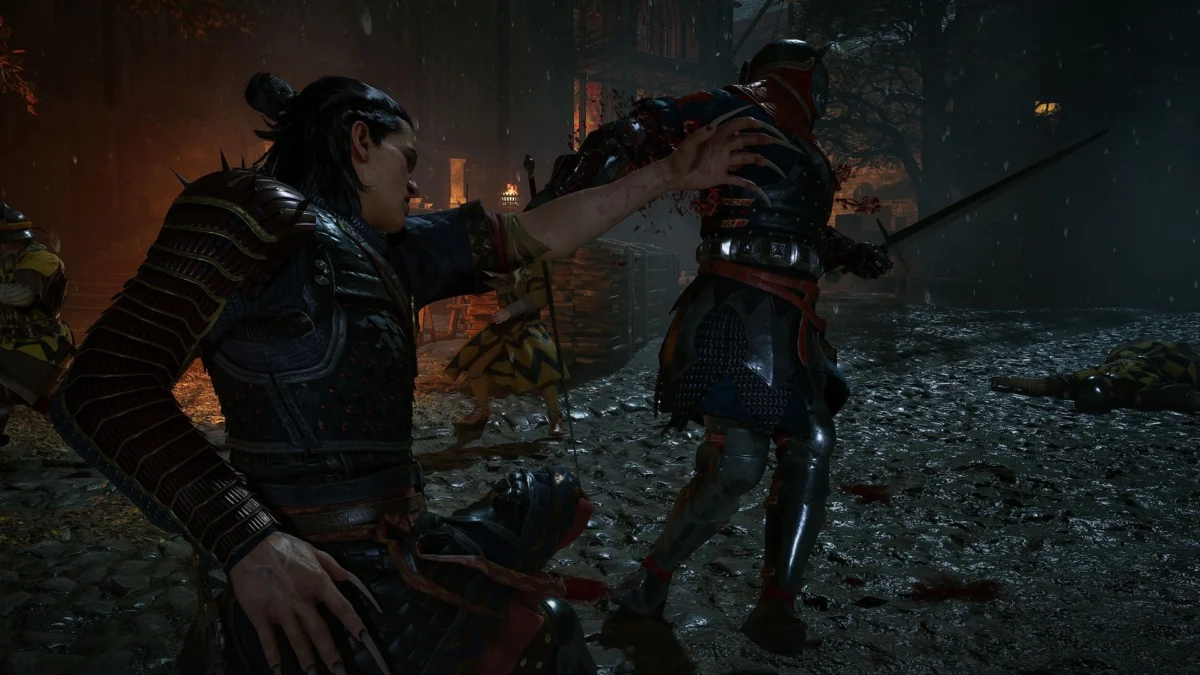
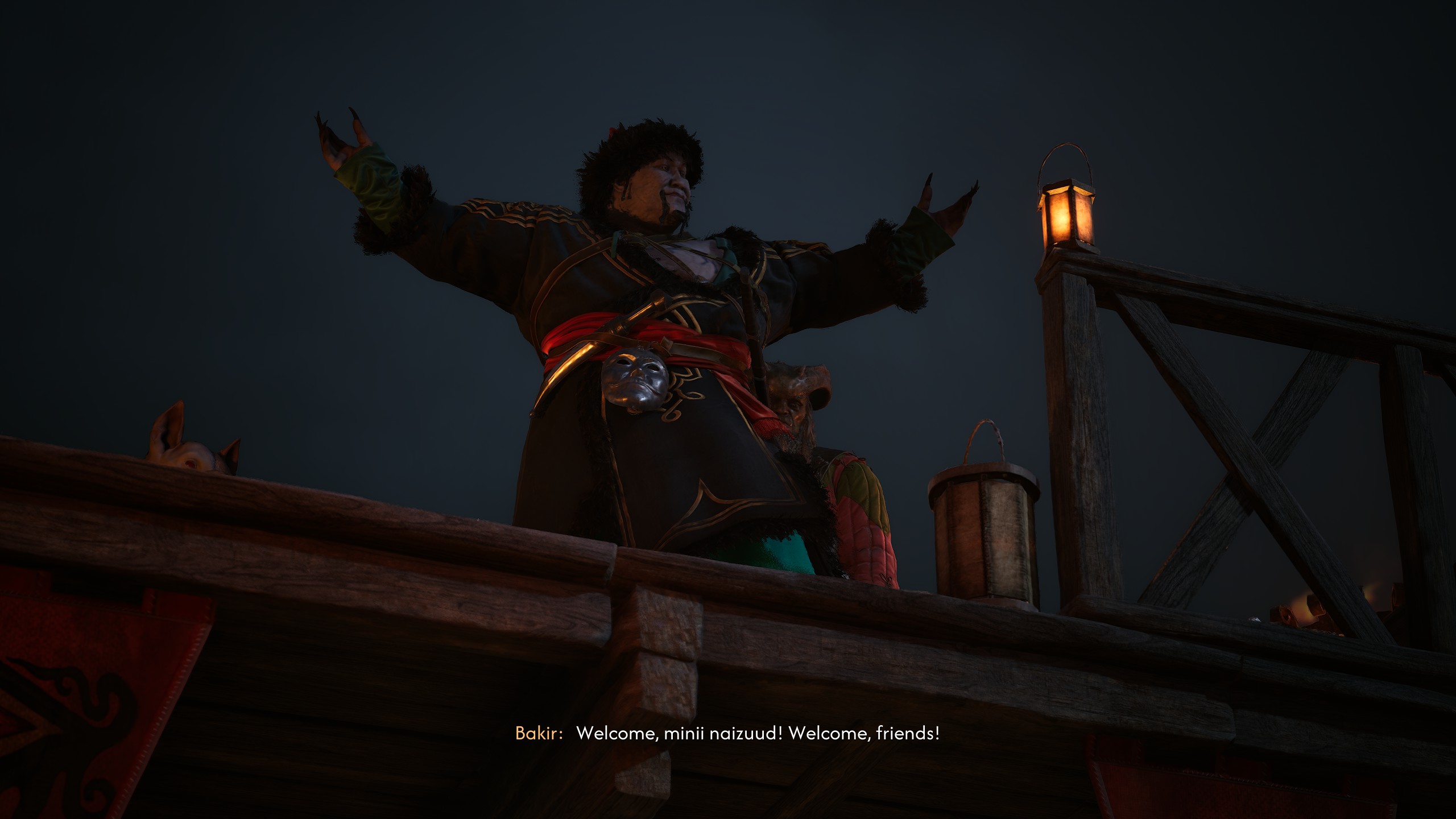
For the uninitiated, the encounter with Boyar Bakir at the Lunar Games serves as a pivotal skill check. As the protagonist, Coen of Laslea, players are forced into a combat scenario that strips them of their usual gear, requiring them to rely entirely on mechanical mastery, environmental awareness, and a repertoire of vampiric abilities.
The fight is a rhythmic dance of death. Bakir’s combat style is aggressive and multifaceted, utilizing a combination of telegraphed spells, brutal physical strikes, and unblockable roundhouse kicks. The encounter is divided into three distinct health phases, each escalating in intensity. The first phase requires the player to navigate a series of ground-shaking shockwaves. By observing Bakir’s movements, a skilled player can identify the window of vulnerability when the boss pauses to solicit applause from the invisible crowd, allowing for a swift shadowstep counter-attack.
The second phase introduces the "blood-birds"—a projectile attack that tests the player’s dodging timing. The final phase is where the encounter turns lethal, with Bakir utilizing a devastating Area of Effect (AOE) eruption of blood that can stun and incapacitate the player instantly. For the average gamer, the fight is a triumph of design; for those caught in the current technical storm, it is a recurring nightmare of wasted effort.
A Chronology of Frustration: The Loop of Failure
The technical issues plaguing The Blood of Dawnwalker on PC and Xbox Series S appear to center on a critical failure in shader loading during the transition from the post-combat cutscene to the subsequent narrative sequence.
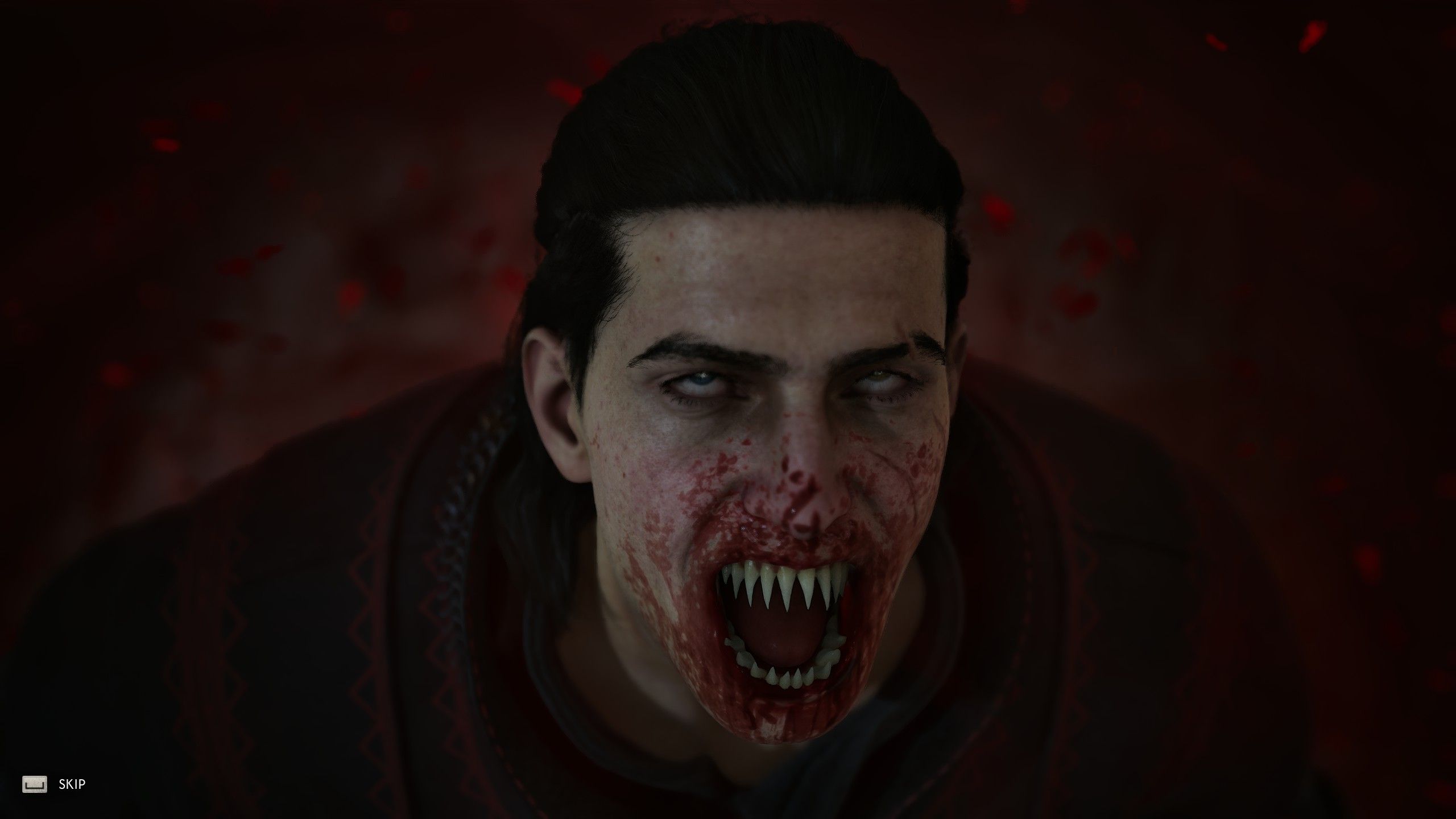
My own experience with the encounter has been a masterclass in futility. After securing victory for the 13th time, the same result persists: as the player chooses to "bite" the defeated Bakir to conclude the encounter, the game attempts to trigger a narrative transition—reminiscent of the cinematic dialogue sequences found in titles like Assassin’s Creed—and immediately crashes to the system dashboard.
The lack of an autosave feature compounds this frustration. Because the game does not save progress between the initial defeat of Bakir’s subordinates and the final confrontation with the Boyar himself, every crash mandates a full replay of the entire segment. This creates an exhausting loop: clear the lackeys, loot the bodies for health potions, memorize the boss’s patterns, secure the win, and watch the game collapse.
The Psychology of the "Stubborn Player"
Why continue to play after the first, second, or fifth crash? The phenomenon is rooted in a specific brand of "perfectionist" gaming culture. Many players who gravitate toward high-difficulty action games possess a conviction that they are "different"—that they can outmaneuver even the most unfair game design.
This psychological drive serves as a double-edged sword. While it pushes players to master complex combat systems, it also blinds them to objective technical realities. When faced with a crash, the immediate reaction is often to assume the player has missed a trigger or performed an action incorrectly. It is an act of denial: The game isn’t broken; I just need to perform the sequence differently.
However, as forum reports and community feedback now confirm, this is not a user error. It is a systematic failure in the game’s code that no amount of reflex or "willpower" can rectify. The realization that one’s "special" skill set is irrelevant against a software bug is a humbling—and infuriating—moment in any gamer’s journey.
Supporting Data and Community Sentiment
A cursory review of community forums, social media channels, and support tickets reveals that this is not an isolated incident. The "Lunar Games" crash is widely cited as one of the most significant technical blockers currently preventing players from reaching the game’s second act.
Technical analysis from community members suggests that the crash is tied to a "critical shader loading failure." Essentially, when the game attempts to load the assets for the post-fight cutscene, the engine fails to reconcile the environmental data from the boss arena with the requirements of the new scene, resulting in a hard crash.
While some players have attempted to circumvent the issue by reloading earlier save states or altering in-game graphic settings, these workarounds have proven largely ineffective. The consensus among the community is clear: the issue is deeply embedded in the game’s current build and requires a formal patch from the developers, Rebel Wolves.
Official Responses and Developer Transparency
As of this writing, Rebel Wolves has acknowledged that they are aware of "stability issues" affecting specific story-critical encounters on both PC and console platforms. While the developers have not released a comprehensive list of known bugs, their recent communication on social media platforms hints at an upcoming hotfix aimed at addressing "transitional loading errors."
Industry experts suggest that such issues are common in the modern era of "Day One" patches, where developers often rely on post-launch feedback to identify hardware-specific conflicts that may not have appeared during internal QA testing. However, for a player base that has invested dozens of hours into The Blood of Dawnwalker, the promise of a future fix provides little comfort for the lost progress of the present.
Implications for the Future of the Title
The situation surrounding The Blood of Dawnwalker serves as a pertinent case study in the relationship between developers and their audience. When a game features high-difficulty, high-reward combat, it demands a high level of technical stability. When that stability is compromised, the very features that make the game rewarding—its precision combat and intense boss fights—become liabilities.
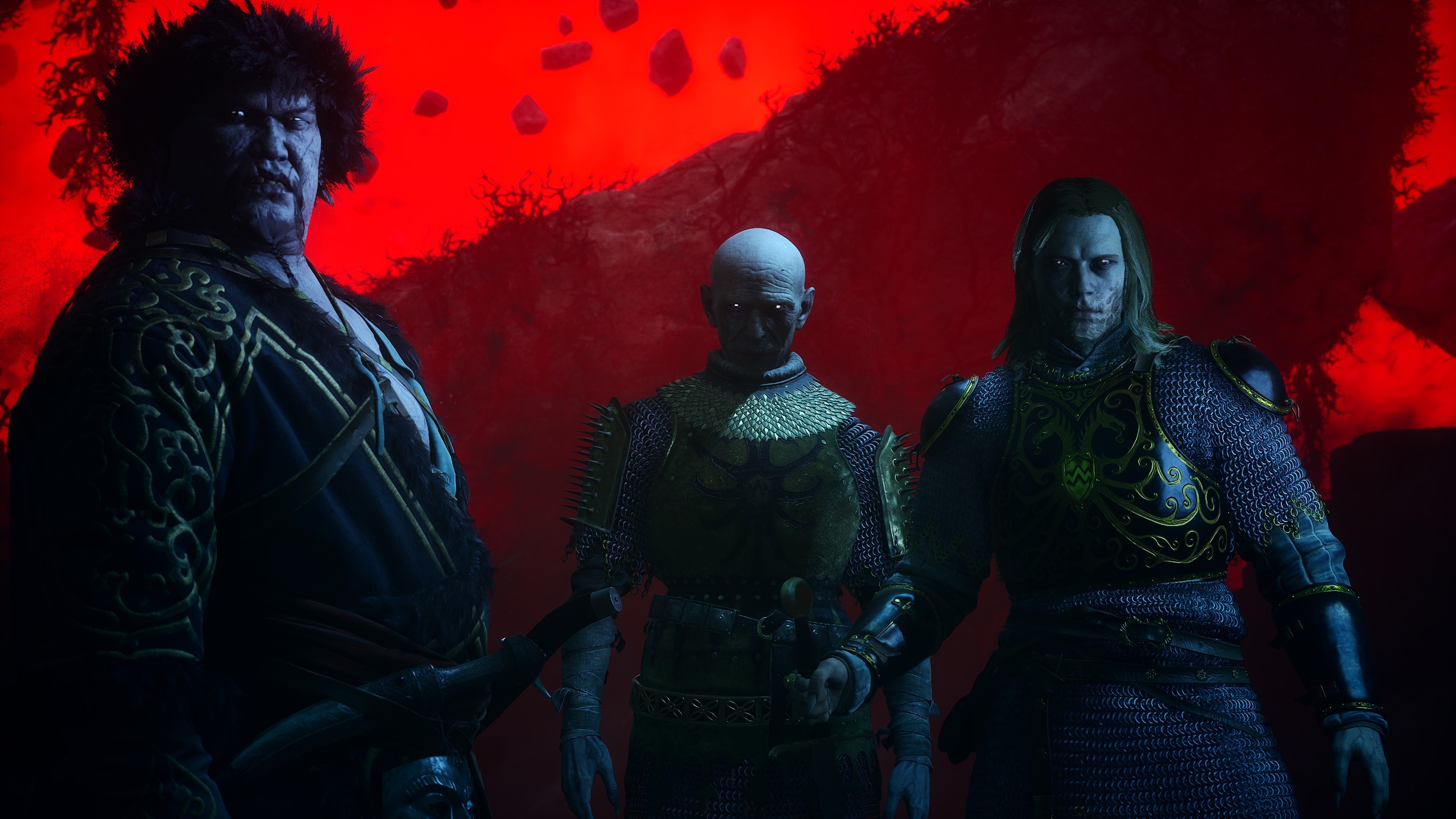
If the developer fails to provide a timely fix, the implication for The Blood of Dawnwalker is a loss of momentum. Players who hit a "brick wall" of technical errors are statistically more likely to abandon a game entirely than to wait for a patch that may take weeks to arrive.
For the "perfectionist" player, the lesson is perhaps more personal: there is no shame in walking away. The "hard mode" is not always the boss fight itself; sometimes, it is the wisdom to recognize when a game is simply not ready to be played. As I close my session for the 13th time, the lesson is clear: until Rebel Wolves addresses the instability, the only winning move is to step away from the keyboard and leave the Boyar in his broken, buggy arena.
The Dawnwalker will return, but only when the code allows for the victory that the player has already earned a dozen times over. Until then, the cycle of the "crash-out" remains the most difficult—and unavoidable—boss of them all.

