

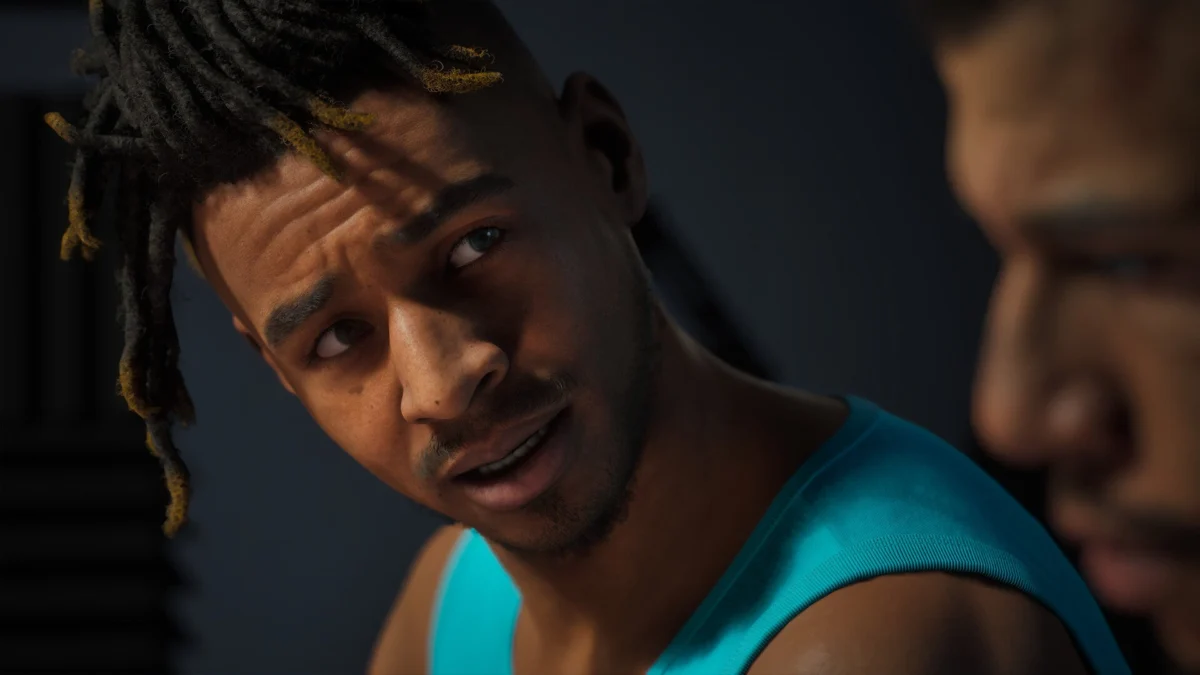
The video game industry is no stranger to volatility, yet few recent stories carry the weight and complexity of Build A Rocket Boy’s precipitous decline. Founded by Leslie Benzies, a visionary credited with the monumental success of the Grand Theft Auto franchise, the studio promised a paradigm shift in interactive entertainment. However, following a series of disastrous product launches, internal strife, and mounting legal battles, the company has officially appointed administrators, confirming its insolvency.
The appointment of the Opus Advisory Group to oversee the administration process marks the final chapter for a studio that once stood at the vanguard of independent game development. With millions in debt and a fractured internal culture, the firm has effectively ceased operations as a going concern, leaving behind a legacy marred by allegations of corporate paranoia and systemic management failure.
The Financial Precipice: A Timeline of Decline
The trajectory of Build A Rocket Boy is one of rapid ascent followed by an equally dramatic descent. Founded in 2016, the studio initially captured the imagination of the industry, securing massive capital injections from heavyweights such as NetEase Games, RedBird Capital Partners, and Galaxy Interactive.
However, the financial reality behind the scenes stood in stark contrast to the studio’s ambitious public persona. According to the most recent financial disclosures covering the fiscal year ending September 30, 2025, the studio reported a staggering operating loss of £47.5 million, with a net loss of £36.2 million. By that date, the company’s total debt to creditors reached a daunting £61.8 million.
The Chronology of a Crisis
- 2016: Build A Rocket Boy is founded by Leslie Benzies, generating significant hype due to his pedigree at Rockstar North.
- June 4, 2025: MindsEye launches to a lukewarm critical reception and widespread audience disappointment. The project fails to meet commercial expectations.
- July 2025: Facing a cash flow crisis, the studio issues redundancy notices to approximately 300 staff members.
- October 2025: The IWGB Game Workers union initiates legal action against the company, citing a mishandled redundancy process.
- Early 2026: Management implements Teramind monitoring software on employee machines, leading to claims of invasive surveillance and privacy violations.
- March 2026: Further layoffs are announced, accompanied by unsubstantiated claims from leadership regarding "organized espionage and corporate sabotage."
- April 2026: The release of the "Blacklisted" update for MindsEye serves as a final, unsuccessful attempt to pivot the game’s fortunes.
- Summer 2026: Directors from major investors—NetEase, RedBird, and Galaxy—are removed from the board, signaling a total loss of institutional confidence.
- September 2026: A final wave of layoffs occurs, preceding the formal appointment of administrators in late 2026.
The "Sabotage" Narrative vs. Reality
As the company’s fortunes waned, the tone of communication from co-CEOs Leslie Benzies and Mark Gerhard shifted from optimistic to increasingly erratic. Throughout 2026, the leadership duo repeatedly claimed that the studio was the victim of a sophisticated, externally funded campaign of sabotage.
Mark Gerhard alleged that an unnamed "very big American company" had spent over €1 million on illicit activities to undermine MindsEye. These claims were never backed by public evidence, yet they served as the justification for the installation of Teramind, a controversial monitoring suite that tracks keystrokes, screen activity, and employee productivity in real-time.
This decision proved to be a catastrophic miscalculation. The move prompted a second wave of legal action from the IWGB union, this time regarding data privacy violations. Employees, already demoralized by repeated layoffs and the failure of their flagship title, found the culture of surveillance to be the final breaking point.
Internal Culture and the Erosion of Trust
The collapse of Build A Rocket Boy was not merely a financial failure; it was a total breakdown of human capital. Former employees interviewed following the release of MindsEye painted a picture of a studio governed by fear rather than creativity.
"I don’t think BARB survives this crisis," one former staffer told GamesIndustry.biz. "I believe the end is coming for BARB, and it’s not heralded by saboteurs, but by Mark and Leslie themselves."
The disconnect between the leadership’s perception of "external threats" and the staff’s experience of "internal mismanagement" highlights a common failure in modern tech startups: the inability to pivot once the original vision proves unviable. When MindsEye failed to connect with its audience, the leadership did not recalibrate; they doubled down, blaming the workforce and external competitors, thereby accelerating the loss of talent and institutional support.
Implications for the Gaming Industry
The insolvency of Build A Rocket Boy serves as a cautionary tale for the games industry, particularly for high-budget, independent studios reliant on venture capital.
- Investor Accountability: The exit of directors from NetEase, RedBird, and Galaxy Interactive in the summer of 2026 demonstrates that even high-profile investors have a threshold for chaos. The removal of these board members effectively signaled that the "smart money" had abandoned the ship, leaving the company without a path to refinancing.
- The Risks of "Visionary" Management: The cult of personality surrounding Rockstar veterans often grants founders significant latitude. In this case, that latitude allowed for the unchecked growth of a toxic corporate culture that prioritized surveillance over sustainable development.
- Labor Rights and Unions: The involvement of the IWGB union signifies a growing trend in the gaming sector. Employees are increasingly willing to challenge management not just on pay, but on data privacy and the ethical treatment of redundant staff. The legal precedents set by the Build A Rocket Boy case regarding data surveillance will likely influence future labor disputes in the tech and gaming sectors.
Conclusion: A Cautionary Legacy
As Opus Advisory Group begins the complex process of liquidating assets and settling debts, the industry is left to reflect on what could have been. MindsEye was intended to be a platform that redefined the boundaries of player agency and virtual worlds. Instead, it became a symbol of how quickly a well-funded studio can evaporate when it loses sight of its core mission and the people responsible for executing it.
For the developers who remain, the focus now shifts to the inevitable fallout: the distribution of remaining funds, the finalization of legal battles, and the search for new employment in a market that is currently wary of large-scale, high-risk projects. The story of Build A Rocket Boy is closed, but the questions it raises about leadership, corporate surveillance, and the fragility of independent gaming will resonate for years to come.

