

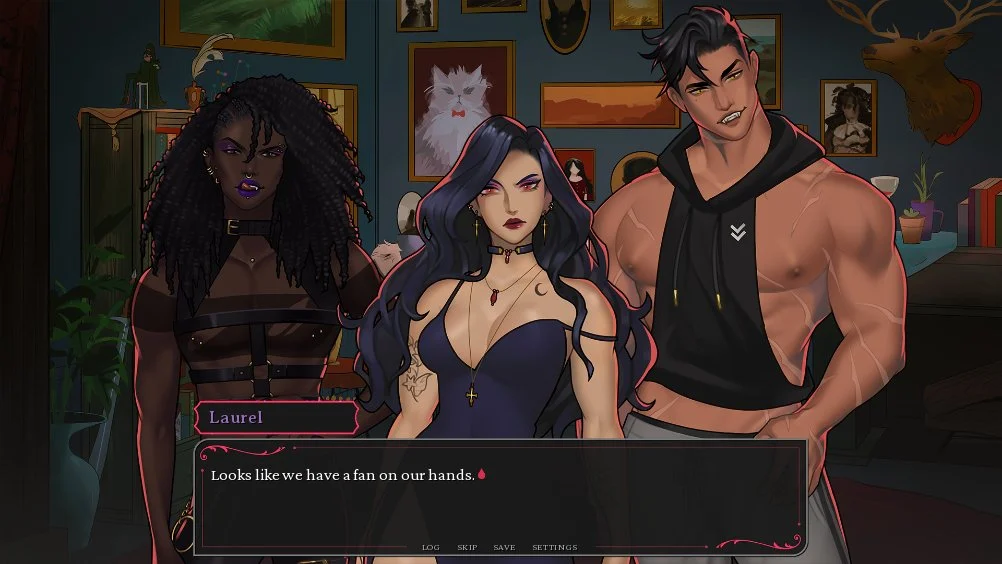
In the sprawling, often saturated landscape of independent visual novels, few titles manage to capture the specific intersection of horror, comedy, and romance with the effortless charisma of First Bite. Released to the indie community, this title has carved out a dedicated niche by subverting the traditional "damsel in distress" tropes of vampire fiction, replacing them with a narrative that is as self-aware as it is perilous.
At its core, First Bite is a testament to the enduring appeal of interactive fiction. As players navigate the life of Noe, an amateur cryptid hunter, they are thrust into a high-stakes social environment where the margin for error is razor-thin—and the penalty for failure is usually a quick, gruesome demise.
Main Facts: The Premise of Paranormal Romance
The narrative setup of First Bite is deceptively simple, echoing the classic "fish out of water" trope. The player assumes the role of Noe, an individual whose life is defined by the obsessive pursuit of the paranormal. This obsession eventually leads Noe to the doorstep of a seemingly abandoned residence, only to discover that the inhabitants are far from deceased—or, at least, not in the traditional sense.
The house is occupied by three vampires, each boasting a distinct personality and a hunger that isn’t strictly limited to blood. Upon entering, Noe is immediately identified as an intruder, not through high-tech security systems, but through the primal, visceral sense of smell. The realization that they are currently being viewed as a "late-night snack" serves as the primary conflict of the game.
The gameplay loop revolves around navigating these social minefields. Players must balance their own survival instincts with the temptation to engage romantically—or at least cordially—with their captors. With a script that leans heavily into meta-humor, internet culture, and character-driven banter, the game manages to be both a legitimate romantic simulation and a survival horror experience where the "horror" is often punctuated by a sharp, witty punchline.
Chronology: From Concept to Cultural Curiosity
The development cycle of First Bite is indicative of the "indie-first" approach that has defined platforms like itch.io. While the game gained significant traction in late 2021, its development path mirrors that of many successful small-team projects:
- Conception and Design: The development team focused on creating a tone that felt "thirsty"—a term that has become synonymous with the game’s marketing—balancing the dark, brooding nature of vampire lore with the levity of a modern dark comedy.
- The "First Bite" Alpha/Beta Phase: Early testing focused on refining the character dynamics. The writers prioritized the "choice-heavy" nature of the game, ensuring that every interaction felt meaningful and every death felt earned.
- The December 2021 Launch: The game saw a surge in visibility during the winter season of 2021. Its release was marked by a community-driven marketing push that relied heavily on word-of-mouth, memes, and the game’s own irreverent sense of humor.
- Post-Launch Reception: Following the initial release, the game received praise for its replayability. Players quickly realized that the "Game Over" screens were as much a part of the experience as the successful routes, leading to a culture of "save-scumming" that became a staple of the player community.
Supporting Data: Why Visual Novels Continue to Dominate Indie Spaces
To understand why First Bite resonates, one must look at the broader industry context. The visual novel (VN) genre has seen a massive resurgence in the West over the past decade. According to market analysts tracking indie storefronts, visual novels consistently rank in the top tiers for engagement time and community-generated content (such as fan art and fan fiction).
- Low Barrier to Entry, High Reward for Depth: Unlike AAA action titles, VNs allow small teams to punch above their weight class by focusing on high-quality writing and character design.
- The "Thirsty" Marketing Strategy: Titles like First Bite have leaned into the "thirsty" aesthetic—an unapologetic focus on character attraction and romantic tension. This strategy has proven highly effective in generating viral social media engagement.
- Player Agency: In First Bite, the "death" mechanic acts as a crucial feedback loop. By allowing the player to die frequently, the developers have successfully gamified the narrative, transforming it from a passive reading experience into an active strategic challenge.
Official Responses and Developer Intent
The developers of First Bite have maintained a consistent voice throughout their communications: one of playful subversion. In various discussions surrounding the game’s release, the team emphasized that the game was never intended to be a serious, brooding piece of gothic literature.

"The goal was to make something that was fun, a bit dangerous, and entirely aware of what it was," a representative for the development team noted during the initial launch period. By embracing the tropes of the vampire genre and then skewing them with modern, internet-savvy dialogue, the team successfully avoided the "cringe" factor that often plagues indie romantic VNs. They aimed for a balance where the player is invited to laugh at the situation even while they are actively trying to survive it.
Furthermore, the developers have been vocal about the importance of player feedback in shaping the "true" endings of the game. They have encouraged the community to share their "death" counts, treating the inevitable failures as a communal joke rather than a narrative shortcoming.
Implications: The Future of Irreverent Indie Fiction
The success of First Bite carries several implications for the future of the indie gaming scene:
The Shift Toward Niche-Specific Comedy
We are seeing a move away from generic "dating sims" toward highly specific, genre-bending titles. First Bite proves that players are looking for more than just a romantic interest; they are looking for a unique "vibe." Whether it is dark comedy, horror, or absurdism, the tighter the niche, the more loyal the player base.
The Gamification of Narrative Failure
Many narrative-driven games struggle with the concept of "losing." First Bite turns losing into a core feature. By making the "Game Over" screens amusing and part of the character interactions, the game removes the frustration of traditional failure. This is a design philosophy that more narrative games are beginning to adopt to keep players engaged throughout multiple playthroughs.
Sustaining Interest through Community Interaction
The "thirsty" marketing strategy utilized by the First Bite team highlights a shift in how indie games build community. By encouraging memes and self-aware discourse, developers can foster an environment where the players feel like co-conspirators in the game’s success. The game is not just a product to be consumed; it is a shared experience that thrives on the reactions of its audience.
Conclusion: A Worthy Addition to Your Library
First Bite stands as a masterclass in tone. It manages to balance the high stakes of supernatural horror with the low-stakes enjoyment of a witty, modern comedy. For those who enjoy visual novels that challenge them, reward their curiosity with well-written character arcs, and aren’t afraid to kill them off for a good punchline, it is a must-play.
As the industry continues to evolve, the lessons learned from First Bite—specifically the power of intentional writing and the effectiveness of leaning into a unique, albeit "thirsty," brand identity—will undoubtedly influence the next generation of indie developers. Whether you are a fan of cryptid hunting, vampire romance, or simply well-executed dark comedy, First Bite offers an experience that is as memorable as it is dangerous. Just remember: save often, because in this house, you’re not just the player—you’re the main course.

