

By: Global Sports & Entertainment Desk
Published: September 2026
Main Facts
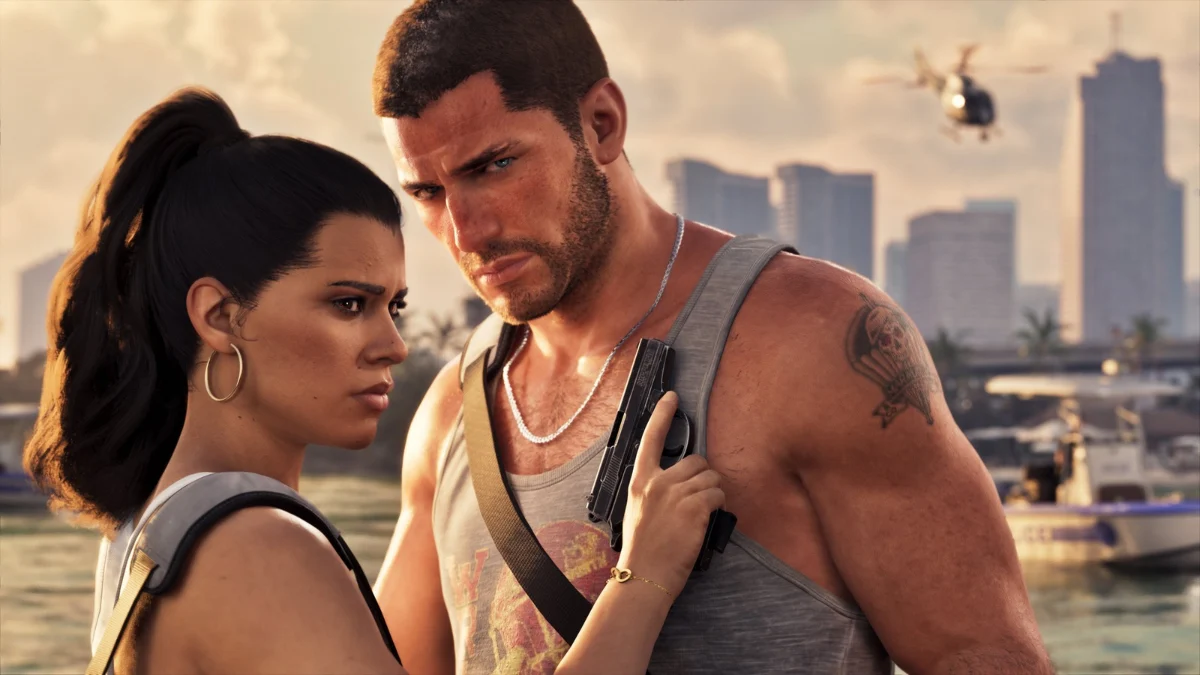
As the sports world gears up for another thrilling autumn of professional athletics, an unexpected competitor has entered the arena: Grand Theft Auto VI.
During a recent media day appearance, NBA veteran and famously unorthodox center Steven Adams offered a tongue-in-cheek yet deeply relatable prediction that has since sent shockwaves through the sports commentary ecosystem. According to Adams, the long-awaited arrival of Rockstar Games’ GTA 6—slated for November—will cause a noticeable, league-wide drop in performance across major American sports, specifically naming the NBA and the NFL.
Adams did not limit his playful warning to the players on the court or the gridiron. He went a step further, asserting that the distraction will permeate every level of professional organizations, predicting that coaching quality and scouting efficiency will also plummet during the game’s initial launch window.
While athletes are traditionally evaluated strictly on their physical conditioning, tactical execution, and mental fortitude during games, Adams’ remarks highlight a modern reality: elite professional athletes are also young adults with massive digital pastimes. With a staggering 13-year gap between GTA V (released in 2013) and the upcoming sequel, the cultural buildup surrounding GTA 6 is unprecedented. Adams’ thesis is simple: when the biggest entertainment launch in human history finally drops, even multi-million-dollar athletes are going to struggle to keep their eyes off the screen.
Chronology of a Cultural Phenomenon: The 13-Year Wait for GTA 6
To understand why Steven Adams believes a video game can temporarily disrupt the highest levels of professional sports, one must examine the staggering timeline of the Grand Theft Auto franchise.
- September 2013: Rockstar Games releases Grand Theft Auto V for the PlayStation 3 and Xbox 360. The title becomes an instant critical and commercial juggernaut, eventually spanning three console generations and selling over 200 million copies worldwide.
- 2014–2021: Throughout the late 2010s, GTA Online continues to print billions of dollars for Rockstar’s parent company, Take-Two Interactive, pushing the timeline for a single-player sequel further and further back. Fans begin to wonder if a mainline sequel will ever materialize.
- February 2022: Rockstar Games officially confirms that active development for the next entry in the franchise is well underway, sparking immense speculation across global media outlets.
- December 2023: The official Grand Theft Auto VI trailer drops, breaking internet records with hundreds of millions of views in mere days. The trailer confirms a return to the neon-drenched, satirical parody of Miami known as Vice City.
- September 2026: During NBA Media Day, Steven Adams delivers his viral warning regarding the upcoming November release window, turning the intersection of gaming and professional sports into a major talking point.
Supporting Data: The Intersection of Professional Sports and Gaming
While sports analysts traditionally rely on advanced metrics, player tracking data, injury reports, and tactical schemes to evaluate team performance, the modern athlete demographic tells a story heavily influenced by digital entertainment.
The vast majority of professional athletes in the NBA and NFL fall into the 18-to-35 age demographic—the exact core audience for high-budget video games. Over the past decade, gaming culture has become deeply intertwined with locker room culture. Countless NBA players have openly discussed their gaming habits, with stars regularly traveling with high-end gaming setups, participating in esports tournaments, and streaming on platforms like Twitch during the offseason.
Consider the sheer scale of GTA 6‘s anticipated release:
- Economic Impact: Industry analysts project GTA 6 to be the most lucrative entertainment launch in history, potentially generating billions of dollars within its first weekend alone.
- Time Investment: Open-world narrative games require dozens of hours to complete, with Grand Theft Auto titles traditionally offering hundreds of hours of side content, exploration, and multiplayer integration.
- The November Window: Historically, November is a grueling month for sports leagues. In the NBA, the 82-game regular season is fully underway with heavy travel schedules and back-to-back games. In the NFL, teams are entering the critical second half of the season where playoff races heat up.
When combining a grueling athletic schedule with an all-consuming cultural event like a new GTA release, Adams’ hypothesis that sleep schedules and film study might occasionally take a backseat to late-night gaming sessions becomes remarkably plausible.
Official Responses and Locker Room Reactions
Adams’ candid and humorous remarks quickly made the rounds on social media, sparking widespread debate among fans, sports media personalities, and fellow athletes.
During the media day scrum where the comments were made, reporters initially chuckled, assuming Adams was simply engaging in pre-season banter. However, as the center elaborated, his delivery remained characteristically deadpan, emphasizing the logistical reality of what happens when a generation of competitors gets their hands on a generational title.
"I will say: You guys should anticipate November," Adams stated in clips shared widely across platforms like X (formerly Twitter). "The performance of the league… league-wide. GTA is dropping. So look at NFL, look at all the leagues and watch them plummet, mate. Just for the month of November, performance is gonna go down."
While official league offices—such as the NBA and NFL front offices—have not formally responded to Adams’ gaming predictions, anonymous league insiders and players have privately echoed the sentiment with knowing smiles. In modern sports culture, video games are a primary bonding mechanism for teammates on the road. Charter flights, hotel rooms on away trips, and off-days are frequently filled with gaming sessions.
Adams even expanded his comedic warning to the analytical and coaching staff, adding: "Coaching as well, by the way. The coaching and scouts are gonna be horrendous, mate." The idea of grizzled veteran assistant coaches and sleep-deprived video coordinators sneaking in hours of Vice City exploration between scouting reports provided plenty of comedic fodder for sports talk shows.
Implications: Can a Video Game Really Affect Professional Sports?
Looking past the humor of Steven Adams’ viral prediction, the situation raises legitimate questions about the evolving nature of athlete lifestyle management, mental fatigue, and focus in professional sports.
1. The Challenge of Load Management and Athlete Recovery
In modern sports science, recovery is paramount. Teams spend millions of dollars on sleep tracking, cryotherapy, specialized nutrition, and physical therapy to ensure athletes can perform at peak efficiency. However, mental recovery—unplugging from the immense pressure of professional sports—is equally vital. For many athletes, video games serve as a healthy outlet to decompress. The irony, as Adams points out, is that a game as immersive and demanding as GTA 6 might actually disrupt sleep patterns rather than aid recovery, leading to the temporary dip in on-court sharpness he predicts.
2. The Resilience of Elite Competitors
Fortunately, Adams was quick to offer a reassuring caveat to his grim prediction: the dip will be temporary.
"It should come back up though, most of the boys will get it done, hopefully they finish the game," Adams noted with a laugh.
Professional athletes reach the pinnacle of their respective sports through hyper-competitive drives, discipline, and accountability. Even if the initial temptation of a new video game causes a brief distraction during the opening weeks of November, the stakes of professional sports—multi-million-dollar contracts, championship aspirations, and fan expectations—will inevitably pull players back into peak focus by December.
3. A Shift in Cultural Transparency
Adams’ comments also underscore a broader shift in how athletes interact with the media. Rather than offering sterile, rehearsed clichés about "taking it one game at a time" and "studying the playbook," players are increasingly willing to inject humor, personality, and relatable human truths into their media availability. Acknowledging that professional athletes are excited to play a video game humanizes them in the eyes of fans, bridging the gap between untouchable sports icons and everyday pop culture enthusiasts.
Conclusion
As November approaches, sports fans will undoubtedly watch the courts and fields with a newly minted lens. Will field goal percentages drop? Will defensive rotations slow down just a fraction of a second because a point guard stayed up until 3:00 AM exploring Vice City? Statistically, it is impossible to quantify. But thanks to Steven Adams, whenever an NBA player misses a wide-open layup or an NFL quarterback throws an uncharacteristic interception this November, fans and analysts alike will know who—or what—to jokingly blame.

