

By Tom’s Hardware News Desk
Published: October 2023
Main Facts
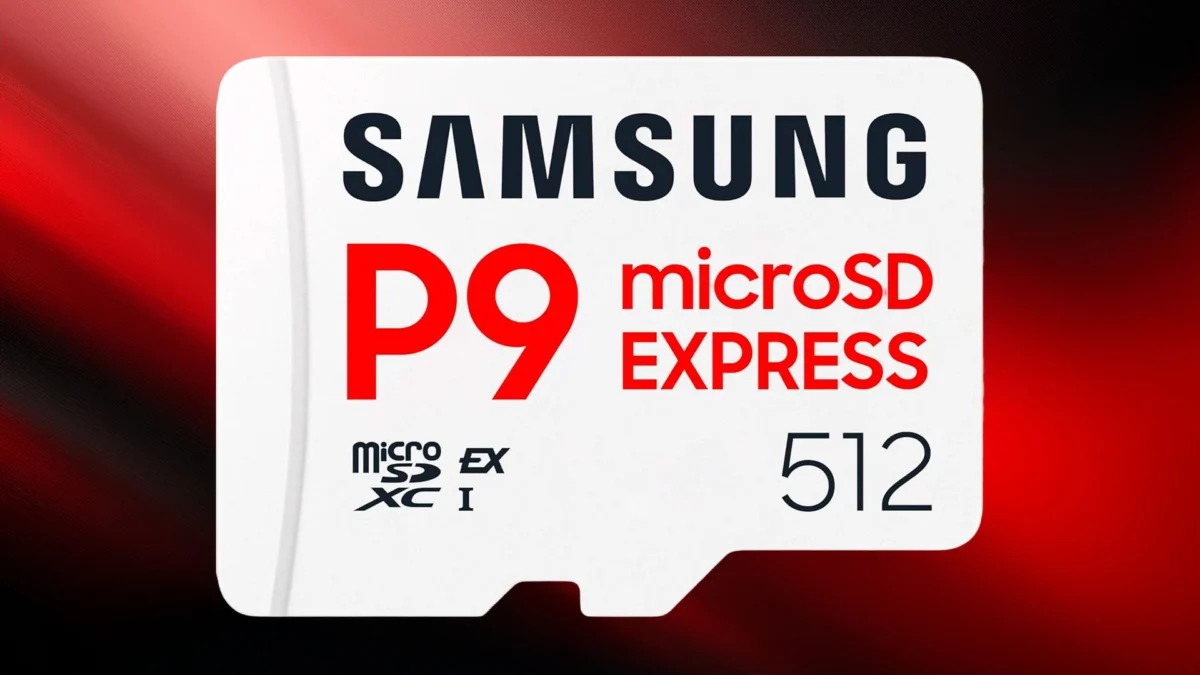
In an unexpected reprieve from a brutally volatile component market, consumers and gaming enthusiasts have been handed a rare financial break. Amid a sweeping global flash memory shortage that has steadily driven up prices for nearly all consumer-grade storage devices, the high-performance Samsung P9 512GB microSD Express card has plummeted back to its original Manufacturer’s Suggested Retail Price (MSRP) of $99.99.
For a limited time, Amazon is offering a direct $50 checkout discount on the high-speed storage medium. This brings the price down from its inflated going rate of $149.99, completely bypassing the steep inflation that has plagued the flash memory sector over the past several quarters.
While targeted heavily at enthusiasts looking to future-proof their portable hardware setups—specifically upcoming next-generation handheld ecosystems like the rumored Nintendo Switch 2—this price cut represents one of the very few instances where premium flash technology has defied broader market trends. The Samsung P9 combines blistering data transfer speeds with massive capacity, making it a benchmark product for mobile gaming and portable workstation storage. However, industry analysts warn that deals of this magnitude are likely to be short-lived as global manufacturing constraints continue to squeeze supply chains.
Chronology: The Road to the Flash Shortage and Today’s Price Drop
To fully understand the significance of a $99.99 price tag on a 512GB microSD Express card, it is necessary to examine the cascading events that transformed the semiconductor and flash storage markets over the last two years.
Late 2021 to 2022: Pandemic Aftershocks and Initial Overproduction
Following the initial disruptions of the global health crisis, major NAND flash manufacturers—including Samsung, SK Hynix, Micron, and Kioxia—ramped up production to meet a projected surge in consumer electronics demand. However, as global economies began cooling off and inflation dampened discretionary spending, the market experienced severe over-saturation. Flash memory prices plummeted to historic lows, forcing manufacturers to slash capital expenditures, idle fabrication plants (fabs), and cut production outputs to stabilize dropping revenues.
Throughout 2023: The Strategic Production Pullback
By mid-to-late 2023, the conscious decision by major foundries to throttle production began to bear fruit, but not without severe consequences for downstream buyers. As raw wafer output decreased and inventories normalized, unexpected spikes in enterprise demand—driven largely by the explosive growth of artificial intelligence (AI) infrastructure and hyperscale data centers—diverted critical silicon and manufacturing capacity away from consumer-grade storage products like microSD cards, USB drives, and standard solid-state drives (SSDs).
Early 2024 to Present: The Persistent Flash Crunch
By 2024, the consumer flash market entered a full-blown shortage phase. Prices for NAND-based products crept upward month-over-month. Retailers adjusted tags upward to reflect constrained wholesale supplies. Consumers accustomed to cheap, high-capacity storage found themselves paying a premium for even mid-tier components.
It is within this constrained economic landscape that Amazon’s newly launched promotion for the Samsung P9 512GB card stands out. By stripping away the $50 retail markup that had become standard during the shortage, the current discount effectively rolls back the clock on high-performance mobile storage pricing.
Supporting Data and Technical Specifications
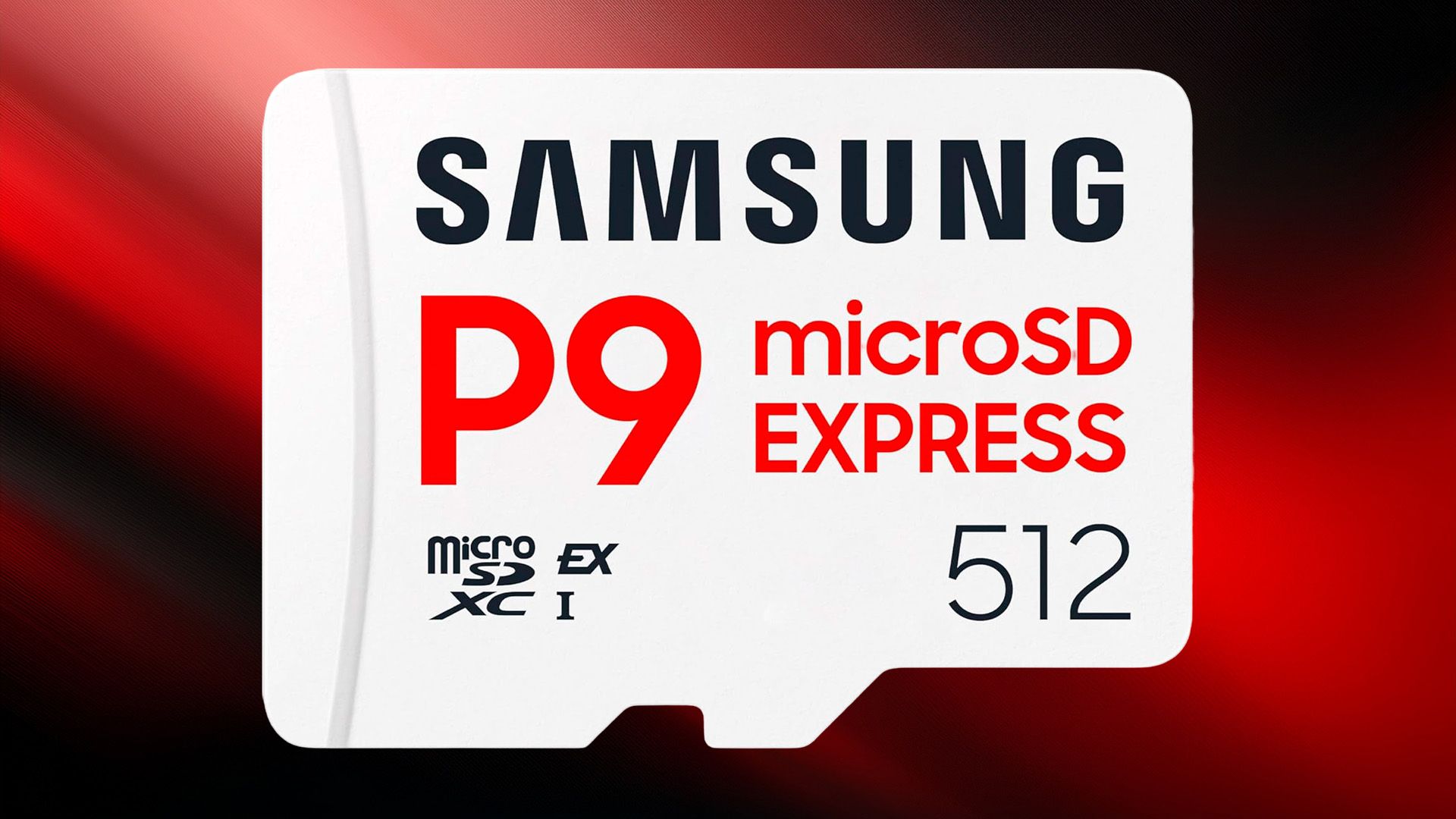
The Samsung P9 512GB microSD Express card is not your average budget flash card. Designed to bridge the performance gap between traditional mobile storage and full-fledged NVMe solid-state drives, the P9 leverages cutting-edge interface technologies to deliver desktop-class speeds in a thumbnail-sized form factor.
Technical Performance Breakdown
- Capacity: 512GB (ideal for storing dozens of modern AAA video games, high-resolution media libraries, and extensive application data).
- Interface: microSD Express (utilizing PCIe/NVMe protocols over traditional UHS-I/UHS-II bus architectures).
- Transfer Speeds: While standard microSD cards often top out around 100MB/s to 170MB/s, microSD Express cards are engineered to achieve multi-hundred-megabyte-per-second throughputs, closely mirroring entry-level PC NVMe SSD performance.
- Thermal and Durability Management: Equipped with Samsung’s advanced thermal guard technology to prevent thermal throttling during extended high-intensity data transfers, alongside enterprise-grade protections against water, extreme temperatures, X-rays, and magnetic fields.
Market Pricing Context
| Retailer / Status | Price Point | Notes |
|---|---|---|
| Standard MSRP (Launch) | $99.99 | Original introductory price set by Samsung. |
| Peak Shortage Pricing | $149.99 | Inflated market price due to NAND supply constraints. |
| Current Amazon Promo | $99.99 | Direct $50 checkout discount mirroring launch MSRP. |
The technical leap offered by microSD Express is particularly critical for upcoming hardware iterations. As portable gaming consoles demand faster asset streaming, quicker load times, and expansive storage pools, older storage standards quickly become severe bottlenecks.
Official Responses and Industry Perspectives
Major stakeholders across the consumer electronics and memory manufacturing sectors have weighed in on the ongoing state of the flash storage market, shedding light on why temporary deals like the Samsung P9 promotion are anomalies rather than signs of a broader market recovery.
A spokesperson for a leading global memory manufacturer, speaking on the condition of anonymity, noted the delicate balance currently governing fabrication plants:
"The allocation of silicon wafers is a zero-sum game right now. Enterprise server components and high-margin AI accelerators take precedence on our production lines. While we continue to supply the consumer sector, output volumes are strictly managed to prevent the margin-destroying oversupply situations we saw a couple of years ago. Consumers should expect price volatility to remain the norm for the foreseeable future."
Hardware analysts and independent reviewers, including components experts at Tom’s Hardware, have continuously monitored these shifts. In recent editorial breakdowns, hardware specialists have emphasized that while flash memory prices generally fluctuate seasonally, the structural supply adjustments made by the "Big Three" memory makers mean that deep discounts on high-end components are rare windows of opportunity.
Retail analysts tracking Amazon’s pricing algorithms suggest that the current $50 discount on the Samsung P9 512GB card may be tied to promotional inventory allocations secured months in advance, insulating this specific batch of stock from the immediate daily fluctuations of wholesale NAND spot prices. Once this designated inventory is depleted, retail observers expect the card to return to its standard $149.99 shortage pricing.
Implications for Consumers and the Portable Gaming Market
The convergence of rising flash memory costs, technological advancements in storage interfaces, and targeted retail promotions carries significant implications for everyday consumers, tech enthusiasts, and the broader portable gaming ecosystem.
1. Future-Proofing for Next-Generation Handhelds
With widespread industry anticipation surrounding upcoming hardware releases—most notably the successor to Nintendo’s wildly popular hybrid console—gamers are increasingly looking for storage solutions that can keep pace with demanding modern software. Traditional UHS-I cards, while affordable, struggle with the asset-streaming demands of contemporary game design. The Samsung P9 512GB microSD Express card offers a clear pathway to next-gen performance, ensuring that users won’t face storage bottlenecks when loading massive open-world titles or processing high-fidelity textures on mobile platforms. Securing this hardware at its original $99.99 MSRP rather than the inflated $149.99 rate translates to a direct 33% savings on a critical performance upgrade.
2. A Warning Sign for General Consumer Electronics Inflation
Beyond gaming, the broader implications of the NAND flash shortage point toward persistent inflationary pressures across all device categories relying on solid-state storage. Smartphones, tablets, digital cameras, and portable PCs are all feeling the pinch of constrained component supply chains. When a flagship accessory like the Samsung P9 requires a temporary promotional discount just to reach its normal baseline price, it serves as a stark reminder that the days of universally cheap flash storage are temporarily on hold.
3. Actionable Advice for Shoppers
For consumers on the fence about upgrading their mobile storage setup, industry insiders suggest acting swiftly. Given that current macroeconomic and semiconductor supply factors favor enterprise and high-performance computing sectors over retail consumer goods, flash component prices are unlikely to experience a sudden, permanent market-wide crash in the near term. Flash memory sales that strip away shortage-driven markups are few and far between, making the current Amazon window an ideal moment to lock in high-performance storage before supply reserves run dry.

