

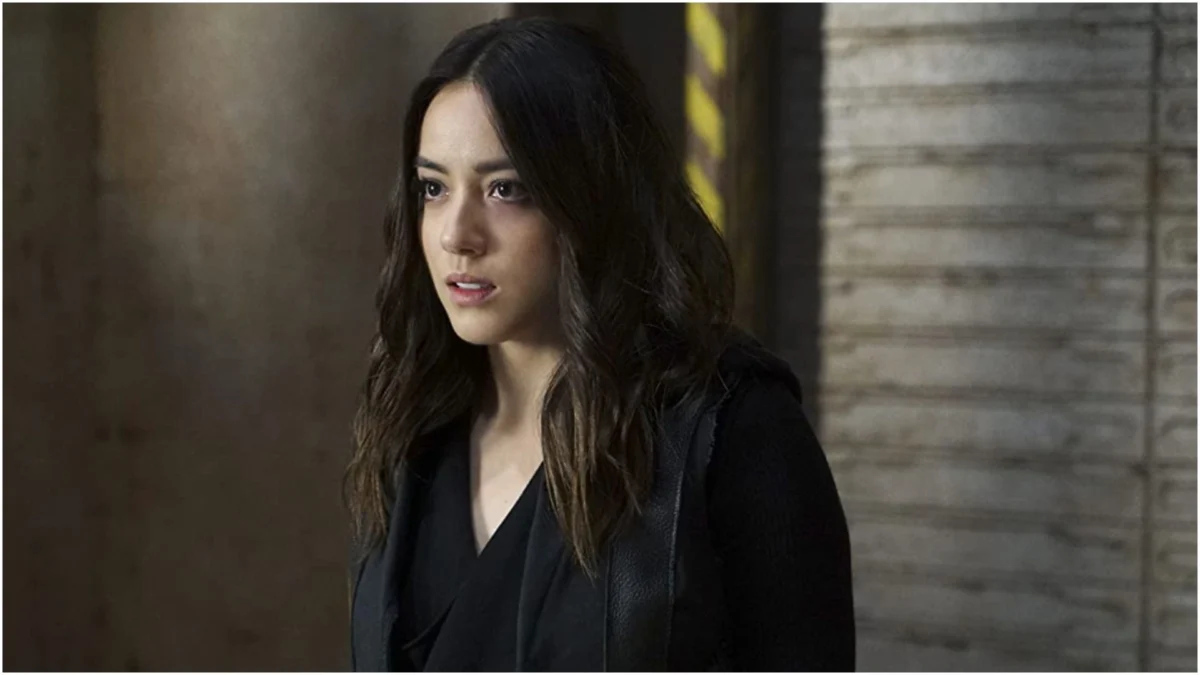
Six years after the final mission of Phil Coulson’s team concluded, the debate surrounding the canonical status of Agents of S.H.I.E.L.D. remains one of the most persistent and divisive topics within the Marvel Cinematic Universe (MCU) fandom. At the heart of this discussion is Chloe Bennet, who portrayed the evolution of Daisy Johnson—from a clandestine hacker to the world-shaking Inhuman known as Quake—across the show’s seven-season run. In a recent, candid interview with Elle, Bennet expressed a sentiment shared by many of the show’s loyalists: she is "low-key angry" that the massive narrative undertaking of S.H.I.E.L.D. is not fully acknowledged as part of the primary MCU tapestry.
The Foundation: A Legacy of 130+ Hours
When Agents of S.H.I.E.L.D. premiered in 2013, it bore the heavy mantle of being the first television series spun directly from the momentum of the Avengers film. Over the course of 136 hour-long episodes, the series expanded the scope of Marvel’s world, introducing the concept of Inhumans, exploring the dark corners of Hydra, and navigating complex interstellar and temporal conflicts.
"We were the first MCU TV show," Bennet remarked. "We spent a lot of time in people’s homes, and I spent a lot of my life playing this character and this young woman growing into her power. There’s a lot of symbolism in that, especially looking back now."
For the cast and crew, the show was not merely a side project; it was a grueling, multi-year commitment that served as the bedrock for the expansion of the Marvel television universe. Bennet’s frustration stems from a sense of erasure—a feeling that the work put into grounding the MCU in a serialized, long-form format is being sidelined by the franchise’s current direction.
Chronology of a Disconnect: Why the Canon Question Persists
To understand why Marvel Studios has been hesitant to fully embrace Agents of S.H.I.E.L.D. as canon, one must look at the narrative friction between the show and the films.
The Divergence Points
- The Inhuman Crisis: The show dedicated multiple seasons to the global emergence of Inhumans. In the films, however, the Inhumans remain a fringe element, rarely mentioned or acknowledged by the Avengers.
- The Blip Absence: Perhaps the most significant hurdle is the show’s final seasons, which largely ignored the catastrophic events of Avengers: Infinity War and the subsequent five-year "Blip." While the showrunners cited scheduling conflicts and the difficulty of keeping the show’s timeline aligned with a fluctuating film production schedule, this omission created a massive chronological wall.
- Temporal Anomalies: Agents of S.H.I.E.L.D. leaned heavily into time travel and alternate timelines in its later seasons. While the MCU has since introduced the Multiverse, the rules governing time travel in the show do not always map cleanly onto the mechanics established in Avengers: Endgame.
These inconsistencies have made it difficult for Marvel Studios to integrate the series into the official "Sacred Timeline" without causing significant narrative headaches.
The Case for Canon: Fan Sentiment and Easter Eggs
Despite the official distance, a vocal segment of the fanbase continues to argue for the show’s relevance. Fans point to the series’ deep commitment to the lore established by the films, particularly in its early seasons, where the show directly mirrored the fallout of Captain America: The Winter Soldier.

Furthermore, the lines between "official" and "fringe" have begun to blur. Recent developments, such as the inclusion of an Agents of S.H.I.E.L.D. Easter egg in the season finale of Daredevil: Born Again, have reignited hope among supporters. If the Netflix-era Daredevil can be retroactively folded into the MCU, proponents argue, there is no logical reason why the S.H.I.E.L.D. agents cannot eventually receive the same treatment.
The Potential for a Return: Bennet’s Stance
Perhaps the most significant revelation from the recent interview is not Bennet’s frustration, but her willingness to return. When asked if she would consider donning the gauntlets of Daisy Johnson once more, her answer was definitive.
"Totally. I’m obsessed with Daisy," she stated. "I feel like I am Daisy. I would be so protective of her. I would love to play her with the growth that I’ve had since I’ve had a break from the role."
This perspective is vital for the studio. Actors who have a deep, protective love for their characters often provide the best performances upon return. Bennet suggests that a return would not be a mere reprisal of her past work, but an evolution—a chance to show how the character has matured in the years since the series finale. For Marvel, which is currently navigating the complexities of the Multiverse Saga, bringing back a legacy character like Quake could serve as both a nod to the past and a bridge to the future.
Implications for the Future of the MCU
The discourse surrounding Agents of S.H.I.E.L.D. reflects a larger challenge for Marvel Studios: how to manage a sprawling library of content that spans over a decade of production. As the MCU continues to move into Phase 6 and beyond, the studio must decide whether to continue operating with a rigid, narrow definition of canon or to embrace the more fluid, multiversal approach that allows for various iterations and timelines to coexist.
Strategic Considerations
- The Multiverse as a Fix: The most elegant solution is the Multiverse. By framing Agents of S.H.I.E.L.D. as an alternate timeline within the MCU’s vast multiverse, Marvel could acknowledge the validity of the show’s events without requiring them to fit perfectly into the primary film timeline.
- Character Integration: As seen with the return of Charlie Cox’s Daredevil and Vincent D’Onofrio’s Kingpin, the most effective way to validate past television work is to bring the actors into the fold. A cameo or a supporting role for Quake in a future project—such as Secret Warriors or a cosmic-focused Avengers film—would be a powerful gesture of reconciliation.
- Audience Engagement: The passion of the S.H.I.E.L.D. fanbase is an asset. Dismissing their investment can lead to disillusionment, whereas embracing it strengthens the brand’s community.
Conclusion: A Lingering Question
Whether or not Marvel Studios ever officially issues a statement declaring Agents of S.H.I.E.L.D. "canon," the legacy of the series remains secure in the hearts of the fans—and in the mind of its lead actress. Chloe Bennet’s desire to protect her character and her openness to a future return suggest that the story of Daisy Johnson is not necessarily finished.
For now, the show occupies a liminal space: beloved by a dedicated audience, acknowledged by subtle nods, but held at arm’s length by the studio’s official timeline. As the MCU continues to expand, the "real followers," as Bennet puts it, will continue to keep the lights on at S.H.I.E.L.D. headquarters, waiting for the day that the agency is officially invited back into the fold. In a franchise defined by its ability to bring disparate worlds together, the possibility of a reunion remains as high as ever.

