

By PC Gamer Staff
As the gaming industry enters the final stretch of the year, players and critics alike often brace for an avalanche of high-octane blockbusters, competitive shooters, and sprawling action RPGs. However, the closing weeks of this month are telling a radically different story—one defined by whimsical photography, magical academia, and cyberpunk relaxation.
For curators of low-stress gaming, the calendar has suddenly transformed into a logistical nightmare. With the impending arrival of Toem 2, developed by Something We Made, alongside other heavy hitters like Nivalis Nights and Songs of Glimmerwick, the landscape of wholesome, comfort-driven entertainment is experiencing an unprecedented late-year surge. Lists curated just weeks ago are already being torn up and rewritten to accommodate titles that promise to redefine what a "cozy game" can achieve.
Main Facts: The End-of-Year Cozy Game Boom
The modern definition of the "cozy game" has evolved far beyond simple farming simulators and minimalist puzzle games. Today, the genre encompasses narrative adventures, exploration-driven photography, atmospheric management sims, and magical role-playing experiences.
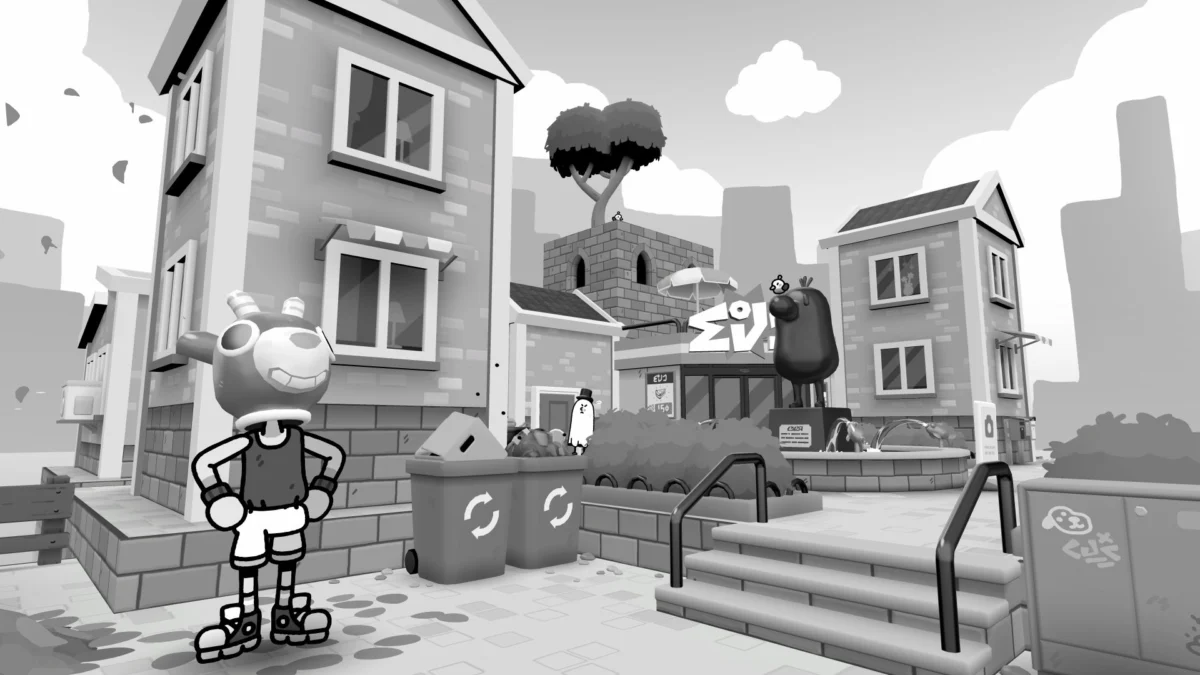
- The Toem 2 Release: Serving as the direct sequel to Something We Made’s critically acclaimed 2021 indie hit, Toem 2 lands this month, bringing back its signature black-and-white, hand-drawn aesthetic, charming characters, and puzzle-solving photography mechanics.
- A Crowded Window: Joining Toem 2 at the tail end of the month are two highly anticipated titles: Nivalis Nights, an atmospheric expansion/spinoff blending cyberpunk aesthetics with slice-of-life relaxation, and Songs of Glimmerwick, a witchy RPG focused on magical botany and musical spellcasting.
- The Curation Crisis: Reviewers and critics who specialize in low-stress and wholesome gaming find themselves constantly updating their recommendations, proving that the cozy genre is no longer a seasonal novelty but a major, fast-moving pillar of the modern PC games market.
Chronology: The Evolution of Wholesome Gaming and the Rise of Toem
To understand the weight of Toem 2’s arrival, it is essential to trace how the cozy games market matured from a niche subgenre into a commercial powerhouse.
2020–2021: The Pandemic Catalyst and the Birth of Toem
During the global disruptions of the early 2020s, players turned en masse to digital spaces that offered psychological safety, lack of combat pressure, and meditative loops. Titles like Animal Crossing: New Horizons and Stardew Valley set the benchmark.
In September 2021, Swedish independent developer Something We Made released Toem. Featuring a distinctive Scandinavian-inspired monochrome art style, the game tasked players with exploring whimsical environments through the lens of a camera, solving gentle local mysteries, and capturing charming photographic memories. It won the "Best Debut Game" at the 18th British Academy Games Awards (BAFTAs) in 2022, instantly placing Something We Made on the map as a studio capable of blending exploration with profound emotional warmth.

2022–2023: Mainstream Expansion
Following Toem’s success, publishers and independent developers alike realized that players craved games that prioritized curiosity over violence. The market flooded with fishing games, cat simulations, and miniature management titles. Platforms like Steam began dedicating entire seasonal festivals to the genre, cementing "cozy games" as an official marketing and taxonomic category.
2024–Present: The Late-Year Climax
Historically, major game releases were clustered around the autumn months to capture the lucrative holiday shopping season—usually reserved for AAA action titles. However, the current strategy by indie developers targeting the cozy demographic has disrupted this rhythm. By positioning complex, narrative-rich relaxing titles right at the end of the year, studios are capturing an audience looking to decompress from the stresses of both real life and high-stakes autumn blockbusters.
Supporting Data: The Economic and Cultural Weight of the Cozy Genre
While casual observers might dismiss low-stress games as fleeting trends, industry data underscores a massive, highly engaged demographic that spans PC and console platforms.
- Audience Retention: According to platform analytics from Steam, cozy games often boast higher-than-average completion rates compared to fast-paced action games. Players invest hundreds of hours into designing, exploring, and socializing within these virtual spaces.
- Demographic Diversity: Unlike traditional genres that skewed heavily toward younger demographics, the cozy games market attracts a remarkably broad audience, spanning older demographics, working professionals seeking wind-down media, and traditional hardcore gamers looking for cognitive palate cleansers.
- Critical Acclaim: Over the last four years, indie cozy titles have increasingly dominated independent award ceremonies. Games that emphasize artistic direction, sound design, and emotional resonance are frequently outperforming traditional platformers and shooters in critical reception.
Official Responses and Developer Insights
The creators behind these upcoming releases have spoken candidly about the challenges and rewards of developing games designed to soothe rather than stress.
In previous developer diaries, the team at Something We Made emphasized that Toem 2 was born out of a desire to expand upon the core philosophies of the original game without losing its intimate scale. "We didn’t just want to make ‘more levels,’" a studio representative noted during early production updates. "We wanted to deepen the sense of place, to make the characters feel like old friends you are visiting again, and to introduce new ways of interacting with a world that reacts to your curiosity."
Meanwhile, the teams behind Songs of Glimmerwick and Nivalis Nights have echoed similar sentiments regarding the psychological demand for their work. In statements released via community updates, developers have pointed out that modern players are experiencing "stimulation fatigue." By offering gameplay loops centered around planting magical crops, listening to ambient environmental soundscapes, or managing a cozy venue in a cyberpunk city, these developers are filling a crucial niche in the digital entertainment diet.
Industry analysts suggest that the willingness of developers to release these titles simultaneously reflects a maturing market. Rather than fearing direct competition, cozy game developers recognize that their audience often plays multiple titles concurrently, treating them like a bookshelf of comforting novels rather than competitive battlegrounds.

Implications: What This Means for the Future of PC Gaming
The late-year congestion of cozy game releases signals several vital shifts in how games are marketed, consumed, and valued:
1. The Redefinition of "Blockbuster" Windows
The traditional rulebook stated that indie developers should avoid crowding their launches against major studio tentpoles. However, the success of titles like Toem 2 proves that the cozy demographic operates on an entirely different rhythm. Players seeking relaxation do not care about fall shooter releases; they care about emotional safety and creative freedom. Consequently, developers feel emboldened to launch major titles whenever their creative vision is ready, rather than adhering to rigid corporate calendars.
2. The Maturation of Indie Studios
Sequels like Toem 2 demonstrate that independent cozy developers are building sustainable, long-term franchises. Moving from a successful debut to a fully realized sequel allows studios to refine their toolsets, expand their worlds, and cultivate dedicated fanbases that treat these releases as major cultural events.
3. Sustainable Gaming Habits
As modern life becomes increasingly fast-paced and hyper-connected, the cultural relevance of cozy games is unlikely to fade. These titles serve a vital therapeutic function for millions of players. The fact that critics must continuously rewrite their "best of" lists to accommodate late-year masterpieces indicates that the genre is not suffering from saturation, but rather enjoying a continuous, vibrant evolution.
As Toem 2 and its contemporaries roll out over the coming weeks, one thing is certain: the gaming landscape is wide enough, and welcoming enough, to prove that sometimes the most impactful journeys are the ones where nobody gets hurt, nothing explodes, and the primary objective is simply to take a good picture and enjoy the view.

