

By Gaming Industry Desk
Published: November 2024
Main Facts
Blizzard Entertainment has pulled back the curtain on its most ambitious project in the iconic action-RPG franchise’s history: Diablo 5. Set in a desolate world where the titular Lord of Terror has already achieved total victory, the upcoming title flips the script on traditional narrative structures. According to senior game director Joe Shely and narrative director Jennifer Hepler, Diablo 5 will weave a complex, multi-layered story operating across three distinct temporal planes simultaneously: the past, the present, and the future.
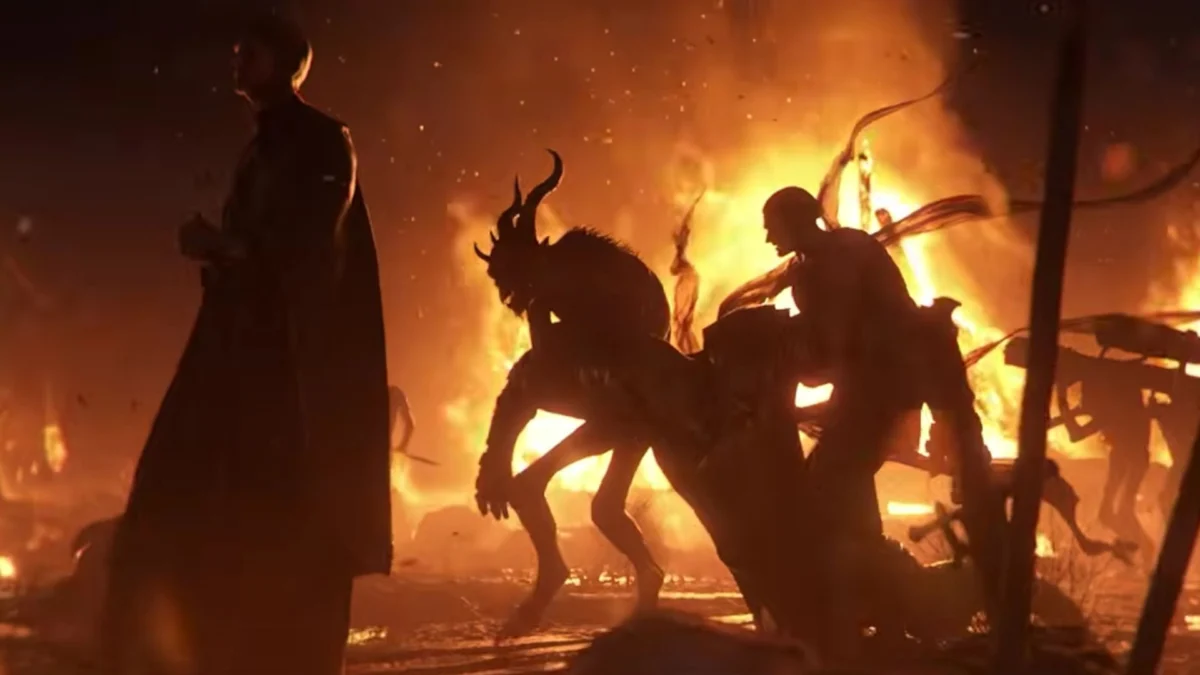
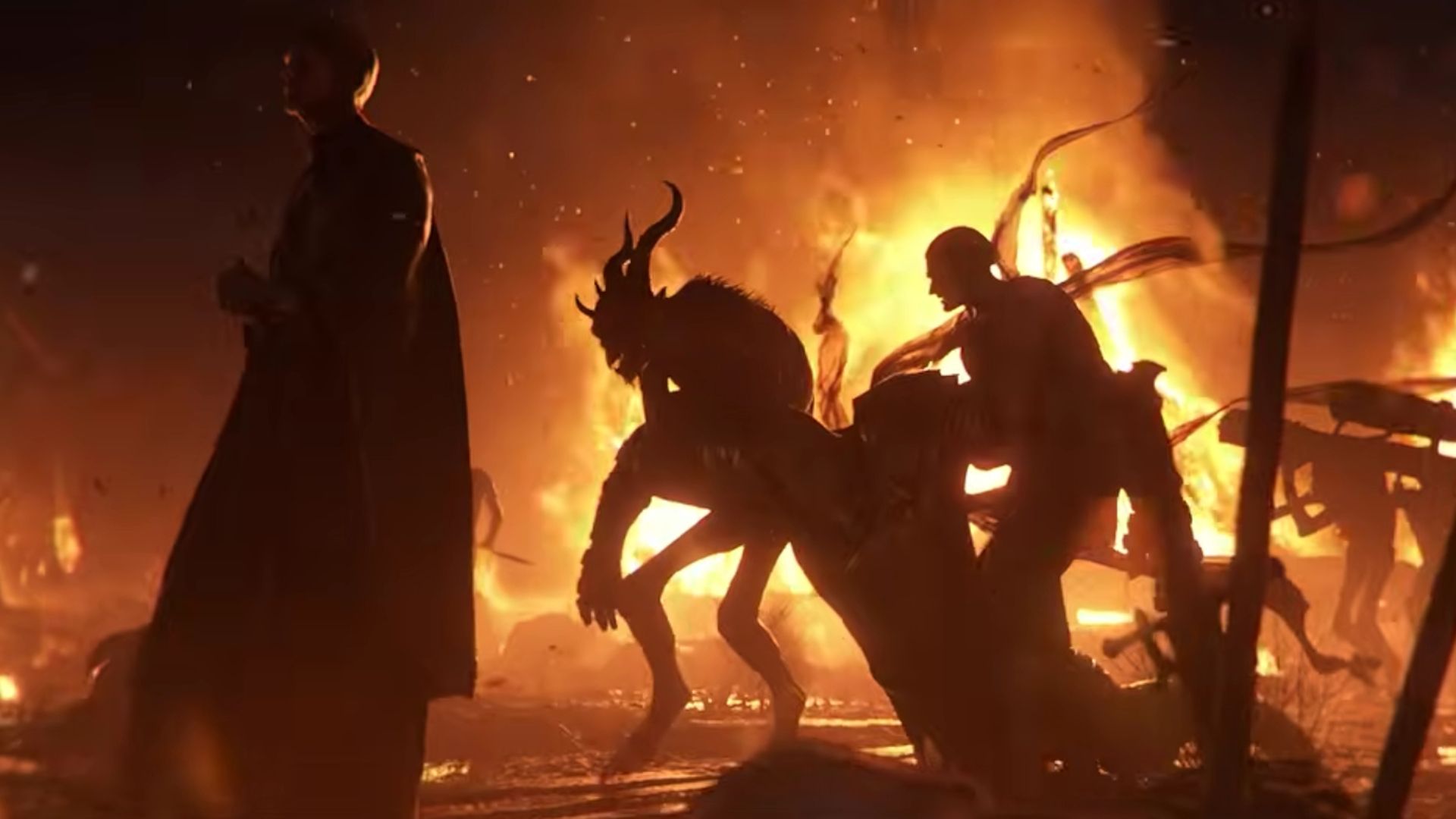
Unlike previous installments where players race to stop the forces of Hell from invading Sanctuary, Diablo 5 begins after the fall. Sanctuary has been conquered, reshaping the familiar dark fantasy landscape into a realm completely dominated by demonic forces. At the heart of this transformation are the "Dread Commanders"—Diablo’s elite lieutenants tasked with actively reshaping the environment through a terrifying process developers have dubbed "terror-forming."
Blizzard has stated that its primary design objective for Diablo 5 is to deliver "the best campaign ever" in an ARPG. Furthermore, project leadership has emphasized that the monumental return of Diablo himself warranted a full, standalone numbered sequel rather than being delegated to post-launch expansions for Diablo 4. However, fans will need an immense amount of patience: Diablo 5 is currently not slated to launch until 2029.
Chronology: The Evolution Leading to the Fall of Sanctuary
To understand the narrative weight of Diablo 5, it is necessary to look back at the trajectory of the franchise over the last three decades.
- 1996–2012 (The Foundation): The original Diablo and its massively influential sequel, Diablo 2, established the dark, gothic aesthetic that defined the action-RPG genre. While Diablo 3 leaned into a brighter, more high-fantasy color palette, it still maintained the core loop of battling prime evils.
- 2023 (Diablo 4 and the Prelude): Diablo 4 launched to critical and commercial success, introducing a shared open-world environment and setting up new existential threats in Sanctuary through expansions and seasonal updates. However, narrative threads regarding the ultimate fate of the Prime Evils remained open.
- Late 2024 (The Announcement of Diablo 5): Blizzard confirmed that the scope of Diablo’s return required a complete generational leap. Rather than continuing Diablo 4 indefinitely, the studio formally pivoted development resources toward Diablo 5, establishing a targeted release window of 2029 to ensure the campaign meets unprecedented qualitative standards.
- The Present Outlook: Developers have begun peeling back the layers on how the game’s procedural systems will support a shifting world narrative, promising an organic experience that evolves based on player actions and regional control.
Supporting Data and Technical Mechanics: "Terror-Forming" and Procedural Design
The technical backbone of Diablo 5 relies heavily on combining a deeply authored narrative with advanced procedural world generation. This marriage of systems allows Blizzard to execute its vision of a dynamic, shifting environment.
The Three Stories of Sanctuary
- The Past: Chronicling the history and events that led directly to Diablo’s ultimate victory and the collapse of humanity’s defenses.
- The Present: The harrowing boots-on-the-ground reality where players navigate a post-conquest world dominated by the minions of Hell.
- The Future ("Terror-Forming"): The active, ongoing alteration of biomes and geography carried out by the Dread Commanders.
How Procedural Biomes Shift
Narrative Director Jennifer Hepler elaborates on how the game’s world-state changes dynamically:
"The procedural world gives us a lot of levers to pull for that. You can go to a place, and it is under the control of the Dread Commander of Undeath, and it’s going to be full of zombies and things like that. And then later in the game, you could return there, and it’s either been reclaimed by humanity or taken over by a different Dread Commander, and the environment will be totally different as a result of that."
This system ensures that no two playthroughs—or even subsequent visits to the same region—feel identical. As Dread Commanders consolidate or lose power, the physical landscape alters to reflect their specific demonic jurisdictions, introducing regional hazards, distinct enemy types, and altered environmental aesthetics.
Official Responses and Developer Insights
Blizzard’s leadership team has been unusually candid about why Diablo 5 represents a departure from modern live-service content models. Rather than stretching Diablo 4 to its absolute limits with continuous expansions, the team realized that the narrative gravity of Diablo winning required a clean slate.
"Diablo himself is the reason Diablo 5 is coming instead of more Diablo 4 expansions," notes project leadership. The return of the Lord of Terror is viewed by the creative team as a seismic lore event that demands its own dedicated title, mechanics, and design philosophy.
Game Director Joe Shely emphasized the thematic weight of the Dread Commanders during recent press disclosures:
"We call it terror forming because these Dread Commanders will actually transform the environment, transform the biome into a version of hell that relates to personal powers and powers at station."
By focusing on a world where the heroes of the past have failed, Blizzard aims to deliver what early previews are already describing as the studio’s darkest ARPG to date—a tonal callback to the gritty, oppressive atmosphere that made the 1996 original a genre-defining masterpiece.
Implications for the ARPG Genre and the Franchise’s Future
The announcement and structural details of Diablo 5 carry massive implications for Blizzard Entertainment, the action-RPG market, and the player community.
1. Raising the Bar for Campaign Storytelling in ARPGs
Historically, ARPGs like Path of Exile, Grim Dawn, and even previous Diablo titles have treated campaigns primarily as a tutorial or a leveling ramp leading up to endgame grinds. Blizzard’s stated goal to make Diablo 5 feature "the best campaign ever" signals a shift back toward narrative-first design in the genre, proving that deep mechanical loops and rich, reactive storytelling can coexist.
2. A Long Wait and Expectations Management
With a projected release window of 2029, Diablo 5 is still years away from reaching player hands. This creates both an opportunity and a challenge for Blizzard. While it gives the development team ample time to refine the complex interactions between procedural biomes and the three-tiered narrative, it also places immense pressure on Diablo 4 to sustain the community’s engagement for the remainder of the decade.
3. Honoring 30 Years of Legacy
As the franchise approaches its 30th anniversary, Diablo 5 is positioned not just as a sequel, but as a thematic culmination. By returning to the franchise’s darkest roots—where evil isn’t merely fought, but has already triumphed—Blizzard is taking a massive creative risk. If successful, Diablo 5 will redefine how players interact with persistent, shifting game worlds, setting a new benchmark for dark fantasy gaming in the 2030s.

