

By Global Gaming Desk
Published Today
Main Facts
Virtual reality gaming has long chased the thrill of the striker, offering players endless opportunities to bend it like Beckham, fire rockets into the top corner, or execute bicycle kicks from impossible angles. Yet, the unsung heroes of the pitch—the goalkeepers who risk bruised wrists and flying studs to preserve clean sheets—have largely been relegated to the sidelines of digital sports.
That narrative is shifting today. Incisiv, the independent development studio behind the critically acclaimed sports simulation, has officially launched CleanSheet Soccer 2 on the Meta Quest platform. Previously a console-exclusive title tethered to the PlayStation VR2, the arcade-style goaltending simulator is now accessible to a much broader audience via standalone wireless VR.
Priced at $24.99 on Meta Quest, the title arrives with an unexpected incentive for standalone headset owners: it is being offered at a $10 discount compared to its $34.99 PlayStation VR2 counterpart.
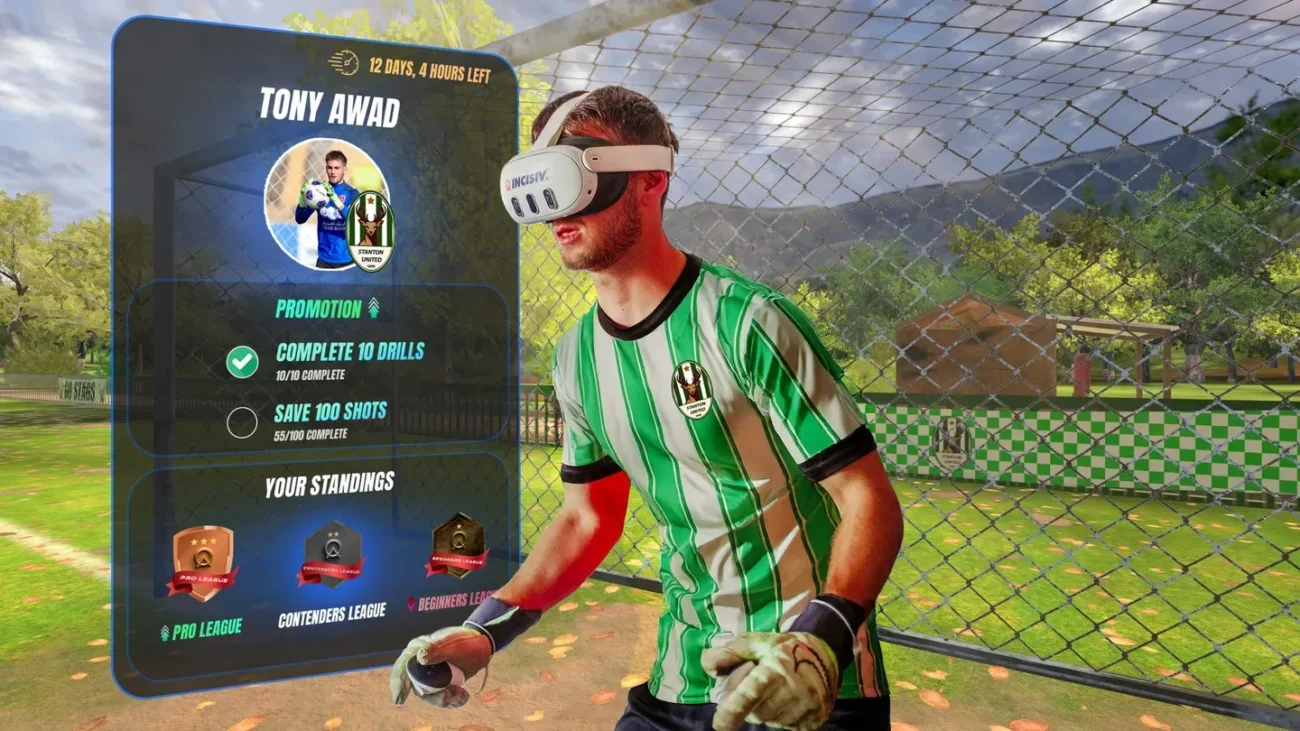
Rather than focusing on scoring goals, CleanSheet Soccer 2 flips the traditional football gaming script entirely. Players step directly into the penalty box, donning virtual gloves to punch, block, catch, and deflect high-velocity strikes. The experience spans structured training missions, realistic mock matches, and fast-paced, arcade-inspired minigames designed to test reflexes, spatial awareness, and hand-eye coordination.
With its arrival on Meta Quest, the game trades the wired constraints of console hardware for the untethered freedom of standalone VR, opening up new possibilities for physical engagement and room-scale movement.
Chronology of Development and Release
The journey of CleanSheet Soccer 2 to the Meta Quest ecosystem represents a strategic evolution in sports VR game design. To understand how the title arrived on Meta’s storefront, it is helpful to retrace the timeline of its development and initial rollout.
The Genesis of Virtual Goalkeeping
Incisiv originally set out to solve a fundamental problem in sports simulation: while shooting a ball in VR can feel satisfying, replicating the physics, pressure, and kinetic movement of stopping a speeding sphere required a completely different technical approach. The original CleanSheet concept was born out of experimental physics prototypes that tested how human hands interact with incoming projectiles in virtual space.
The PlayStation VR2 Debut
Earlier this year, Incisiv brought the fully realized sequel, CleanSheet Soccer 2, to the market as a PlayStation VR2 exclusive. Leveraging the advanced haptic feedback, eye-tracking capabilities, and adaptive triggers of Sony’s ecosystem, the game received praise from critics and players alike. Reviewers highlighted its ability to turn a straightforward premise into an intensely physical, high-adrenaline workout. The PSVR2 version established the franchise’s reputation as a polished, athletic experience tailored specifically for dedicated virtual reality hardware.
Expanding to Standalone Hardware
Following the success of the console launch, development immediately shifted toward optimizing the title for standalone architectures. Adapting a physics-heavy sports simulation for the mobile processing chips of the Meta Quest required extensive optimization without sacrificing the snappy ball-tracking and responsiveness critical for stopping a penalty kick.
Today marks the culmination of that effort. By launching on Meta Quest, CleanSheet Soccer 2 bridges the gap between high-end tethered VR and accessible, wireless standalone hardware, making virtual goalkeeping available to millions of new players worldwide.
Supporting Data and Technical Overview
To appreciate what CleanSheet Soccer 2 achieves on hardware ranging from the PlayStation VR2 to the Meta Quest, it is essential to examine the mechanics, pricing models, and physical demands of the game.
Pricing and Platform Breakdown
- Meta Quest Release: Available today for $24.99. Features untethered, standalone gameplay leveraging inside-out tracking.
- PlayStation VR2 Release: Launched earlier this year for $34.99. Features advanced headset haptics, adaptive triggers, and high-fidelity wired performance.
Gameplay Modes and Features
The title is structured around three core pillars designed to cater to both casual gamers and fitness enthusiasts:
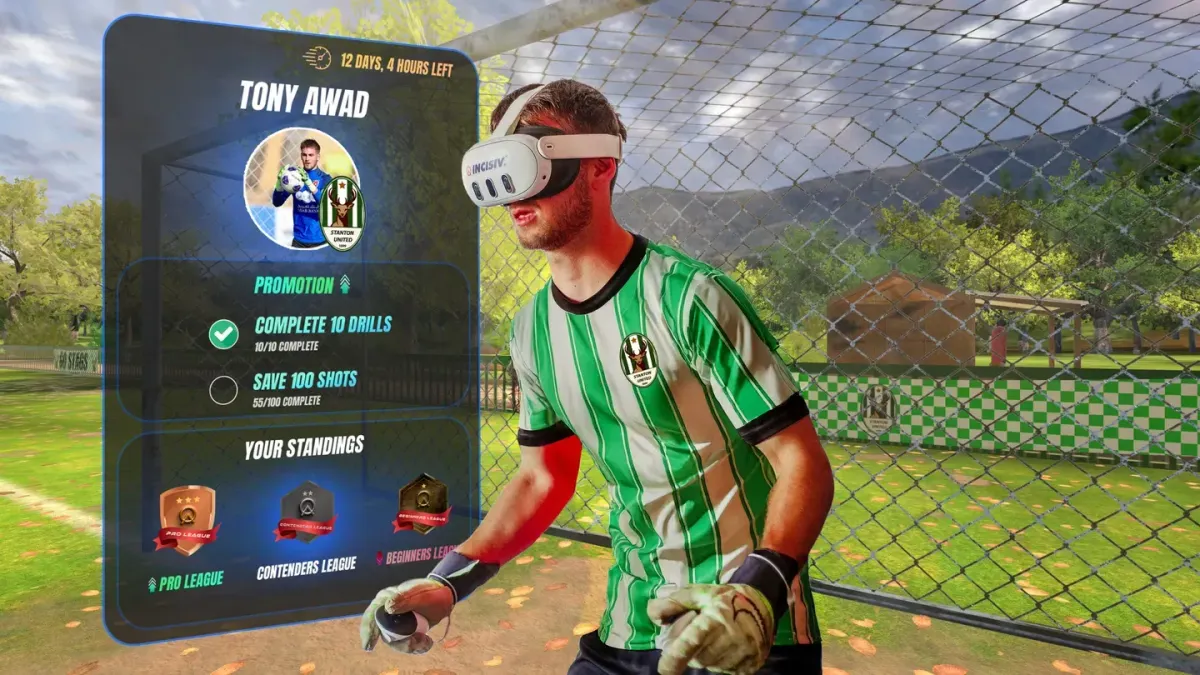
- Training Missions: Focused drills that help players master proper hand placement, body positioning, and timing. These modules break down the fundamentals of shot-stopping, from diving low to parrying high crosses.
- Mock Games: Simulated match scenarios where players face waves of AI-driven opponents executing strategic plays, passing sequences, and sudden strikes.
- Arcade-Style Minigames: High-energy challenges that push reflexes to the absolute limit, often incorporating fantastical elements, rapid-fire balls, and scoring multipliers.
Physical and Ergonomic Demands
Unlike traditional controller-based games, CleanSheet Soccer 2 functions as an active, full-body workout. Players must frequently lunge, duck, stretch, and punch air. Reviewers who experienced the title on PSVR2 noted that the game demands genuine athletic effort, frequently comparing the physical exertion to a high-intensity cardio session or a virtual reality fitness application like Superhot VR or Les Mills Bodycombat.
Official Responses and Critical Reception
The industry reception to the CleanSheet franchise has been overwhelmingly positive, particularly regarding its ability to turn a niche athletic discipline into an engaging video game genre.
Critical Consensus
Upon its initial debut on the PlayStation VR2 earlier this year, critics lauded the game’s focus and execution. A prominent industry review summarized the experience aptly:
"A simple idea, executed very well [and] a focused, energetic, and surprisingly authentic goalkeeper experience that feels perfectly suited to VR."
Reviewers frequently highlighted how the game avoids the common pitfalls of bloated sports titles, instead zeroing in on the pure adrenaline rush of making a last-second, game-saving stop. The tactile feedback of blocking a ball headed for the upper 90 provided a level of immersion that standard flat-screen football games simply cannot replicate.
Developer Vision
While Incisiv has kept detailed post-launch roadmaps under wraps, the decision to launch on Meta Quest at a reduced price point signals a clear intent to capture a mass-market audience. By lowering the barrier to entry by $10 compared to the PSVR2 version, the studio is positioning the Quest edition as an accessible entry point for casual sports fans and fitness enthusiasts alike.
Industry analysts suggest that the untethered nature of the Meta Quest makes it the ideal platform for a game that requires sudden, sweeping physical movements, eliminating the risk of tripping over cables during a desperate diving save.
Implications for the VR Sports Gaming Market
The launch of CleanSheet Soccer 2 on Meta Quest carries broader implications for the future of virtual reality sports games, independent development studios, and the growing intersection of gaming and fitness.
Diversifying VR Sports Beyond Striker Fantasies
For years, virtual reality sports simulations have heavily favored offensive roles—swinging baseball bats, throwing touchdowns, sinking basketballs, or scoring goals. CleanSheet Soccer 2 proves that defensive, reactive sports roles can be just as compelling, if not more so, in a spatial computing environment. By focusing on the goalkeeper’s perspective, Incisiv has unlocked a fresh design space that other developers may soon explore for sports like ice hockey, American football, and lacrosse.
The Standalone vs. Tethered Economics
The pricing strategy of $24.99 on Meta Quest versus $34.99 on PlayStation VR2 highlights ongoing pricing dynamics in the VR market. Standalone headsets boast significantly larger installed user bases, allowing developers to offset lower software margins through higher volume sales. This $10 price discrepancy could serve as a case study for multi-platform VR releases, proving that hardware-specific optimizations and market reach influence retail pricing structures.
The Rise of Active Exergaming
As virtual reality hardware continues to shrink in size while growing in processing power, the boundary between gaming and physical exercise continues to blur. CleanSheet Soccer 2 sits comfortably at the intersection of competitive sports and fitness tech. Players are not merely pressing buttons; they are burning calories, improving cardiovascular endurance, and training real-world reflexes.
As more titles adopt this active-play paradigm, VR headsets are increasingly viewed not just as entertainment devices, but as legitimate tools for physical health and athletic training.
Looking Ahead
With CleanSheet Soccer 2 now available across both major standalone and console VR ecosystems, Incisiv has solidified its position as a pioneer in immersive sports simulation. Whether the title paves the way for a competitive multiplayer scene—allowing virtual strikers to face off against human goalkeepers in real-time—remains an exciting prospect for the future. For now, virtual keepers on Meta Quest can lace up their boots, step onto the pitch, and prepare to face the firing squad.

