

By Brian VanHooker
Published September 2, 2026
Main Facts: The Cross-Cultural Journey of a Hollywood Icon
For generations, the animated universe has featured a definitive, unspoken law of physics: when a blue-grey cat named Tom and a cunning brown mouse named Jerry occupy the same space, chaos inevitably follows. Over eight decades after William Hanna and Joseph Barbera first conceptualized the duo at MGM, the eternal rivals are back on the big screen. However, this time, their cinematic journey is taking a markedly different route than traditional Hollywood releases.
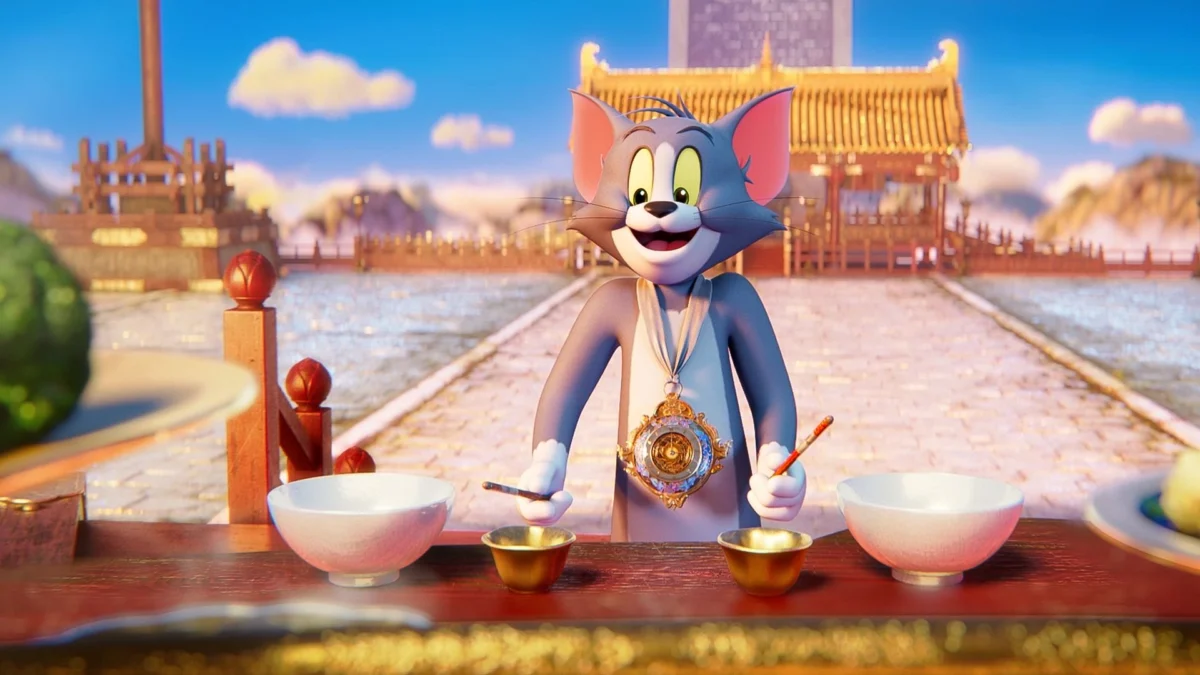
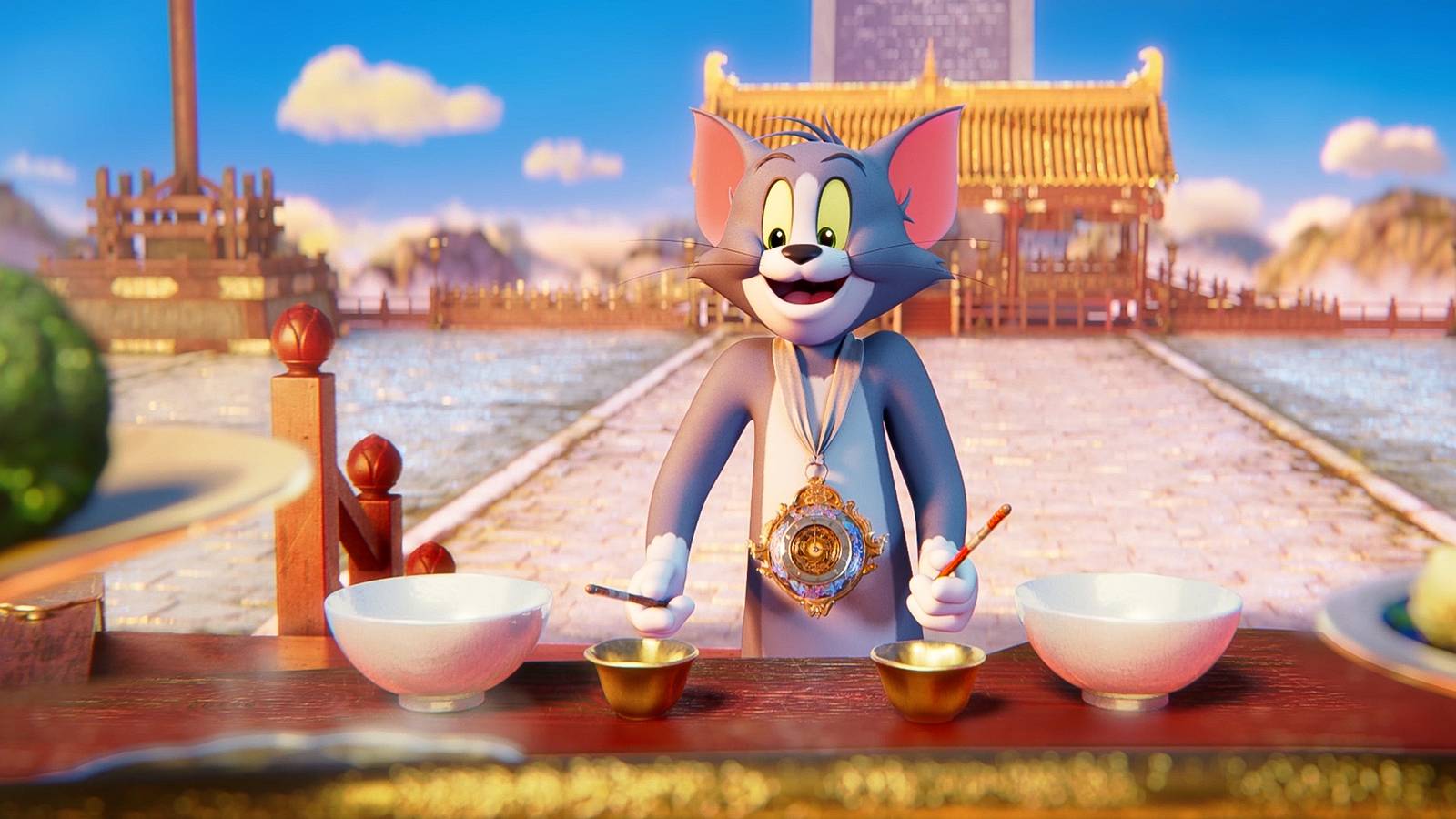
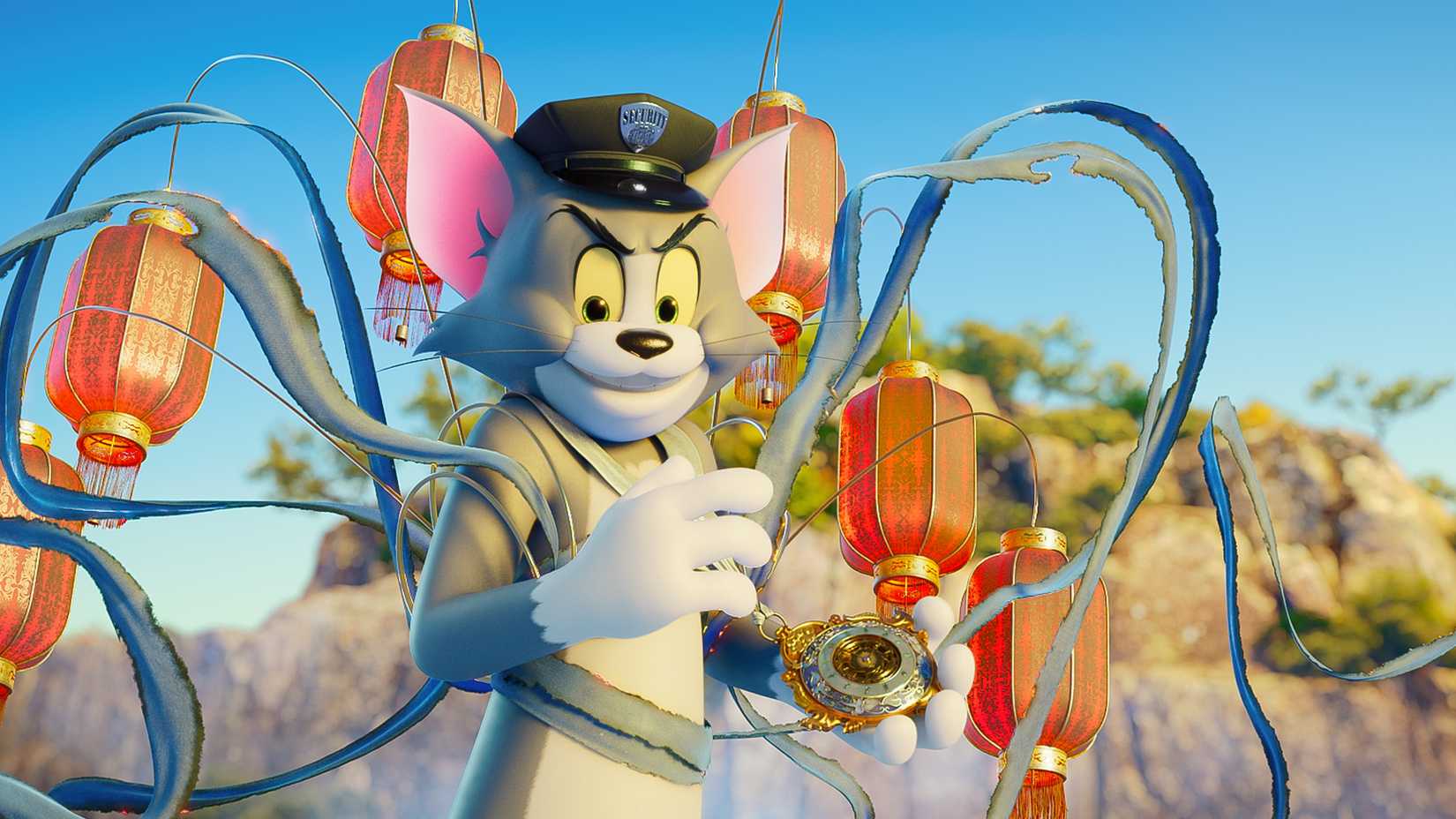
The new 3D animated feature Tom and Jerry: Forbidden Compass lands in theaters, though many domestic moviegoers might miss its quiet arrival. The film was primarily designed and produced for international markets, specifically premiering in China last August before arriving in select territories. Co-produced by Warner Bros. Pictures and China’s state-owned China Film Group, and directed by Chinese filmmaker Zhang Gang, the project plunges the classic cartoon pair into an adventure steeped in Chinese mythology. The narrative kicks off with trademark slapstick antics inside a museum, accidentally catapulting the cat and mouse into a realm of ancient legends, ornate temples, and cultural iconography.
Far from a typical Hollywood studio release, Forbidden Compass represents a growing trend of legacy American IP being localized and produced directly within international markets where the characters retain immense cultural capital. While reviews for the feature have been mixed since its initial overseas debut, the film’s existence highlights a fascinating truth of modern animation business: while Tom and Jerry’s star power may have fluctuated in the United States—surviving through television syndication, direct-to-video movies, and a largely overlooked 2021 live-action hybrid—they remain unstoppable cultural fixtures across Asia.
Chronology: From 1940s MGM Shorts to Global Stardom
To understand how a classic American cartoon cat and mouse ended up starring in a Chinese mythological adventure, one must trace the timeline of Tom and Jerry across global entertainment history.
The Golden Age and the MGM Era (1940–1957)
The characters were born out of necessity. In 1940, MGM’s animation studio was struggling to keep pace with Walt Disney’s dominant shorts division and Warner Bros.’ rising Looney Tunes. Animators William Hanna and Joseph Barbera teamed up to create Puss Gets the Boot, featuring a cat named Jasper (later renamed Tom) and a mouse named Jinx (later renamed Jerry). The short was a massive critical and commercial success, earning an Academy Award nomination for Best Animated Short Subject.
Between 1940 and 1957, Hanna and Barbera produced 161 theatrical shorts. Unlike modern television cartoons, these shorts were produced for theatrical exhibition, playing before feature films just like newsreels and live-action comedies. This era, widely recognized by animation historians as the "Classic Era," ended abruptly in 1957 when MGM shuttered its animation division due to budget constraints and the rapid rise of household television ownership.
The Gene Deitch Era and the Iron Curtain Experiment (1961–1962)
MGM eventually realized the enduring value of its feline-and-rodent property and revived the series in 1961. To slash production costs, the studio outsourced animation to Studio N‑Bite/Czechoslovakia, partnering with Czech animator Gene Deitch.

The political climate of the Cold War made this an unusual arrangement. Czechoslovakia was a Soviet-aligned communist state, representing America’s primary geopolitical adversary. To avoid public backlash and safeguard the brand’s patriotic image, MGM Americanized the names of the Czech crew members in the credits. While the 13 shorts produced during this era suffered from limited budgets and surreal, avant-garde storytelling that alienated traditional fans, it accidentally initiated Tom and Jerry’s modern life as an international commodity.
The Television Migration and Global Syndication (1960s–1980s)
By the late 1950s and 1960s, theatrical shorts were packaged together into half-hour television blocks. Tom and Jerry successfully made this transition in 1965, paving the way for international television syndication.
Because America and China did not normalize diplomatic relations until the 1970s, the characters arrived in mainland China slightly later than in neighboring Asian territories, landing on Chinese television screens in the 1980s. However, once introduced, they quickly became permanent pop-culture fixtures throughout East and Southeast Asia.
Supporting Data: Why Slapstick Defies Language Barriers
The enduring global appeal of Tom and Jerry comes down to a fundamental structural element of the cartoons: the characters almost never speak.
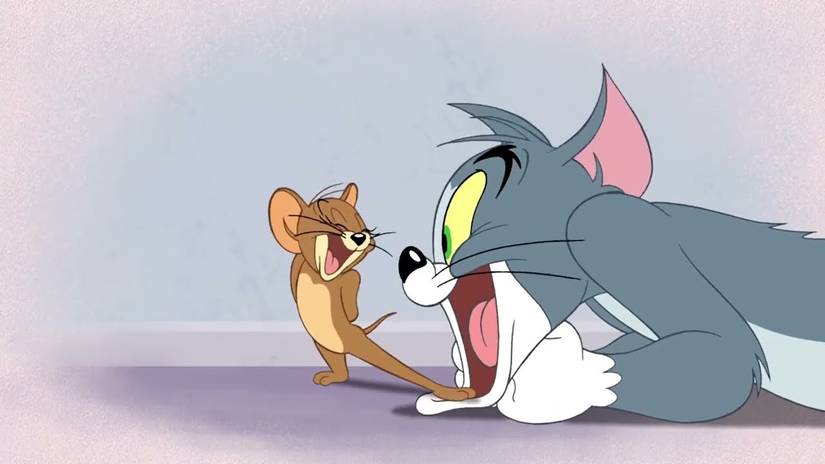
While Disney shorts relied heavily on synchronized musical numbers and Looney Tunes built its identity on witty, verbal gag-writing (with rare exceptions like the wordless Wile E. Coyote and the Road Runner shorts), Tom and Jerry leaned entirely into universal physical comedy. A cat smashing his face with a frying pan or a mouse dropping an anvil on a paw requires no translation. Slapstick translates seamlessly across every spoken language, allowing the brand to bypass cultural and linguistic barriers entirely.
Warner Bros. producer and Singapore native Charlene Tan articulated this phenomenon in an interview with Cartoon Brew:
"I’m sure that it was the same for kids my age all around the world—Tom and Jerry was something that was just always there growing up. What we all loved about the show was that it also made our parents and even our grandparents laugh. It’s truly multi-generational. Living in Singapore, when you were waiting at the dentist, waiting to collect your passport, or at the hairdresser, it was on the screens. Everybody watched it, and everybody enjoyed it… Whether the audience is Chinese, Korean, Japanese, or Indian, slapstick makes everyone laugh. It’s universal."
International Milestones:
- 1965: Premieres on Japanese television.
- 1966: Broadcasts begin in the Philippines.
- 1980s: Introduces mainland Chinese audiences to the cat-and-mouse dynamic following the normalization of U.S.–China diplomatic relations.
- 2022: The Japanese-produced short-form series Tom and Jerry Gokko premieres on November 11.
- 2023: Singapore launches its own localized series of shorts, commonly known as Tom and Jerry Singapore, distributed via Cartoon Network and HBO GO.
- 2025–2026: Tom and Jerry: Forbidden Compass debuts in Chinese theaters via a co-production between China Film Group and Warner Bros. Pictures.
Official Responses and Industry Perspectives
The shift toward localized international productions for classic Western properties marks a calculated strategy by media conglomerates. Following Warner Bros.’ corporate acquisition of MGM’s pre-1986 library (including Tom and Jerry) in 2006, the studio increasingly sought ways to monetize intellectual property in regions where traditional Western box-office metrics no longer guaranteed profitability.
Industry analysts note that while domestic U.S. audiences often respond apathetically to direct-to-video or hybrid theatrical experiments—such as Warner Bros.’ live-action Tom and Jerry feature in 2021—Asian markets have maintained an insatiable appetite for the brand. By partnering directly with state-backed entities like the China Film Group and employing regional directors such as Zhang Gang, major Hollywood studios can mitigate financial risk while tapping deeply into local cultural tastes.
Critical reception to these localized endeavors, however, remains mixed. Publications like The Guardian noted that Forbidden Compass finds its furry protagonists somewhat "out of their depth in a candy-coated Chinese adventure," pointing to the narrative friction of trying to force silent, anarchic American cartoon violence into structured, culturally specific mythical narratives. Yet, box-office performance within domestic American markets is secondary to the film’s primary mission: serving an international fan base that has embraced the characters for over four decades.
Implications: The Future of Western IP in the Eastern Market
The release of Tom and Jerry: Forbidden Compass carries significant implications for the future of global animation and IP licensing. As traditional theatrical models shift and domestic markets become oversaturated with original content, Hollywood studios are increasingly looking eastward to keep legacy franchises alive.
- Localization Over Globalization: Rather than exporting a single, homogenized American product worldwide, studios are finding success by tailoring established American characters to regional storytelling traditions. Projects like Tom and Jerry Singapore and Forbidden Compass prove that classic cartoon archetypes are malleable enough to fit foreign cultural frameworks.
- The Power of Silent Legacy: Characters defined by pantomime and physical comedy possess an intrinsic longevity that dialogue-heavy modern characters often lack. Because Tom and Jerry do not rely on trending pop-culture references or language-specific jokes, they can be easily re-contextualized into new artistic landscapes without losing their core identity.
- A Blueprint for Future Collaborations: The co-production model utilized by Warner Bros. and China Film Group serves as a potential blueprint for other heritage Western brands seeking viability in the Chinese market.
Ultimately, whether Forbidden Compass sparks a new era of theatrical feature films or remains an experimental outlier, it proves one undeniable fact: the animated cat and mouse are truly global citizens. No matter the language spoken or the mythology explored, the timeless art of dropping an anvil on a cat’s head remains universally understood.

